
 EN
EN
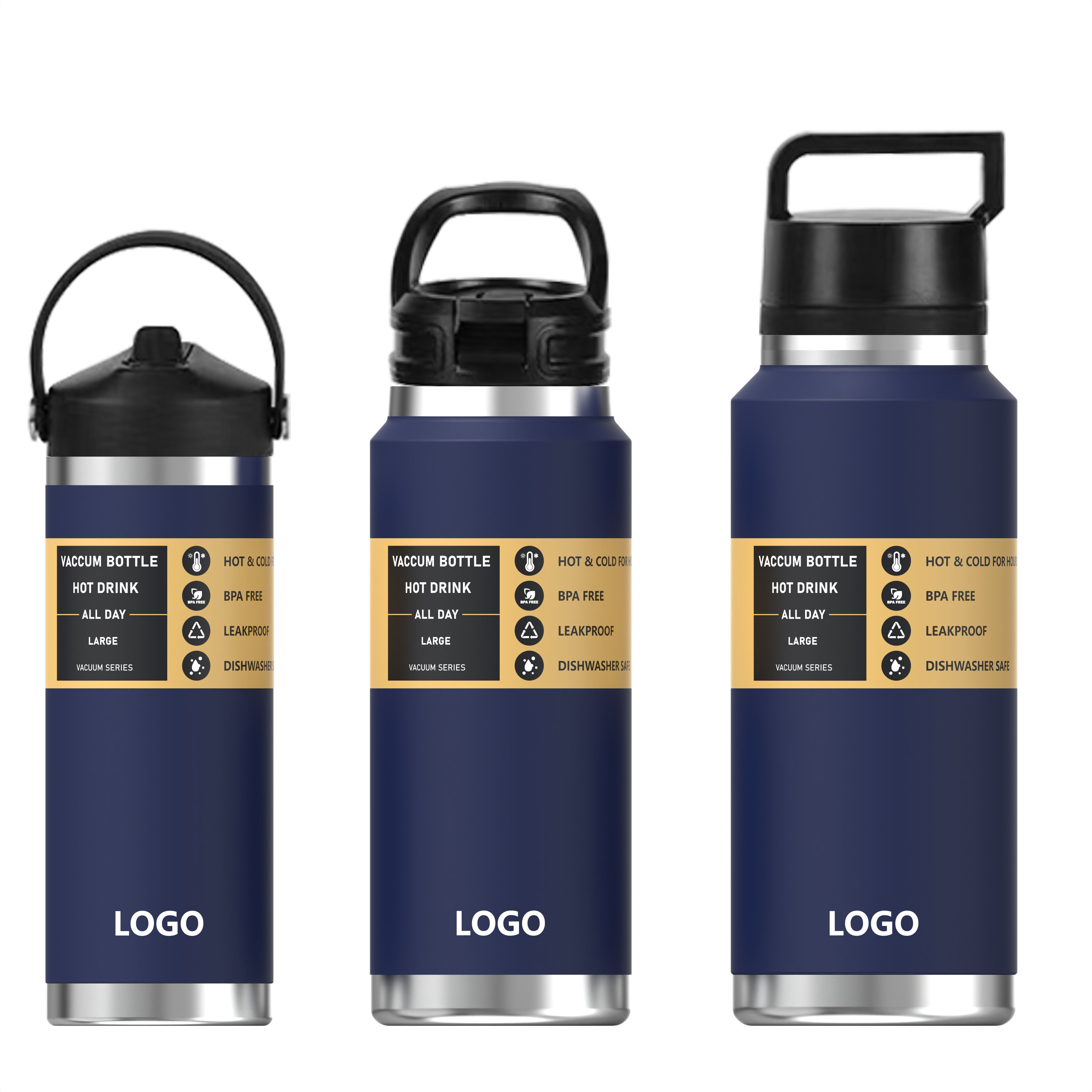
20 unsiyalı tumblerlərin tez-tez istifadəsi zamanı davamlılığı təmin edən materialları qiymətləndirərkən, quruluş keyfiyyəti və materialın tərkibi uzunmüddətli performansı müəyyən edən əsas amillər halına gəlir. Peşəkar istifadəçilər, işə gedən şəxslər və təbiət sevərləri 20 unsiyalı tumblerlərini gündəlik aşınmaya davam gətirmək, eyni zamanda temperatur saxlama qabiliyyətini və struktur bütövlüyünü qorumaq üçün istifadə edirlər. Davamlılığa töhfə verən konkret material xüsusiyyətlərini başa düşmək istifadəçilərə hansı tumbler quruluşunun onların istifadə nümunələri və mühit tələblərinə ən yaxşı xidmət edəcəyini müəyyən etməkdə məlumatlı qərarlar qəbul etməyə kömək edir.
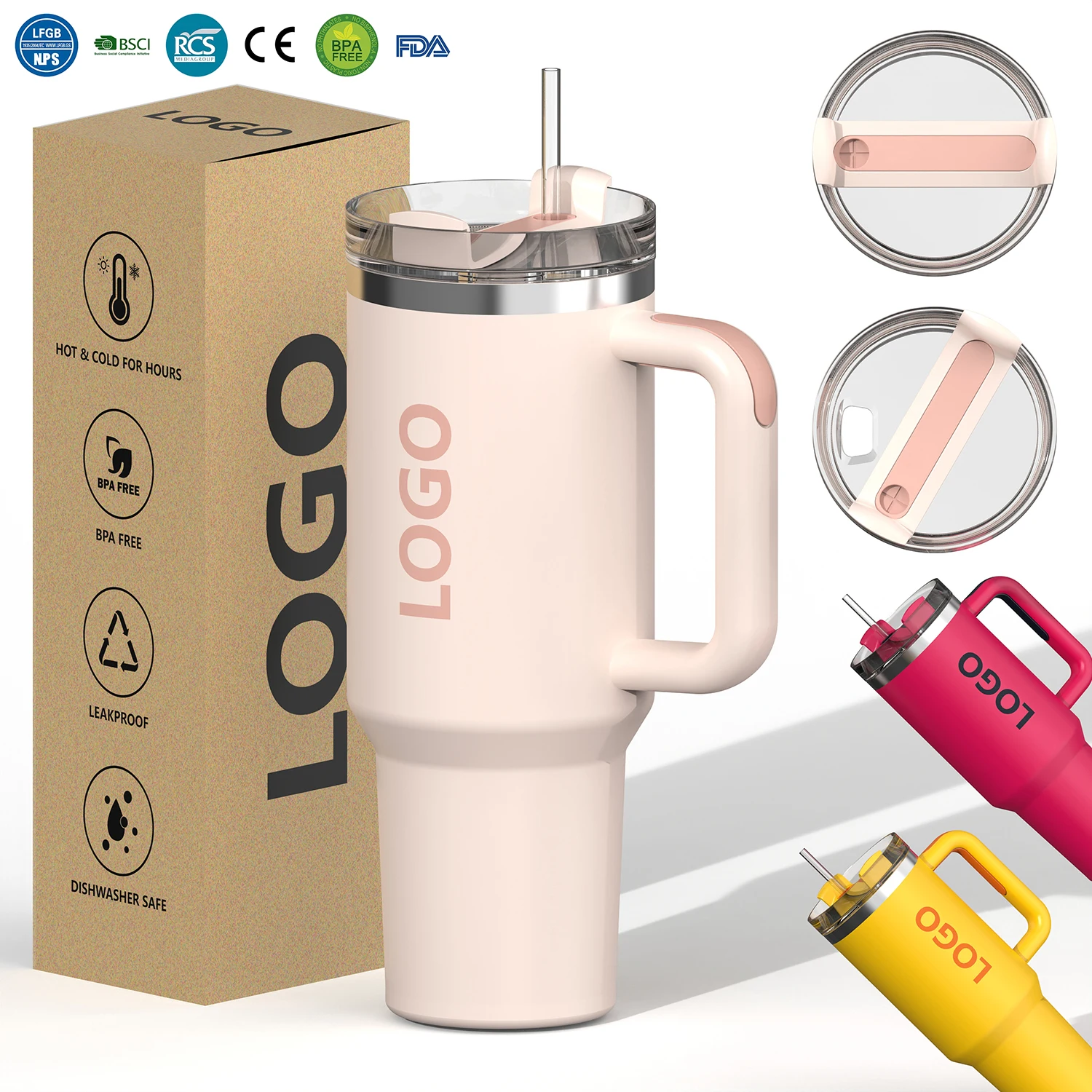
20 unsiyalı tumblerin davamlılığı, zərbəyə qarşı müqavimət, termal gərginlik, korroziya və tez-tez açma, bağlama və istifadə zamanı mexaniki aşınmaya qarşı mübarizə aparmaq üçün birgə işləyən bir neçə material xüsusiyyətindən asılıdır. Premium materiallar yalnız funksional ömrü uzatmir, həm də istifadəçilərin gündəlik istifadə üçün içki qablarına gözlədikləri estetik görünüşü və gigiyena standartlarını saxlayır. Bu ətraflı təhlil, yüksək tezlikdə istifadə olunan 20 unsiyalı tumblerlər üçün istisnai davamlılıq təmin edən konkret material xüsusiyyətlərini və konstruksiya üsullarını araşdırır.
Paslanmayan polad konstruksiyası və ərinti seçimi
304 növü paslanmayan poladın xüsusiyyətləri
304 dərəcəli paslanmayan polad, istisna olmaqla korroziyaya davamlılığı və mexaniki möhkəmlik xüsusiyyətləri ilə davamlı 20 unsiyalı tumblerlərin hazırlanmasında qızıl standartı təmsil edir. Bu ostenit paslanmayan polad 18–20% xrom və 8–10,5% nikel ehtiva edir ki, bu da pas əmələ gəlməsini qarşısını alan və tez-tez istifadə şəraitində struktur bütövlüyünü qoruyan qoruyucu oksid təbəqəsi yaradır. Xrom tərkibi sıyrığı zaman öz-özün bərpa olunan passiv film əmələ gətirir və beləliklə, gündəlik istifadə olunan içkilər üçün xarakterik olan turşu içkilərə, duz təsirinə və mühitdəki korroziya amillərinə qarşı uzunmüddətli qorunma təmin edir.
304 paslanmayan poladın mexaniki xüsusiyyətləri, bir 20oz tumbler tez-tez tutulma, düşmə və daşınma gərginliklərinə məruz qalır. Çəkilmə müqaviməti 515–620 MPa və akma müqaviməti 205–310 MPa aralığında olan bu material normal istifadə şəraitində deformasiya və çatlamalara qarşı müqavimət göstərir və minlərlə istifadə dövrü boyu ölçülərin sabitliyini saxlayır. 304 stainless steel-in plastikliyi tumblerin katastrofik pozulmadan təsir enerjisini udmasına imkan verir və bu da tələbkar mühitlərdə etibarlı performans tələb edən aktiv istifadəçilər üçün ideal seçimdir.
İrəliləmiş Leqir Alternativləri
316 dərəcəli paslanmayan polad, xüsusilə dəniz mühitində və ya yüksək xloridlərin təsir etdiyi mühitlərdə istifadə olunmaq üçün üstün korroziyaya davamlılıq tələb edən 20 unsiyalı stakanlar üçün artırılmış davamlılıq xüsusiyyətləri təmin edir. 316 lehiminin tərkibinə 2–3% molibden əlavə edilməsi çuxur korroziyası və qovuq korroziyasına qarşı müqaviməti əhəmiyyətli dərəcədə yaxşılaşdırır və agressiv kimyəvi mühitlərdə və ya yol duzu və sahil şəraitinə məruz qaldıqda xidmət müddətini uzadır. Bu premium lehim seçimi müxtəlif deterjentlər və dezinfeksiya vasitələri ilə tez-tez yuyulduqda stakanın struktur bütövlüyünü və səth emal keyfiyyətini pozmayacağına zamin verir.
Duplex paslanmayan poladlar, 20 unsiyalı tumblerlərin konstruksiyası üçün çox yüksək möhkəmlik/çəki nisbəti təmin edir və eyni zamanda üstün korroziyaya davamlılıq xüsusiyyətlərini saxlayır. Bu ərintilər, standart 304 paslanmayan poladdan təxminən iki dəfə yüksək akma möhkəmliyi əldə etmək üçün austenit və ferrit mikrostrukturlarını birləşdirir; bu da möhkəmliyi azaltmadan qalınlıqca daha incə divar konstruksiyasına imkan verir. Yaxşılaşdırılmış mexaniki xüsusiyyətlər tumblerin tez-tez istifadə olunması zamanı zərbəyə davamlılığının və ölçülərin sabitliyinin artırılmasına səbəb olur; beləliklə, duplex paslanmayan polad, 20 unsiyalı tumblerin gündəlik intensiv istifadəyə və potensial zədələnməyə məruz qaldığı peşəkar tətbiqlər üçün optimal seçimdir.
İki divarlı vakuum izolyasiyası mühəndisliyi
Vakuum boşluğunun bütövlüyü
Davamlı 20 unsiyalı stakanın ikiqat divarları arasındakı vakuum sahəsi, tez-tez termal dövrələr altında istilik performansını və struktur sabitliyini saxlamaq üçün dəqiq mühəndislik tələb edir. Yüksək keyfiyyətli vakuum izolyasiya sistemləri 10^-4-dən 10^-6 Torr-a qədər olan vakuum səviyyələrini əldə edir ki, bu da istilik keçirilməsinə və konvektiv istilik keçirilməsinə qarşı effektiv maneə yaradır və eyni zamanda xarici divar strukturu üzərindəki gərginliyi minimuma endirir. Vakuum sahəsi, isti içkilərin temperaturunun 80°C-dən yuxarı olduğu və soyuq tətbiqlərin 0°C-dən aşağı olduğu minlərlə temperatur dövrəsində sabit qalmalıdır; bu zaman sıxlıq birləşməsinin bütövlüyü pozulmamalı və istilik performansını azaldacaq sızıntılar meydana gəlməməlidir.
Yüksək keyfiyyətli 20 unsiyalı stakanların vakuum sahəsinə inteqrasiya edilən irəliləmiş qəbuledici materiallar, istilik izolyasiyasının performansını vaxt keçdikcə pozuna biləcək qalıq qazları udmaqla aktiv şəkildə vakuum səviyyəsini saxlayır. Bu reaktiv materiallar, adətən barium və ya titan əsaslı birləşmələrdir və stakanın xidmət müddəti boyu işləyərək istilik izolyasiyasının sabit performansını təmin edən vakuum bütövlüyünü qoruyur. Qəbuledici sistem, materialların qaz çıxarması və ya mikroskopik möhürlərin keçiriciliyi nəticəsində baş verə biləcək postepen vakuum deqradasiyasını qarşısını alır və tez-tez istifadə olunma şəraitində istilik izolyasiyası xüsusiyyətlərinin davamlılığını saxlayır.
Divar qalınlığının optimallaşdırılması
Davamlı 20 unsiyalı tumbler üçün optimal divar qalınlığının seçimi, tez-tez istifadə zamanı uzun müddətli etibarlılığı təmin etmək üçün strukturlu möhkəmlik, termal performans və çəki nəzərdə tutmalarını tarazlaşdırır. Daxili divar qalınlığı adətən təzyiq fərqlərində kifayət qədər möhkəmlik təmin etmək və izolyasiya performansını zədələyə biləcək termal köprü yaratmağı minimuma endirmək üçün 0,4–0,6 mm aralığında olur. Xarici divarın isə tumblerin xidmət müddəti ərzində vakuum möhürünün bütövlüyünü təmin edən struktural əsas yaratmaq və təsadüfi zərbələrə qarşı müqavimət göstərmək üçün daha böyük qalınlığa — adətən 0,6–0,8 mm-ə ehtiyacı var.
Daxili və xarici divarlar arasındakı qalınlıq nisbəti istilik dövrü və mexaniki yüklənmə zamanı gərginlik paylanmasını təsir edir və beləliklə, 20 unsiyalı termosun uzunmüddətli davamlılığını müəyyən edir. Düzgün mühəndislik üsulları ilə hazırlanmış qalınlıq nisbətləri fərqli istilik genişlənməsinin sızdırmazlıq pozulmasına və ya divarların deformasiyasına səbəb ola biləcək gərginlik konsentrasiyaları yaratmasının qarşısını alır. Qabaqcıl sonlu elementlər analizi qalınlıqların optimallaşdırılmasına yön verir ki, tez-tez baş verən temperatur dəyişiklikləri və mexaniki gərginliklər uzun xidmət müddəti üçün təhlükəsiz dizayn hədləri daxilində qalsın.
Səth Emalı və Örtük Texnologiyaları
Davamlılığın artırılması üçün elektropolirləmə
Elektropolirləmə emalı, mikroskopik qeyri-bərabərlikləri aradan qaldıraraq və bakteriyaların yapışmasına və korroziyanın başlamasına qarşı davamlı olan bərabər, hamar səth yaradaraq, paslanmayan polad 20 unsiyalı tumblerlərin səthlərinin davamlılığını əhəmiyyətli dərəcədə artırır. Bu elektrokimyəvi proses səth zirvələrindən materialı seçici şəkildə çıxarır və mexaniki bitirmə üsullarına nisbətən səth qabarıqlığını 50–75% azaldır; eyni zamanda səthdə xrom tərkibini artırır. Nəticədə yaranan gücləndirilmiş passiv təbəqə korroziyaya qarşı üstün müqavimət və daha asan təmizlənmə imkanı təmin edir ki, bu da tez-tez istifadə olunma şəraitində gigiyena və görünüşün saxlanması üçün vacib amillərdir.
20 unsiyalı stakanın elektropolirlənmiş səthi gərginlik yığılma nöqtələrinin və çatların başlanğıc nöqtəsi ola biləcək səth qüsurlarının aradan qaldırılmasından dolayı yaxşılaşdırılmış yorulmaya davamlılıq göstərir. Bu emal, gündəlik istifadə zamanı, qapağın açılıb-bağlanması zamanı və termik dövrlənmə zamanı tez-tez müşahidə olunan dövri yükləmə şəraitində istismar müddətini uzadır. Daha hamar səth həmçinin təmizləmə əməliyyatları zamanı sürtünməni və aşınmanı azaldır və stakanın işləmə müddəti ərzində möhürləmə səthlərinin estetik keyfiyyətini və funksional performansını qoruyur.
İrəli Sürünmüş Örtük Sistemləri
Sərtlik əsaslı örtük sistemləri, qəddar təmizləmə protokollarına və tez-tez istifadəyə məruz qalan 20 unsiyalı stakanların səthlərinə çox yüksək davamlılıq təmin edir. Bu örtüklər adətən sol-qel və ya fiziki buxar çökməsi prosesləri ilə tətbiq olunur və sərtliyi 1500 HV-dən yuxarı olan qoruyucu təbəqə yaradır ki, bu da xəttin yaranmasına qarşı müqaviməti və aşınmaya qarşı performansı əhəmiyyətli dərəcədə yaxşılaşdırır. Keramik matrisi, əsasında yerləşən paslanmayan poladı qəddar təmizləyici maddələrdən qoruyan kimyəvi inertlik xüsusiyyətinə malikdir və eyni zamanda içki konteynerləri üçün vacib olan qida təhlükəsizliyi xüsusiyyətlərini saxlayır.
Diamant kimi karbon (DLC) örtükləri, ekstremal istifadə şəraitində maksimum davamlılıq tələb edən premium 20 unsiyalı tumbler tətbiqləri üçün iri səth emal texnologiyasını təmsil edir. Bu örtüklər fövqəladə sərtliyi (20–80 GPa) aşağı sürtünmə əmsalları və üstün kimyəvi müqavimətlə birləşdirir və xərdənməyə, aşınmaya və korroziyaya qarşı üstün müdafiə təmin edir. DLC örtüyü minlərlə təmizləmə dövründən sonra qoruyucu xüsusiyyətlərini saxlayır və eyni zamanda səthi hamar qoruyaraq kommersiya və ya institusional tətbiqlərdə asan təmizlənməni və bakterial kolonizasiyanın qarşısını almanı təmin edir.
Qapaq və Sıxlıq Sisteminin Davamlılığı
Silikon Sıxlıq Texnologiyası
Qida səviyyəsi silikon möhürləri, davamlı 20 unsiyalı stakan qapaqlarında təkrarlanan sıxılma dövrlərinə, temperatur ekstremumlarına və müxtəlif içkilər və təmizləyici maddələrdən gələn kimyəvi təsirlərə davam gətirməlidir. Premium silikon birləşmələri, -40°C-dən +200°C-ə qədər temperatur aralığında elastiklik və möhürləmə performansını saxlayır və isti kofe və ya buz soyuq içkilər ehtiva edərkən etibarlı işləməni təmin edir. Bu möhürlərin davamlılığı, adətən 40–60 Şor A sərtliyi olan Şor A sərtliyinin optimallaşdırılmasına bağlıdır; bu, möhürləmə effektivliyini tez-tez istifadə zamanı qalıcı deformasiyaya qarşı müqavimətlə tarazlaşdırır.
İrəli silikon formulaları, gündəlik 20 unsiyalıq stakanların istifadəsi zamanı tipik olan tez-tez dövrələnmə şəraitində möhür ömrünü uzadan gücləndirici maddələr və antioksidantlar ehtiva edir. Bu materiallar ozonla parçalanmaya, UV şüalarına və möhür bütünlüyünü vaxtla zədələyə biləcək hidrolizə davam gətirir. Kimyəvi müqavimət xüsusiyyətləri turşu içkilərinin, yağların və təmizləyici kimyəvi maddələrin şişməyə, çatlamaya və sərtləşməyə səbəb olmamasını təmin edir; bu da möhür performansını azaldır və qapaq komponentlərinin vaxtından əvvəl əvəz edilməsini tələb edərdi.
Mexanizmin Davamlılığı Mühəndisliyi
Dayanıqlı 20 unsiyalı tumbler qapaqlarının açılıb-bağlanma mexanizmləri, möhürləmə bütövlüyünü qoruyarkən minlərlə dövr boyu hamar işləməni təmin etmək üçün dəqiq mühəndislik tələb edir. Paslanmayan polad döndərən millər və dönmə nöqtələri alternativ materiallara nisbətən aşınmaya və korroziyaya daha yaxşı müqavimət göstərir və beləliklə, məhsulun istismar müddəti ərzində mexanizmin sabit işləməsini təmin edir. Yayla yüklənmiş komponentlər korroziyaya davamlı materiallardan istifadə edir və uyğun yay sərtliyi ilə bağlanma qüvvəsini saxlayır; bu, möhürləmə səthlərinə artıq gərginlik yaratmadan və istifadəçi üçün əməliyyat zamanı yorğunluq yaratmadan həyata keçirilir.
Vidanın başlığına qoşulan qapaqlar üçün çıxıntı sistemi tez-tez istifadə olunma şəraitində çərçivələnmə və ya sapların kəsişməsini qarşısını almaq üçün dəqiq toleranslar və səth emalı tələb edir. Uyğun addım və irəliləmə bucağına malik Akme çıxıntı profilləri yüklərin bərabər paylanmasını təmin edir və çıxıntı səthlərində yüngül kir varsa belə hamar işləməni saxlayır. Saplı birləşmələrin davamlılığı, portativ 20 unsiyalı stakan tətbiqləri üçün təhlükəsiz bərkidilməni təmin etmək üçün sürətlənmiş aşınmanı qarşısını almaq məqsədilə materialın sərtliyi uyğunluğu və səth bitirilməsinin optimallaşdırılmasına bağlıdır.
Tutacaq və Bərkidilmə Davamlılığı
Qaynaqlanmış Bərkidilmə Sistemləri
Müqavimət qaynağı texnikaları, 20 unsiyalı tumbler dizaynları üçün metallurgik birləşmələr yaradaraq, bazis materialın möhkəmliyinə bərabər və ya ondan artıq möhkəm tutma birləşmələri yaradır. Qaynaq prosesinin parametrləri, birləşmə səthinin tam əriməsini təmin edərkən isti təsir zonasının yumşamasını qarşısını almaq üçün dəqiq nəzarət olunmalıdır. Doğru qaynaq texnikası, normal istifadə şəraitindən əhəmiyyətli dərəcədə çox olan yükləri dözməyə qadir birləşmə nöqtələri yaradır və beləliklə, birləşmə yerlərində yüksək gərginlik konsentrasiyalarına səbəb ola biləcək qəza nəticəsində baş verən düşmə və ya təsadüfi təkanlar zamanı təhlükəsizlik payı təmin edir.
Soyuq qaynaqdan sonra istilik emalı, 20 unsiyalıq tumblerin bazasının korroziyaya davamlılığını və mexaniki xüsusiyyətlərini bərpa etmək üçün qaynaq edilmiş tutma hissələrinin ətrafındakı mikrostrukturu optimallaşdırır. Bu istilik emalı stress korroziyası çatlamasına səbəb ola biləcək qalıq gərginlikləri aradan qaldırır və birləşmə zonasında materialın birtərəfli xüsusiyyətlərini təmin edir. Nəticədə əldə olunan qaynaq keyfiyyəti tutma hissələrinin tumblerin istismar müddəti ərzində hətta agressiv təmizləmə protokolları və ya korroziv mühitlərə məruz qalma şəraitində belə möhkəm və korroziyaya davamlı qalmasını təmin edir.
Mexaniki birləşdirmə alternativləri
Dəqiq emal edilmiş rezьbeli birləşdirici elementlər, sahədə xidmət edilə bilən və ya fərdiləşdirilməyə uyğun 20 unsiyalı tumbler dizaynları üçün çıxarıla bilən tutma hissəsinin birləşdirilməsi üçün seçim imkanı yaradır. Uyğun rezьbe uzunluğuna və öncədən yüklənmə spesifikasiyalarına malik paslanmayan polad birləşdirici elementlər tumblerin etibarlı birləşdirilməsini təmin edir və eyni zamanda dərin təmizlik və ya komponentlərin dəyişdirilməsi üçün sökülməyə imkan verir. Birləşdirici elementin materialı tumblerin gövdəsinin korroziyaya qarşı müqaviməti ilə eyni olmalı və ya ondan yüksək olmalıdır ki, zamanla birləşdirici elementin möhkəmliyini zədələyə biləcək qalvanik korroziya baş verməsin.
İrəli səviyyəli mexaniki birləşdirmə sistemləri, portativ 20 unsiyalı tumbler tətbiqlərində yayğın olan vibrasiya yükləmə şəraitində qeyri-qəsdən açılmanın qarşısını almaq üçün rezinli möhkəmləndirici birləşdirici maddələr və ya qabaqcadan müəyyən edilmiş momentli qıfıl qozları istifadə edir. Bu saxlama üsulları, dövri baxım tələb etmədən birləşmənin təhlükəsizliyini təmin edir və ehtiyac olduqda xüsusi olaraq sökülməyə imkan verir. Mexaniki birləşmələrin davamlılığı, yükü bir neçə çıxıntı ilə effektiv şəkildə paylamaq üçün düzgün burma momentinin təyin edilməsindən və çıxıntıların qarşılıqlı işləməsinin dizaynından asılıdır; bu da birləşdirici elementin pozulmasına və ya əsas materialın zədələnməsinə səbəb ola biləcək gərginlik yığılmasını maneə törədir.
Tez-tez verilən suallar
Gündəlik istifadə üçün 20 unsiyalı tumblerlər üçün ən davamlı material hansıdır?
Sınıf 304 paslanmayan polad, gündəlik istifadə üçün 20 unsiyalı tumblerlər üçün davamlılıq, korroziyaya davamlılıq və sərfəliliyin optimal birləşməsini təmin edir. Bu material üstün zərbəyə davamlılığa malikdir, minlərlə istifadə dövrü boyu struktur bütövlüyünü qoruyur və paslanma və korroziyanı maneə törədən öz-özünə bərpa olunan oksid təbəqəsi əmələ gətirir. Çox yüksək davamlılıq tələbləri üçün Sınıf 316 paslanmayan polad agressiv mühitlərdə yaxşılaşdırılmış performans göstərir, buna görə də duplex paslanmayan poladlar peşəkar tətbiqlər üçün çəkiyə nisbətən daha yüksək möhkəmlik təmin edir.
İki divarlı konstruksiya 20 unsiyalı tumblerlərin davamlılığını necə artırır?
İki divarlı vakuum quruluşu, temperatur dövrü ilə bağlı gərginliyi azaldan termal izolyasiya təmin edərək, 20 unsiyalı stakanın möhkəmliyini artırır, struktur ehtiyatını yaradaraq zərbəyə davamlılığı yaxşılaşdırır və korroziyanı təşviq edə biləcək kondensasiyanı aradan qaldırır. Vakuum boşluğu daxili və xarici divarları bir-birindən izolyasiya edir; beləliklə, termal genişlənmə fərqləri nəticəsində struktur gərginliyi yaranmasını qarşısını alır, xarici divar isə daxili tutma maneəsini qorumaq üçün zərbə enerjisini udur. Bu quruluş üsulu tez-tez istifadə olunma şəraitində xidmət müddətini əhəmiyyətli dərəcədə uzadır.
20 unsiyalı stakan materiallarının ömrünü uzadan səth emal üsulları hansılardır?
Elektropolirləmə, bakteriya yapışmasını qarşılamaq və təmizlənməni asanlaşdırmaq üçün ultra-hamarsız, korroziyaya davamlı səth yaradaraq 20 unsiyalı stakanların ömrünü uzatmaq üçün ən effektiv səth emalını təmin edir. Tətbiqlərdə maksimum davamlılıq tələb olunduqda xət izlərinə və aşınmaya qarşı əlavə qorunma təmin edən irəli səviyyəli keramik və ya almaz kimi karbon örtükləri istifadə olunur. Bu emallar, gərginlik toplayıcıları və ya korroziya başlanğıcı yerləri ola biləcək səth çatlamalarını aradan qaldırmaqla və təmizləyici maddələrə və içkilərin tərkib hissələrinə qarşı kimyəvi müqaviməti artırmaqla işləyir.
20 unsiyalı stakan qapaqlarında uzunmüddətli davamlılığı təmin edən möhürləmə materialları hansılardır?
Qida səviyyəsi silikon möhürlər, Shore A sərtliyi 40–60 durometr aralığında olmaqla, 20 unsiyalı stakan qapağı tətbiqləri üçün optimal davamlılıq təmin edir. Gücləndirici maddələr və antioksidanlar daxil edilmiş yüksək keyfiyyətli silikon formulaları temperatur ekstremumları və təkrarlanan sıxılma dövrləri zamanı elastiklik və möhürləmə performansını saxlayır. Bu materiallar ozon, UV işığı və kimyəvi təmasdan qorunur və uzun müddətli istismar şəraitində, tez-tez istifadə olunma şəraitində qida təhlükəsizliyi tələblərinə uyğunluğunu saxlayır.
İçindəkiler
- Paslanmayan polad konstruksiyası və ərinti seçimi
- İki divarlı vakuum izolyasiyası mühəndisliyi
- Səth Emalı və Örtük Texnologiyaları
- Qapaq və Sıxlıq Sisteminin Davamlılığı
- Tutacaq və Bərkidilmə Davamlılığı
-
Tez-tez verilən suallar
- Gündəlik istifadə üçün 20 unsiyalı tumblerlər üçün ən davamlı material hansıdır?
- İki divarlı konstruksiya 20 unsiyalı tumblerlərin davamlılığını necə artırır?
- 20 unsiyalı stakan materiallarının ömrünü uzadan səth emal üsulları hansılardır?
- 20 unsiyalı stakan qapaqlarında uzunmüddətli davamlılığı təmin edən möhürləmə materialları hansılardır?