
 EN
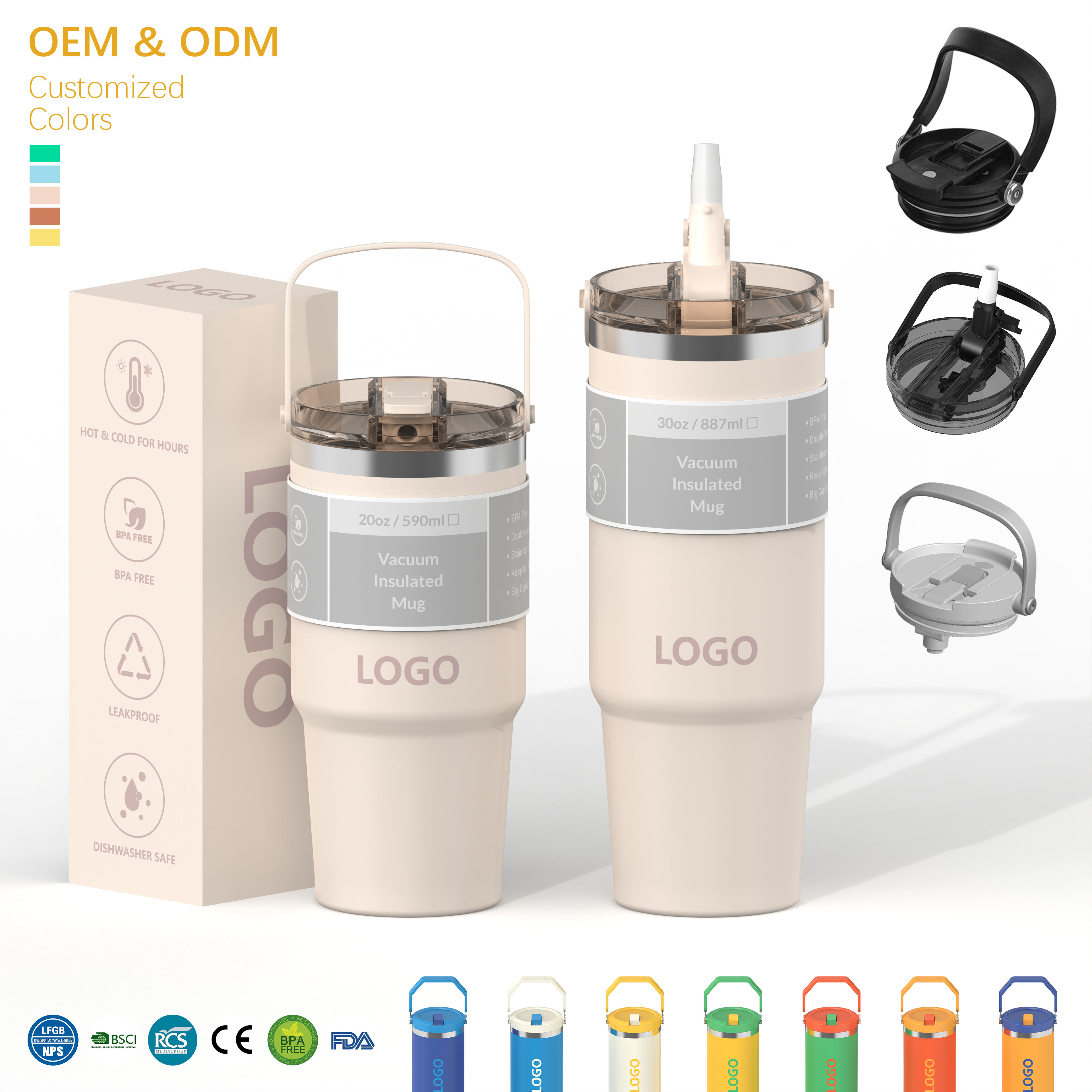
An insulated tumbler performs best when the right material meets optimal wall thickness. The combination of these two factors determines how long beverages stay hot or cold, how durable the container becomes, and ultimately how satisfied users are with their purchase. Understanding the relationship between material composition and structural thickness is essential for anyone seeking a reliable insulated tumbler that delivers consistent thermal performance. Whether you need an insulated tumbler for daily commutes, outdoor activities, or professional environments, material and thickness work together as the foundation of efficiency.

The physics of thermal retention in an insulated tumbler relies entirely on how well the material barriers prevent heat transfer between the inner and outer environments. A quality insulated tumbler uses multiple layers of material, each serving a specific purpose in maintaining temperature stability. The thickness of each layer, combined with the thermal properties of the chosen material, creates a comprehensive system that resists temperature change far longer than single-walled alternatives. This article explores how material selection and wall thickness combine to create superior insulated tumbler performance that professionals and everyday users depend on.
Material Selection Determines Thermal and Structural Properties
Why Stainless Steel Dominates the Insulated Tumbler Market
Stainless steel has become the primary material for high-performance insulated tumbler construction because it combines thermal conductivity control with exceptional durability. Unlike plastic or aluminum alternatives, stainless steel resists corrosion, maintains structural integrity through countless use cycles, and withstands temperature extremes without degrading. An insulated tumbler made from food-grade stainless steel can endure daily washing, accidental drops, and years of regular use while maintaining its thermal efficiency. The material itself contributes significantly to how long an insulated tumbler retains temperature, as stainless steel conducts heat at a measured rate rather than allowing rapid thermal transfer.
Interior and Exterior Material Composition in Insulated Tumbler Design
A properly engineered insulated tumbler features stainless steel on both the interior and exterior surfaces, with an insulation layer sandwiched between them. The interior stainless steel layer contacts the beverage directly, so it must be smooth, non-reactive, and capable of withstanding both hot and cold liquids without warping or leaching harmful substances. The exterior stainless steel layer protects the insulation core from physical damage and provides the structural rigidity that makes an insulated tumbler reliable for years of use. When these material layers are properly selected, an insulated tumbler becomes a precision vessel rather than a simple container, delivering consistent thermal performance that justifies the investment.
Wall Thickness as the Critical Efficiency Variable
How Insulation Layer Thickness Affects Temperature Retention
The thickness of the insulation layer between the inner and outer walls is the primary determinant of how well an insulated tumbler maintains beverage temperature. Insulation thickness typically ranges from 1.5 to 3 millimeters in commercial insulated tumbler designs, with thicker layers providing progressively better thermal resistance. A thin-walled insulated tumbler with minimal insulation depth may only maintain temperature for 2-4 hours, while a properly thick insulated tumbler can preserve heat or cold for 12 hours or longer. The relationship between thickness and thermal retention is not linear; doubling the insulation thickness does not double the retention time, but it does create measurably superior performance in real-world usage scenarios.
Structural Integrity and Durability Through Optimal Thickness
An insulated tumbler with inadequate wall thickness becomes brittle and prone to failure when dropped or stressed, particularly around the base where structural loads concentrate. Optimal thickness ensures that an insulated tumbler maintains its shape under daily stress, resists denting from minor impacts, and preserves its seal integrity throughout its lifespan. The outer wall thickness of a quality insulated tumbler typically ranges from 0.8 to 1.2 millimeters, providing sufficient structural strength without unnecessary weight. When material thickness is insufficient, an insulated tumbler loses both thermal efficiency and durability, ultimately failing to deliver the reliable performance that justifies its premium price point relative to basic alternatives.
Synergy Between Material Properties and Thickness Optimization
Achieving Maximum Efficiency Through Combined Design Parameters
The true advantage of an insulated tumbler emerges when material selection and thickness optimization work together as a unified system. Stainless steel's low thermal conductivity becomes even more effective when paired with generous insulation thickness, creating multiple barriers to heat transfer simultaneously. An insulated tumbler designed with premium stainless steel and 2.5+ millimeters of insulation outperforms alternatives by maintaining thermal gradients that standard containers cannot match. This synergy explains why professionals and outdoor enthusiasts prefer high-quality insulated tumbler solutions—the material and thickness combination delivers measurable, reliable performance that cheaper alternatives simply cannot replicate.
Balancing Weight, Portability, and Thermal Performance in Insulated Tumbler Design
Engineers designing commercial insulated tumbler products must balance the desire for superior thickness with practical constraints around weight and portability. An insulated tumbler that is too heavy becomes burdensome for commuters or travelers, while an insulated tumbler that is too thin sacrifices the thermal benefits that justify premium pricing. The optimal insulated tumbler strikes this balance by using premium stainless steel that minimizes thickness requirements while maintaining excellent thermal properties. Modern manufacturing allows producers to create an insulated tumbler with carefully calibrated wall thickness that provides professional-grade thermal retention without excessive weight, making it practical for daily carry in vehicles, backpacks, or desks.
Long-Term Cost Effectiveness and Return on Investment
Purchasing a well-designed insulated tumbler with optimized material and thickness represents a sound long-term investment compared to disposable alternatives or low-quality containers. An insulated tumbler built from premium stainless steel with substantial wall thickness typically lasts five to ten years or longer with normal use, avoiding the recurring costs of replacement. The durability inherent in proper material selection and thickness means that an insulated tumbler purchased today continues delivering value for years, reducing the cost per use to a fraction of cheaper alternatives that fail within months. This economic reality explains why serious professionals, outdoor enthusiasts, and environmentally conscious consumers consistently choose an insulated tumbler that prioritizes material quality and structural thickness.
FAQ
What thickness of insulation is considered adequate for an insulated tumbler?
Most quality insulated tumbler products feature insulation layers between 2 and 3 millimeters thick, which provides thermal retention for 8-12 hours or longer depending on ambient conditions. An insulated tumbler with less than 1.5 millimeters of insulation offers minimal thermal benefit, while premium insulated tumbler designs may incorporate even thicker insulation for extended retention periods. The specific thickness needed depends on intended use—an insulated tumbler for casual daily use requires less thickness than one designed for outdoor expeditions in extreme temperatures.
Does stainless steel thickness matter more than insulation thickness in an insulated tumbler?
Both contribute equally to overall insulated tumbler performance, but in different ways. The stainless steel outer wall thickness primarily affects durability and structural integrity, while insulation thickness directly determines thermal retention. An insulated tumbler with thick steel but thin insulation will resist denting but fail to retain temperature effectively, while the reverse situation creates poor durability despite good thermal performance. The best insulated tumbler balances both parameters to deliver superior overall performance.
How can I verify that an insulated tumbler has adequate material and thickness?
Quality insulated tumbler manufacturers provide detailed specifications including stainless steel grade, wall thickness measurements, and insulation layer dimensions. You can assess an insulated tumbler's quality by checking for heavy weight relative to size, examining the robustness of the base, and reading independent thermal retention tests. Reputable insulated tumbler producers stand behind their designs with performance guarantees and detailed product documentation that transparent manufacturers readily share with potential customers.