
 EN
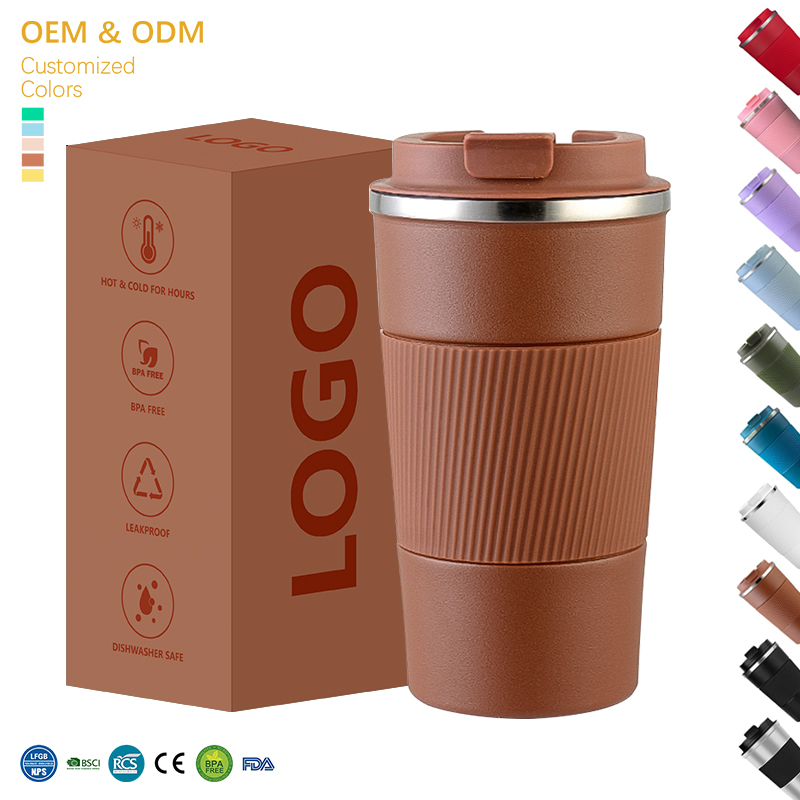
Temperature retention is one of the most critical performance metrics for any travel mug, yet the variation in how long different travel mugs keep beverages at optimal temperatures remains a puzzle for many consumers. A travel mug purchased from one manufacturer might maintain heat for six hours, while another travel mug from a different brand keeps drinks hot for only three hours. Understanding why travel mugs perform so differently helps you make informed purchasing decisions and select a travel mug that genuinely meets your needs.
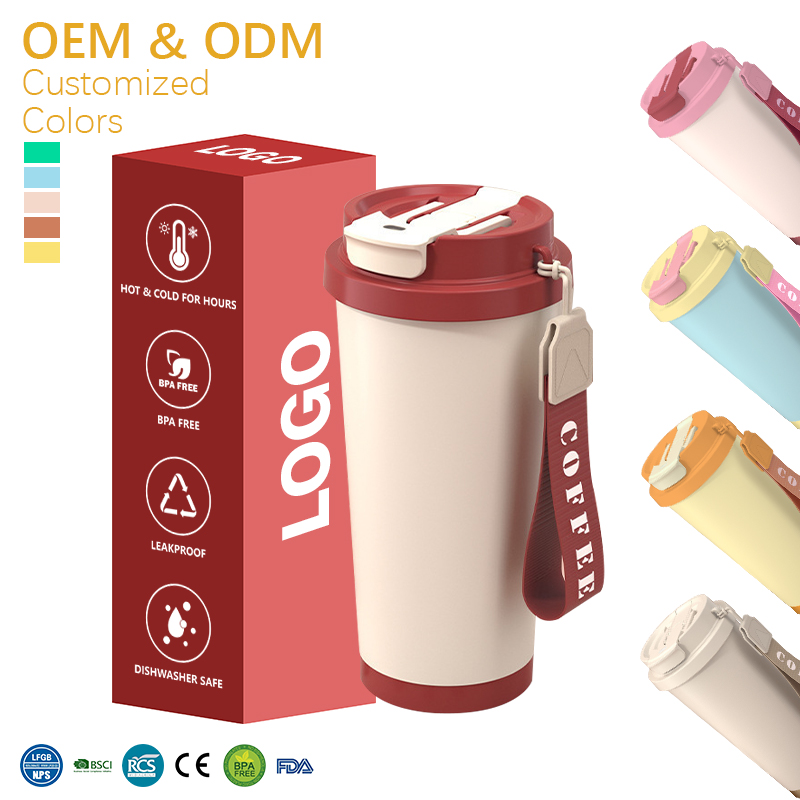
The difference in performance between travel mug models comes down to fundamental engineering choices that manufacturers make during design and production. A travel mug with superior insulation technology will dramatically outperform basic alternatives, and this isn't simply marketing language. The science behind travel mug temperature retention involves multiple interconnected factors, from the core insulation method to lid design to material thickness. By exploring these variables, you'll understand exactly what separates an exceptional travel mug from an ordinary one.
Insulation Technology and Core Construction
Vacuum Insulation as the Foundation
The most significant factor determining travel mug performance is the insulation method used in the core design. A travel mug employing vacuum insulation technology creates an airless space between the inner and outer walls, which dramatically reduces heat transfer through conduction and convection. This travel mug design principle is the gold standard because vacuum essentially eliminates the medium through which heat normally travels. Without air molecules to carry thermal energy, a vacuum-insulated travel mug maintains temperature far more effectively than alternatives. High-quality travel mug manufacturers invest in precision manufacturing to maintain this vacuum seal throughout the product's lifespan.
Wall Thickness and Stainless Steel Grade
The thickness of the walls in your travel mug directly correlates with insulation effectiveness. A travel mug with thicker walls generally performs better because additional material provides more thermal resistance. Additionally, the grade of stainless steel used in travel mug construction affects temperature retention. Premium-grade stainless steel in a quality travel mug resists corrosion and maintains structural integrity over years of use, while lower-grade materials can degrade and compromise the insulation layer. Many budget travel mug options use thinner walls and lower-grade materials to reduce manufacturing costs, which inevitably leads to poor temperature retention performance.
Lid Design and Seal Integrity
Lid Seal Quality and Gap Minimization
The lid represents a critical weak point in any travel mug's thermal performance. Even a travel mug with perfect insulation will lose heat rapidly if the lid allows steam or cold air to escape. A travel mug with a precision-engineered lid uses multiple sealing layers to create an airtight barrier. The rubber gasket in a premium travel mug fits precisely into the lid housing, minimizing any gap where warm vapor could escape. Many cheaper travel mug designs use loose-fitting lids that allow continuous heat loss regardless of how well-insulated the body is. The difference between a well-sealed travel mug and a poorly designed one can account for two to three hours of temperature retention variation.
Heat Loss Through the Lid Opening
Beyond the seal, the physical design of the drinking opening affects temperature retention in a travel mug. A travel mug with a smaller opening and a sliding or rotating lid cover reduces exposure to ambient air. Each time you open a travel mug, you introduce cooler air and allow thermal energy to escape. Some premium travel mug designs minimize this through engineered caps that create a vapor lock, preventing heat escape even when the lid is briefly opened. A travel mug with poor lid engineering loses temperature rapidly with each use, compounding heat loss throughout the day.
Material Composition and Interior Coatings
Double-Wall Construction Variations
Not all double-wall travel mug designs are equivalent. A travel mug might feature double walls but lack the vacuum layer that makes premium insulation effective. The space between walls in some budget travel mug products contains trapped air rather than true vacuum, which provides minimal thermal protection compared to a properly manufactured travel mug with vacuum technology. Additionally, the quality of the weld between inner and outer walls affects how long your travel mug maintains temperature. A travel mug with weak welds allows air to gradually seep into the insulation space, degrading performance over time.
Interior Coatings and Surface Properties
The interior surface coating of a travel mug influences both temperature retention and durability. A travel mug with a non-reactive coating prevents beverage flavors from being affected by the container material. High-quality travel mug coatings also reduce the rate of heat transfer through the inner wall. Some travel mug manufacturers apply specialized thermal coatings that further enhance insulation properties, though these typically add to the cost of the travel mug. Budget travel mug options often lack these additional coatings, relying solely on the base stainless steel, which provides less thermal protection than a travel mug with enhanced interior surface treatments.
Environmental and Usage Variables
How External Temperature Affects Travel Mug Performance
While travel mug design determines thermal efficiency, external environmental conditions also influence how long your travel mug keeps beverages at desired temperatures. A travel mug used in winter maintains heat better than the same travel mug used in summer because the temperature differential is smaller. The insulation capability of any travel mug remains constant, but the external temperature gradient drives the rate of heat transfer. A travel mug filled with boiling water in a freezing environment will cool more quickly than an identical travel mug in mild conditions. This explains why the same travel mug might perform differently depending on seasonal changes and geographic location.
Impact of Lid Removal and Beverage Agitation
User behavior significantly affects how effectively a travel mug maintains temperature. Frequent opening of your travel mug introduces ambient air and causes rapid temperature loss at the surface of the beverage. Physically stirring or shaking your travel mug accelerates internal mixing and increases the surface area exposed to the inner walls, accelerating heat transfer. A travel mug kept sealed and undisturbed maintains temperature far longer than a travel mug that's opened frequently or agitated during transport. This explains why identical travel mug models may show different real-world performance depending on how users interact with them.
Comparative Performance Standards
Industrial Testing and Temperature Retention Metrics
Manufacturers test travel mug performance using standardized protocols that measure how long a travel mug maintains specific temperature thresholds. A travel mug might be rated to keep beverages above 140°F for six hours, while another travel mug only maintains 130°F for three hours. These specifications reflect the genuine differences in travel mug engineering and insulation quality. Premium travel mug products often publish transparent testing data, while budget travel mug options may provide vague claims without substantiation. When comparing travel mug options, requesting or researching actual thermal performance data reveals why price differences exist and which travel mug represents genuine value.
Long-Term Durability and Sustained Performance
A travel mug's temperature retention capability can degrade over time if insulation integrity is compromised. A high-quality travel mug with durable welds and sealed vacuum chambers maintains performance for years. A cheaper travel mug might show acceptable performance initially but experiences declining thermal efficiency as the seal weakens or air infiltrates the insulation space. Evaluating a travel mug's construction quality predicts not just initial performance but sustained effectiveness throughout the product's lifespan. This distinction explains why investing in a well-engineered travel mug often proves more economical than repeatedly replacing inferior alternatives.
FAQ
Why does one travel mug keep drinks hot longer than another?
Temperature retention differences stem from insulation technology, wall thickness, material quality, and lid design. A travel mug with true vacuum insulation, thick stainless steel walls, precision-engineered seals, and multiple lid layers will outperform a budget travel mug with basic construction. The insulation method is the primary determinant, but every component contributes to overall thermal performance.
Does a travel mug's size affect how long it maintains temperature?
Larger travel mug models generally maintain temperature longer than smaller ones because the volume-to-surface-area ratio works in their favor. A travel mug with more liquid requires more thermal energy to cool completely. However, this advantage only applies when comparing identical travel mug designs and insulation technologies. A premium small travel mug will outperform a budget large travel mug due to superior construction.
Can you improve a travel mug's temperature retention after purchase?
Limited options exist for upgrading an existing travel mug's thermal performance. You can preheating or precool your travel mug before use, replace a damaged lid seal, or wrap the exterior with additional insulation. However, the core insulation performance of your travel mug is determined during manufacturing and cannot be fundamentally altered. Preventative care extends the life of your travel mug's existing insulation, but purchasing a quality travel mug from the start remains the most effective approach.