
 EN
EN
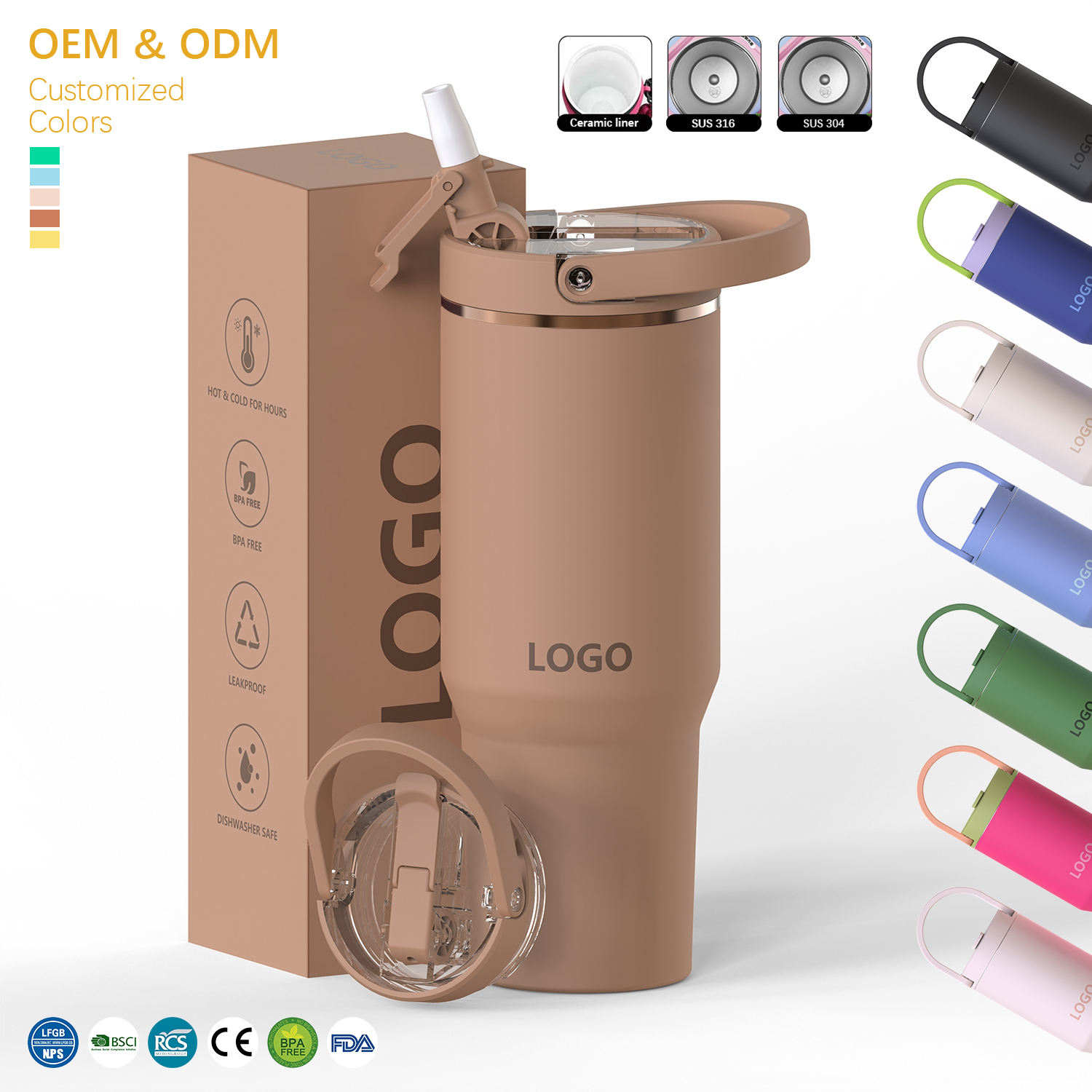
The choice of lid design fundamentally shapes how effectively a travel mug prevents spills during daily commutes, office work, and active lifestyles. Whether you're navigating rush-hour traffic, climbing stairs in a busy office building, or exercising with your beverage in hand, the lid mechanism directly impacts whether your drink stays contained or ends up on your clothes and car upholstery. Understanding how different lid types work reveals why some travel mug designs excel at spill prevention while others fail under real-world conditions.
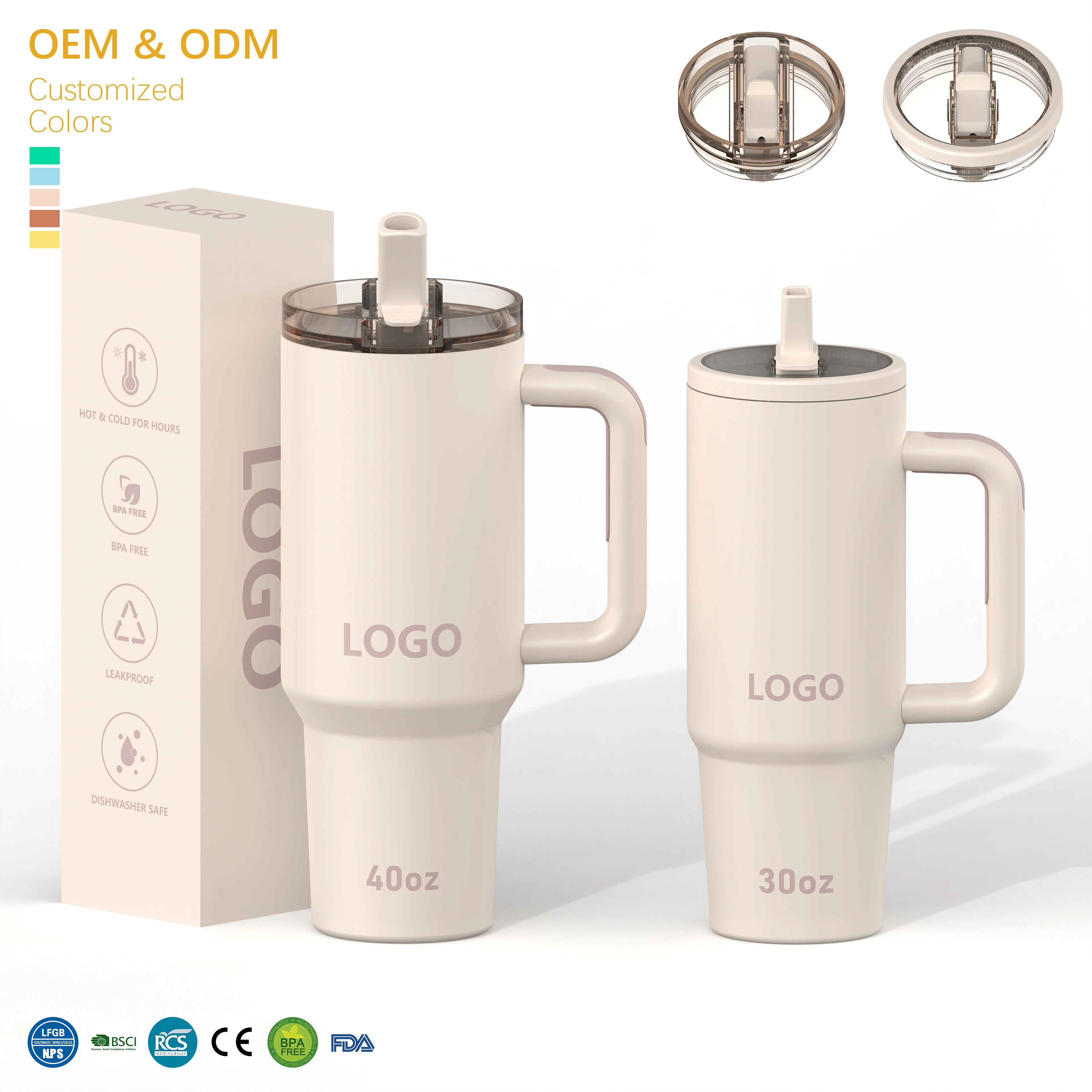
A well-engineered travel mug must balance accessibility with security. You need quick access to your drink without removing the entire lid, yet the mechanism must remain tight enough to handle jostling, temperature changes, and pressure variations. Modern travel mug lid technology has evolved significantly beyond simple screw-top designs, incorporating multiple sealing surfaces, one-handed operation features, and pressure-release systems that address real consumer frustrations. This article explores how specific lid types influence spill prevention and helps you select the right travel mug for your lifestyle.
Screw-Top Lids and Traditional Sealing Design
How Screw-Top Travel Mug Lids Function
Screw-top lids represent the foundational travel mug design, relying on threaded connections between the lid and the mug body to create a seal. When you twist the lid onto a travel mug body, the threads compress an internal gasket or rubber ring against the rim of the mug, blocking liquid from escaping. This simple mechanism has remained popular because it requires no moving parts, produces no mechanical failures, and costs relatively little to manufacture. The travel mug screw-top works through pure mechanical pressure, making it predictable and user-friendly for most consumers.
The effectiveness of a screw-top travel mug depends heavily on gasket material and thread precision. Silicone gaskets provide flexible sealing surfaces that accommodate minor irregularities in the mug rim, while cheap rubber alternatives degrade quickly under temperature stress. A well-designed travel mug with a quality gasket can remain leak-proof for years, but a poorly manufactured model may fail within months. The threads themselves must be cut precisely so that tightening the lid creates even pressure around the entire circumference of the travel mug, preventing weak spots where liquid could escape.
Limitations of Simple Screw-Top Travel Mug Design
Screw-top travel mug designs have inherent vulnerabilities under certain conditions. If you accidentally overtighten the lid, you risk cracking the threads or damaging the gasket beyond recovery, creating a permanently leaking travel mug. Conversely, if you fail to tighten the lid fully, even one complete rotation short of complete engagement allows seepage. The travel mug screw-top also requires two-handed operation—one hand to hold the mug steady, one to turn the lid—making it impractical for drivers, cyclists, or anyone managing multiple tasks simultaneously.
Environmental factors further challenge basic screw-top travel mug performance. Temperature fluctuations cause the mug material and the lid material to expand and contract at different rates, potentially loosening the seal over time. Pressure changes during air travel or altitude changes can force liquid past the gasket. Additionally, residual liquid along the threads gradually corrodes gasket material, reducing seal effectiveness with each cycle of use. A simple travel mug screw-top design handles routine use adequately but struggles with demanding real-world scenarios.
Flip-Top and One-Handed Operation Lids
Mechanism and Convenience Benefits of Travel Mug Flip Tops
Flip-top travel mug lids introduced a revolutionary convenience feature: drinking without removing the entire lid from the mug. These designs incorporate a hinged flap that covers the drink opening, which users lift or push to create a sipping passage while leaving the main seal intact. This travel mug lid type allows one-handed operation, making it ideal for situations where your other hand is occupied steering a vehicle, holding files, or managing other tasks. The flip-top mechanism keeps most of the sealed container intact while providing quick beverage access, representing a significant usability improvement over traditional screw-top travel mug designs.
The internal design of a high-quality flip-top travel mug features a separate sealing gasket around the drinking spout, creating a dual-seal system. When you close the flip-top, two seal points engage simultaneously: the main lid-to-mug connection and the spout gasket closure. This travel mug design redundancy means that even if one seal weakens slightly, the other maintains containment. Premium flip-top travel mug models include spring-loaded mechanisms that automatically close the cover after you release it, removing the possibility of forgetting to close the flap and then tilting the mug.
Spill Prevention Trade-offs in Travel Mug Flip-Top Designs
While flip-top travel mug lids offer convenience, they introduce complexity that can compromise spill prevention under certain conditions. The hinged flap creates an additional mechanical component that can wear, crack, or fail to seal properly over time. If the spring-loaded mechanism weakens, the flap remains partially open even when you assume it has closed, creating a potential spill point. A damaged flip-top travel mug lid cannot simply be tightened like a screw-top; the entire component typically requires replacement.
The spout opening on flip-top travel mug designs is inherently larger than the sealed opening on screw-top models, meaning that even a minor seal failure allows more rapid liquid escape. Aggressive shaking or tilting of a flip-top travel mug can force liquid past a weakened spout seal more easily than with a traditional threaded design. Many users also struggle with the habit of checking whether their flip-top travel mug lid properly closed before storing it in a backpack or car cup holder, resulting in preventable spills from neglect rather than design failure.
Pressure-Seal and Valve-Based Travel Mug Lids
How Pressure-Release Valves Protect Travel Mug Integrity
Advanced travel mug lid designs incorporate pressure-release valves that actively manage internal pressure, preventing spills caused by pressure buildup during temperature changes or altitude variations. These travel mug systems include a small valve mechanism that allows air to escape when internal pressure exceeds atmospheric pressure, but maintains a seal under normal conditions. This feature proves particularly valuable for insulated travel mug models that experience rapid temperature changes, as hot liquid generates steam pressure that could force seepage past a simple seal.
A properly functioning pressure-release valve in a travel mug makes the container dramatically more reliable during air travel, altitude changes, or when transitioning a hot beverage from a warm car into a cold outdoor environment. The travel mug stays sealed during these pressure variations rather than leaking along the lid seams or spout connection. Professional commuters and frequent travelers strongly prefer travel mug models with pressure-release technology because they eliminate the guesswork and frustration of discovering leaks in packed luggage or car interiors. This travel mug design innovation transforms the container from a risky proposition to a trustworthy companion.
Complexity and Maintenance Considerations for Advanced Travel Mug Lids
Pressure-release valve systems in a travel mug add mechanical complexity that requires proper maintenance to function reliably. The valve components must be disassembled and cleaned regularly to prevent mineral buildup or debris from clogging the mechanism. A partially clogged pressure valve in a travel mug can fail to open when needed, rebuilding dangerous internal pressure, or fail to close afterward, creating the very leak it was designed to prevent. Users must follow manufacturer cleaning instructions carefully or risk degrading their travel mug performance.
The cost of a travel mug with pressure-seal technology typically exceeds that of simpler flip-top or screw-top models, and replacement lids for these advanced systems are more expensive than basic alternatives. Some users also find that pressure-valve travel mug designs are heavier or bulkier than minimalist screw-top models, which matters if you carry multiple beverages or prioritize lightweight portability. Despite these trade-offs, the spill prevention reliability of a well-maintained pressure-seal travel mug justifies the investment for users whose lives demand guaranteed leak-free performance.
Seal Quality and Material Science in Travel Mug Lids
Gasket Materials and Their Impact on Travel Mug Sealing
The gasket material used in any travel mug lid design significantly determines real-world performance and longevity. Silicone gaskets remain the industry standard for travel mug seals because silicone maintains flexibility across wide temperature ranges, resists degradation from coffee oils and acids, and creates dependable compression seals in threaded or snap-fit travel mug connections. Premium travel mug brands invest in food-grade silicone that never hardens or cracks, whereas budget travel mug models sometimes substitute cheaper synthetic rubber that becomes brittle within months.
The thickness and shape of the gasket within a travel mug lid also influences seal effectiveness. A thicker gasket creates higher compression force when the lid tightens, improving the travel mug seal under pressure, but excessive thickness makes tightening difficult for users with limited hand strength. Gasket geometry matters too—conical or wedge-shaped gaskets distribute pressure more evenly than flat designs, making the travel mug more reliable across a range of tightening forces. The best travel mug designs incorporate thoughtfully engineered gaskets that balance user-friendliness with absolute spill prevention.
Surface Finish and Rim Design Effects on Travel Mug Performance
The mug rim surface where the lid gasket makes contact determines whether a travel mug achieves an effective seal. Precision machining creates smooth, flat rim surfaces that gaskets compress against uniformly, while poorly finished rims feature micro-scratches or roughness that create tiny leak paths. A premium travel mug manufacturer invests in honing processes that produce glass-smooth rims where gaskets seat perfectly, whereas budget travel mug production sometimes skips this step entirely. The difference in rim quality directly translates to spill prevention reliability in real-world use.
The outer edge of the travel mug rim also plays a critical role in lid engagement. Beveled or chamfered edges help guide the lid onto the rim and distribute compression forces, while sharp edges can catch and damage gaskets during installation or removal. A thoughtfully designed travel mug rim edge ensures that gaskets remain undamaged across hundreds of cycles of lid removal and replacement, whereas poor rim design degrades gasket integrity quickly. This seemingly minor detail separates travel mug models that remain leak-free for years from those that fail within months despite using identical gasket materials.
Real-World Testing and Performance Variables
Practical Scenarios Where Travel Mug Lid Design Proves Critical
Commuter vehicles represent one of the most demanding environments for travel mug performance, with acceleration, braking, and road vibration constantly challenging seal integrity. An effective travel mug must maintain its seal during sudden stops, sharp turns, and bumpy road surfaces without depending on the user to hold the container upright or steady. Professional drivers, delivery personnel, and rideshare operators demand travel mug reliability because liquid spills create safety hazards and ruin vehicle interiors. The best travel mug designs have proven their performance in these high-stress, high-stakes scenarios.
Backpack and gym bag transport creates additional spill prevention challenges for a travel mug. When thrown casually into a bag alongside other items, compressed between books or workout equipment, or carried upside down without the user's knowledge, a travel mug must maintain complete containment. Pressure changes inside packed bags, temperature variations from sun exposure, and physical jostling all stress seal performance. A reliable travel mug designed for this use case incorporates redundant sealing, sturdy construction, and pressure-relief systems that prevent catastrophic failures.
Temperature Fluctuations and Their Effects on Travel Mug Lid Seals
Hot beverages create steam pressure inside a sealed travel mug, and if the internal pressure exceeds what the seal can contain, leakage becomes inevitable. A basic travel mug screw-top filled with near-boiling liquid immediately experiences pressure buildup that may exceed gasket sealing capacity, especially if the mug was sealed while the contents cooled partially. Premium travel mug designs accommodate this pressure surge through pressure-relief valves or vents that allow safe gas escape without compromising liquid containment. Understanding your travel mug's pressure limits helps prevent spills caused by thermal expansion rather than seal degradation.
Rapid cooling creates equally challenging conditions for a travel mug seal. When a hot beverage cools, internal pressure drops below atmospheric pressure, creating a vacuum that can actually pull liquid around seal points or cause the lid to become stuck. A travel mug with travel mug pressure-management features handles these thermal cycles gracefully, allowing air exchange to equalize pressure without creating suction or pressure spikes. This thermal stability marks the difference between a travel mug that leaks from temperature stress and one that performs consistently regardless of beverage temperature.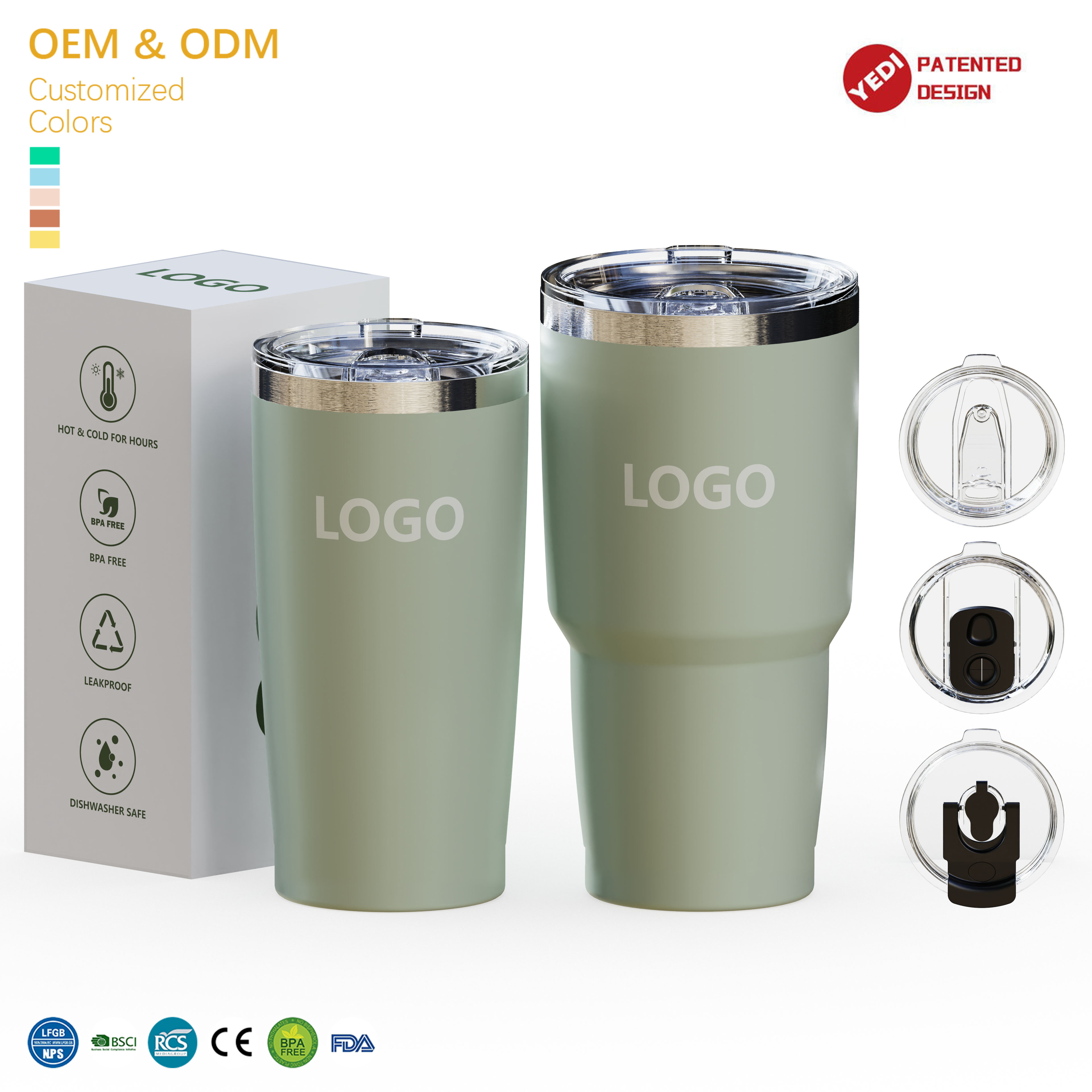
FAQ
Which lid type offers the best spill prevention for daily commuters?
Pressure-seal travel mug lids with valve-based systems provide superior spill prevention for commuters because they actively manage internal pressure during acceleration, braking, and temperature changes. However, flip-top travel mug designs with quality spring-loaded mechanisms offer excellent practical performance with simpler maintenance and easier one-handed operation. Choose based on whether you prioritize maximum reliability or daily convenience—both travel mug types can deliver excellent spill prevention when manufactured with quality materials and precision engineering.
How often should I replace the gasket in my travel mug lid?
A high-quality travel mug gasket typically remains effective for 1-2 years of daily use with proper care, meaning you should replace it before it begins degrading noticeably. Signs that your travel mug gasket needs replacement include persistent seeping even when the lid is tightened fully, visible cracking or hardening of the gasket material, or a coffee stain ring that won't wash away. Many travel mug manufacturers offer replacement lid kits or gasket-only options that cost significantly less than purchasing an entire new travel mug, making maintenance affordable and environmentally responsible.
Can a travel mug lid fail suddenly or does it degrade gradually?
Most travel mug lids degrade gradually through repeated compression cycles, temperature exposure, and material fatigue, giving you warning signs like occasional seeping before complete failure. However, sudden failures can occur if you overtighten a screw-top travel mug lid and crack the threads, or if debris gets lodged in a pressure-relief valve mechanism. Monitoring your travel mug performance regularly and replacing damaged or worn lids before they fail prevents disappointing spills. Maintaining your travel mug lid through gentle handling and proper cleaning extends its functional lifespan and keeps your commute dry.