
 EN
EN
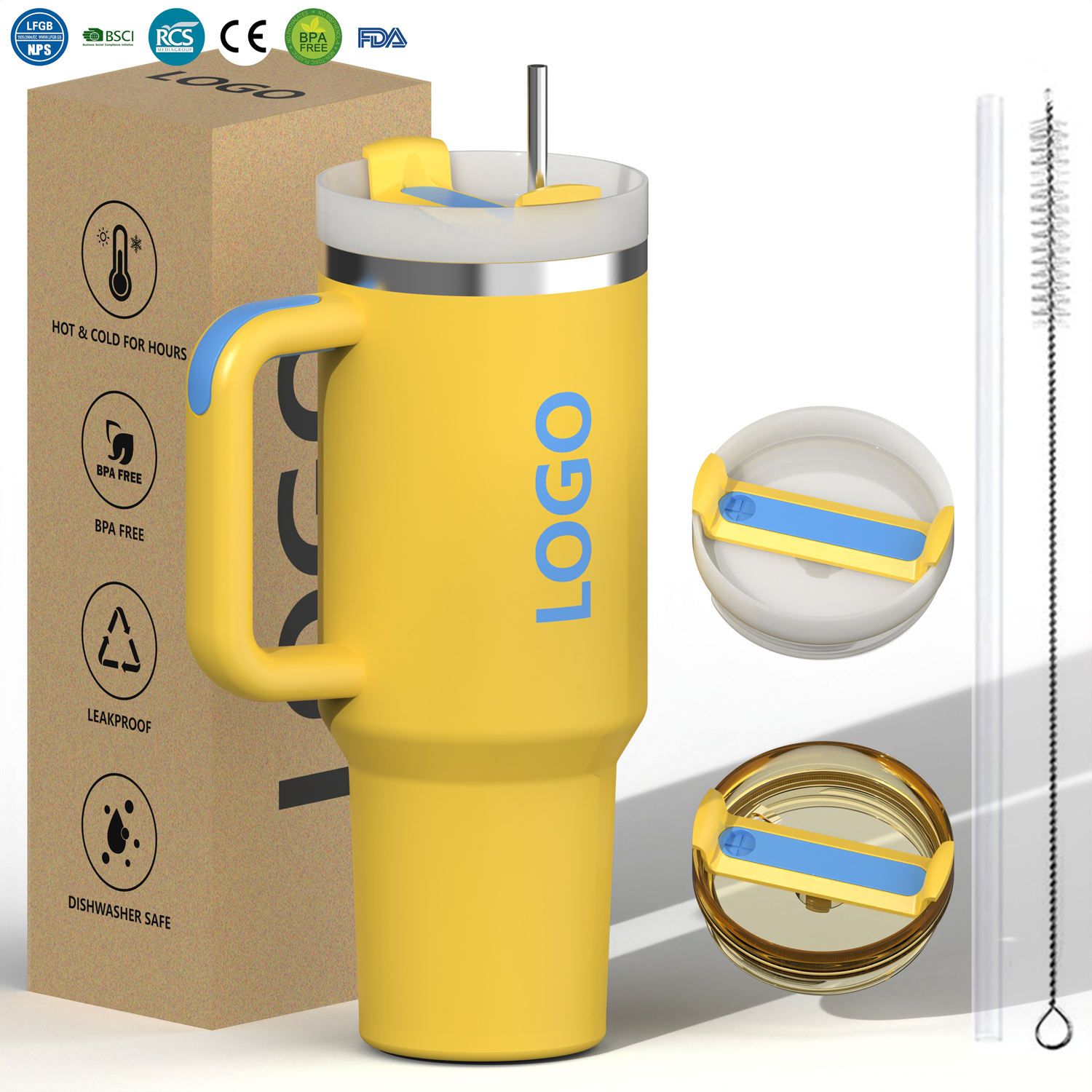
Den termiska verkningsgraden för en 20 oz-termobägare beror i grunden på hur dess isoleringsteknik och fysiska form samverkar för att minimera värmeöverföring och maximera bevarandet av dryckens temperatur. Att förstå denna samverkan mellan designelement hjälper till att förklara varför vissa termobägarkonfigurationer presterar bättre än andra när det gäller att bibehålla idealiska dricktemperaturer under längre perioder.
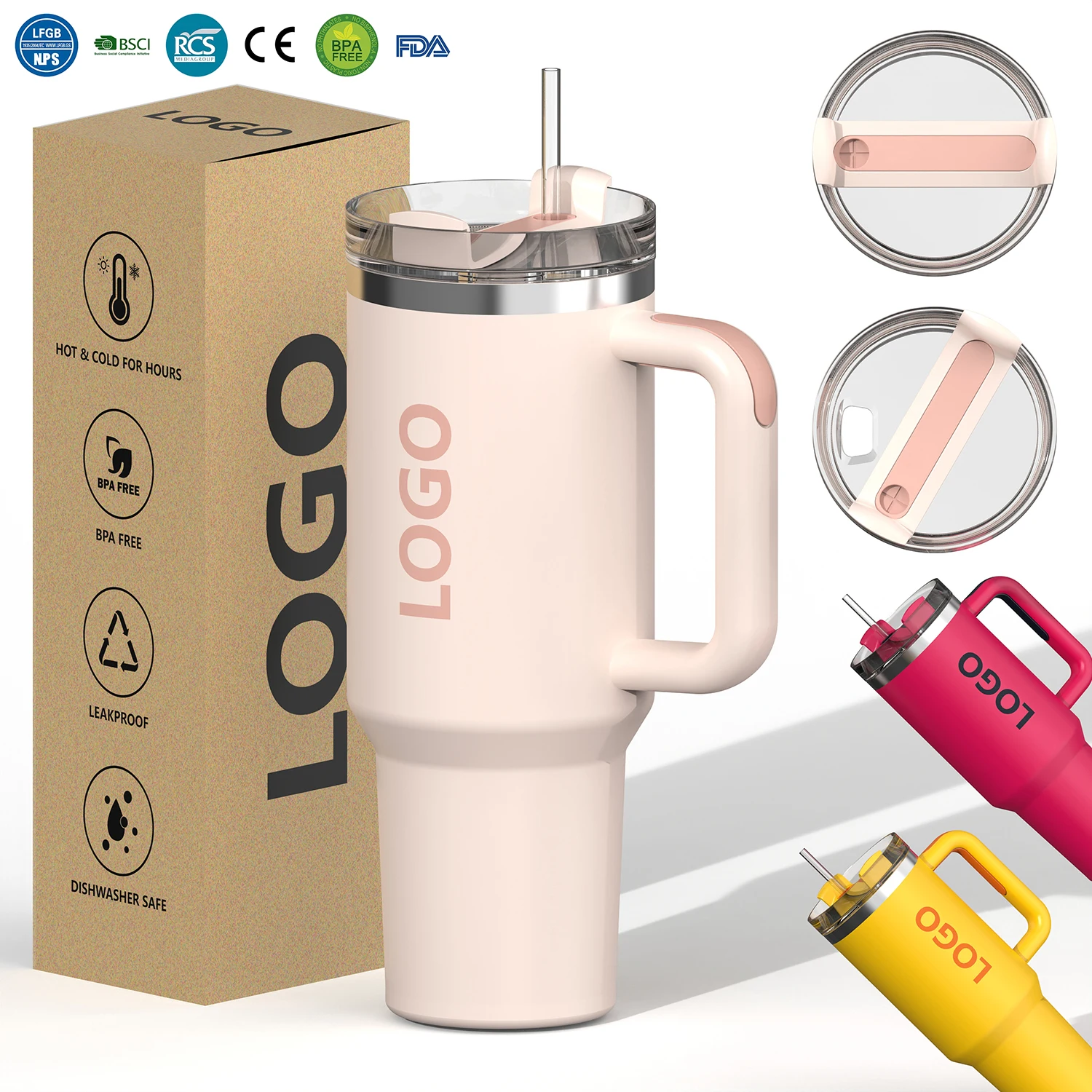
Modern effektivitet hos 20 oz-termobägare uppstår genom noggrann integration av vakuumisoleringssystem med strategiskt utformade geometriska profiler som minskar termisk brobildning och optimerar ytförhållandena. Denna kombination skapar ett termiskt barriärsystem som avsevärt förlänger bevarandet av dryckens temperatur jämfört med enfaldiga alternativ eller dåligt utformade isolerade behållare.
Vetenskapen bakom vakuumisolering i designen av 20 oz-termobägare
Teknik för dubbelväggad vakuumkammare
Grunden för effektiv termisk prestanda hos en 20 oz-termobägare ligger i dubbelväggad vakuumisolering, där två väggar av rostfritt stål skapar en förseglad kammare med reducerat lufttryck. Denna vakuumkammare eliminerar konvektiv värmeöverföring, vilket vanligtvis står för den största delen av temperaturförlusten i dryckesbehållare. Vakuumkammaren fungerar som en osynlig termisk barriär som förhindrar att varma drycker svalnar snabbt och att kalla drycker värms upp snabbt.
Kvalitetsfull vakuumisolering i en 20 oz-termobägare upprätthåller vakuumnivåer under 10^-3 Torr, vilket skapar nästan perfekt termisk isolering mellan den inre och den yttre väggen. Denna vakuumtrycksnivå säkerställer minimal molekylär aktivitet inom kammaren och stoppar effektivt värmeledning genom luftmolekyler, vilket annars skulle underlätta snabb utbyten av temperatur med omgivningen.
Hållbarheten hos vakuumisolering påverkar direkt den långsiktiga effektiviteten för 20 oz-termosar, eftersom varje brist i den försegla kammaren omedelbart minskar den termiska prestandan. Premiumtillverkningsprocesser säkerställer konstanta vakuumnivåer och förhindrar mikroläckningar som gradvis kan minska isoleringens effektivitet över tid.
Eliminering av termiska broar genom design
En effektiv design för 20 oz-termosar minimerar termiska broar genom att begränsa direkt metall-till-metall-kontakt mellan inner- och ytterväggarna. Strategiskt placerade anslutningspunkter, vanligtvis endast i kantområdet, minskar ledande värmpathar samtidigt som strukturell integritet bevaras. Denna metod förhindrar bildandet av termiska genvägar som skulle kringgå vakuumisoleringssystemet.
Avancerad 20 oz-iskanna med konstruktion som använder svetstekniker som skapar minimala värmebryggor samtidigt som fullständig vakuumtäthet säkerställs. Ju färre anslutningspunkter mellan väggarna, desto bättre är den termiska isoleringen, men tillräckligt många strukturella anslutningar måste förbli kvar för att klara daglig användning och bibehålla dimensionsstabilitet.
Materialvalet för områden med värmebryggor fokuserar på metaller med lägre värmeledningskoefficienter, vilket ytterligare minskar värmeöverföringen genom oundvikliga anslutningspunkter. Denna noggranna uppmärksamhet på detaljerna i värmebryggdesignen förbättrar avsevärt den totala 20 oz smörgås kopp termiska effektiviteten.
Formoptimering för maximal termisk effektivitet
Påverkan av yta-till-volym-förhållandet
Den cylindriska formen, som är vanlig i designen av 20 oz-termobägare, ger ett optimalt förhållande mellan yta och volym för termisk effektivitet. Denna geometriska relation minimerar den yttre ytan som utsätts for omgivningstemperaturen samtidigt som den inre vätskekapaciteten maximeras. Ett lägre yta-till-volym-förhållande översätts direkt till färre möjligheter till värmeutbyte och förbättrad temperaturhållning.
Jämförande analyser visar att 20 oz-termobägare med längre cylindriska profiler bibehåller temperaturen effektivare än bredare, kortare alternativ med lika stor volymkapacitet. Den vertikala orienteringen minskar exponeringen av den övre ytan, vilket utgör den främsta värmeförlustvägen i de flesta dryckesbehållare på grund av direkt luftkontakt och avdunstning.
Matematisk modellering av termodynamiken för en 20 oz-termos visar att varje 10 % minskning av förhållandet mellan yta och volym kan förbättra temperaturbevaringen med cirka 15–20 % under vanliga användningsperioder. Detta samband förklarar varför cylindriska former dominerar effektiva termosdesigner inom hela branschen.
Fördelar med konisk design för värmebevaring
Många högeffektiva 20 oz-termosdesigner inkluderar en diskret konisk form som minskar öppningens diameter i förhållande till huvudkroppen. Denna formändring skapar en mindre öppningsyta, vilket kraftigt minskar värmeavgången genom den främsta värmespridningsvägen, samtidigt som bekväm drickåtkomst bibehålls.
Den koniska profilen i avancerade 20 oz-termosdesigner främjar också bättre cirkulationsmönster för vätskan, vilket hjälper till att bibehålla en jämn temperaturfördelning genom hela dryckens volym. Riktig cirkulation förhindrar termisk stratifiering, som annars kan ge upphov till varma zoner i kalla drycker eller kyliga zoner i varma drycker.
Undersökningar visar att 20 oz-tumblers med en minskning av övre diametern med 10–15 % jämfört med huvudkroppen uppnår 25–30 % bättre temperaturhållning utan att kompromissa med användarupplevelsen. Denna formoptimering utgör en av de mest effektiva passiva strategierna för termisk hantering inom tumblerns konstruktion.
Materialens egenskaper och deras roll för kombinerad effektivitet
Termiska egenskaper hos rostfritt stål
Materialvalet för tillverkning av 20 oz-tumblern påverkar i hög grad hur isolering och form samverkar för att uppnå optimal effektivitet. Rostfritt stål av hög kvalitet ger utmärkt korrosionsbeständighet samtidigt som det erbjuder kontrollerad värmeledningsförmåga, vilket stödjer effektiva vakuumisoleringssystem. De termiska egenskaperna hos rostfritt stål möjliggör snabb temperaturjämnning inom den inre väggen, samtidigt som värmeöverföring till yttre ytan förhindras.
Matgradigt rostfritt stål som används vid tillverkning av kvalitetsvattenflaskor på 20 oz visar värmeledningsvärden på ca 16 W/m·K, vilket ger tillräcklig värmedistribution i drycken samtidigt som det stödjer effektiv termisk isolering genom vakuumkammare. Denna balans säkerställer en konstant dryckestemperatur utan att skapa varma fläckar eller temperaturgradienter som kan påverka drickupplevet.
Hållbarhetskaraktäristikerna hos rostfritt stål kompletterar kombinationen av form och isoleringseffektivitet genom att bibehålla strukturell integritet under termisk cykling. En vattenflaska på 20 oz utsätts för upprepad utvidgning och kontraktion, vilket kan försämra vakuumförseglingar eller skapa termiska broar om material av lägre kvalitet användes.
Effekter av beläggning och ytbearbetning
Ytbehandlingar på 20 oz-iskopparnas yttre ytor kan påverka termiska effekten avsevärt genom att ändra utstrålningsegenskaper och reflektionsförmåga. Beläggningar med låg utstrålning minskar värmeöverföring via strålning, medan reflekterande ytor minimerar solvärmeupptag när iskoppen utsätts för direkt solljus eller högtempererade miljöer.
Ytbehandlingar på insidan i högpresterande 20 oz-iskoppar är utformade för att bibehålla släta, icke-reaktiva ytor som främjar jämn temperaturfördelning och förhindrar termiska döda zoner. Dessa behandlingar fungerar i samverkan med optimerade former för att säkerställa maximal termisk effektivitet genom hela dryckesvolymen.
Avancerade 20 oz-iskoppsdesigner kan inkludera selektiva ytbehandlingar som förbättrar den termiska prestandan i specifika områden utan att försämra estetiken. Dessa ingenjörsmässiga tillvägagångssätt visar hur materialvetenskap stödjer det grundläggande sambandet mellan form och isoleringsverkningsgrad.
Verkliga prestandaapplikationer och användningsscenarier
Användning i kontors- och yrkesmässiga miljöer
I yrkesmässiga sammanhang blir effektiviteten hos en 20 oz-termos avgörande för att bibehålla dryckens kvalitet under längre arbetsperioder. Kombinationen av effektiv isolering och optimerad form säkerställer att morgonkaffet behåller en idealisk dricktemperatur i 3–4 timmar, medan kalla drycker på eftermiddagen förblir fräscha utan kondensationsproblem som kan skada elektronik eller dokument.
Formoptimeringen i professionella 20 oz-termosdesigner möjliggör platsbesparande förvaring på skrivbordet samtidigt som den maximala termiska prestandan bibehålls. Cylindriska profiler med måttlig höjd gör det lätt att förvara dem i kopphållare och skrivbordsorganisatörer, samtidigt som de behåller de fördelar med yta som krävs för termisk effektivitet.
Yrkesanvändare drar särskilt nytta av 20 oz. termobägares design som minimerar överföring av yttre temperatur, vilket förhindrar obekvämt handhavande av behållare som innehåller mycket heta eller mycket kalla drycker. Kombinationen av isolering och form säkerställer en bekväm grepptemperatur oavsett innehållets temperatur.
Utomhus- och resenanvändning
Utomhusaktiviteter ställer högre krav på den termiska effektiviteten hos 20 oz. termobägare på grund av extrema omgivningstemperaturer och längre användningsperioder. Kombinationen av vakuumisolering och optimerad form blir avgörande för att bibehålla både säkerhet och smak hos dryckerna i utmanande miljöförhållanden.
Resesituationer kräver 20 oz. termobägaredesigner som bibehåller sin effektivitet trots vibrationer, temperaturcykler och varierande placering. Integrationen av form och isolering måste förbli effektiv oavsett om termobägaren står upprätt i en kopphållare, ligger horisontellt i bagaget eller utsätts för de temperaturvariationer som är vanliga vid förvaring i fordon.
Utökade utomhusprov visar att välkonstruerade 20 oz-termosar med kombinationer av isolering och form kan bibehålla dryckens temperatur inom acceptabla intervall i 8–12 timmar, även under utmanande omgivningsförhållanden. Denna prestandanivå stödjer aktiviteter utomhus hela dagen utan att påverka dryckens kvalitet.
Underhåll och hållbarhetsöverväganden
Bevara vakuumisoleringens integritet
Långsiktig effektivitet för 20 oz-termosar beror på att vakuumtätheten bibehålls, vilket gör att kombinationen av isolering och form kan fungera effektivt. Regelbunden inspektion efter skador, korrekta rengöringsmetoder samt undvikande av extrema temperaturskockar bidrar till att bevara vakuumkammaren, som är avgörande för termisk effektivitet.
Användare bör undvika att släppa eller påverka sin 20 oz-termos, eftersom fysisk skada kan orsaka mikrospaltningar som undergräver vakuumförseglingen med tiden. Formdesignen hjälper till att skydda kritiska vakuumområden, men försiktig hantering förblir avgörande för att bibehålla optimal termisk prestanda under hela produktens livscykel.
Kvalitetsfulla 20 oz-termosdesigner inkluderar robusta konstruktionsmetoder som motstår försämring av vakuumet, men användarens underhållsrutiner påverkar i hög grad den långsiktiga effektiviteten. Rätt skötsel säkerställer att kombinationen av isolering och form fortsätter att prestera på designnivå under år av regelbunden användning.
Påverkan av rengöring och skötsel på prestanda
Lämpliga rengöringsmetoder bevarar både isoleringssystemet och de formegenskaper som bidrar till effektiviteten hos en 20 oz-termos. Mjuka rengöringsmedel och metoder förhindrar skador på insidoytor och vakuumförseglingar samtidigt som de släta ytor som stödjer optimal termisk prestanda bibehålls.
Formdesignen för kvalitetsmodeller av 20 oz-termobägare underlättar grundlig rengöring utan att kräva hård skur som kan skada komponenter för termisk prestanda. Tillgängliga inre ytor och lämpliga öppningsdimensioner möjliggör effektiv rengöring samtidigt som integriteten i isoleringssystemet bevaras.
Regelbunden underhåll av termiska effektivitetskomponenter i 20 oz-termobägare genom korrekt rengöring och inspektion hjälper till att identifiera potentiella problem innan de påverkar kombinationen av isolerings- och formprestanda. Proaktiv vård förlänger den effektiva livslängden och bibehåller den konstruerade termiska effektivitetsnivån.
Vanliga frågor
Hur länge bör en välkonstruerad 20 oz-termobägare kunna bibehålla dryckens temperatur?
En kvalitetsbägare på 20 oz med korrekt kombinerad isolering och formoptimering bör kunna hålla varma drycker över 60 °C i 4–6 timmar och kalla drycker under 10 °C i 8–12 timmar vid normala omgivningsförhållanden. Prestandan kan variera beroende på den ursprungliga dryckens temperatur, omgivningsförhållandena och användningsmönstret.
Vilka formegenskaper förbättrar termiska effekten hos en 20 oz-bägare mest?
De mest effektiva formerna för en 20 oz-bägare har cylindriska profiler med optimalt höjd-till-bredd-förhållande, minimerade öppningsytor vid toppen och släta inre ytor som främjar jämn temperaturfördelning. Koniska design som minskar öppningens diameter med 10–15 % jämfört med huvudkroppen ger betydande effektivitetsförbättringar.
Kan vakuumisolering förlora effektivitet med tiden i en 20 oz-bägare?
Vakuumisolering kan gradvis förlora sin effektivitet om den förseglade kammaren utvecklar mikro-läckor på grund av fysisk skada, tillverkningsfel eller extrem temperaturcykling. Kvalitetsdesigner av 20 oz-termosar med robust konstruktion behåller vanligtvis vakuumintegriteten i många år vid korrekt skötsel och hantering.
Hur påverkar omgivningstemperaturen effektiviteten hos en 20 oz-termos?
Omgivningstemperaturen skapar den drivande kraften för värmeöverföring, så större temperaturskillnader mellan drycken och omgivningen ökar den termiska belastningen på isoleringssystemet. Dock förblir välkonstruerade kombinationer av 20 oz-termosar effektiva inom vanliga miljötemperaturområden, från frysende förhållanden till het sommerväder.
Innehållsförteckning
- Vetenskapen bakom vakuumisolering i designen av 20 oz-termobägare
- Formoptimering för maximal termisk effektivitet
- Materialens egenskaper och deras roll för kombinerad effektivitet
- Verkliga prestandaapplikationer och användningsscenarier
- Underhåll och hållbarhetsöverväganden
-
Vanliga frågor
- Hur länge bör en välkonstruerad 20 oz-termobägare kunna bibehålla dryckens temperatur?
- Vilka formegenskaper förbättrar termiska effekten hos en 20 oz-bägare mest?
- Kan vakuumisolering förlora effektivitet med tiden i en 20 oz-bägare?
- Hur påverkar omgivningstemperaturen effektiviteten hos en 20 oz-termos?