
 EN
EN
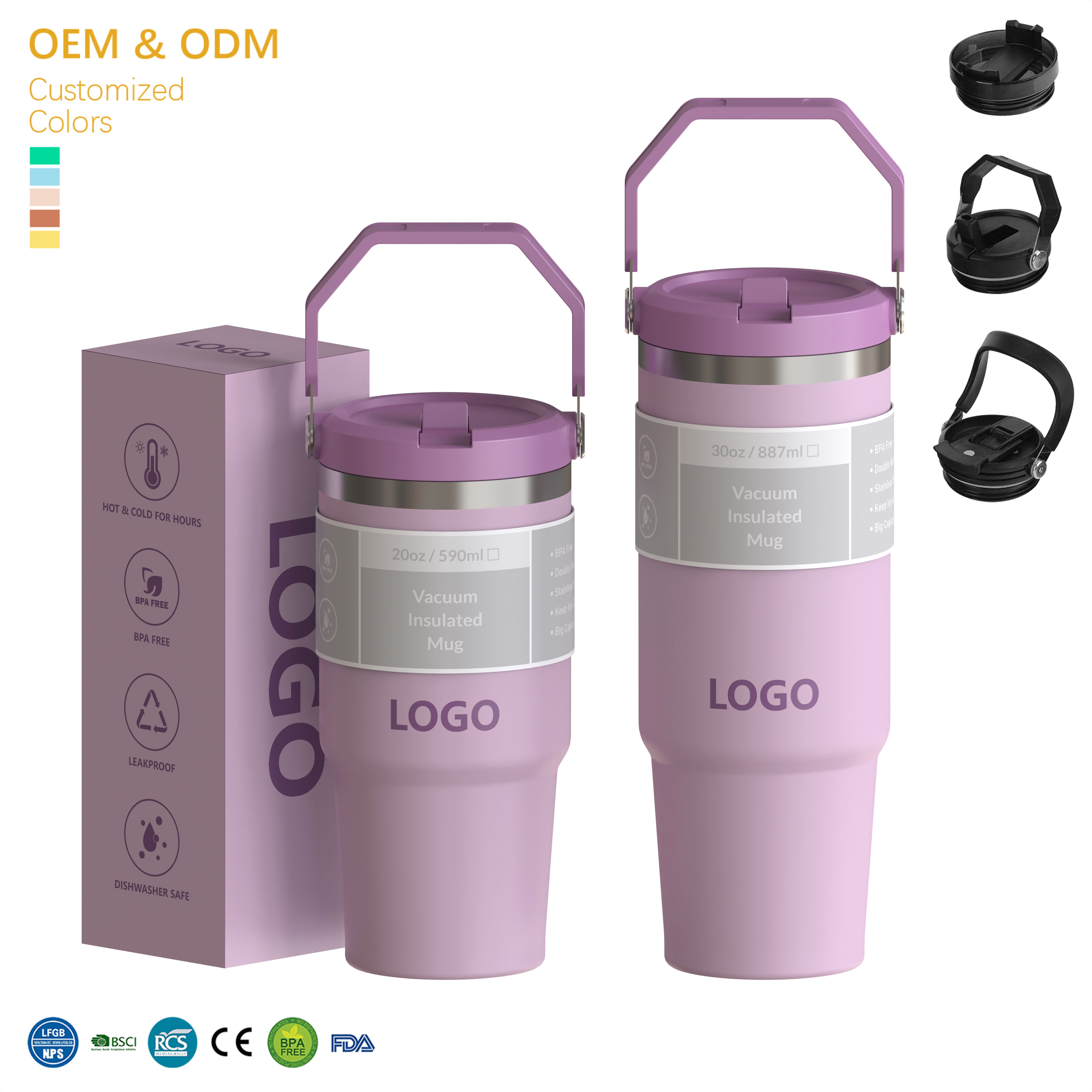
Şərab tumblerinin davamlılığı əsasən onun hazırlanmasında istifadə olunan materiallara bağlıdır, çünki bu materiallar tumblerin gündəlik istifadəyə, temperatur dalğalanmalarına və mühit stressinə qarşı müqavimət göstərmə səviyyəsini müəyyən edir. Davamlılığı artırmaq üçün hansı materialların istifadə olunması lazım olduğunu başa düşmək, görünüşünü və funksionallığını uzun müddət saxlaya bilən, uzunömürlü şərab tumbleri axtaran istehlakçılar üçün vacibdir.
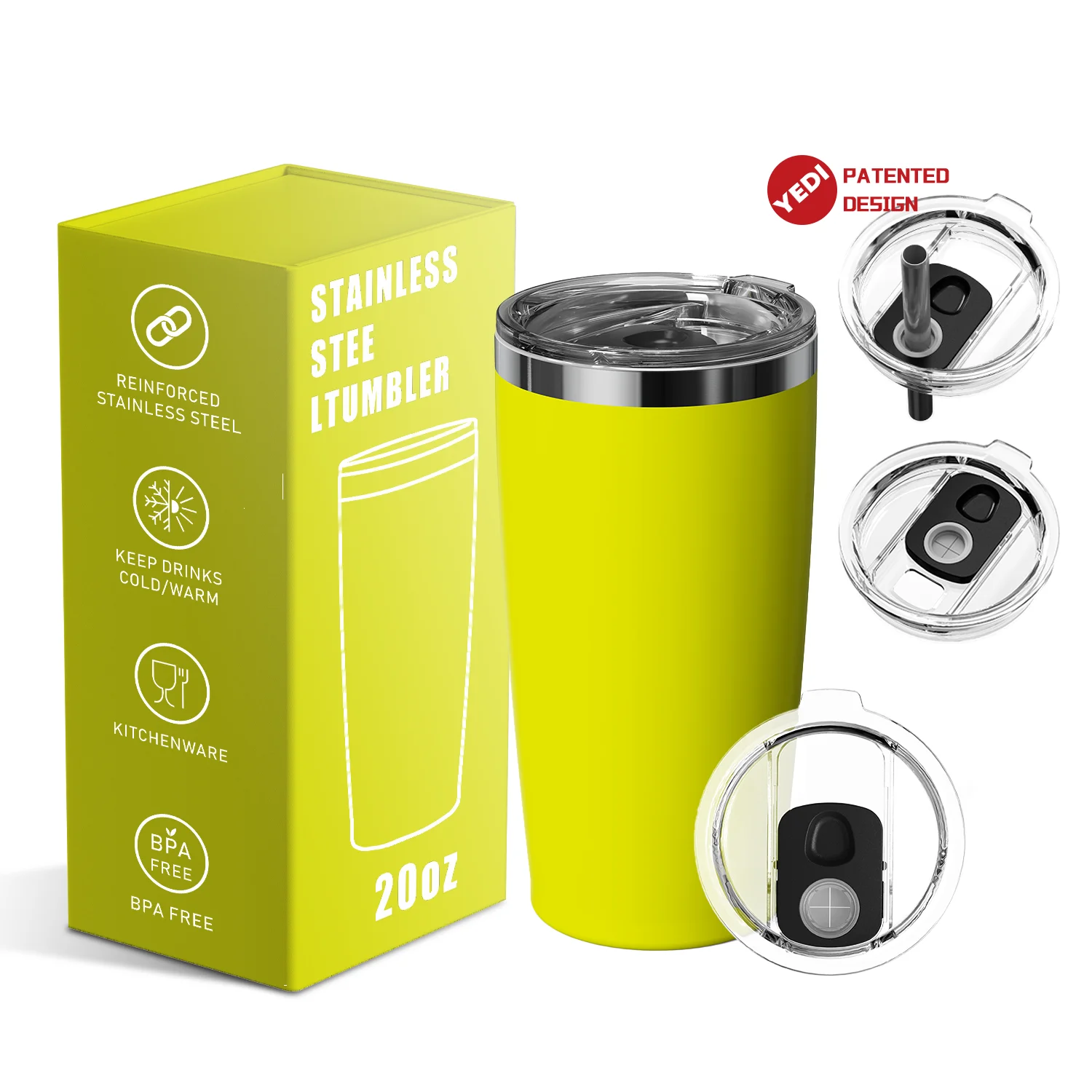
Material seçimi hər bir şərab tumblerinin struktur bütövlüyü, korroziyaya qarşı müqaviməti və termal xüsusiyyətlərini əhəmiyyətli dərəcədə təsirləyir. Premium materiallar yalnız bu içki qablarının ömrünü uzadır, həmçinin müxtəlif istifadə ssenarilərində sabit performans göstərməsini təmin edir; beləliklə, qeyri-rəsmi istifadəçilər üçün də, tumblerlərindən tez-tez istifadə edən şərabsevərlər üçün də bu investisiya haqqındadır.
Paslanmayan Poladdan Hazırlanmış Konstruksiyanın Mükəmməlliyi
Qida Səviyyəli Paslanmayan Poladın Xüsusiyyətləri
Qida səviyyəli paslanmayan polad, xüsusilə 18/8 paslanmayan polad, çox yüksək davamlılıq xüsusiyyətlərinə görə şərab tumblerlərinin hazırlanmasında qızıl standartı təmsil edir. Bu material 18% xrom və 8% nikel ehtiva edir və şərabın turşu birləşmələrinə qarşı korroziyaya davamlı bir ərinti yaradır; beləliklə, material zədələnmir və içkiyə metallı dad vermir.
Xrom miqdarı səthin üzərində passiv oksid təbəqəsi əmələ gətirir ki, bu təbəqə xətt alanda öz-özünə bərpa olunur və paslanma və korroziyaya qarşı davamlı qorunma təmin edir. Bu öz-bərpa xüsusiyyəti keyfiyyətli şərab tumblerinin illər boyu müntəzəm istifadə və yuyulmadan sonra belə struktur bütövlüyünü saxlamasını təmin edir.
Nikel miqdarı materialın plastikliyinə və möhkəmliyinə töhfə verir və şərab tumblerinin tutularkən və daşınarkən dəyirmiləşməyə və deformasiyaya qarşı davamlılığını artırır. Bu elementlərin birləşməsi materiala donma temperaturundan qaynama temperaturuna qədər olan bütün temperatur aralığında molekulyar strukturu pozulmadan sabit performans göstərməyə imkan verir.
İki divarlı vakuum izolasyonunun faydaları
İki divarlı vakuum izolasyon texnologiyası, materialın yorğunluğunu səbəb ola biləcək istilik stresini aradan qaldıraraq paslanmayan polad şərab qablarının davamlılığını əhəmiyyətli dərəcədə artırır. Divarlar arasındakı vakuum istilik ötürülməsinin qarşısını alır, tək divarlı konstruksiyaları tədricən zəiflədən genişlənmə və daralma dövrlərini azaldır.
Bu izolat metodunun xarici səthdə kondensasiya meydana gəlməsinin qarşısını aldığı, şərab qabının görünüşünü və struktur sağlamlığını təsir edə biləcək nəmlə əlaqəli korroziya risklərini aradan qaldırdığı üçün. Kondensasiya olmaması ətraf səthlərə suyun ziyan vurmasını da qarşısını alır və sürüşkən xarici görünüş səbəbindən təsadüfi düşmə ehtimalını azaldır.
Vacuum qapağı özü düzgün istehsal edildikdə qeyri-adi davamlılığa malikdir və onun izolyasiya xüsusiyyətləri on illər ərzində saxlanılır; bu, təmir və ya dəyişdirilmə tələb etmir. Bu qapalı mühit şərab tumblərinin performansını vaxt keçdikcə zədələyə biləcək xarici çirkləndiricilərdən daxili divarı qoruyur.
İrəli Alıcı Texnologiyaları
Toz boyanın davamlılığı
Toz boyanın tətbiqi şərab tumblərlərinin xarici səthlərinə tətbiq olunan ənənəvi maye boya və ya bitirici qatlarına nisbətən üstün davamlılıq təmin edir. Bu elektrostatik olaraq tətbiq olunan örtük bərabər, qalın bir təbəqə yaradır və altındakı paslanmayan polad səth ilə kimyəvi olaraq birləşir ki, bu da bütöv bir qoruyucu maneə əmələ gətirir.
Toz boyaların bişirilmə prosesi yüksək temperaturda sobada bişirməni nəzərdə tutur; bu proses polimer zəncirlərini kross-link (keçid əlaqəsi) edir və beləliklə, çatlamaya, sıyrılmasına və solmaya qarşı alternativ boyama üsullarından daha davamlı bir örtük əmələ gətirir. Düzgün toz boyanmış şərab tumbləri minlərlə yuyulma dövründən və müntəzəm istifadədən sonra belə görünüşünü saxlayır.
Toz boyalar həmçinin səth örtüyünü zədələyə biləcək təmizləyici maddələrə, şərab turşularına və ətraf mühit çirkləndiricilərinə qarşı üstün kimyəvi müqavimət təmin edir. Bu kimyəvi müqavimət şərab tumblerinin istismar müddəti ərzində örtüyün qoruyucu xüsusiyyətlərinin effektiv qalmasını təmin edir.
Serpük və Emaillə Bağlı Tətbiqlər
Serpük örtüklər şərab tumblerinin daxili səthlərinə tətbiq olunduqda fövqəladə sərtlik və kimyəvi müqavimət göstərir və şərab birləşmələri ilə reaksiyaya girməyən, əvvəlki istifadələrdən dadları saxlamayan şüşə kimi bir səth yaradır. Bu qeyri-üzvi örtüklər ekstrem temperatur aralığında xüsusiyyətlərini itirmədən qoruyur.
Xüsusilə vitreous emaillər metal səthlər üzərində ərimiş şüşə təbəqəsi yaradaraq sıxılma və ləkələnməyə qarşı üstün davamlılıq təmin edir. Yüksək temperaturda baş verən ərimə prosesi emal və şərab tumblerinin əsas materialı arasında daimi bir bağ yaradır ki, bu da normal istifadə şəraitində ayrılmaz.
Həm keramik, həm də emal örtükləri UV parçalanmasına qarşı davamlıdır və rəngli və ya dekorativ şərab tumblerlərinin xarici örtüklərinin açıq havada istifadə zamanı günəş işığı təsirindən görünüşünü saxlamasını təmin edir. Bu UV-davamlılıq, çoxsaylı üzvi örtük sistemlərində vaxt keçdikcə baş verən solma və ağlama hadisələrini qarşısını alır.
Əsas Material Mühəndisliyi
Mis Mərkəzin İnteqrasiyası
Bəzi yüksək keyfiyyətli şərab tumblerləri istilik keçiriciliyini artırmaq üçün mis mərkəzlər və ya mis diblər daxil edirlər; bu, materialların strategik yerləşdirilməsi ilə ümumi möhkəmliyi saxlayaraq həyata keçirilir. Misin üstün istilik xüsusiyyətləri temperaturun saxlanılmasını yaxşılaşdırır və eyni zamanda stainless steel konstruksiyasının struktur üstünlüklərini zədələmir.
Mis elementlərinin inteqrasiyası müxtəlif metallar arasındakı qalvanik korroziyanı qarşısını almaq üçün diqqətlə aparılan mühəndislik tələb edir. Doğru maneə təbəqələri və izolyasiya üsulları mis komponentlərinin performansı artırmasını təmin edir və eyni zamanda tumblerin möhkəmliyi ilə bağlı narahatlıqlar yaratmadan onun uzunömürlülüyünü təmin edir.
Mis komponentlər həmçinin gigiyenani qorumağa və içindəki bakterial artımı azaltmağa kömək edən antimikrobiyal xüsusiyyətlər təmin edir. şərab tumbleri bu antimikrobiyal təsirlər məhsulun ömrü boyu xüsusi baxım və ya dəyişdirilmə tələb etmədən aktiv qalır və uzunmüddətli təmizlik və təhlükəsizlik təmin edir.
Silikon Əsas Komponentlər
Yüksək keyfiyyətli silikon əsaslar şərab stakanlarının zərbəyə davamlılığını və səth qorunmasını təmin edir, eyni zamanda temperatur ekstremumlarında elastikliyini saxlayır. Qida səviyyəsində silikon materialları illər ərzində təkrarlanan zərbələrə və temperatur dövrülərinə məruz qaldıqdan sonra belə çatlamaya, yırtılmaya və parçalanmaya davamlıdır.
Silikonun təbii qeyri-kaynar xüsusiyyətləri şərab stakanlarının funksional davamlılığını artıraraq qəsdən olmayan düşmə və zərbə ehtimallarını azaldır ki, bu da struktur zədələnməyə səbəb ola bilər. Materialın tutma xüsusiyyətləri səth nəmliyi və ya temperatur şəraitindən asılı olmayaraq sabit qalır.
Platinla müalicə olunmuş silikonun kimyəvi sabitliyi, bu bazalı komponentlərin təmizləyici kimyəvi maddələrə, şərab turşularına və ya mühit amillərinə məruz qaldıqda parçalanmamasını təmin edir. Bu sabitlik, silikonun qoruyucu və funksional xüsusiyyətlərini şərab tumblerinin istismar müddəti ərzində saxlayır.
İstehsal prosesinin təsiri
Bütöv konstruksiyanın üstünlükləri
Bütöv istehsal prosesləri şərab tumblerinin konstruksiyasında erkən arızaya səbəb ola biləcək zəif nöqtələri və gərginlik konsentrasiyalarını aradan qaldırır. Dərin çəkmə və fırlanma üsulları, zaman keçdikcə struktur bütünlüyünü zədələyə biləcək birləşmələr və ya qaynaq yerləri olmadan tək parça gövdələr yaradır.
Dikişlərin olmaması həmçinin bakteriyalar və ya qalıqların birikə biləcəyi potensial kontaminasiya nöqtələrini də aradan qaldırır; beləliklə, bütöv şərab tumbleri daha gigiyenik olur və tamamilə təmizlənməsi asanlaşır. Bu dizayn üstünlüyü mikrobioloji təsir və ya kimyəvi birikmə nəticəsində baş verən parçalanmanın qarşısını alaraq uzunmüddətli davamlılığa töhfə verir.
Dikdörtgen qabın strukturu üzərində termal dövrlənmə və təsir hadisələri zamanı gərginliklərin bərabər paylanması üçün paltarlı konstruksiya tətbiq edilmişdir; bu da çatların başlanğıcının və yayılmasının ehtimalını azaldır. Bu gərginlik paylanması qabiliyyəti məhsulun normal istifadə şəraitində yorulma ömrünü əhəmiyyətli dərəcədə uzadır.
Dəqiqlikli Montaj Üsulları
Dəqiqlikli montaj üsulları komponentlər arasındakı düzgün uyğunluğu və yerləşməni təmin edir, bu da erkən aşınmanı qarşısını alır və şərab qabının xidmət müddəti boyu performans xüsusiyyətlərini saxlayır. Avtomatlaşdırılmış montaj prosesləri sabit keyfiyyət təmin edir və möhkəmliklə bağlı problemlər yarada biləcək insan səhvlərini aradan qaldırır.
Lazer qaynağı və elektron şüa qaynağı kimi irəli səviyyəli birləşdirmə üsulları əsas materialları zəiflədə biləcək istilik təsir zonaları yaratmadan komponentlər arasındakı güclü və dəqiq birləşmələr yaradır. Bu üsullar şərab qabının materiallarının özünəməxsus xüsusiyyətlərini saxlayaraq möhkəm birləşmələr yaradır.
Montaj zamanı keyfiyyət nəzarəti tədbirləri hər bir şərab tumblerinin ölçülər və performans spesifikasiyalarına uyğunluğunu qablaşdırma əvvəlində yoxlayır. Bu yoxlama prosesi nasaz məhsulların istehlakçılara çatmasını qarşısını alır və istehsal partiyaları üzrə sabit davamlılığı təmin edir.
Tez-tez verilən suallar
Şərab tumblerləri üçün ən yaxşı davamlılığı hansı paslanmayan polad markası təmin edir?
18/8 paslanmayan polad (həmçinin 304 paslanmayan polad kimi tanınır) şərab tumblerlərinin hazırlanması üçün davamlılıq, korroziyaya davamlılıq və qida təhlükəsizliyi baxımından optimal balansı təmin edir. Bu marka 18% xrom və 8% nikeldən ibarətdir və şərab turşularına və ətraf mühit korroziyasına qarşı yüksək müqavimət göstərir, eyni zamanda uzun müddət ərzində struktur möhkəmliyini saxlayır. Xrom öz-özünə bərpa olunan oksid təbəqəsi yaradaraq paslanmanı qarşısını alır, nikeldə isə materialın möhkəmliyinə və plastikliyinə töhfə verir.
Örtük materialları şərab tumblerlərinin uzunmüddətli davamlılığına necə təsir edir?
Toz boyama və keramik örtüklər kimi yüksək keyfiyyətli örtüklər şərab tumblerlərinin möhkəmliyini xət, kimyəvi zədələnmə və UV parçalanmasına qarşı əlavə qorunma təmin edərək əhəmiyyətli dərəcədə artırır. Toz boyamalar çatlamaya davamlı, kimyəvi olaraq bağlanmış qalın bir təbəqə yaradır və rəng sabitliyini saxlayır, keramik örtüklər isə üstün sərtlik və kimyəvi davamlılıq təmin edir. Bu örtüklər eyni zamanda təmizləməni asanlaşdırır və ləkələnməni qarşısını alır ki, bu da uzun müddətli istifadə zamanı həm görünüşün, həm də gigiyenanın saxlanılmasına kömək edir.
İki divarlı vakuum konstruksiyaları həqiqətən şərab tumblerlərinin möhkəmliyini artırır?
Bəli, ikiqat divarlı vakuum konstruksiyası, tək divarlı dizaynlarda materialın yorulmasına səbəb ola bilən termal gərginlik dövrlərini aradan qaldıraraq şərab tumblərinin davamlılığını əhəmiyyətli dərəcədə artırır. Vakuum izolyasiyası sürətli temperatur dəyişikliklərinin xarici divara çatmasını mane edir və beləliklə, strukturu postepen olaraq zəiflədən genleşmə və daralmanı azaldır. Bundan əlavə, vakuum kondensasiyanın əmələ gəlməsini aradan qaldırır, nəticədə rütubətə bağlı korroziyanı və sürtünməyən səthlər səbəbiylə baş verə biləcək qeyri-ixtiyari düşmə ehtimalını azaldır.
Ümumi şərab tumblərinin davamlılığında bazada istifadə olunan materialların rolu nədir?
Silikon yastıqlar və mis nüvələri kimi bazal materiallar şərab tumblerinin ümumi davamlılığını artırmaqda vacib qoruyucu funksiyalar yerinə yetirir. Silikon bazalar zərbə udma və sürüşməyən xüsusiyyətlər təmin edir ki, bu da düşmə və zədələnməni qarşısını alır və temperatur ekstremumlarında çatlamadan və ya keyfiyyət itirmədən elastikliyini saxlayır. Mis komponentlər isə istilik performansını yaxşılaşdırır və antimikrobiyal xüsusiyyətlər göstərir, lakin galvanik korroziyanı qarşısını almaq üçün onların düzgün izolyasiya edilməsi tələb olunur. Bu materiallar əsas konstruksiya ilə birlikdə daha möhkəm və uzunömürlü məhsul yaratmaq üçün birgə işləyir.
İçindəkiler
- Paslanmayan Poladdan Hazırlanmış Konstruksiyanın Mükəmməlliyi
- İrəli Alıcı Texnologiyaları
- Əsas Material Mühəndisliyi
- İstehsal prosesinin təsiri
-
Tez-tez verilən suallar
- Şərab tumblerləri üçün ən yaxşı davamlılığı hansı paslanmayan polad markası təmin edir?
- Örtük materialları şərab tumblerlərinin uzunmüddətli davamlılığına necə təsir edir?
- İki divarlı vakuum konstruksiyaları həqiqətən şərab tumblerlərinin möhkəmliyini artırır?
- Ümumi şərab tumblərinin davamlılığında bazada istifadə olunan materialların rolu nədir?