
 EN
EN
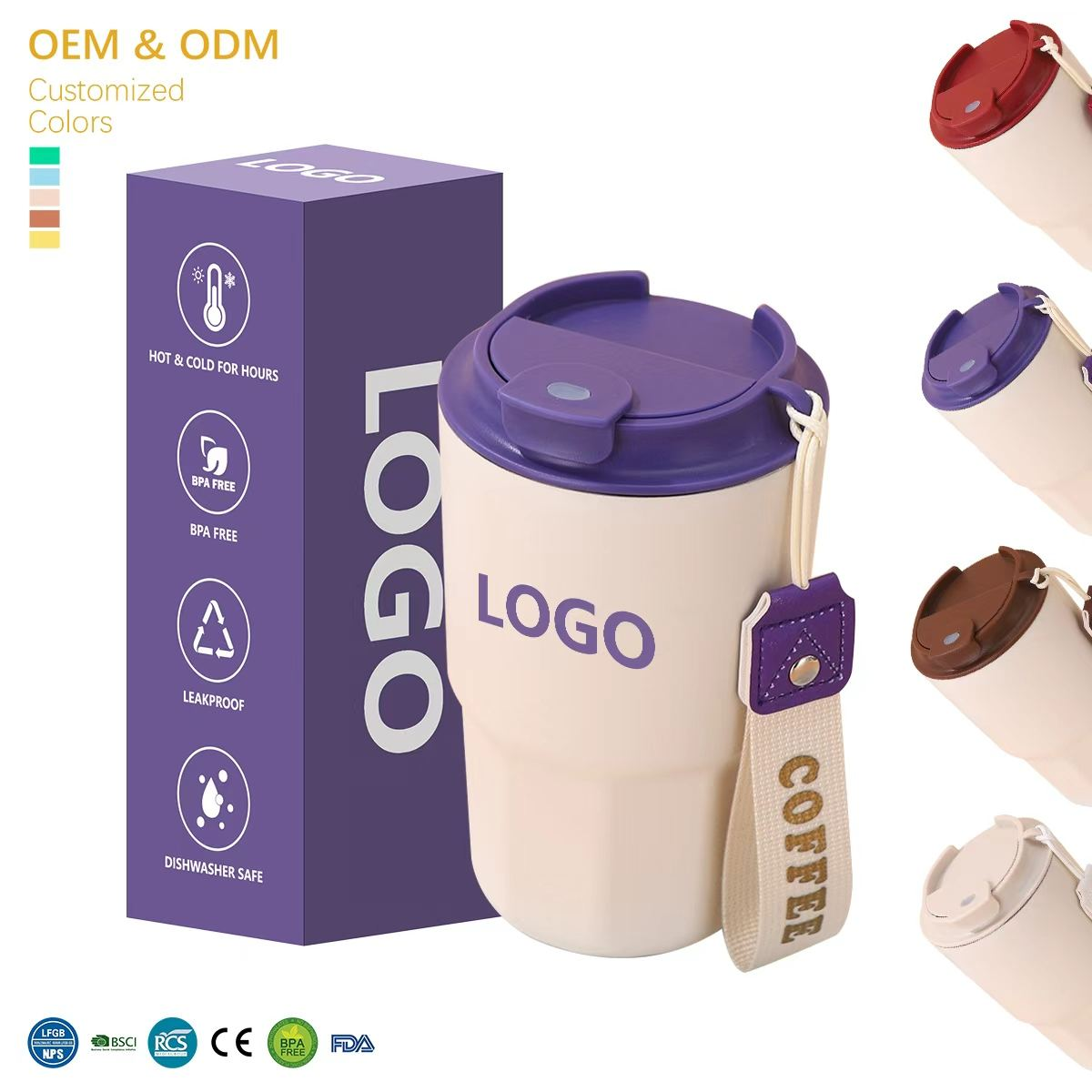
When you invest in a quality 30oz tumbler, you expect it to keep your drinks at the right temperature whether you are commuting through a cold winter morning or working outdoors under the summer sun. But the environment surrounding your tumbler plays a far greater role in its actual performance than most users realize. From ambient temperature swings to humidity, altitude, and direct sunlight exposure, external conditions can significantly alter how well your 30oz tumbler maintains its insulation, structural integrity, and overall usability.
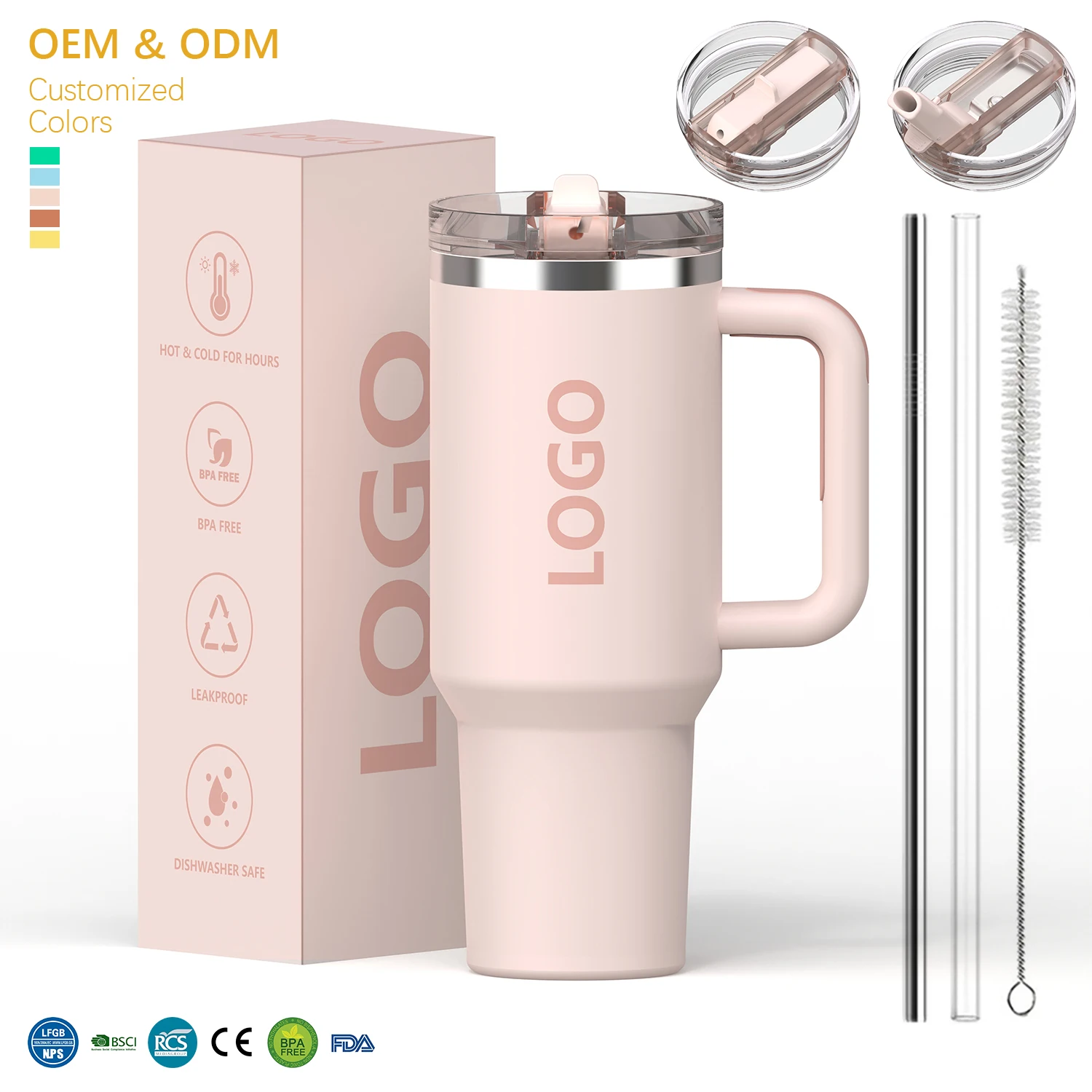
Understanding how environmental factors interact with your 30oz tumbler is not just useful knowledge for everyday consumers — it is critical information for procurement teams, brand buyers, and businesses sourcing tumblers for outdoor events, corporate gifting, or field operations. This article breaks down the key environmental variables that affect 30oz tumbler performance, explains the underlying mechanisms, and offers practical guidance for getting the most out of your tumbler regardless of the conditions it faces.
How Ambient Temperature Affects 30oz Tumbler Insulation
The Role of External Heat in Thermal Retention
A 30oz tumbler relies on vacuum insulation — a sealed airless layer between two stainless steel walls — to slow the transfer of heat between the beverage inside and the environment outside. When ambient temperatures are extremely high, such as during summer outdoor events or in direct sunlight, the thermal gradient between the hot exterior and the cooled interior beverage becomes steeper. This increased gradient puts more pressure on the vacuum layer to perform, and while a well-constructed 30oz tumbler handles this effectively, the rate of temperature change in the drink will still be measurably faster than in a climate-controlled indoor setting.
In practical terms, a cold drink stored in a 30oz tumbler left on a car dashboard in direct sunlight will warm faster than the same drink kept in a shaded outdoor environment. The insulation does not fail — it simply faces a more demanding workload. This is why understanding ambient heat exposure matters when evaluating 30oz tumbler performance for outdoor or industrial use cases.
For businesses sourcing tumblers for field teams or outdoor hospitality, specifying a 30oz tumbler with a high-quality double-wall vacuum construction and a powder-coated exterior finish is essential. The powder coating adds a minor layer of thermal resistance and reduces heat absorption from sunlight, contributing to better real-world performance in hot environments.
Cold Environments and Condensation Behavior
Cold ambient conditions present a different set of challenges for a 30oz tumbler. In freezing or near-freezing temperatures, a hot beverage inside the tumbler faces a much steeper thermal gradient in the opposite direction. The vacuum insulation works to retain heat, but extremely cold external air accelerates heat loss through any weak points in the seal, the lid, or the straw opening. A 30oz tumbler with a leakproof, well-fitted lid performs significantly better in cold climates because the lid is often the primary point of thermal escape.
Condensation is another cold-environment concern. When a 30oz tumbler contains a cold beverage and the exterior surface is exposed to warm, humid air, moisture condenses on the outer wall. A properly vacuum-insulated 30oz tumbler should remain sweat-free on the exterior, which is one of the key performance indicators buyers use to assess insulation quality. If condensation appears on the outer wall, it typically signals a compromised vacuum layer or a design flaw in the wall construction.
The Impact of Humidity and Moisture Exposure
How High Humidity Affects Lid and Seal Performance
Humidity does not directly degrade the stainless steel body of a 30oz tumbler, but it has a meaningful impact on the lid, gaskets, and sealing components. Most modern 30oz tumbler designs use silicone gaskets or rubber seals to create a leakproof closure. In high-humidity environments — such as tropical climates, coastal regions, or industrial kitchens — prolonged moisture exposure can cause these seals to swell slightly, which may affect how smoothly the lid opens and closes over time.
For buyers sourcing a 30oz tumbler for use in humid environments, it is worth confirming that the lid components are made from food-grade silicone rated for moisture resistance. High-quality silicone maintains its dimensional stability across a wide humidity range, ensuring the leakproof performance of the 30oz tumbler remains consistent whether the product is used in a dry office or a humid outdoor setting.
Straw components are also affected by humidity. A 30oz tumbler that includes a reusable straw — particularly one made from plastic or silicone — should be designed with easy disassembly in mind so that moisture trapped inside the straw channel can be fully dried between uses. Trapped moisture in a humid environment creates conditions for bacterial growth, which is a hygiene concern that directly affects the usability and safety of the 30oz tumbler.
Saltwater and Coastal Environment Considerations
Coastal and marine environments introduce salt-laden air, which is more corrosive than standard atmospheric moisture. For a 30oz tumbler used in these settings — on boats, at beach events, or in seaside hospitality operations — the exterior finish quality becomes a critical performance factor. Bare stainless steel is naturally resistant to corrosion, but the exterior powder coating or paint layer on a 30oz tumbler can chip or scratch over time, exposing the underlying metal to salt air.
A 30oz tumbler with a durable, thick powder coat finish and a high-grade stainless steel body — typically 18/8 food-grade stainless steel — will hold up far better in coastal conditions than one with a thin decorative coating. Buyers procuring tumblers for marine or coastal applications should request material specifications and finish durability data to ensure the 30oz tumbler will maintain both its appearance and structural performance over extended use in these demanding environments.
Altitude and Pressure Effects on 30oz Tumbler Performance
How Altitude Changes Liquid Behavior Inside the Tumbler
At higher altitudes, atmospheric pressure decreases. This has a direct effect on the boiling point of water and the behavior of carbonated or pressurized liquids. For a 30oz tumbler used at altitude — during hiking, mountain camping, or high-elevation outdoor events — hot beverages will reach boiling at a lower temperature, which means the thermal content of the liquid is slightly lower than at sea level. This subtly affects how long the 30oz tumbler can maintain a 'hot' temperature reading, since the starting temperature of the beverage may be lower.
For carbonated beverages, reduced atmospheric pressure at altitude means that carbonation escapes more readily when the lid is opened. A 30oz tumbler with a tight-sealing lid helps slow this process when the tumbler is closed, but users should be aware that carbonation retention will still be shorter at high altitude than at sea level. This is not a flaw in the 30oz tumbler design — it is a fundamental property of gas solubility under reduced pressure.
Lid Seal Integrity Under Pressure Variation
Rapid changes in altitude — such as during air travel or mountain driving — can create pressure differentials that affect the lid seal of a 30oz tumbler. If a tumbler is sealed at sea level and then transported to a high-altitude environment, the pressure difference can make the lid harder to open or, in some designs, cause minor leakage as the internal pressure equalizes. A well-engineered 30oz tumbler with a pressure-equalizing lid design or a vented straw mechanism handles these transitions more gracefully.
For corporate buyers or event organizers who distribute a 30oz tumbler to teams operating across varied elevations, this is a practical consideration worth discussing with the supplier. Confirming that the lid design accommodates pressure variation without compromising the leakproof seal ensures consistent performance across diverse deployment environments.
Sunlight, UV Exposure, and Exterior Finish Durability
UV Degradation of Exterior Coatings
Prolonged exposure to ultraviolet radiation from sunlight is one of the most common causes of exterior finish degradation on a 30oz tumbler. UV rays break down the molecular bonds in paint and powder coat finishes over time, causing fading, chalking, and surface cracking. A 30oz tumbler used regularly outdoors — at construction sites, sports events, or outdoor hospitality venues — will show visible wear on its exterior finish faster than one used primarily indoors.
The quality of the powder coat applied to a 30oz tumbler directly determines its UV resistance. High-quality powder coatings include UV-stabilizing additives that slow the degradation process significantly. When sourcing a 30oz tumbler for outdoor brand activation or long-term field use, requesting UV resistance specifications or asking for outdoor durability test data is a reasonable and practical step.
It is also worth noting that darker exterior colors on a 30oz tumbler absorb more solar radiation than lighter colors, which can slightly increase the surface temperature of the tumbler when left in direct sunlight. While the vacuum insulation protects the beverage from this surface heat, the exterior of a dark-colored 30oz tumbler may become uncomfortable to hold after extended sun exposure. This is a minor but real ergonomic consideration for outdoor use cases.
Heat Buildup and Handle Comfort in Direct Sunlight
A 30oz tumbler equipped with a handle offers a practical ergonomic advantage in high-heat outdoor environments. When the exterior of the tumbler heats up from direct sunlight, a handle — particularly one made from a heat-resistant plastic or silicone material — allows the user to carry and hold the tumbler comfortably without direct contact with the hot metal surface. This design feature is especially relevant for tumblers used in construction, landscaping, or outdoor event settings where sun exposure is unavoidable.
For buyers evaluating a 30oz tumbler for outdoor workforce applications, the handle material and attachment method are worth scrutinizing. A handle that is securely riveted or molded into the design will maintain its integrity under repeated thermal cycling — the expansion and contraction of materials as temperatures rise and fall — far better than one attached with adhesive or a simple clip mechanism.
Wind, Dust, and Particulate Environments
How Wind Accelerates Thermal Loss
Wind increases the rate of convective heat transfer from any surface, including the exterior of a 30oz tumbler. In windy outdoor conditions, the layer of still air that naturally forms around the tumbler's exterior — which provides a minor additional insulating effect — is constantly disrupted. This means a 30oz tumbler used in a consistently windy environment, such as on a boat deck or at an open-air construction site, will experience slightly faster temperature change in its contents compared to the same tumbler used in a calm indoor setting.
The practical impact of wind on a high-quality 30oz tumbler is relatively modest because the vacuum insulation is the dominant thermal barrier, not the exterior air layer. However, in extreme wind conditions combined with very low ambient temperatures, the cumulative effect becomes more noticeable. Keeping the lid tightly closed and minimizing the time the tumbler is open in windy conditions are simple behavioral adjustments that help maintain performance.
Dust and Particulate Contamination of Lid Mechanisms
In dusty or particulate-heavy environments — such as construction sites, agricultural settings, or desert climates — fine particles can accumulate in the lid mechanism, straw channel, and seal areas of a 30oz tumbler. Over time, this buildup can compromise the smooth operation of the flip straw mechanism, reduce the effectiveness of the leakproof seal, and create hygiene concerns if particles enter the drinking channel.
A 30oz tumbler designed with a fully enclosed lid and a covered straw opening performs significantly better in dusty environments than one with an open or loosely fitted lid. Regular cleaning of the lid components — particularly the gasket and straw channel — is essential for maintaining both the hygiene and the mechanical performance of the 30oz tumbler in these conditions. Buyers sourcing tumblers for industrial or outdoor workforce use should prioritize designs that are easy to fully disassemble for thorough cleaning.
FAQ
Does extreme cold permanently damage a 30oz tumbler's vacuum insulation?
Extreme cold alone does not typically damage the vacuum insulation of a 30oz tumbler. The vacuum layer is sealed and does not contain air or liquid that would be affected by freezing temperatures. However, placing a 30oz tumbler in a freezer with liquid inside can cause the liquid to expand as it freezes, which may stress the lid seal or, in rare cases, the body of the tumbler. It is generally recommended to avoid freezing liquids inside a sealed 30oz tumbler to prevent potential seal or structural damage.
How does direct sunlight affect how long a 30oz tumbler keeps drinks cold?
Direct sunlight increases the ambient heat load on the exterior of a 30oz tumbler, which creates a steeper thermal gradient between the hot exterior environment and the cold beverage inside. A high-quality 30oz tumbler with robust vacuum insulation will still maintain cold temperatures for several hours, but the duration will be shorter than in a shaded or indoor environment. Keeping the 30oz tumbler in the shade whenever possible is the simplest way to maximize cold retention performance in sunny conditions.
Can humidity cause a 30oz tumbler to rust or corrode?
A 30oz tumbler made from 18/8 food-grade stainless steel is highly resistant to rust and corrosion, even in humid environments. The risk of corrosion increases if the exterior powder coat or paint finish is chipped or scratched, exposing the underlying metal to salt-laden or highly humid air over extended periods. Maintaining the exterior finish of your 30oz tumbler and rinsing it after exposure to saltwater or highly corrosive environments will help preserve its appearance and structural integrity over the long term.
Is a 30oz tumbler suitable for use at high altitude during outdoor activities?
Yes, a 30oz tumbler is well-suited for high-altitude outdoor activities such as hiking or mountain camping. The vacuum insulation performs effectively regardless of altitude. Users should be aware that hot beverages will reach boiling at a slightly lower temperature at high altitude, which may affect the starting temperature of the drink and therefore the duration of heat retention. For carbonated beverages, carbonation will escape more quickly at altitude when the lid is opened, so keeping the lid closed as much as possible helps preserve carbonation longer.