
 EN
EN
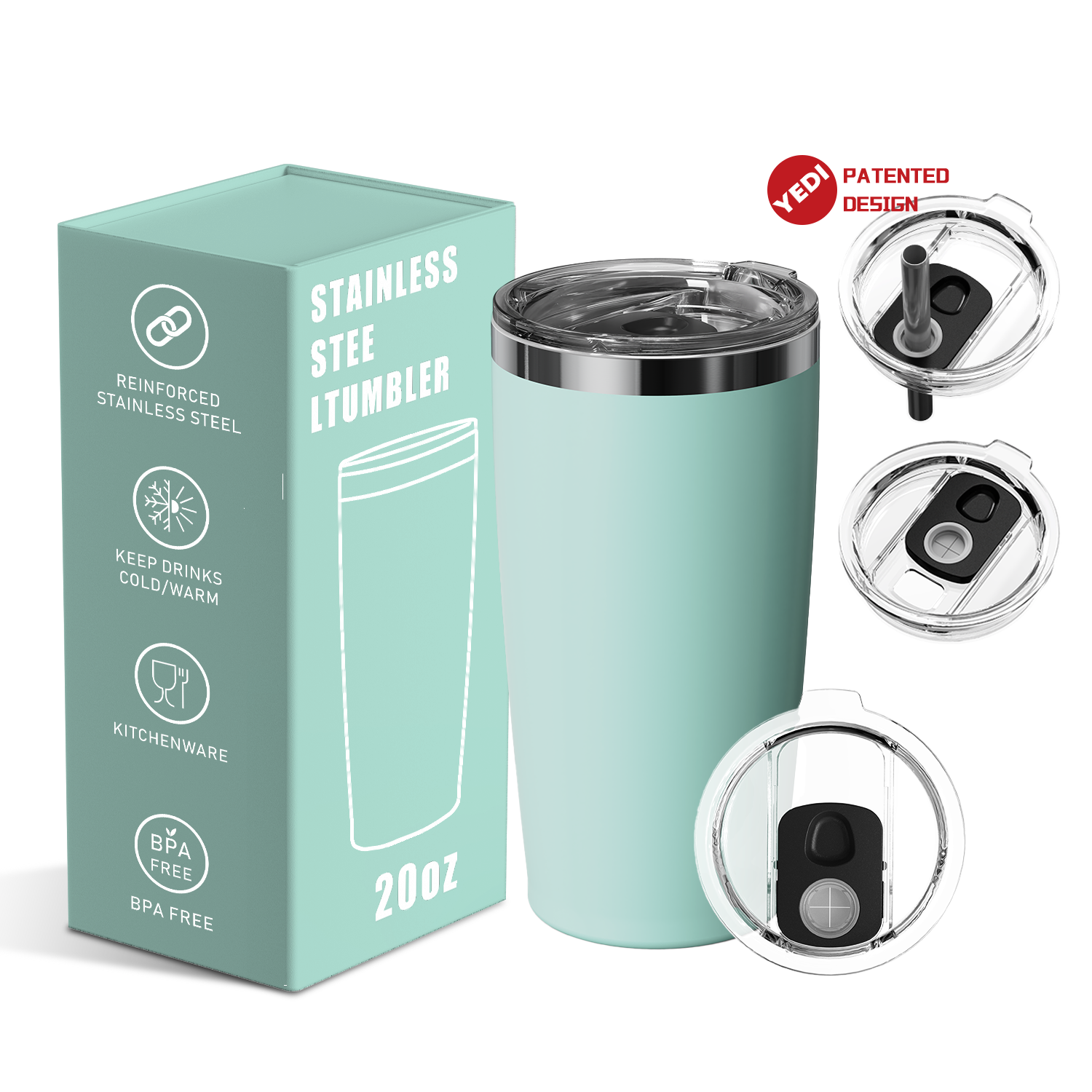
When you reach for a 30oz tumbler to keep your morning coffee hot or your afternoon iced drink cold, you are benefiting from a carefully engineered partnership between physical design and thermal science. The efficiency of any 30oz tumbler is not determined by a single feature in isolation — it is the result of how the vessel's geometry and its insulation system work in concert to manage heat transfer. Understanding this relationship helps buyers, brands, and product developers make smarter decisions about what truly makes a drinkware product perform at the highest level.
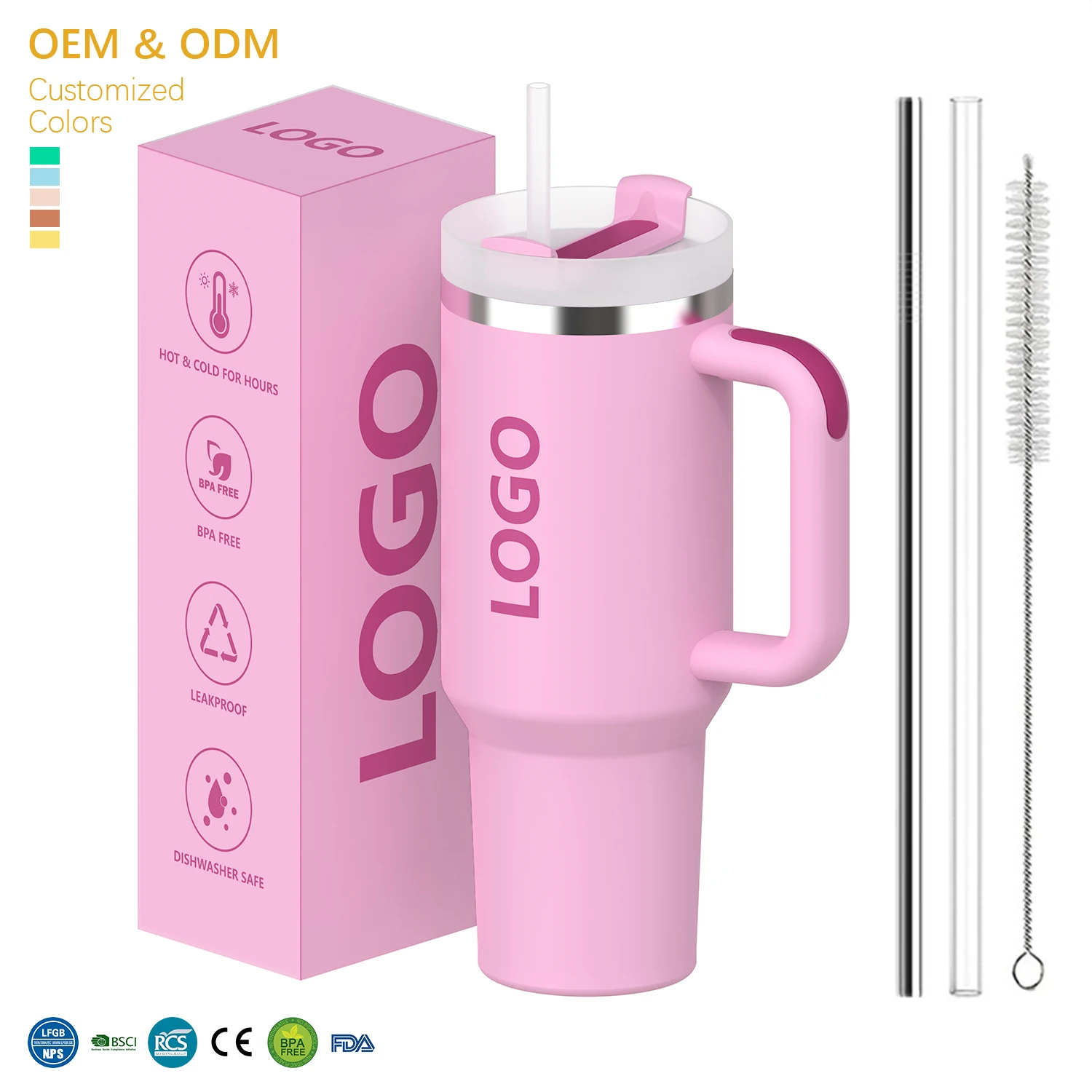
A well-designed 30oz tumbler is more than a stylish container. It is a thermodynamic system where the outer shell geometry, inner chamber dimensions, lid seal, wall structure, and vacuum layer all contribute simultaneously to one shared goal: keeping the contents at the intended temperature for as long as possible. This article explores the science and design logic that explains how shape and insulation cooperate, and why that cooperation directly defines the everyday efficiency of a 30oz tumbler.
The Science Behind Thermal Efficiency in a 30oz Tumbler
How Heat Transfer Happens in a Drinking Vessel
To understand how a 30oz tumbler achieves thermal efficiency, it is essential to first understand the three mechanisms of heat transfer: conduction, convection, and radiation. Conduction is the transfer of heat through direct contact between materials. Convection is heat movement through liquid or air currents. Radiation is the emission of heat energy as infrared waves. Each of these forces continuously works against the user's goal of maintaining beverage temperature, and the design of a quality 30oz tumbler is built to resist all three simultaneously.
In a standard non-insulated cup, heat flows rapidly through the walls by conduction, while convection currents accelerate temperature loss in the liquid, and radiated energy escapes from the exposed outer surface. A high-performance 30oz tumbler with vacuum insulation eliminates most conductive and convective pathways by removing the air — and therefore the medium — between the inner and outer walls. The result is a dramatic reduction in heat exchange speed, which is the foundation of the tumbler's efficiency.
Why Capacity and Geometry Are Thermal Variables
The 30-ounce capacity is not an arbitrary size choice — it represents a considered balance between liquid volume and surface-area-to-volume ratio. In thermal science, a lower surface-area-to-volume ratio means there is proportionally less surface through which heat can escape relative to the total amount of liquid stored. A 30oz tumbler holds enough volume that the liquid mass retains heat well, while the cylindrical or tapered shape keeps the exposed surface area manageable.
Containers that are too flat or too wide expose more surface area per unit of liquid, accelerating heat loss. Containers that are too narrow may slow surface exposure but create ergonomic problems and reduce the effectiveness of lids and seals. The proportional geometry of a standard 30oz tumbler is refined to strike a balance that supports both thermal retention and practical use, confirming that shape is an active insulation partner rather than a passive housing.
The Role of Wall Construction in a 30oz Tumbler
Double-Wall Vacuum Insulation Explained
The most critical insulation feature in any premium 30oz tumbler is the double-wall vacuum construction. This design involves two separate stainless steel walls — an inner wall that holds the beverage and an outer wall that forms the external body — separated by a precisely controlled vacuum space. Because the vacuum contains virtually no air molecules, heat cannot travel by conduction or convection across that gap. The energy has nowhere to go and no medium to travel through, so it stays trapped with the liquid.
This engineering principle is what allows a well-constructed 30oz tumbler to keep hot beverages above drinking temperature for six to twelve hours and cold beverages chilled for twenty-four hours or more under typical conditions. The effectiveness of the vacuum layer depends not only on the quality of the seal but also on the dimensional precision of the gap itself — too narrow and the walls risk contact, too wide and structural integrity is compromised. Precision manufacturing is therefore a prerequisite for effective vacuum insulation in a 30oz tumbler.
Material Choice and Its Thermal Implications
Stainless steel is the dominant material used in high-quality 30oz tumbler construction for several interconnected reasons. It has low thermal conductivity relative to aluminum or copper, meaning it resists the passage of heat through the walls themselves. It is also highly resistant to corrosion, which protects the integrity of the vacuum seal over the product's lifetime. A compromised seal allows air to re-enter the vacuum space, which immediately reduces insulation performance.
The grade of stainless steel used in a 30oz tumbler also matters. Food-grade 18/8 stainless steel (also referred to as 304 stainless steel) is preferred for the inner wall because it is non-reactive and does not impart metallic flavors into beverages. For the outer wall, the same material provides structural rigidity and resistance to denting. Some products incorporate a copper plating layer between the walls to further reduce radiated heat transfer, adding a third layer of thermal management to the overall insulation system.
How Shape Features Directly Enhance Insulation Performance
The Lid Design as a Thermal Bottleneck
Even in a perfectly insulated 30oz tumbler, the lid represents the highest-risk point for heat loss. Because the lid must be removable, it cannot be welded or vacuum-sealed like the body walls. This means the lid relies on tight mechanical contact and seal materials — typically silicone gaskets — to minimize the gap through which heat can escape. A well-engineered lid design accounts for this thermal bottleneck by maximizing the contact surface of the seal and minimizing open air space above the liquid.
Many modern 30oz tumbler lid designs incorporate a small drinking aperture rather than a fully open top, reducing the volume of warm or cold air that can escape during normal use. Slide-close mechanisms and twist-lock designs go further by creating multi-point seals that tighten as the lid is closed. These innovations are direct responses to the reality that shape features at the top of the tumbler are just as important to overall thermal efficiency as the wall construction lower down.
Tapered Body and Handle Integration
The tapered or straight-wall profile of a 30oz tumbler influences not only ergonomics but also heat flow dynamics. A tapered design — wider at the top, narrower at the base — places less metal surface area in direct contact with flat surfaces such as desktops or cup holders, which reduces conductive heat loss from the base. When the tumbler rests on a warm or cold surface, a narrower base point of contact limits the rate at which external temperatures are transmitted into the body of the cup.
Handle integration on a 30oz tumbler also plays a subtle but meaningful role. Handles are typically attached at points that do not compromise the vacuum seal of the body, and their presence encourages users to grip the handle rather than the outer wall. When users wrap their hands around the outer body of a tumbler, body heat is transferred by conduction into the outer wall, and while the vacuum layer limits further transmission, reducing hand-to-wall contact still provides a marginal improvement in temperature stability over time. The handle is therefore both a comfort feature and a minor but real thermal management element.
Practical Implications for Selecting a High-Efficiency 30oz Tumbler
What to Evaluate When Assessing Thermal Performance
For buyers and procurement professionals evaluating a 30oz tumbler, the most reliable indicators of thermal performance are the construction method, the quality of the vacuum seal, and the lid sealing system. Products that clearly specify double-wall vacuum insulation and use food-grade stainless steel construction will consistently outperform single-wall or foam-insulated alternatives. Asking for third-party test data on temperature retention duration is also a reasonable quality assurance step in B2B procurement contexts.
The geometry of the 30oz tumbler should also be evaluated for practical use cases. For commuter use, a silhouette that fits standard vehicle cup holders is critical — this usually means a base diameter under three and a half inches. For desk or office use, a wider base with a handle may be preferred for stability. These practical shape decisions intersect with thermal logic: a secure, stable 30oz tumbler that is used consistently will outperform a thermally superior product that is left uncapped or stored inefficiently.
Customization and Coating Considerations
Many 30oz tumbler products available for wholesale or branded customization include powder-coated exterior finishes. These coatings add an additional insulating micro-layer on the outer wall surface and reduce the rate at which the outer wall absorbs radiant heat from warm environments or sunlight. Powder coating also improves grip, which again relates to the behavioral dimension of thermal management — a user who holds a tumbler by a well-gripped outer surface rather than pressing palms flat against it reduces convective transfer from skin to metal.
For B2B buyers sourcing a 30oz tumbler for branded merchandise, promotional campaigns, or hospitality supply, the combination of shape, insulation quality, and exterior finish should be treated as a unified specification rather than three separate categories. Each element supports the others, and the overall efficiency of the product depends on all three working together. A beautifully coated 30oz tumbler with a poor vacuum seal will underperform, just as a technically superior insulation build in a poorly proportioned shape will frustrate users and reduce repeat usage.
FAQ
Does the shape of a 30oz tumbler really affect how long it keeps drinks hot or cold?
Yes, the shape of a 30oz tumbler has a direct and measurable impact on thermal efficiency. The geometry determines the surface-area-to-volume ratio, which controls how much surface is available for heat exchange. It also influences lid seal integrity, base contact area, and user handling behavior — all of which affect real-world temperature retention performance.
What is the most important insulation feature to look for in a 30oz tumbler?
Double-wall vacuum insulation is the single most important thermal feature in a high-performance 30oz tumbler. It eliminates both conductive and convective heat transfer through the walls by removing the air medium between the inner and outer shell. No other insulation approach matches its effectiveness for maintaining beverage temperature over extended periods.
Why does lid design matter so much in a 30oz tumbler?
The lid is the only part of a 30oz tumbler that cannot be vacuum-sealed, making it the primary point of heat loss. A lid with a tight-fitting silicone gasket, a small drinking aperture, and a secure closure mechanism dramatically reduces this vulnerability. Poor lid design can undermine even excellent wall insulation, so the lid should always be evaluated as part of the overall thermal system.
Is the 30oz size better for insulation than smaller tumbler sizes?
From a purely thermal standpoint, a 30oz tumbler benefits from a favorable surface-area-to-volume ratio compared to smaller sizes. More liquid volume relative to surface area means the contents take longer to exchange heat with the environment. However, insulation quality has a greater effect than size alone — a well-manufactured smaller tumbler will outperform a poorly constructed 30oz tumbler in practice. Size is one factor in the efficiency equation, not the determining one.