
 EN
EN
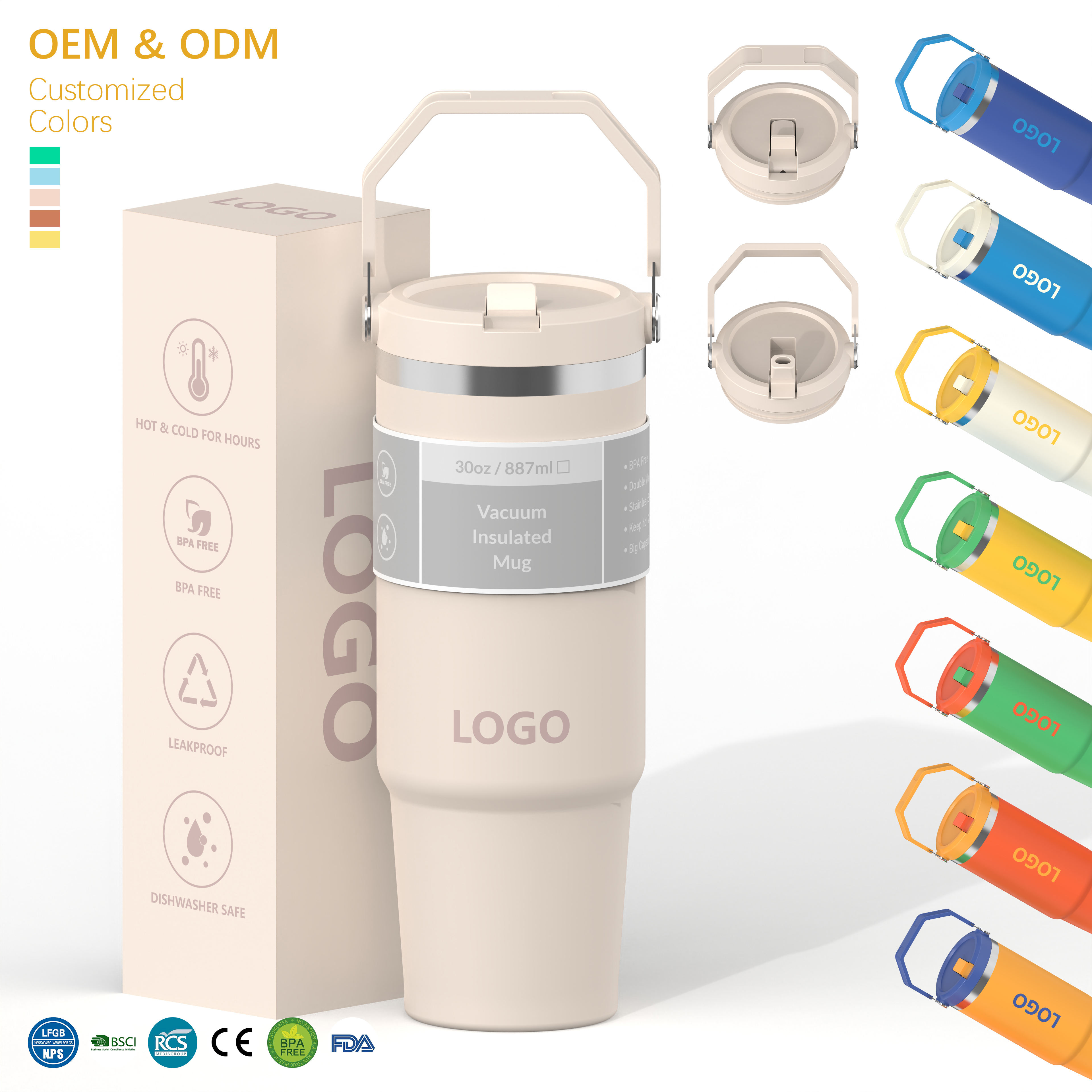
When choosing a 30oz tumbler for everyday use, professional gifting, or branded merchandise programs, material selection is the single most critical factor determining how long that product will perform. A 30oz tumbler faces demanding conditions — thermal cycling, repeated washing, accidental drops, and constant handling — so understanding what goes into its construction separates a product that lasts years from one that disappoints within weeks. Buyers and procurement managers who invest in quality drinkware need a clear, material-level understanding before committing to large orders.
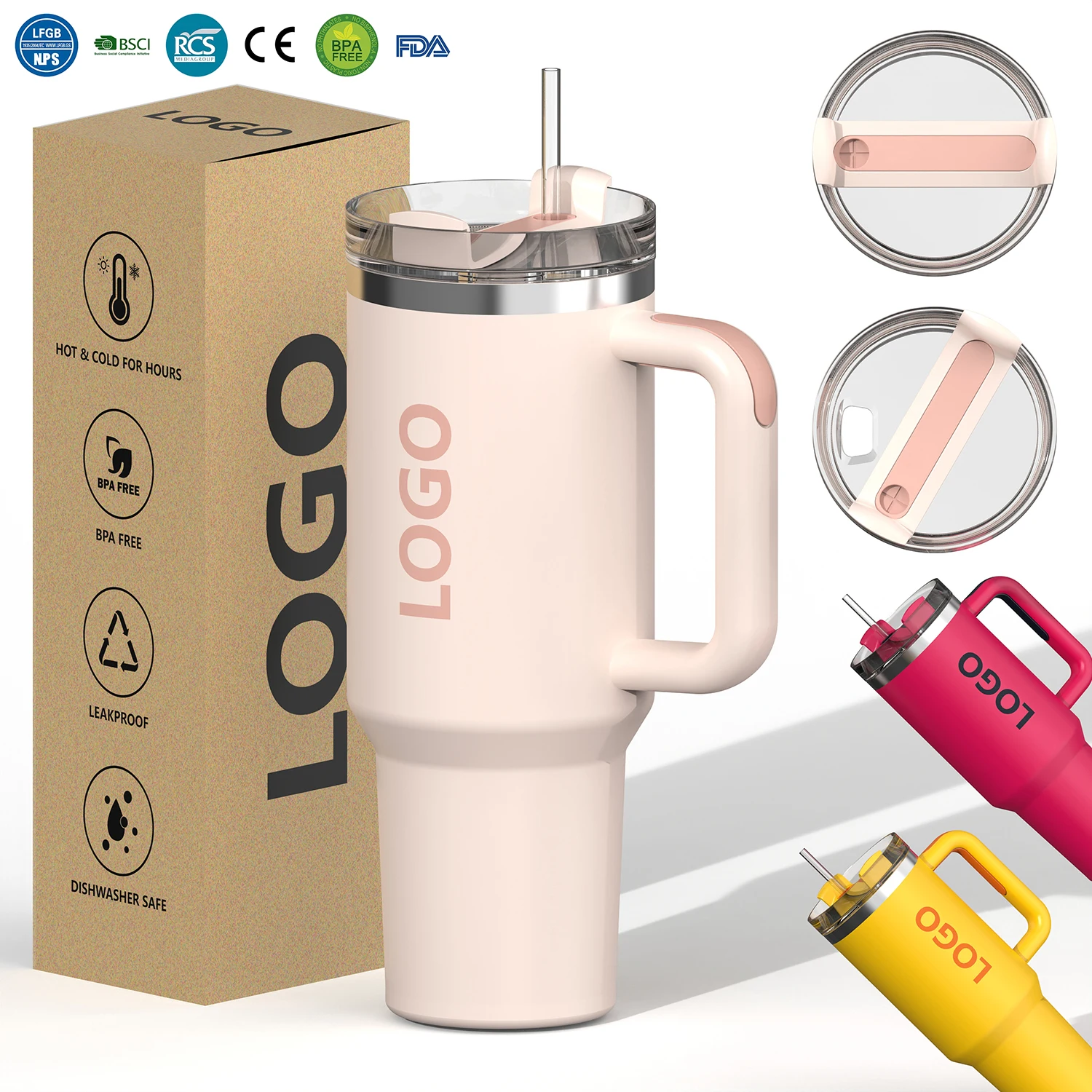
The 30oz tumbler market is filled with products that look nearly identical on the surface, yet diverge dramatically in longevity once they enter real-world use. The differences come down to the materials used in the outer shell, inner lining, vacuum insulation layer, lid mechanism, and finishing coat. This article breaks down each of these components in detail, explaining exactly which material choices lead to lasting durability and why those choices matter for both end users and B2B buyers sourcing at scale.
Stainless Steel as the Foundation of a Durable 30oz Tumbler
Why 18/8 Stainless Steel Is the Industry Standard
The outer and inner walls of a high-quality 30oz tumbler are almost universally constructed from food-grade stainless steel, and the most reliable grade for drinkware is 18/8, also known as 304 stainless steel. The numbers refer to the chromium and nickel content — 18% chromium and 8% nickel — which together create a highly corrosion-resistant alloy. This composition allows the 30oz tumbler to withstand acidic beverages like coffee, citrus juices, and sports drinks without degrading or imparting metallic flavors into the liquid.
Corrosion resistance is not just a comfort feature; it is a structural longevity feature. When inferior stainless steel grades are used, oxidation begins to compromise the inner wall over time, leading to surface pitting, discoloration, and eventually flavor contamination. A properly specified 30oz tumbler built with 18/8 stainless steel avoids these outcomes entirely, maintaining its structural integrity and hygienic surface for years of continuous use.
For B2B buyers, specifying 18/8 stainless steel is also a compliance consideration. Many corporate gifting and foodservice procurement programs require food-contact materials to meet specific safety standards. The 18/8 grade consistently meets those requirements, making it the responsible choice when sourcing a 30oz tumbler at volume.
Wall Thickness and Its Impact on Physical Durability
Beyond the steel grade itself, wall thickness plays a significant role in how well a 30oz tumbler holds up to everyday mechanical stress. A tumbler with walls that are too thin may dent easily from drops or pressure, compromising both the insulation layer and the overall appearance of the product. Quality manufacturers typically work with wall thicknesses that balance weight efficiency with impact resistance, ensuring the 30oz tumbler does not feel flimsy during normal use.
Thicker walls also contribute to the structural rigidity of the double-wall vacuum chamber, which is the core mechanism behind temperature retention. If the walls flex under pressure or thermal expansion, the vacuum seal can be compromised over time. A well-engineered 30oz tumbler maintains dimensional stability across a wide temperature range, preserving the vacuum insulation performance throughout the product's lifespan.
Double-Wall Vacuum Insulation: The Durability of Thermal Performance
How Vacuum Insulation Works and Why It Must Last
The defining thermal feature of a premium 30oz tumbler is its double-wall vacuum insulation construction. Between the outer and inner stainless steel walls, air is evacuated to create a near-vacuum state, which dramatically reduces heat transfer through conduction and convection. This is why a quality 30oz tumbler can keep beverages hot for hours or cold for an extended period — the vacuum layer acts as a persistent thermal barrier.
The durability challenge with vacuum insulation is maintaining that vacuum seal over the product's lifetime. If the seal degrades — due to poor manufacturing tolerances, low-grade weld points, or material fatigue — the insulating performance drops noticeably. Buyers evaluating a 30oz tumbler should look for evidence of robust sealing at the base and rim joints, as these are the points most susceptible to vacuum loss under repeated thermal cycling.
Manufacturers who invest in precision welding technology and quality control testing for vacuum integrity produce a 30oz tumbler that retains its thermal performance reliably over time. This is a direct expression of material and process quality, and it is one of the most meaningful indicators of overall product durability in the drinkware category.
The Role of Copper Lining in Enhanced Insulation Durability
Some premium versions of the 30oz tumbler incorporate a thin copper lining or copper-plating inside the vacuum chamber. Copper is an excellent reflector of radiant heat, meaning it bounces thermal radiation back toward the beverage rather than allowing it to pass through the container walls. This adds another layer of insulation efficiency on top of the vacuum barrier, resulting in noticeably extended hot and cold retention times.
From a durability standpoint, copper lining also helps protect the vacuum chamber walls from the minor oxidation that can occur in any residual air present within the sealed space. By reducing internal corrosion risk, the copper lining contributes to the longevity of the vacuum seal itself. For buyers sourcing a 30oz tumbler intended for premium gifting or professional use, copper-lined vacuum chambers represent a meaningful quality upgrade.
Exterior Coatings and Surface Treatments That Resist Daily Wear
Powder Coating for Impact and Scratch Resistance
The exterior finish of a 30oz tumbler is the first thing to show wear, and the coating technology used has a direct bearing on how the product ages visually and physically. Powder coating is one of the most durable surface treatments available for metal drinkware. In this process, electrostatically charged dry powder is applied to the stainless steel surface and then cured under heat, creating a thick, seamless coating that bonds tightly to the metal substrate.
A powder-coated 30oz tumbler resists chipping, scratching, and peeling far better than liquid paint or simple anodized finishes. It also provides a tactile grip texture that improves handling comfort while protecting the underlying steel from surface scuffs. For branded merchandise programs where logo printing or custom color matching is required, powder coating provides a stable base layer that holds secondary decoration methods such as laser engraving and screen printing extremely well.
Powder coating also offers chemical resistance, meaning the exterior of the 30oz tumbler holds up to cleaning agents, mild solvents, and the oils naturally present on human hands. This is particularly relevant in foodservice environments or active use scenarios where the tumbler is handled frequently and cleaned regularly over a long period.
Electroplating and Polished Finishes for Longevity
High-polish and electroplated finishes are another category of surface treatment used on the 30oz tumbler, typically for premium or luxury positioning. Electroplating deposits a thin metallic layer — often chrome or nickel — onto the stainless steel surface, creating a mirror-bright appearance that is both attractive and resistant to fingerprint marking over time when properly sealed.
The durability of electroplated finishes depends heavily on the thickness of the deposited layer and the quality of any top-coat sealing applied over it. Thin or poorly sealed electroplated finishes on a 30oz tumbler will eventually show wear at high-contact areas such as the rim, handle attachment points, and bottom edge. Quality manufacturers apply sufficient plating thickness and seal the surface appropriately to extend the visual lifespan of these finishes.
Lid and Handle Materials That Sustain Structural Integrity
Food-Grade Plastics and Their Role in Lid Durability
The lid of a 30oz tumbler is one of the components most exposed to mechanical stress, thermal fluctuation, and cleaning chemicals. High-quality lids are typically manufactured from BPA-free polypropylene (PP) or Tritan copolyester, both of which offer excellent impact resistance, heat tolerance, and chemical inertness. These materials maintain their dimensional stability across the temperature range that the 30oz tumbler operates in, which means the lid continues to fit snugly and seal properly even after hundreds of heat and cool cycles.
Inferior lid materials, particularly lower-grade generic plastics, can warp over time when repeatedly exposed to hot liquids or dishwasher heat. A warped lid on a 30oz tumbler creates leakage risk and an unsatisfactory user experience. Specifying BPA-free PP or Tritan in the lid component is a straightforward quality differentiator that significantly extends the functional lifespan of the complete product.
Silicone gaskets and sealing rings are also critical elements within the lid assembly of a 30oz tumbler. Food-grade silicone maintains its elasticity and sealing force over thousands of compression cycles, whereas lower-quality rubber compounds harden and lose sealing effectiveness much faster. Buyers should confirm silicone gasket use when evaluating lid quality in any 30oz tumbler specification.
Handle Attachment Points and Material Compatibility
Many designs of the 30oz tumbler include a side handle for improved grip and portability, which is particularly valued in travel and commuter use cases. The handle itself is typically made from the same stainless steel or from reinforced food-grade plastic, and its durability depends heavily on the quality of the attachment method used to join it to the body.
Welded stainless steel handles offer the highest durability, as the joint becomes part of the metal structure rather than a separate mechanical fastening. Handles secured by mechanical clips, rivets, or adhesive-style bonding may loosen over time with repeated use. For a 30oz tumbler intended for daily active use or professional environments, welded handle construction provides the confidence of a permanent, structurally integrated attachment.
Material compatibility between the handle and the main body is also important. When dissimilar metals are used without proper insulation at the joint, galvanic corrosion can occur over time, weakening the attachment point and creating surface discoloration. A well-engineered 30oz tumbler specifies compatible materials throughout its assembly to eliminate this risk entirely.
FAQ
What grade of stainless steel should a durable 30oz tumbler use?
A durable 30oz tumbler should use 18/8 food-grade stainless steel, also referred to as 304 stainless steel. This grade offers the right balance of corrosion resistance, strength, and food safety compliance. It resists acidic beverages, prevents metallic taste transfer, and maintains its structural integrity under repeated thermal cycling and mechanical use.
How does vacuum insulation affect the long-term durability of a 30oz tumbler?
Vacuum insulation contributes directly to the functional durability of a 30oz tumbler. As long as the vacuum seal remains intact, the tumbler continues to perform its core function of temperature retention. A well-manufactured vacuum seal, achieved through precision welding and quality control testing, can remain effective for years. Failure of the vacuum seal is the most common cause of performance degradation in insulated drinkware, making seal quality a primary durability indicator.
Is powder coating on a 30oz tumbler really more durable than standard paint?
Yes, powder coating provides significantly greater durability than standard liquid paint finishes on a 30oz tumbler. The curing process creates a dense, thermally bonded coating that resists chipping, peeling, and chemical exposure far better than conventional paint. For branded merchandise or high-frequency use scenarios, powder coating is the recommended exterior finish because it retains its appearance over a much longer service life.
What lid materials should I look for when sourcing a long-lasting 30oz tumbler?
When sourcing a 30oz tumbler intended for long-term use, prioritize lids made from BPA-free polypropylene or Tritan copolyester, combined with food-grade silicone gaskets. These materials resist warping from heat, maintain their sealing properties after repeated washing, and do not degrade or leach harmful substances into beverages. Avoid generic or unspecified plastics, which are more likely to fail structurally or lose their sealing performance within a shorter timeframe.