
 EN
EN
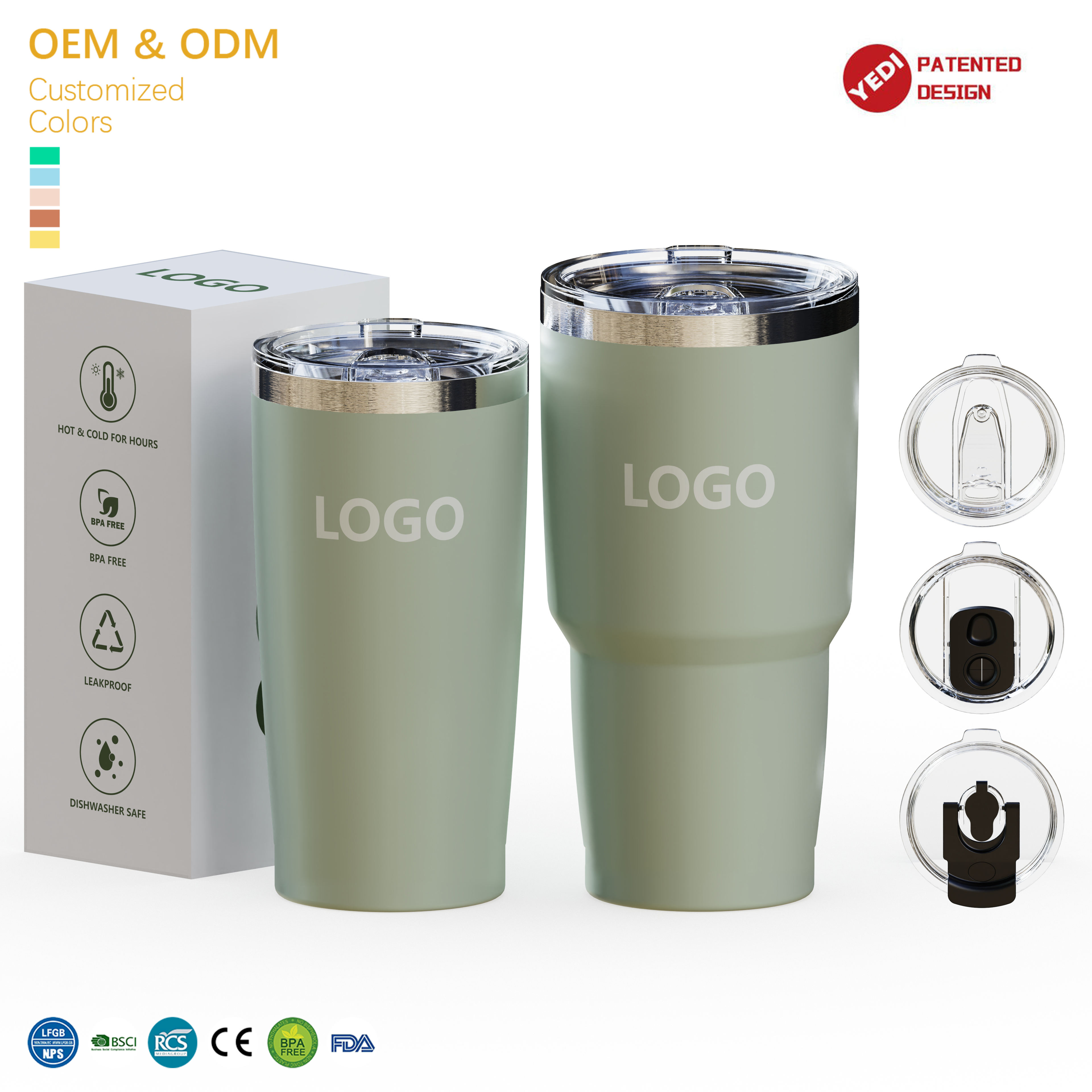
If you have ever placed two different 30oz tumbler products side by side and noticed that one keeps your coffee hot for twice as long as the other, you are not imagining things. Insulation performance genuinely varies from one 30oz tumbler to the next, sometimes dramatically, and understanding why can save buyers from costly disappointments. Whether you are a daily commuter, a bulk buyer for your business, or a brand looking to source quality drinkware, the reasons behind these differences deserve a clear, detailed explanation.
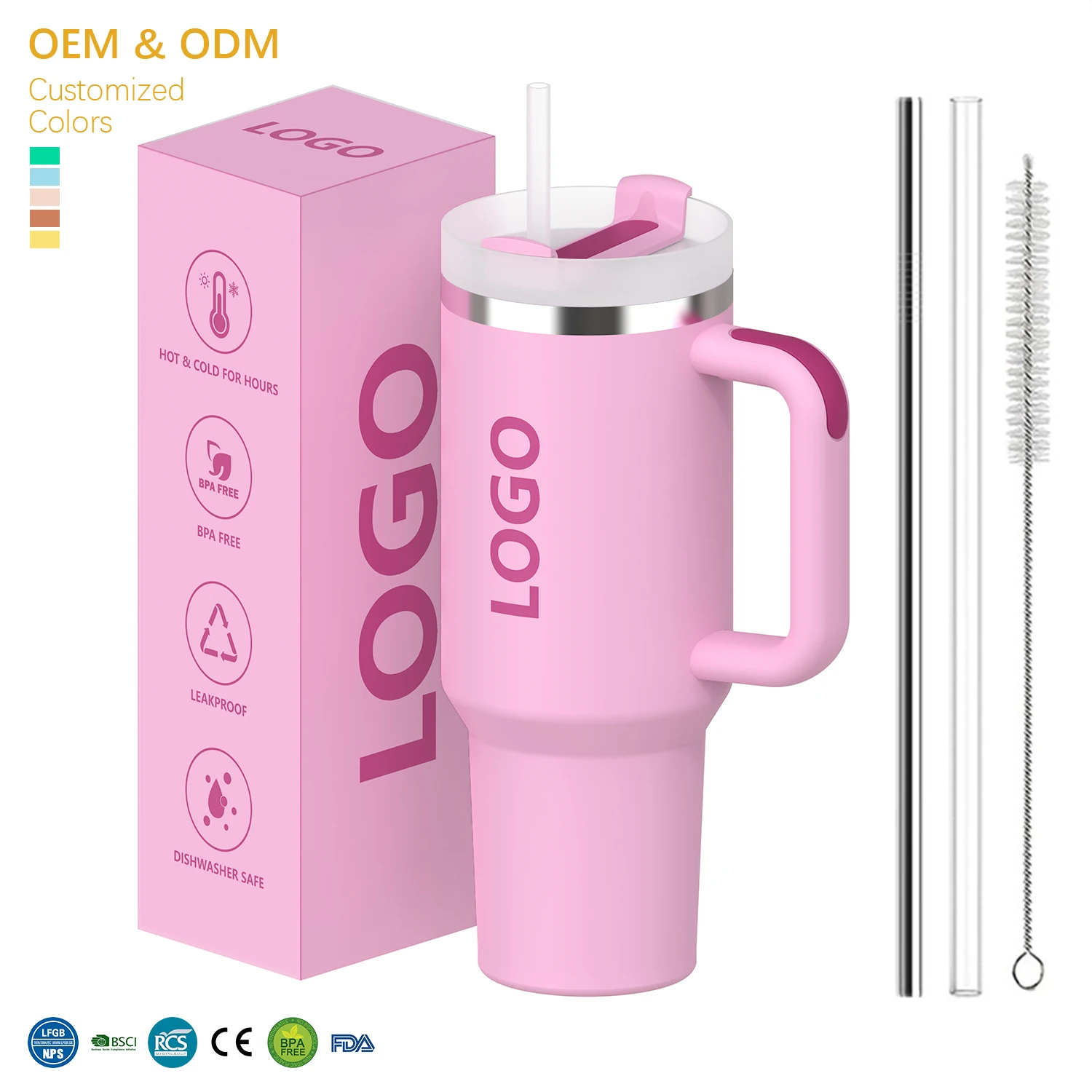
The 30oz tumbler has become one of the most popular drinkware formats in both consumer and commercial markets. Its generous capacity, portability, and promise of temperature retention make it a go-to choice for hot beverages, cold drinks, and everything in between. However, not every 30oz tumbler is engineered equally. The gap between a high-performing unit and a mediocre one often comes down to a handful of critical manufacturing and material variables that most buyers never see but always feel.
The Role of Vacuum Insulation Technology
What Vacuum Insulation Actually Does
The most fundamental insulation mechanism in any quality 30oz tumbler is the vacuum layer sealed between the inner and outer walls. A true vacuum contains virtually no air molecules, which means heat cannot travel via convection or conduction through that gap. This physics principle is the same one used in thermos flasks for over a century, and it remains the gold standard for maintaining beverage temperature in modern drinkware.
When manufacturers produce a 30oz tumbler with a genuine, well-maintained vacuum seal, the beverage inside can stay hot or cold for many hours. The problem is that creating and maintaining a vacuum requires precision engineering, quality materials, and rigorous quality control at every production stage. Cutting corners at any point in this process directly undermines insulation effectiveness.
Not all products labeled as 'vacuum insulated' achieve the same vacuum depth or seal integrity. The difference between a deep, stable vacuum and a shallow or partially compromised one can mean the difference between six hours of heat retention and less than two. This is why two 30oz tumbler products from different manufacturers can feel so dramatically different in real-world use.
Single-Wall vs Double-Wall Construction
Some budget-oriented 30oz tumbler options are constructed with a single wall of stainless steel rather than the double-wall vacuum design. Single-wall construction offers virtually no insulation — the metal conducts heat directly from the beverage to the outer surface, which is why the outside of the cup becomes hot or cold to the touch almost immediately. These products may look similar to their vacuum-insulated counterparts but perform entirely differently.
Double-wall construction without a proper vacuum — sometimes filled only with air — offers slightly better insulation than single-wall designs but still falls significantly short of a genuine vacuum-sealed 30oz tumbler. Buyers comparing prices should be aware that the construction method behind the walls is a primary driver of both cost and performance. A well-made double-wall vacuum 30oz tumbler justifies its higher price point through measurably superior temperature retention.
Stainless Steel Grade and Wall Thickness
How Material Grade Affects Thermal Performance
The grade of stainless steel used in a 30oz tumbler has a direct effect on insulation. Food-grade 18/8 stainless steel, which contains 18% chromium and 8% nickel, is the industry standard for quality tumblers. This alloy resists corrosion, does not impart flavors to beverages, and provides a stable substrate for vacuum sealing. Lower-grade steel alloys may be more porous or prone to oxidation, which can compromise the integrity of the vacuum layer over time.
In a properly manufactured 30oz tumbler, the stainless steel walls are polished and shaped to precise tolerances before being sealed under vacuum conditions. Any imperfection in the steel surface — micro-cracks, uneven rolling, or surface contamination — can allow tiny amounts of air to permeate the vacuum space over time, gradually degrading insulation performance. This is why material quality and manufacturing precision are inseparable when discussing why insulation varies.
Wall Thickness and Its Impact
The thickness of the inner and outer walls in a 30oz tumbler also contributes to insulation consistency. Thicker walls generally provide more structural rigidity, which helps maintain the integrity of the vacuum gap under physical stress such as drops or pressure changes. Thinner walls may flex slightly under impact, potentially compromising the vacuum seal at the weld points where the two walls are joined.
Manufacturers working with tighter production budgets may reduce wall thickness to lower raw material costs. The resulting 30oz tumbler may appear identical to a premium version from the outside but will typically show measurable differences in long-term insulation stability, especially after regular use and handling. For bulk buyers or brand sourcing, specifying minimum wall thickness is a practical way to protect against this variability.
Lid Design and Seal Quality
The Lid as a Critical Insulation Variable
Many buyers focus exclusively on the body of a 30oz tumbler when evaluating insulation, but the lid accounts for a substantial proportion of heat loss in real-world use. A poorly fitted lid with gaps, thin plastic construction, or a weak gasket can allow significant thermal exchange between the beverage and the ambient air, undermining even the best vacuum-insulated body beneath it.
High-quality lids for a 30oz tumbler typically feature a snug-fitting silicone gasket that creates an airtight or near-airtight seal against the tumbler rim. The material of the lid matters too — thicker, food-safe plastics or even stainless steel lid options retain heat far better than thin, loosely fitting caps. When comparing insulation performance between two tumblers of the same brand, a lid upgrade alone can produce noticeably longer heat retention times.
Gasket Durability and Replacement
Even the best lid gasket will degrade over time with repeated washing, exposure to acidic beverages, and general wear. A 30oz tumbler that performs excellently when new may show declining insulation over months of use if the gasket is not maintained or replaced. This is a commonly overlooked factor when consumers report that their tumbler 'stopped keeping drinks cold as well as it used to.'
In commercial or promotional 30oz tumbler applications, where products may be distributed in large quantities and used daily, lid quality and gasket longevity become procurement-level considerations. Specifying replaceable, food-grade silicone gaskets in bulk purchasing agreements is a simple step that protects the long-term performance reputation of the product.
Manufacturing Processes and Quality Control Standards
Vacuum Sealing Process Consistency
The vacuum sealing stage is arguably the most technically demanding step in producing a high-performing 30oz tumbler. During this process, air is evacuated from the space between the inner and outer walls through a small port at the base, which is then sealed. The precision of this evacuation, the speed at which it is performed, and the quality of the seal all determine how deep and stable the resulting vacuum will be.
Manufacturers with advanced production lines and strict process controls can consistently achieve deep, stable vacuums across large production runs. Facilities with older equipment or less rigorous process oversight may produce 30oz tumbler batches with inconsistent vacuum depth — meaning some units from the same production run may perform noticeably better or worse than others. This variability at the factory level is a key reason why the same SKU from the same brand can sometimes produce inconsistent user experiences.
Quality Testing and Inspection Protocols
Reputable manufacturers subject each batch of 30oz tumbler products to thermal performance testing, vacuum integrity testing, and leak testing before shipment. These tests identify units with compromised vacuums, faulty lids, or structural defects before they reach end users. Manufacturers who skip or reduce these quality checks to lower production costs pass the risk of defective units on to buyers and their customers.
For B2B buyers sourcing a 30oz tumbler at scale, requesting documentation of quality testing protocols and third-party certifications is a practical due-diligence step. Certifications related to food safety, material composition, and performance benchmarks provide meaningful assurance that the product will deliver the insulation performance claimed. Without these checks, insulation variability becomes essentially unpredictable at the procurement stage.
The exterior coating process also matters — powder coating, electroplating, or paint applied to the outer wall of a 30oz tumbler should not interfere with the vacuum seal at the base. Poorly managed coating processes that expose the vacuum sealing port to contamination or mechanical stress can introduce micro-leaks that degrade insulation gradually after the product leaves the factory.
Coating, Finish, and External Factors
Surface Treatments and Thermal Bridging
The outer surface treatment of a 30oz tumbler may seem purely cosmetic, but it can influence insulation in subtle ways. Metallic finishes with high thermal conductivity applied too thickly to the outer wall may create minor thermal bridging effects — pathways through which heat or cold can migrate more easily between the beverage and the external environment. This effect is typically minor but becomes relevant in products using non-standard coating materials or multi-layer decorative finishes.
Matte powder coat finishes are a popular choice for premium 30oz tumbler products because they are durable, non-conductive, and do not significantly affect thermal performance. High-gloss metallic finishes may look attractive but should be evaluated for coating thickness and material composition in contexts where maximum insulation is a priority.
Handle and Accessory Attachments
Many modern 30oz tumbler designs include handles, straws, or other accessories that attach to or penetrate the outer body. Each attachment point represents a potential structural stress on the tumbler body and, if not engineered carefully, a minor thermal bridge. Well-designed handle attachments reinforce the tumbler's overall structural integrity without compromising the vacuum layer, while poorly engineered attachments may introduce vibration stress or surface damage over time that accelerates vacuum degradation.
The straw lid design, increasingly common on the 30oz tumbler format, introduces an additional insulation consideration: the straw aperture must be sealed effectively when not in use. An unsealed or loosely plugged straw opening allows convective airflow directly over the beverage surface, dramatically accelerating heat loss. High-quality straw lids address this with robust plugs or sliding closures that maintain an effective seal during transport.
FAQ
Why does my 30oz tumbler stop keeping drinks cold after a few months?
This is most commonly caused by gradual degradation of the vacuum seal between the inner and outer walls. Over time, micro-leaks can form at weld points or the vacuum port, allowing air to slowly enter the vacuum space and reduce insulation efficiency. Lid gasket wear is another common cause — a degraded silicone gasket allows more heat exchange at the opening. Replacing the gasket and checking for physical damage to the base can help diagnose the issue.
Does the brand or price of a 30oz tumbler guarantee better insulation?
Not automatically. While price often reflects material quality and manufacturing investment, the most reliable indicator of insulation performance is the specific construction details: whether it uses genuine double-wall vacuum insulation, the grade of stainless steel, and the quality of the lid seal. Requesting technical specifications and quality certifications when purchasing a 30oz tumbler — especially in bulk — gives more reliable performance assurance than price alone.
Can the way I clean my 30oz tumbler affect its insulation?
Yes, improper cleaning can degrade a 30oz tumbler's insulation over time. Submerging the tumbler in water for extended periods can allow moisture to penetrate around the base vacuum port seal. Harsh detergents or abrasive scrubbers can damage the exterior coating and, over many cycles, may stress the metal walls. Hand washing with mild soap and thorough drying is typically recommended to preserve both the vacuum integrity and the exterior finish of your 30oz tumbler.
Is a heavier 30oz tumbler always better insulated?
Weight can be an indirect indicator of material quality — thicker steel walls and more robust construction generally add some weight. However, weight alone is not a reliable proxy for insulation performance. A 30oz tumbler could be heavier due to a thicker outer coating or denser accessory components without having superior vacuum insulation. Evaluating insulation specifically requires looking at construction specifications, not just physical weight.