
 EN
EN
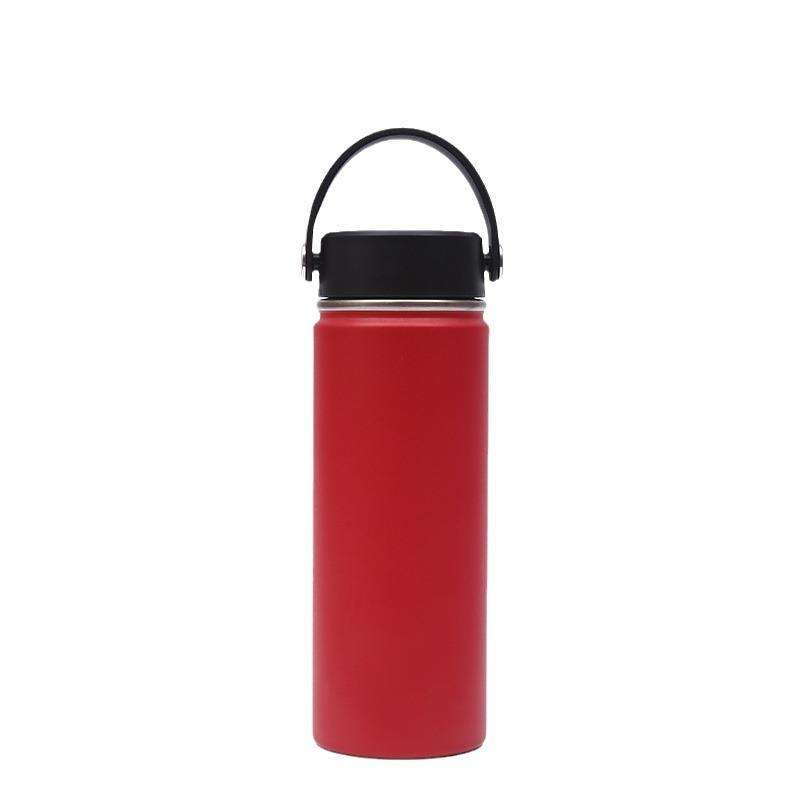
When you invest in a 40oz tumbler, you are not simply buying a container for your beverage. You are making a long-term commitment to a product that will endure daily drops, temperature swings, repeated washing, and constant handling. The materials used in manufacturing a 40oz tumbler are the single most critical factor determining whether it will remain functional and reliable after months or even years of heavy use. Understanding how those materials behave under real-world stress conditions can make the difference between a smart purchase and a costly replacement cycle.
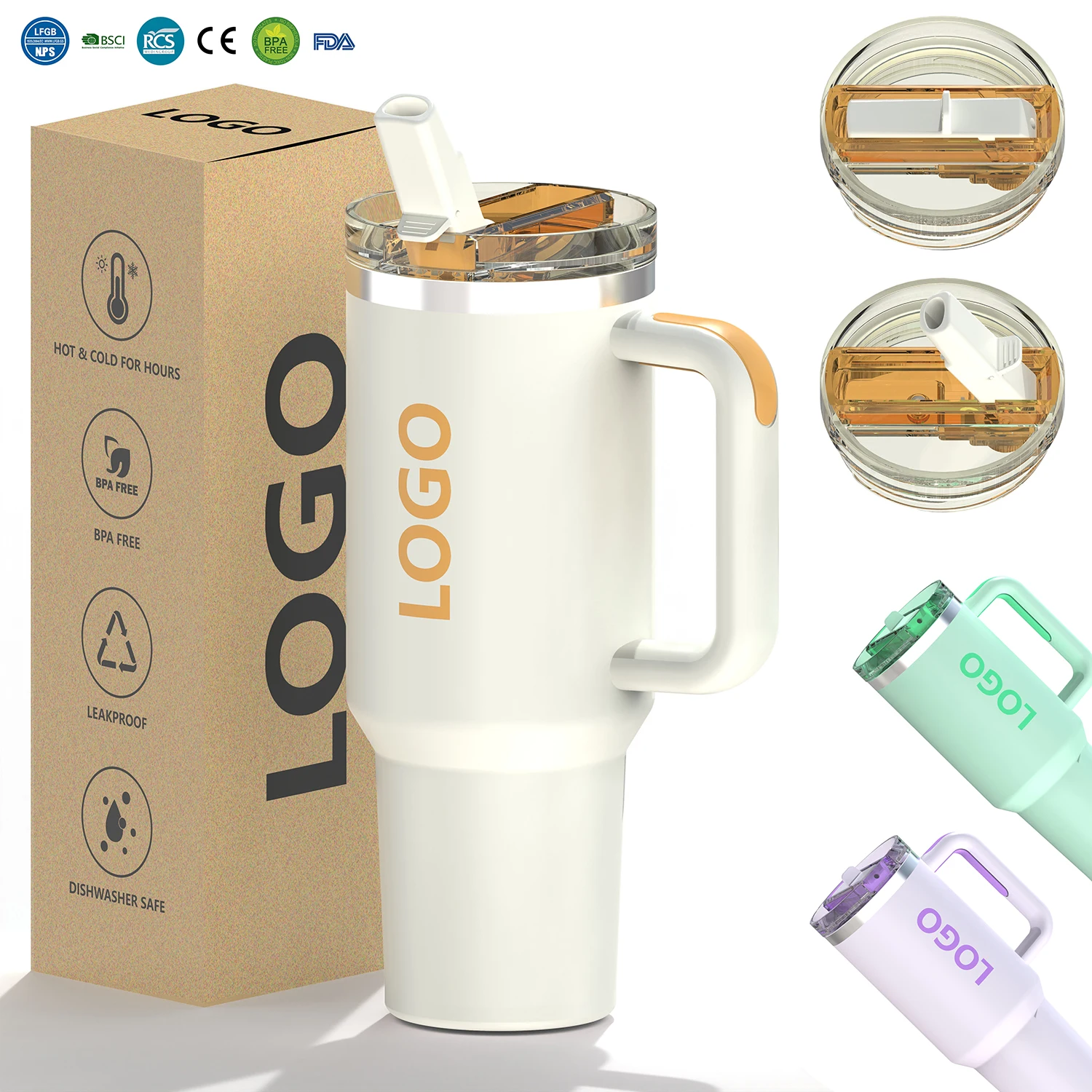
The 40oz tumbler market has expanded dramatically, and with that growth has come a wide variation in material quality and construction methods. From the outer shell to the inner lining, from the lid mechanism to the handle attachment, every component interacts with the environment and the user in ways that either accelerate wear or contribute to lasting resilience. This article explores in depth how material choices affect the structural integrity, thermal performance, hygiene safety, and overall lifespan of a 40oz tumbler under frequent everyday use.
The Role of Stainless Steel in Structural Durability
Grade Differences and Long-Term Resistance
Not all stainless steel is created equal, and the grade used in a 40oz tumbler has a direct and measurable effect on how long it will hold up under repeated use. The most commonly used grade in quality tumblers is 18/8 stainless steel, also referred to as 304 stainless. This grade contains 18 percent chromium and 8 percent nickel, giving it exceptional resistance to oxidation, staining, and mild corrosion. For a 40oz tumbler that is used daily and washed frequently, this resistance is not a luxury but a necessity.
Lower-grade stainless steel, such as 201 stainless, contains less nickel and is more susceptible to rust and pitting over time, especially when exposed to acidic beverages or harsh cleaning agents. A 40oz tumbler made with 201 steel may look identical to one made with 304 steel at the point of purchase, but the differences in durability become apparent within the first year of consistent use. Surface discoloration, metallic taste, and small rust spots are early signs that the base material was compromised from the start.
For B2B buyers sourcing 40oz tumblers at volume, specifying the exact stainless steel grade in procurement documents is essential. It protects end users from premature product failure and protects brand reputation when tumblers are given as corporate gifts or sold under a private label. The grade of steel is the foundation upon which all other durability factors rest.
Double-Wall Construction and Impact Performance
A 40oz tumbler built with double-wall stainless steel construction benefits from two layers of metal separated by a vacuum-insulated cavity. This design does more than preserve beverage temperature. It also adds a meaningful degree of structural reinforcement. When a tumbler is dropped on a hard surface, the outer wall absorbs and distributes the impact force more effectively than a single-wall design would, reducing the likelihood of permanent denting or deformation.
Frequent users often subject their 40oz tumbler to rough handling, whether it is being tossed into a gym bag, placed in a cup holder under pressure, or dropped on a concrete floor. Double-wall construction provides a physical buffer that protects the inner wall and the vacuum seal from catastrophic damage. If the vacuum seal is compromised by repeated impacts, the tumbler loses its thermal insulation properties even if it continues to hold liquid without leaking.
The thickness of each wall layer also matters. Thicker walls add weight but increase resistance to denting and warping. High-frequency users who prioritize longevity over portability tend to favor tumblers with heavier gauge walls because the structural trade-off proves worthwhile over a multi-year usage period. A well-constructed 40oz tumbler with appropriate wall thickness can withstand hundreds of impacts before showing visible wear.
Lid and Seal Materials Under Repeated Stress
Polypropylene Versus Higher-Grade Plastics
The lid of a 40oz tumbler is arguably the most stressed component in the entire product. It is removed and replaced dozens of times per day, subjected to temperature extremes from hot and cold beverages, and often exposed to dishwasher cycles that can degrade weaker materials rapidly. Polypropylene, the most common plastic used in tumbler lids, offers a reasonable balance of heat resistance, rigidity, and affordability. However, the quality of the polypropylene formulation varies significantly across suppliers.
High-density polypropylene retains its shape and sealing integrity far longer than lower-density variants when subjected to thermal cycling. For a 40oz tumbler used with hot coffee in the morning and iced drinks in the afternoon, the lid material needs to expand and contract without cracking or losing its fit. Lids that begin to warp after a few months of use create gaps that compromise the sealing mechanism and allow leaks, which is one of the most common performance complaints among frequent tumbler users.
Tritan, a BPA-free copolyester used in some premium tumblers, offers superior clarity and impact resistance compared to standard polypropylene. For brands targeting health-conscious consumers or premium market segments, specifying Tritan or equivalent food-grade plastics in the lid construction is a meaningful differentiator. The investment in higher-grade lid material pays off in customer satisfaction and reduced warranty claims over the product lifecycle.
Silicone Gaskets and Sealing Longevity
The silicone gasket inside the lid of a 40oz tumbler is a small but critical component that directly determines leak resistance over time. Food-grade silicone is inherently flexible, temperature-tolerant, and resistant to compression set, which means it maintains its sealing shape even after thousands of open-and-close cycles. In contrast, lower-grade rubber compounds used in cheaper gaskets lose their elasticity relatively quickly, resulting in a lid that no longer seals properly after sustained use.
Dishwasher compatibility is a major test for gasket materials. The combination of high heat, water pressure, and detergent chemistry in a dishwasher cycle creates a harsh environment that accelerates the degradation of inferior rubber compounds. A 40oz tumbler with a high-quality silicone gasket can typically withstand hundreds of dishwasher cycles without significant loss of sealing function. Products with substandard gaskets may begin to show leakage after as few as 30 to 50 machine washes.
From a B2B sourcing perspective, requesting material certifications for the gasket compounds used in a 40oz tumbler is a reasonable and important due diligence step. Food-grade and FDA-compliant silicone certifications indicate that the manufacturer has used materials appropriate for contact with beverages, not just the minimum cost option available. This detail rarely appears in marketing materials but is essential to the product's real-world durability and safety profile.
Exterior Coatings and Surface Finish Durability
Powder Coat Versus Paint and Their Wear Rates
The exterior finish of a 40oz tumbler is the first place where material quality becomes visible to the user. A tumbler that chips, peels, or fades after a few weeks of daily use creates a negative brand impression regardless of how well the core stainless steel body performs. Powder coating, the process of applying a dry polyester or epoxy powder electrostatically and then curing it under heat, produces a finish that adheres to the metal surface far more durably than liquid paint.
Powder-coated finishes on a 40oz tumbler can resist scratching, chipping, and UV fading significantly better than standard spray paint or wet coatings. The cured powder coat becomes part of the surface texture rather than a film sitting on top of it, which means it holds up under the abrasion of daily handling, bag storage, and surface contact. For custom branded tumblers, a durable exterior coating ensures that logos and color blocks remain visually intact long after the product is in use.
Some manufacturers apply a matte or textured powder coat that also improves grip, reducing the likelihood of the tumbler being dropped in the first place. This functional dimension of the coating choice extends beyond aesthetics into actual use-case performance. When evaluating a 40oz tumbler for bulk procurement, requesting cross-hatch adhesion tests or scratch resistance benchmarks on the exterior finish gives buyers objective data rather than relying solely on visual assessment.
Electroplating and Anti-Corrosion Treatments
Some 40oz tumbler designs incorporate electroplated finishes or additional anti-corrosion treatments on both interior and exterior surfaces. Electropolishing, for instance, smooths the microscopic surface texture of stainless steel, making it more resistant to bacterial adhesion and easier to clean. While primarily a hygiene enhancement, this treatment also reduces the surface area exposed to corrosive agents, which marginally but meaningfully extends the service life of the steel under acidic or alkaline beverage exposure.
Interior coatings in some tumblers include an enamel or ceramic layer applied over the stainless surface. These coatings are intended to provide a neutral flavor profile and prevent metallic taste transfer, but their durability is a point of concern under frequent use. Enamel coatings can chip if the tumbler is dropped hard or if metal utensils are used inside the container. Once the coating chips, the exposed steel underneath may begin to corrode locally, creating a hygiene issue over time.
For a 40oz tumbler intended for daily commercial or promotional use, uncoated food-grade 304 stainless steel on the interior often proves more durable than coated alternatives because it eliminates the risk of coating degradation entirely. The choice between coated and uncoated interiors reflects a genuine engineering trade-off between flavor neutrality and structural durability that buyers should evaluate based on their specific use context.
Handle and Attachment Point Durability
Material Choices for Handles Under Load
The handle is one of the most mechanically stressed components of a 40oz tumbler because it bears the full weight of the filled container every time the user lifts it. A 40oz tumbler filled with liquid weighs approximately 1.5 to 1.8 kilograms depending on the beverage and ice content. This load, applied repeatedly through a handle attachment point, creates cumulative mechanical stress that can cause failure over time if the handle material or attachment method is substandard.
Handles made from reinforced polypropylene or nylon composites tend to outperform those made from softer plastics under load cycling conditions. The rigidity of the material prevents gradual deformation of the grip, while the tensile strength of the polymer resists cracking at stress concentration points such as the mounting tabs or pivot points. Some premium 40oz tumbler designs use stainless steel handles with rubber overmolding, which combines the tensile strength of metal with the grip comfort of elastomer materials.
Buyers evaluating a 40oz tumbler for high-frequency commercial use should pay particular attention to how the handle attaches to the body. Handles that clip onto the tumbler body without permanent fastening are more convenient but inherently less durable than handles that are mechanically integrated into the tumbler's structural design. The quality of the attachment mechanism is often a reliable proxy for the overall manufacturing standard of the product.
Straw Material and Flow Durability
The straw included with a 40oz tumbler is frequently overlooked as a durability component, but it experiences significant wear from repeated cleaning, chewing, and exposure to temperature extremes. Reusable straws made from food-grade silicone maintain their flexibility and shape over a long service life, resisting permanent deformation even when bent repeatedly during use or cleaning. Polypropylene straws are stiffer and more resistant to crushing but may become brittle over time when exposed to UV light or repeated high-temperature washing.
Stainless steel straws offer the longest lifespan in terms of structural durability but require careful handling to avoid biting damage to lips or teeth, which makes them less suitable for certain user demographics. For a 40oz tumbler intended for active outdoor use or promotional distribution, silicone straws represent the most practical combination of safety, hygiene, and long-term durability. The straw material should be treated as a functional component with its own durability specification rather than an afterthought accessory.
FAQ
What is the best stainless steel grade for a durable 40oz tumbler?
The 304 grade, also known as 18/8 stainless steel, is widely considered the most appropriate material for a durable 40oz tumbler intended for frequent use. It provides excellent resistance to rust, corrosion, and staining across a wide range of beverage types and cleaning conditions. Specifying this grade when sourcing tumblers at volume is an important quality control measure that protects end-user experience and long-term brand value.
How does the lid material affect how long a 40oz tumbler lasts?
The lid material directly determines how well the 40oz tumbler maintains its leak-proof function over time. High-quality polypropylene or Tritan lids with food-grade silicone gaskets retain their shape and sealing integrity through hundreds of dishwasher cycles and temperature variations. Inferior plastic lids and rubber gaskets degrade faster, causing the tumbler to leak long before the stainless steel body shows any signs of wear.
Does the exterior coating on a 40oz tumbler affect its overall durability?
Yes, the exterior coating significantly influences the perceived and functional durability of a 40oz tumbler. Powder coat finishes adhere more strongly to the metal surface than liquid paint and resist chipping, fading, and scratching far better under daily use conditions. A durable exterior coating preserves branding integrity and helps the tumbler maintain its premium appearance over an extended service period, which is especially important for corporate promotional applications.
Can the handle attachment point be a weak spot on a 40oz tumbler?
Yes, the handle attachment point is one of the most mechanically stressed areas on a 40oz tumbler and can become a failure point if the design or materials are substandard. Handles attached with weak clips or low-grade plastic fasteners may crack or detach after months of bearing the full weight of the filled container. Choosing a 40oz tumbler with a robustly engineered handle attachment using high-tensile materials is essential for users who carry their tumbler frequently throughout the day.