
 EN
EN
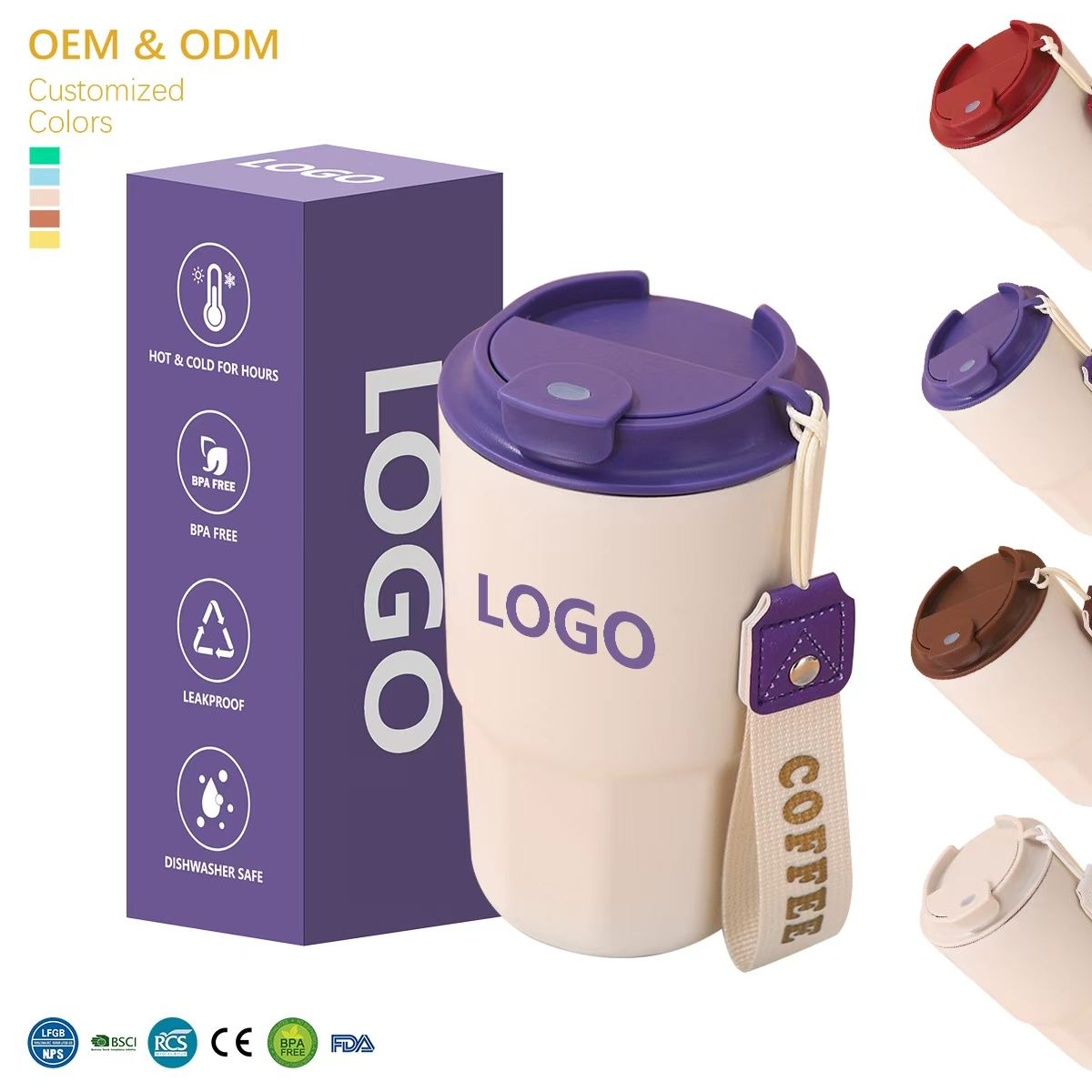
The marriage of advanced insulation technology and thoughtful design represents a revolution in how we experience wine on the go. Modern wine tumbler engineering demonstrates that temperature control and aesthetic appeal work synergistically to create vessels that preserve wine's delicate character while offering practical functionality. Understanding how these elements combine reveals why certain wine tumbler designs deliver superior performance across diverse drinking scenarios.
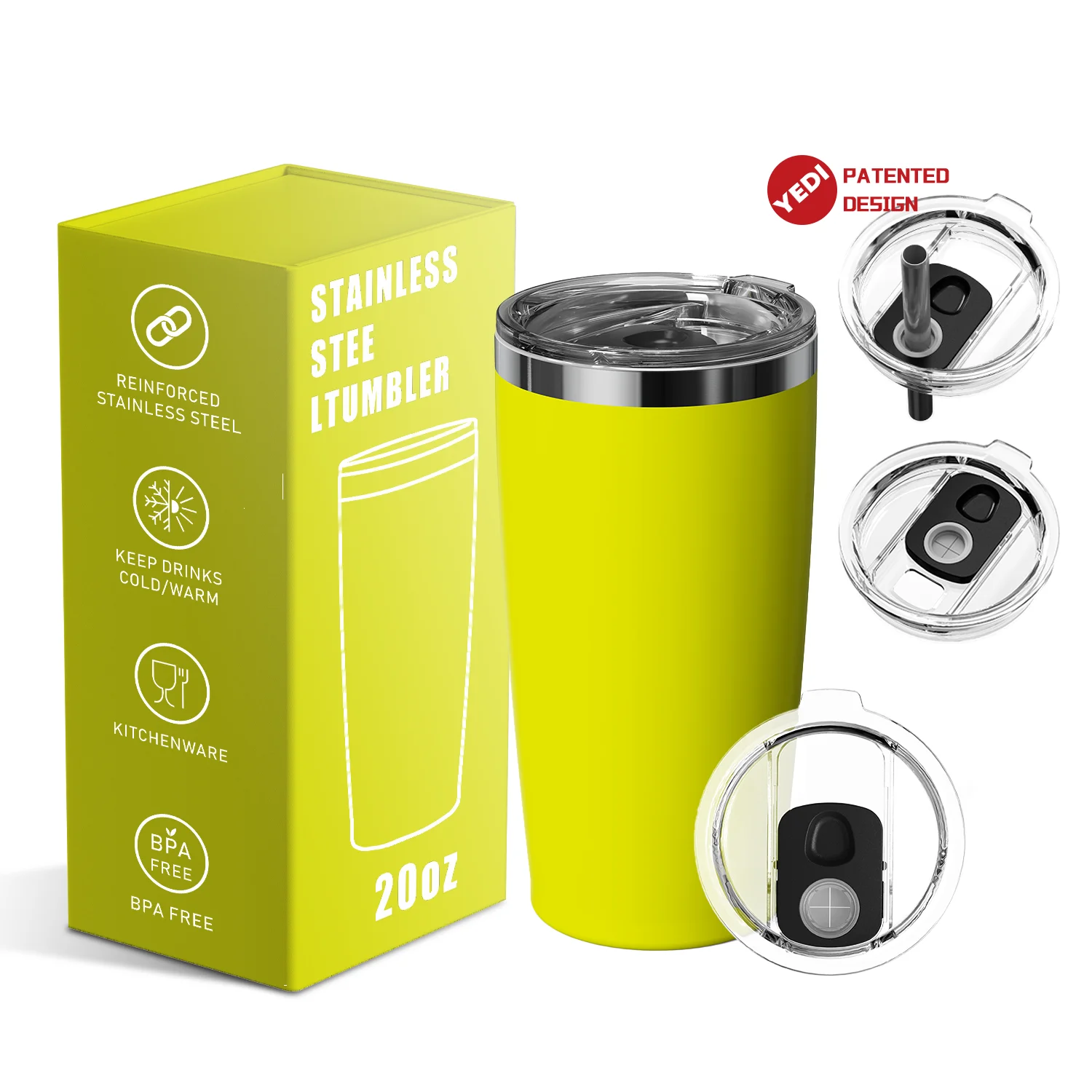
The science behind exceptional wine tumbler performance lies in the precise integration of thermal management and ergonomic design principles. When insulation technology meets strategic form factors, the result transforms casual wine consumption into an experience that rivals traditional glassware. This synergy between function and form creates opportunities for wine enthusiasts to maintain their standards regardless of location or circumstances.
The Science of Thermal Performance in Wine Tumbler Construction
Double Wall Vacuum Insulation Fundamentals
Double wall vacuum insulation forms the cornerstone of premium wine tumbler thermal performance. The vacuum layer between inner and outer walls eliminates conductive heat transfer, creating a barrier that maintains wine temperature for extended periods. This technology prevents external temperature fluctuations from affecting wine quality, ensuring that chilled whites remain crisp and room temperature reds maintain their intended serving temperature.
The effectiveness of vacuum insulation depends on manufacturing precision and seal integrity. High-quality wine tumbler construction employs welded joints and specialized closure techniques that maintain vacuum integrity over thousands of use cycles. The absence of air molecules in the vacuum space eliminates convective heat transfer, creating thermal resistance that significantly outperforms traditional single-wall containers.
Advanced wine tumbler designs incorporate copper plating or reflective coatings on vacuum-facing surfaces to minimize radiant heat transfer. These coatings reflect thermal energy back toward its source, further enhancing temperature retention capabilities. The combination of vacuum insulation with reflective barriers creates a multi-layer defense system against temperature variation.
Material Selection Impact on Temperature Control
Stainless steel grades used in wine tumbler construction directly influence thermal performance and durability. Food-grade 18/8 stainless steel provides optimal balance between thermal conductivity control and structural integrity. The material's low thermal conductivity prevents heat transfer through the tumbler walls while maintaining resistance to corrosion and flavor contamination.
Interior surface treatments play crucial roles in wine preservation and taste neutrality. Electropolished interior surfaces eliminate microscopic surface irregularities that could harbor bacteria or impart metallic flavors. This smooth surface treatment ensures that wine maintains its intended flavor profile without interference from container materials.
The thickness of stainless steel walls affects both insulation performance and structural durability. Optimized wall thickness provides sufficient material for effective vacuum sealing while minimizing unnecessary thermal bridging. Premium wine tumbler designs balance material efficiency with performance requirements to achieve maximum thermal effectiveness.
Design Elements That Enhance Wine Drinking Experience
Rim Engineering for Optimal Wine Flow
The rim design of a wine tumbler significantly impacts wine delivery to the palate and overall drinking satisfaction. Carefully engineered rim thickness and curvature control wine flow rate and distribution across taste receptors. Thin, precisely formed rims mimic traditional wine glass characteristics, enabling proper wine aeration and flavor development during consumption.
Rim diameter optimization accommodates different wine styles and drinking preferences. Wider openings facilitate wine breathing and allow for proper nose engagement, essential for full flavor appreciation. The relationship between rim width and wine tumbler capacity ensures proper proportions that enhance the drinking ritual.
Surface treatments on rim edges eliminate sharp transitions that could detract from drinking comfort. Smooth, rounded edges provide pleasant tactile feedback while preventing lip irritation during extended use. Premium wine tumbler designs incorporate specialized finishing techniques that create seamless transitions between rim and body surfaces.
Ergonomic Considerations in Wine Tumbler Shape
Handle and grip design directly influence wine tumbler usability and temperature isolation. Ergonomic considerations include hand size accommodation, grip security, and thermal isolation between hand and wine contents. Well-designed wine tumbler profiles provide secure grip surfaces while minimizing heat transfer from hand to beverage.
Weight distribution affects drinking comfort and perceived quality. Balanced wine tumbler designs place the center of gravity to promote natural hand positioning and reduce fatigue during extended use. The relationship between tumbler capacity and base diameter creates stability while maintaining portability for various use scenarios.
Surface textures on wine tumbler exteriors provide both aesthetic appeal and functional grip enhancement. Subtle texturing patterns improve hold security without compromising cleaning ease or professional appearance. These design elements contribute to user confidence and satisfaction during wine consumption.
Integration Strategies for Maximum Performance Benefits
Coordinated Thermal and Aesthetic Design Approaches
Successful wine tumbler design requires coordinated development of thermal performance and visual appeal elements. Color selections and surface finishes must accommodate thermal requirements while delivering desired aesthetic outcomes. Powder coating applications provide color options while maintaining thermal barrier integrity and surface durability.
Design integration extends to capacity optimization that balances wine serving standards with thermal mass requirements. Larger wine tumbler volumes provide greater thermal mass for temperature stability, while smaller sizes offer enhanced portability and faster temperature response. The optimal balance depends on intended use patterns and user preferences.
Lid design integration addresses both thermal sealing and user convenience requirements. Effective wine tumbler lids maintain vacuum seal integrity while providing easy access for wine service and cleaning. Advanced lid designs incorporate gasket systems and closure mechanisms that enhance overall system performance.
Manufacturing Process Coordination
Precision manufacturing techniques ensure consistent integration of insulation and design elements across wine tumbler production runs. Deep drawing processes create seamless body construction that eliminates thermal bridging points while maintaining structural integrity. Quality control measures verify vacuum seal effectiveness and dimensional accuracy throughout production.
Surface finishing coordination ensures that aesthetic treatments complement thermal performance requirements. Sequential processing steps maintain vacuum integrity while applying decorative elements and protective coatings. Advanced manufacturing protocols coordinate timing and temperature control across multiple process stages.
Testing and validation procedures confirm that integrated design elements deliver expected performance outcomes. Thermal testing protocols measure temperature retention under various conditions, while durability testing verifies long-term performance stability. Quality assurance measures ensure consistent wine tumbler performance across product lifecycles.
Real-World Applications and Performance Scenarios
Outdoor and Travel Wine Consumption
Wine tumbler performance in outdoor environments demonstrates the value of integrated insulation and design approaches. Temperature extremes, physical handling demands, and portability requirements create challenging use scenarios that test design effectiveness. Premium wine tumbler designs maintain wine quality under conditions that would compromise traditional glassware.
Travel applications require wine tumbler designs that accommodate space constraints while maintaining performance standards. Compact profiles and secure closure systems enable wine enjoyment during transportation without compromising thermal performance or spill prevention. Design integration ensures that portability enhancements support rather than compromise core functionality.
Durability requirements for outdoor use influence material selection and construction techniques. Wine tumbler designs must withstand impact, temperature shock, and repeated handling while maintaining vacuum integrity and surface quality. Advanced engineering approaches balance ruggedness with aesthetic appeal and thermal performance.
Professional and Entertainment Settings
Wine service in professional environments requires wine tumbler designs that meet both performance and presentation standards. Temperature control becomes critical in settings where wine may be served over extended periods or in variable ambient conditions. Design aesthetics must complement professional environments while delivering functional benefits.
Entertainment applications benefit from wine tumbler designs that enhance social experiences without compromising wine quality. Design elements that facilitate sharing, conversation, and extended enjoyment create value beyond basic thermal performance. Integration of practical features with appealing aesthetics supports diverse entertainment scenarios.
Volume capacity options accommodate different service requirements and consumption patterns. Wine tumbler designs must balance single-serving convenience with multi-use flexibility. Capacity planning considers wine serving standards, thermal mass requirements, and user preference variations across different market segments.
FAQ
How long can a well-designed wine tumbler maintain wine temperature?
Premium wine tumbler designs with integrated vacuum insulation and optimized thermal barriers typically maintain chilled wine temperatures for 6-12 hours and room temperature wines for 4-8 hours. Performance duration depends on ambient conditions, initial wine temperature, tumbler capacity, and seal integrity. Double wall construction with reflective coatings extends these performance windows significantly compared to single-wall alternatives.
What design features make the biggest difference in wine tumbler performance?
Vacuum insulation quality provides the most significant performance impact, followed by rim engineering and material selection. Precision-welded vacuum seals, food-grade stainless steel construction, and optimized rim geometry create the foundation for exceptional wine tumbler performance. Secondary features like ergonomic shaping and surface treatments enhance usability but depend on core thermal engineering for effectiveness.
Can wine tumbler design affect wine taste and aroma appreciation?
Yes, wine tumbler rim design, opening diameter, and interior surface treatments directly influence wine taste and aroma experience. Properly engineered rims control wine flow and enable appropriate aeration, while smooth interior surfaces prevent flavor contamination. Wide openings accommodate nose engagement for aroma appreciation, making design integration essential for maintaining wine quality standards.
How do material choices impact both insulation and design flexibility?
Stainless steel grades affect thermal conductivity, durability, and manufacturing flexibility for wine tumbler design. Higher-grade stainless steels provide better thermal isolation and corrosion resistance while enabling more complex forming operations for aesthetic features. Material selection influences available finishing options, color treatments, and long-term performance stability, making it a critical factor in integrated design approaches.