
 EN
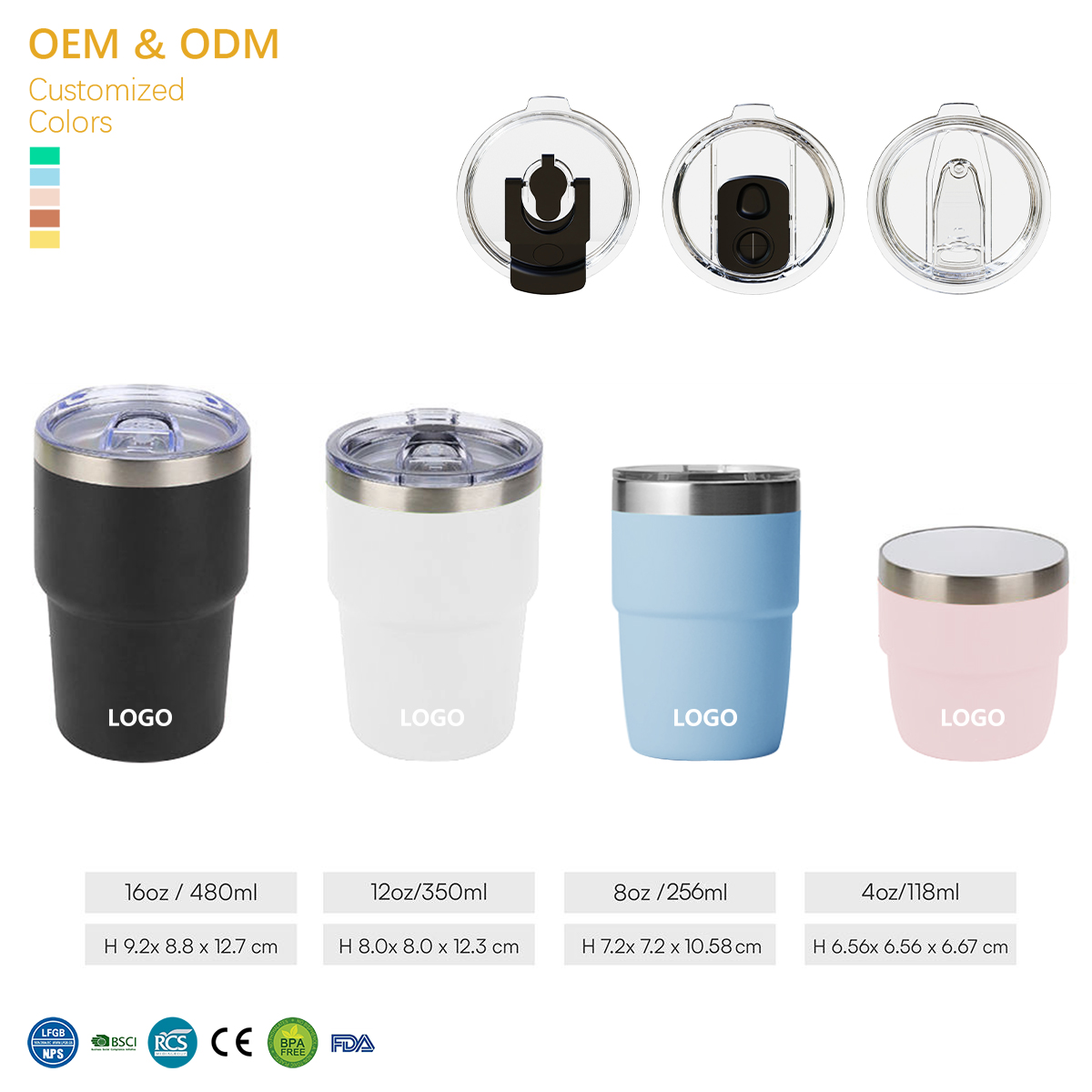
The lid is far more than a simple cap on an insulated tumbler. It is the primary interface between user and beverage, determining whether your drink stays hot or cold, whether it leaks during commutes, and whether daily use feels effortless or frustrating. An insulated tumbler's thermal performance means little if the lid fails to seal properly, difficult to operate, or uncomfortable to grip. This article explores how lid design directly shapes the practical usability of an insulated tumbler and why this component deserves serious attention when selecting or evaluating a tumbler for personal or professional use.
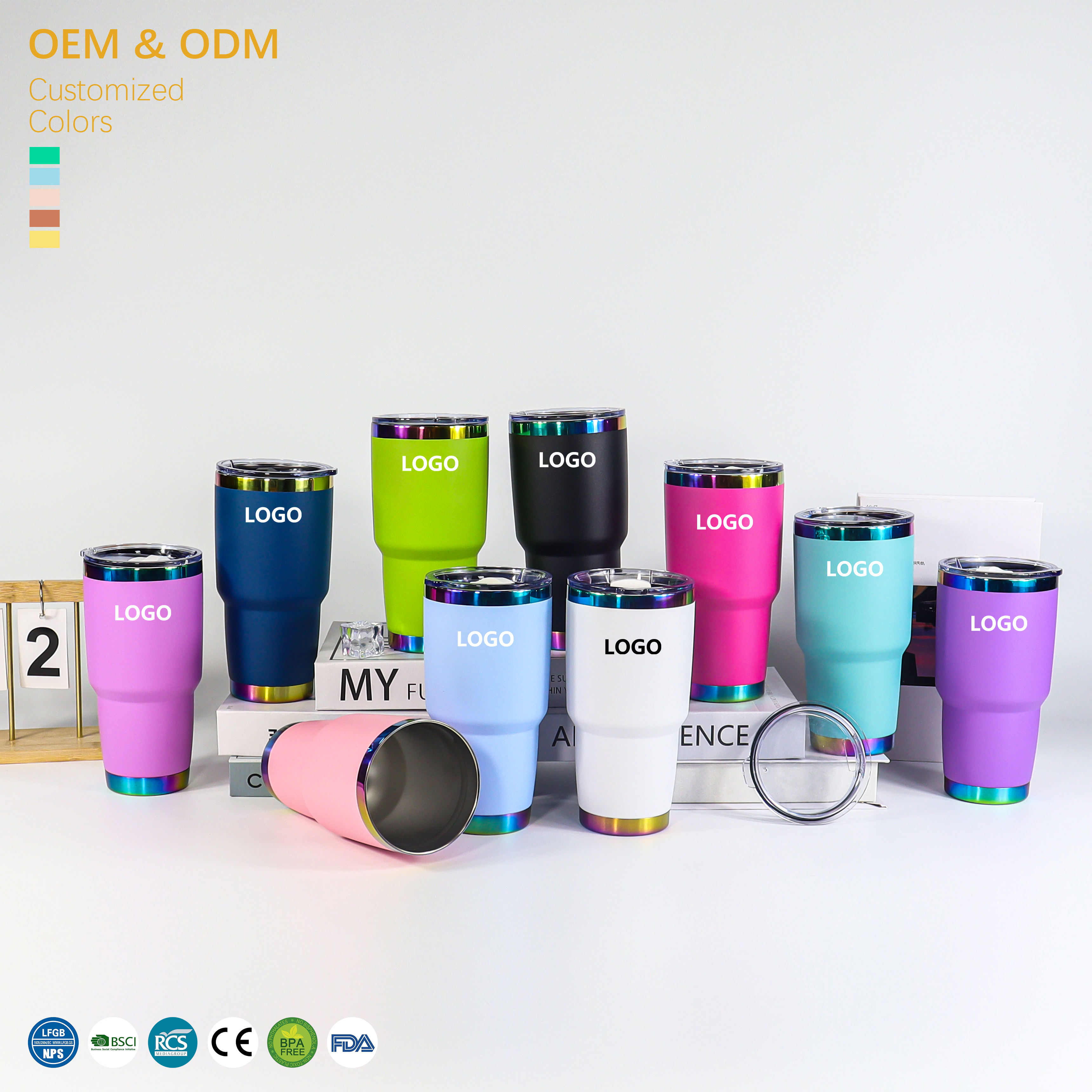
Every insulated tumbler design choice represents a trade-off between convenience, safety, maintenance, and performance. The lid mechanism, seal material, vent placement, and ergonomic features all influence how users interact with their tumbler throughout the day. Whether you prioritize spill prevention, ease of cleaning, one-handed operation, or compatibility with cup holders, the lid design determines whether your insulated tumbler meets those real-world expectations. Understanding these design factors helps users make informed choices and manufacturers build products that truly enhance daily beverage enjoyment.
Seal Integrity and Spill Prevention
How Seal Design Affects Leak Prevention
The seal is the core feature that separates a reliable insulated tumbler from a problematic one. A poor seal transforms an insulated tumbler into a liability in bags, vehicles, and workspaces. Effective seals use multiple contact points or layered gasket materials that compress uniformly when the lid is secured. Silicone rubber remains the industry standard for insulated tumbler gaskets because it resists temperature extremes, maintains flexibility over time, and creates consistent compression seals. The geometry of the seal channel matters equally; even minor misalignment or uneven material thickness compromises the entire seal system. Many modern insulated tumbler designs incorporate recessed gasket channels that guide the seal into proper position and prevent twisting during installation, reducing user error as a leak source.
Vent Design and Pressure Equalization
An insulated tumbler with a sealed lid must include a vent mechanism to prevent vacuum lock or pressure buildup. Without proper venting, an insulated tumbler becomes difficult to drink from or pour from because internal pressure resists opening the lid or allowing liquid to flow. Smart vent placement appears in superior insulated tumbler designs as small perforations or one-way valves positioned away from the drinking opening. These vents allow air exchange while preventing splashing and accidental spills. The vent diameter and placement directly influence whether an insulated tumbler feels easy to use during normal operation. An insulated tumbler with poorly designed vents frustrates users daily, creating the false impression that the product itself is defective when the real issue is the lid mechanism.
Operational Convenience and User Interface
One-Handed Operation and Grip Ergonomics
Modern professionals demand insulated tumbler lids that function without removing gloves, during commutes, or while driving. A well-designed insulated tumbler lid features a prominent, textured sliding mechanism that operates with minimal force and provides clear tactile feedback when fully open or closed. Grip ridges or knurled surfaces on the operating lever make an insulated tumbler practical for users with wet or cold hands. The lever position matters considerably; placing it where fingers naturally rest creates an intuitive insulated tumbler experience, while poorly positioned levers force awkward hand contortions. Weight distribution also influences how an insulated tumbler feels during one-handed operation; top-heavy designs that concentrate weight in the lid create fatigue during extended use. The best insulated tumbler lids operate with consistent resistance throughout the sliding motion, preventing the sudden snap that causes spills or surprises users.
Drinking Comfort and Sip Hole Design
The sip hole opening directly impacts whether an insulated tumbler feels natural and comfortable during actual drinking. Opening size influences drink flow rate, splash prevention, and lip contact comfort. A sip hole that is too large creates spillage and inconsistent drinking, while one that is too small frustrates users with slow flow and encourages forceful sipping that increases splash risk. The insulated tumbler sip hole should accommodate various lip sizes while maintaining control over the liquid stream. Many users prefer slightly beveled or rounded edges around the opening because they create a more natural drinking interface. Membrane designs on premium insulated tumbler lids reduce splash while maintaining easy sipping, improving the daily experience significantly. The sip hole position on the lid also affects how users tilt an insulated tumbler during drinking and whether they accidentally spill contents by tilting too far.
Maintenance, Durability, and Long-Term Usability
Disassembly and Cleaning Accessibility
An insulated tumbler that cannot be cleaned easily becomes a health concern and breeding ground for bacteria and mold. Superior lid designs feature fully removable gaskets and simple disassembly into two or three components that fit easily into dishwashers or hand wash basins. Complex multi-piece lids with hidden channels or sealed gaskets trap moisture and residue, making thorough cleaning nearly impossible. Users who invest in premium insulated tumbler products expect maintenance to be simple and straightforward. The best insulated tumbler designs use accessible gasket storage features and clearly labeled component orientation to simplify reassembly. Some insulated tumbler manufacturers provide cleaning brushes designed to reach all internal passages, demonstrating commitment to long-term usability. Poor cleaning accessibility transforms an insulated tumbler into a burden rather than a convenience, particularly for users who depend on thermal beverage containers for their professional environment.
Material Durability and Long-Term Performance
Insulated tumbler lids experience repeated thermal stress, mechanical wear, and environmental exposure that gradually degrade seals and mechanisms. Silicone gaskets in a quality insulated tumbler remain flexible and resistant to permanent compression for years when made from food-grade materials. Plastic components in insulated tumbler lids should use reinforced engineering polymers rather than thin commodity plastics that crack, discolor, or become brittle under temperature cycles. Stainless steel hinges, springs, or fasteners in insulated tumbler designs resist corrosion and maintain reliable function through thousands of open-close cycles. The insulated tumbler lid should feel as solid and reliable after one year of daily use as it did on day one. Materials compatibility is equally critical; an insulated tumbler lid made from incompatible materials experiences galvanic corrosion where different metals contact each other through condensation or beverage exposure. Testing insulated tumbler durability requires evaluating performance after exposure to hot liquids, cold liquids, freezing conditions, and extended use, not merely initial functionality.
FAQ
What makes an insulated tumbler lid truly leak-proof?
A truly leak-proof insulated tumbler lid combines multiple design features including a multi-layer gasket system with precise compression tolerance, a well-designed vent mechanism that prevents pressure buildup, and a lid body that fits the base with minimal gaps. The insulated tumbler seal must be made from food-grade silicone that resists temperature extremes and maintains flexibility throughout the product lifespan. Additionally, the lid's internal geometry should guide the gasket into proper position automatically, reducing user error during assembly. Testing an insulated tumbler for leak-proof performance should include tipping, shaking, and inverting tests with both hot and cold liquids, as temperature changes affect seal material behavior.
How does insulated tumbler lid design affect drink temperature retention?
While the insulated tumbler's body provides most thermal insulation through double-wall construction, the lid significantly impacts temperature retention by minimizing heat exchange at the opening. A poorly sealed insulated tumbler lid allows warm air to escape from hot beverages, reducing effective insulation. Conversely, a lid with excessive metal contact points on an insulated tumbler can create thermal bridges that conduct heat out of the system. The best insulated tumbler lids use materials with low thermal conductivity in critical areas while maintaining durable, functional components. Some premium insulated tumbler designs incorporate reflective coatings on internal lid surfaces to reduce radiant heat loss, extending temperature retention by several additional hours.
Can an insulated tumbler lid be easily replaced if it becomes damaged?
Many quality insulated tumbler manufacturers design their lids as separate, replaceable components that can be purchased independently when wear or damage occurs. This approach extends the useful life of the entire insulated tumbler product and reduces waste compared to discarding the entire unit. However, not all insulated tumbler brands offer aftermarket lid replacement, so checking manufacturer support policies is essential before purchase. When selecting an insulated tumbler, confirming that replacement lids are readily available and affordable ensures long-term usability. Some users also discover that insulated tumbler lids from different manufacturers may fit competing products, though this varies widely by design and base diameter.