
 EN
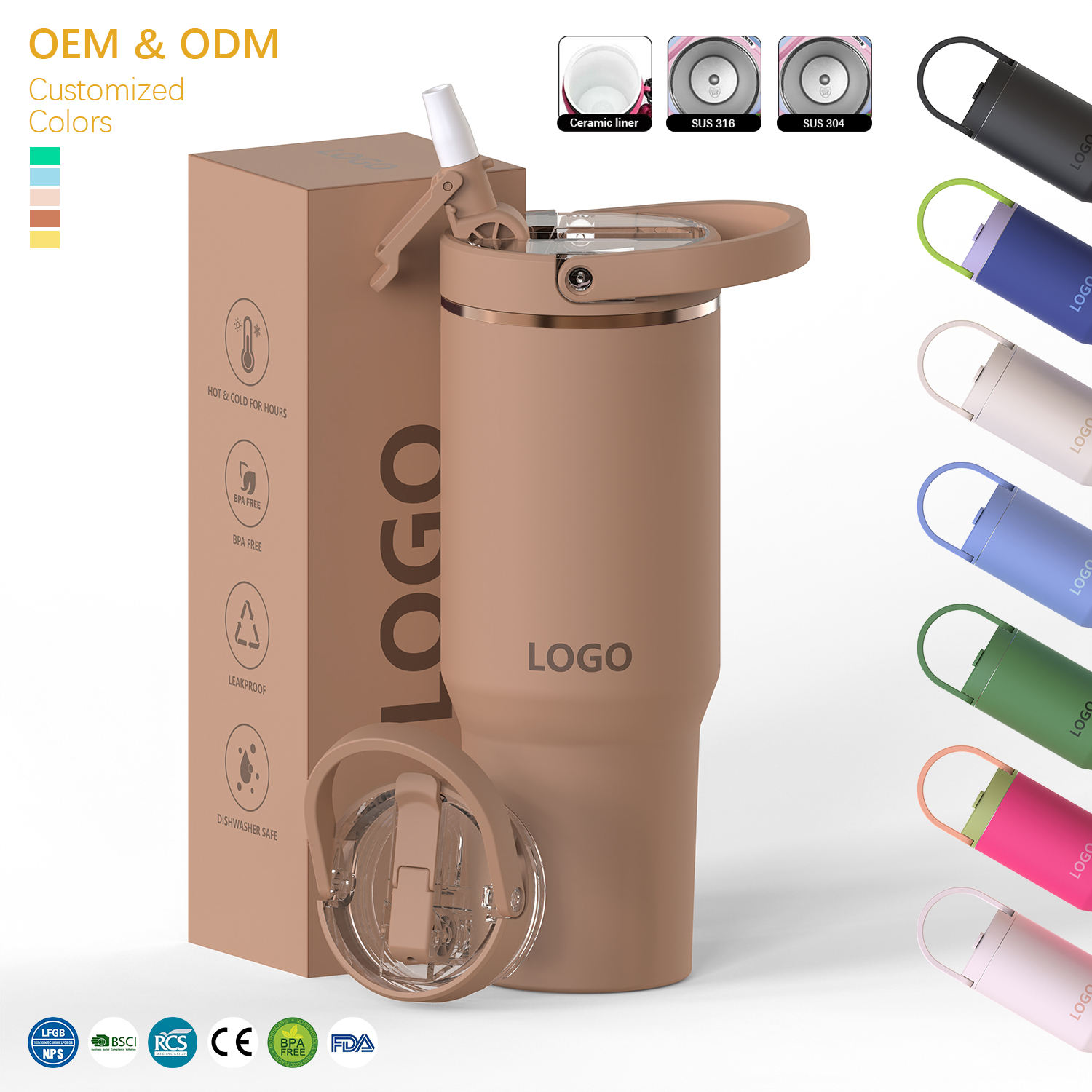
An insulated tumbler is designed to maintain beverage temperature, yet many users notice that their insulated tumbler performs inconsistently when switching between hot coffee and cold beverages. This performance variation stems from fundamental physics, material science, and engineering design choices that directly impact how well an insulated tumbler retains heat or cold. Understanding why an insulated tumbler behaves differently across temperature extremes helps consumers make informed choices and use their insulated tumbler more effectively.
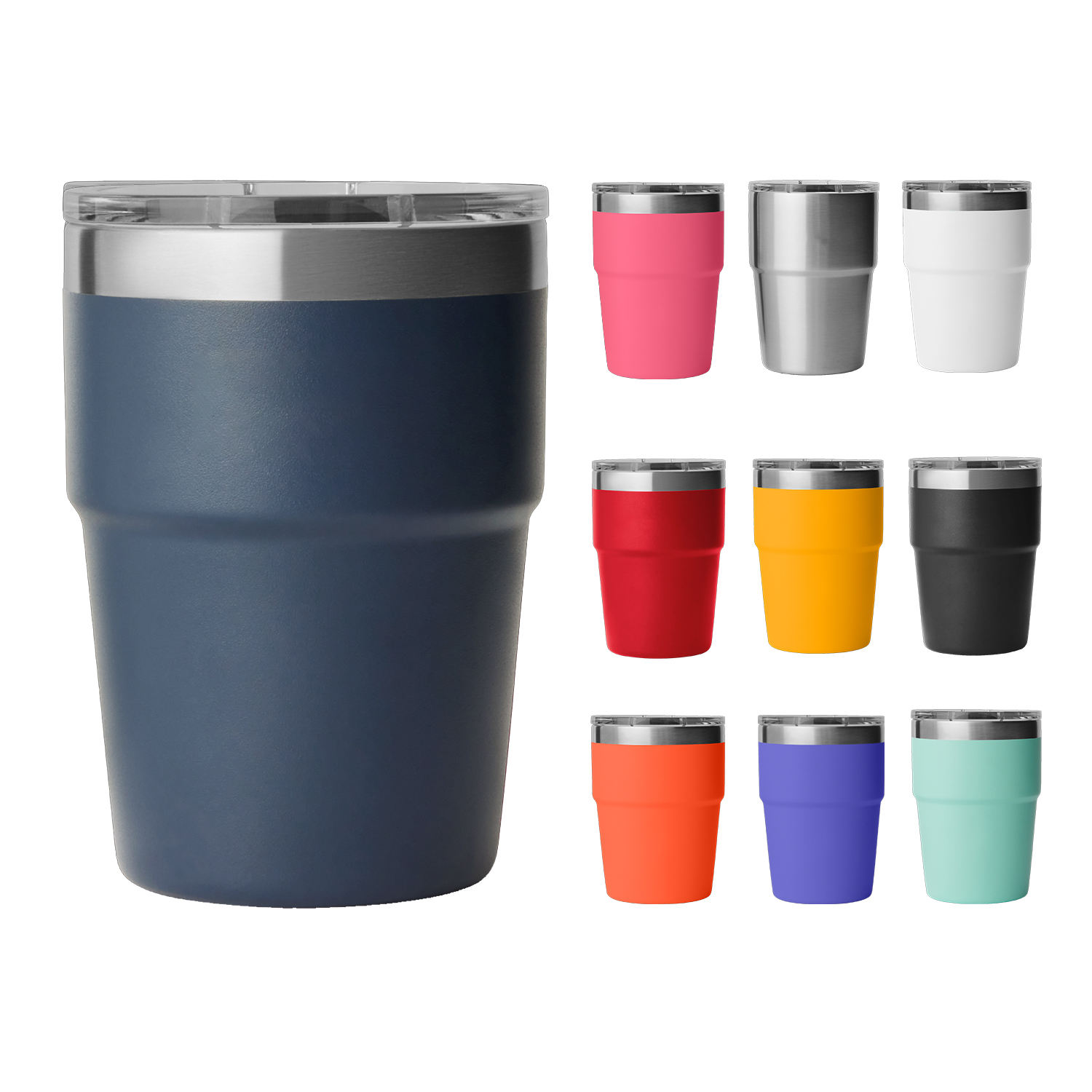
The science behind insulated tumbler performance involves thermal energy transfer mechanisms that operate differently depending on whether you're storing a steaming beverage or an ice-cold drink. An insulated tumbler relies on the principle of minimizing heat exchange between the inner liquid and the outer environment. However, the effectiveness of your insulated tumbler varies because hot and cold liquids interact with insulation materials in distinctly different ways, influenced by material properties, manufacturing precision, and lid design.
Core Insulation Material and Thermal Resistance
Double-Wall Construction in Insulated Tumbler Design
The most common insulated tumbler uses a double-wall construction with either air, foam, or vacuum between inner and outer walls. An insulated tumbler with vacuum insulation performs dramatically better than air-filled designs because vacuum eliminates the gas medium through which heat conducts. When you use an insulated tumbler for hot beverages, the vacuum space minimizes radiative and conductive heat loss. However, hot liquids generate stronger convection currents that can amplify heat transfer through the liquid itself, which means your insulated tumbler's insulation must work harder to contain thermal energy from a hot drink compared to a cold one.
Material Composition and Thermal Conductivity
An insulated tumbler typically uses stainless steel as the primary material because steel offers excellent durability and moderate thermal properties. The thickness and grade of steel directly affect how an insulated tumbler performs. A premium insulated tumbler features thicker stainless steel walls and superior vacuum sealing, which amplifies the performance difference between hot and cold scenarios. Lower-quality insulated tumbler products use thinner steel that allows greater heat transfer, making the tumbler less effective at retaining either temperature. The material choice in any insulated tumbler design is a compromise between weight, durability, and thermal performance.
Heat Transfer Physics and Temperature Dynamics
Directional Heat Flow in Hot versus Cold Scenarios
Heat naturally flows from hot to cold, which means an insulated tumbler containing hot liquid experiences outward heat transfer, while an insulated tumbler with cold liquid experiences inward heat transfer from the surrounding environment. This directional difference affects how effectively your insulated tumbler maintains temperature. With hot beverages, an insulated tumbler must resist heat loss to a cooler external environment. With cold beverages, an insulated tumbler must resist heat gain from a warmer external environment. The physics is symmetrical, but the practical performance of an insulated tumbler often differs because human usage patterns and environmental factors interact differently with each thermal direction.
Convection and Liquid-to-Wall Heat Transfer
Inside any insulated tumbler, the liquid itself drives heat transfer through convection. Hot beverages create stronger convection currents within the insulated tumbler because heated liquid becomes less dense and rises more vigorously. This convection intensifies contact between the liquid and the inner wall of your insulated tumbler, accelerating heat loss. Cold beverages in an insulated tumbler generate weaker convection patterns, which actually helps the cold beverage retain its temperature longer. This is why many users report that an insulated tumbler keeps cold drinks colder for longer than it keeps hot drinks hot, even when the insulated tumbler has identical insulation properties. The thermal dynamics of the liquid itself play a major role in your insulated tumbler's real-world performance.
Seal Quality and Lid Design Impact
Seal Integrity and Air Leakage
The lid is critical to insulated tumbler performance, yet seal quality often varies between manufacturers. A premium insulated tumbler features a tight silicone gasket and multi-point seal that minimizes air exchange between inside and outside. When using an insulated tumbler with a poor seal, heat escapes more rapidly from hot beverages, but the seal problem affects cold retention differently. An insulated tumbler with an imperfect seal allows ambient air to enter, which warms cold liquids faster than it would cool hot liquids, because the incoming air is typically room temperature. This asymmetry is why your insulated tumbler's seal quality appears to impact hot and cold performance differently.
Condensation and Moisture Dynamics
Condensation forms on the exterior of an insulated tumbler holding cold beverages because the outer wall temperature drops below the dew point. This condensation layer actually provides additional cooling feedback and visual evidence of temperature retention in your insulated tumbler. Conversely, an insulated tumbler holding hot beverages rarely produces external condensation. Some users misinterpret this as the insulated tumbler working better for cold drinks, when in fact the condensation is simply a side effect of physics rather than proof of superior thermal performance. Understanding this distinction helps you correctly assess your insulated tumbler's actual capabilities versus surface-level observations.
Straw and Opening Design
Many insulated tumbler models include a straw or spout opening, which creates a potential thermal weak point. An insulated tumbler with a flip-top lid and straw design can be excellent for both hot and cold drinks if the opening mechanism seals completely when closed. However, a loosely designed straw opening in an insulated tumbler allows air exchange even when the lid is closed, which undermines insulation effectiveness more for cold beverages than hot ones. When evaluating an insulated tumbler, check the seal quality around the straw access point because this often determines the real-world performance difference between your insulated tumbler's hot and cold retention capability.
Environmental Factors and Usage Patterns
Ambient Temperature and External Heat Transfer
The external environment dramatically influences how an insulated tumbler performs. An insulated tumbler used outdoors in direct sunlight loses cold retention capability faster because solar radiation adds external heat. The same insulated tumbler performs better for cold beverages in an air-conditioned office. For hot beverages, an insulated tumbler retains heat longer in cool or cold environments because the temperature gradient is larger. This environmental dependency is why an insulated tumbler might seem inconsistent across different usage scenarios, even though the tumbler itself hasn't changed.
Usage Duration and Heat Capacity
How long you leave an insulated tumbler sitting affects perceived performance. An insulated tumbler with hot coffee loses temperature gradually over several hours, while an insulated tumbler with cold water maintains its temperature but may reach thermal equilibrium with the environment eventually. The larger thermal mass of hot liquids sometimes makes an insulated tumbler appear to cool faster because the absolute temperature drop is more noticeable. An insulated tumbler with cold beverages might maintain a temperature longer in absolute hours, but the perception depends on how much temperature loss matters to your specific use case.
FAQ
Does an insulated tumbler work better for hot or cold drinks?
An insulated tumbler's insulation principle works equally well for both temperatures in theory, but hot beverages often cool faster in practice due to stronger internal convection and larger temperature gradients. Cold beverages may maintain temperature longer because they generate weaker convection patterns inside the insulated tumbler. The perceived performance difference in your insulated tumbler depends on lid seal quality, material thickness, vacuum integrity, and environmental conditions rather than the insulation principle itself.
Why does my insulated tumbler sweat on the outside with cold drinks?
Condensation on an insulated tumbler holding cold beverages is normal physics. The outer wall of your insulated tumbler drops below the dew point temperature when a cold liquid inside cools the exterior surface. This condensation is actually evidence that your insulated tumbler is working effectively because it shows significant temperature difference between inside and outside. An insulated tumbler holding hot beverages rarely displays external condensation because the outer wall stays warmer than the dew point.
How can I improve my insulated tumbler's performance for both temperatures?
Choose an insulated tumbler with vacuum insulation rather than air gaps, verify the seal quality around the lid gasket and straw opening, and select one with thick stainless steel walls. Preheating or precooling your insulated tumbler before use amplifies performance because it reduces the initial temperature gradient the insulation must manage. Store your insulated tumbler away from direct sunlight for cold beverages and in cooler environments for hot ones, since the external environment directly impacts how long your insulated tumbler maintains temperature.