
 EN
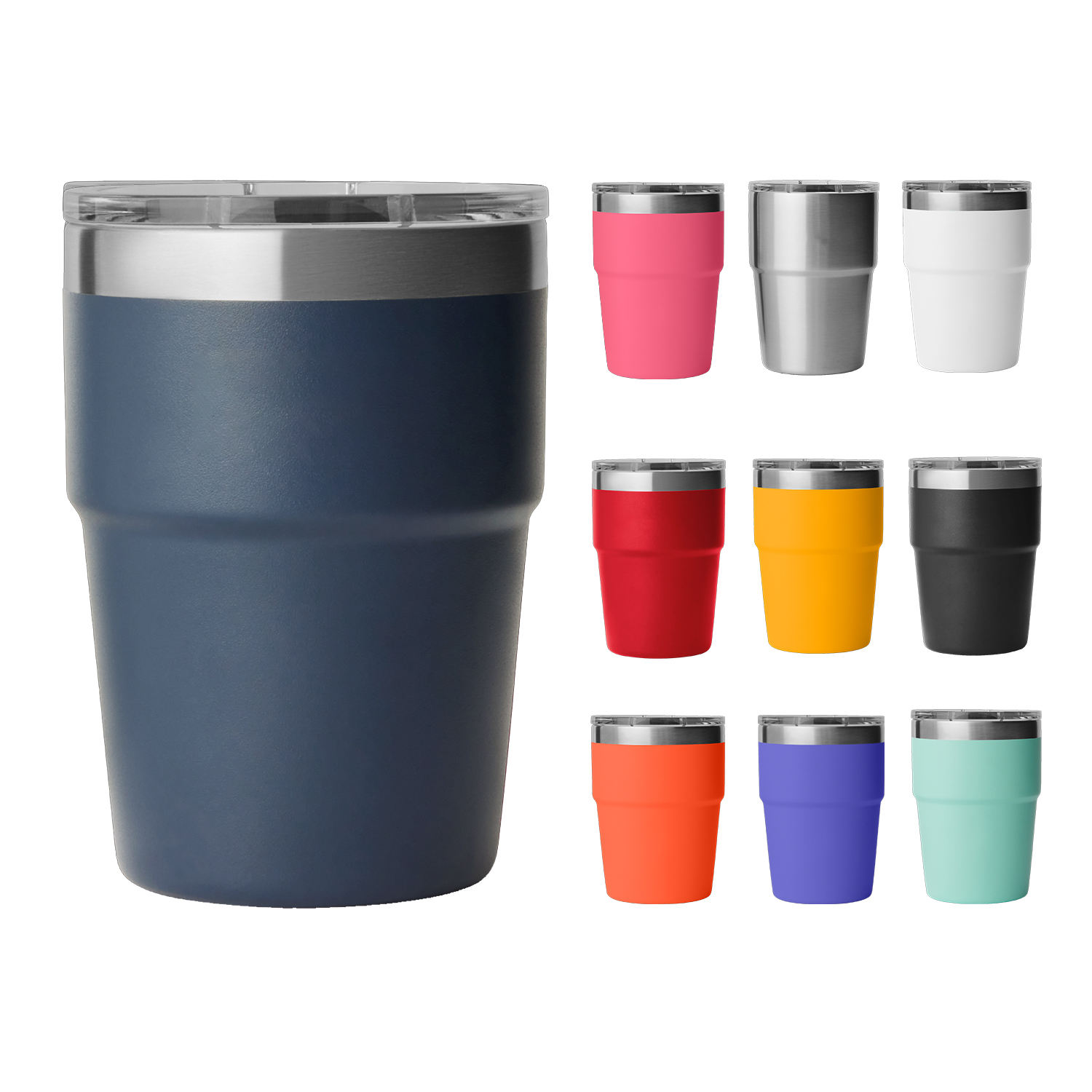
Choosing the right insulated tumbler depends largely on understanding the materials that create effective thermal barriers. An insulated tumbler works by trapping air or employing vacuum technology between inner and outer walls, and the success of this design depends entirely on material selection. Whether you're a daily commuter, outdoor enthusiast, or office worker, knowing which materials deliver superior performance in an insulated tumbler can transform your drinking experience. Different materials offer distinct advantages in durability, thermal retention, and overall performance, making material choice a critical decision when selecting an insulated tumbler.
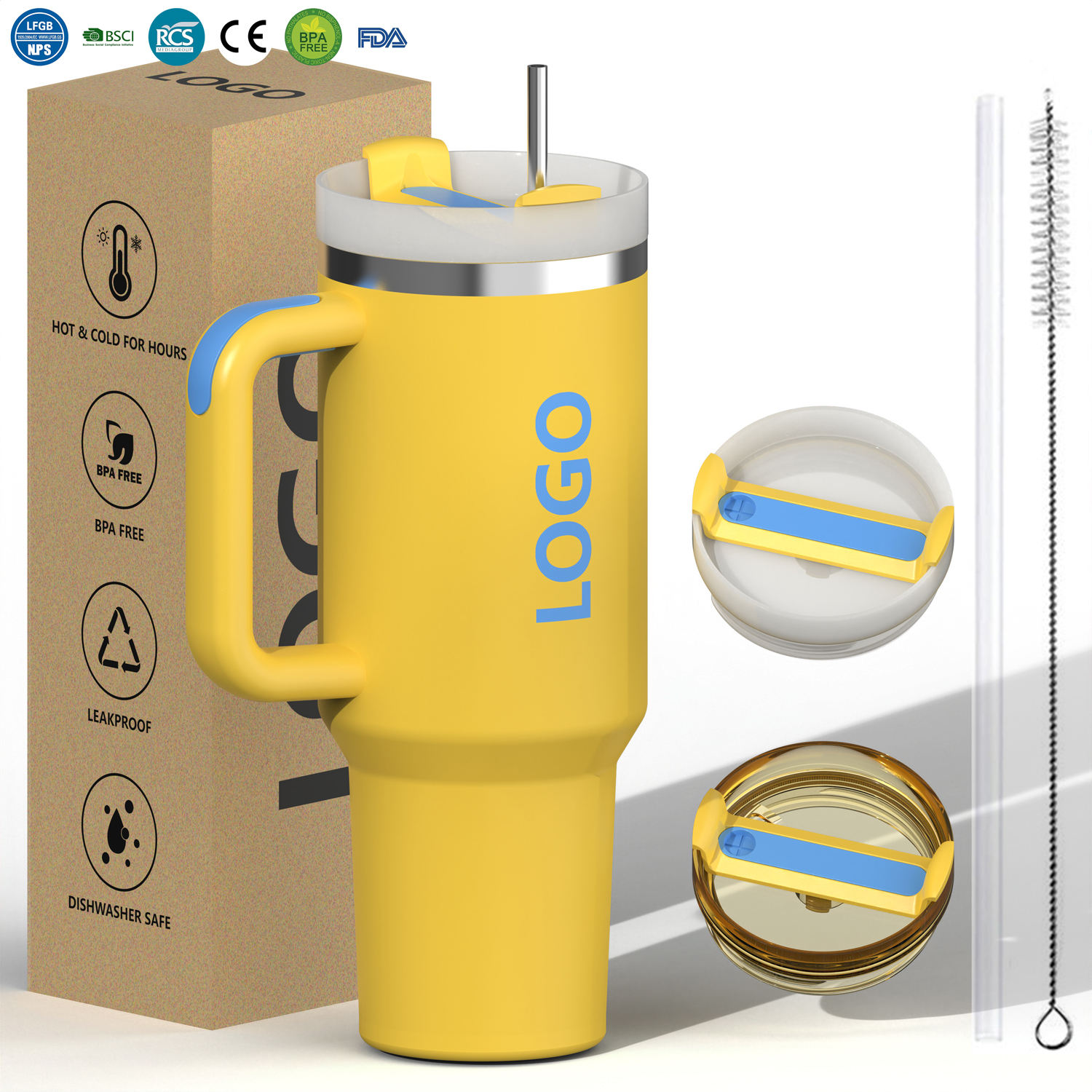
An insulated tumbler is fundamentally a vessel engineered to maintain beverage temperature by preventing heat transfer through its walls. The materials used in constructing an insulated tumbler directly influence how well it performs this function. High-quality insulated tumbler designs combine multiple materials strategically—each playing a specific role in thermal management, structural integrity, and user safety. Understanding these material combinations helps you make an informed decision about which insulated tumbler best suits your lifestyle and climate conditions.
Stainless Steel as the Primary Material for Insulated Tumblers
Why Stainless Steel Dominates Insulated Tumbler Construction
Stainless steel is the gold standard for insulated tumbler manufacturing because it combines thermal conductivity control with exceptional durability. Food-grade 18/8 stainless steel, the most common choice for premium insulated tumbler models, resists corrosion, maintains integrity across temperature extremes, and prevents metallic taste contamination. An insulated tumbler made with premium stainless steel provides a non-reactive inner surface that safely holds acidic beverages, hot coffee, and cold smoothies without degradation. The material's strength means your insulated tumbler can withstand daily impacts, dishwasher cycles, and years of regular use without denting or cracking.
Stainless Steel Performance in Insulated Tumbler Design
The thickness of stainless steel walls significantly impacts how long an insulated tumbler maintains temperature stability. A well-engineered insulated tumbler uses double-wall stainless steel construction, where an outer protective layer shields an inner thermal layer from direct contact. This design prevents condensation on the exterior of an insulated tumbler while maximizing insulation efficiency. Stainless steel's low thermal conductivity makes it ideal for insulated tumbler applications where rapid heat loss must be minimized, ensuring beverages stay hot or cold for extended periods.
Vacuum Insulation Technology in Insulated Tumblers
How Vacuum Technology Enhances Insulated Tumbler Performance
Vacuum insulation represents the most advanced material strategy for an insulated tumbler, creating a space between walls where heat transfer is nearly impossible. In a true vacuum insulated tumbler, removing air from the gap between inner and outer stainless steel walls eliminates the primary medium for heat conduction. This technology, combined with reflective coatings on the stainless steel surfaces, makes an insulated tumbler capable of keeping beverages at desired temperatures for 24 hours or longer. A vacuum insulated tumbler outperforms foam or air-filled alternatives because vacuum spaces create near-perfect thermal barriers without adding significant weight or bulk.
Material Layering in Vacuum Insulated Tumblers
Premium vacuum insulated tumbler construction involves multiple material layers working in concert. The outer shell is typically stainless steel for protection and aesthetics, while the vacuum space itself contains no material—it is the absence of conducting medium that creates efficiency. Some manufacturers add metallic reflective coatings to stainless steel surfaces within the vacuum insulated tumbler, which bounce thermal radiation back into beverages. This layered approach means a vacuum insulated tumbler represents the intersection of material science and engineering, delivering thermal performance that competing materials cannot match in comparable weight or thickness.
Supporting Materials in Insulated Tumbler Design
Silicone, Rubber, and Lid Materials in Insulated Tumblers
While stainless steel and vacuum technology form the core of an insulated tumbler, supporting materials play essential roles in functionality and user experience. Food-grade silicone gaskets in an insulated tumbler's lid create airtight seals that prevent spills and minimize temperature loss through the opening. Rubber base grips on an insulated tumbler improve handling comfort and provide non-slip surfaces during transit or outdoor activities. The lid of a quality insulated tumbler often combines polypropylene plastic with silicone valves, creating a sealed system that works seamlessly with the vacuum insulated tumbler's thermal protection.
Aesthetic and Protective Coatings in Insulated Tumblers
Many insulated tumbler manufacturers apply protective powder coatings or paint finishes to the exterior stainless steel surface. These coatings protect an insulated tumbler's underlying metal from fingerprints, minor scratches, and weathering while adding visual appeal. Epoxy-based coatings commonly used on insulated tumbler exteriors maintain their appearance through years of daily use. The inner surface of an insulated tumbler may receive a different treatment—sometimes a glossy enamel finish that aids cleaning while preserving the thermal integrity that makes an insulated tumbler effective for temperature maintenance.
Comparing Material Performance Across Insulated Tumbler Types
Thermal Retention Differences Across Insulated Tumbler Materials
A vacuum insulated tumbler typically maintains beverage temperature 50 percent longer than air-gap insulated tumblers, which use foam or simple air spaces between walls. The material composition determines whether an insulated tumbler can keep coffee hot for 12 hours or just 4 hours. Stainless steel thickness, combined with vacuum technology, defines the performance tier of an insulated tumbler—thicker walls and better vacuums mean superior insulation. When evaluating any insulated tumbler, material composition should guide your decision more than brand reputation or price alone, as material quality directly translates to daily performance.
Durability and Lifespan of Insulated Tumbler Materials
High-quality stainless steel in an insulated tumbler resists corrosion and denting for decades, making material selection crucial for long-term value. Cheaper insulated tumbler options using lower-grade stainless steel or plastic-dominant construction fail within 1–2 years as materials degrade. A properly constructed vacuum insulated tumbler with premium stainless steel components maintains its insulation properties indefinitely, as the vacuum itself does not deteriorate. When comparing insulated tumbler options, prioritize those using food-grade 18/8 stainless steel and advanced vacuum sealing, as these materials ensure your insulated tumbler investment provides years of reliable thermal performance.
FAQ
What is the best material for an insulated tumbler?
The best material for an insulated tumbler combines vacuum insulation technology with premium stainless steel construction. Vacuum insulated tumbler designs outperform all other material approaches because they eliminate air as a heat-transfer medium, keeping beverages at desired temperatures for extended periods. A properly designed insulated tumbler uses food-grade 18/8 stainless steel with reflective interior coatings to maximize thermal retention while resisting corrosion and daily wear.
Can plastic be used in an insulated tumbler?
Plastic rarely serves as the primary material for an insulated tumbler's thermal layer because plastic conducts heat significantly faster than stainless steel. However, food-grade plastic components appear in insulated tumbler lids, gaskets, and handles where they provide functionality without compromising thermal performance. An insulated tumbler relying on plastic for its inner walls will lose temperature control efficiency rapidly and cannot compete with stainless steel vacuum-based designs. For optimal thermal retention, an insulated tumbler must use stainless steel as the primary structural material.
How long does material insulation last in an insulated tumbler?
Vacuum insulation in an insulated tumbler is permanent and does not degrade with time, as a properly sealed vacuum contains no materials that can break down. The stainless steel and supporting materials in an insulated tumbler may show cosmetic wear after years of use, but the thermal insulation layer maintains full effectiveness indefinitely. A high-quality insulated tumbler with vacuum insulation will perform as effectively in year ten as it did when new, provided the seal between the double walls remains intact. Material quality during manufacturing determines whether an insulated tumbler's vacuum seal will hold for decades or fail prematurely.