
 EN
EN
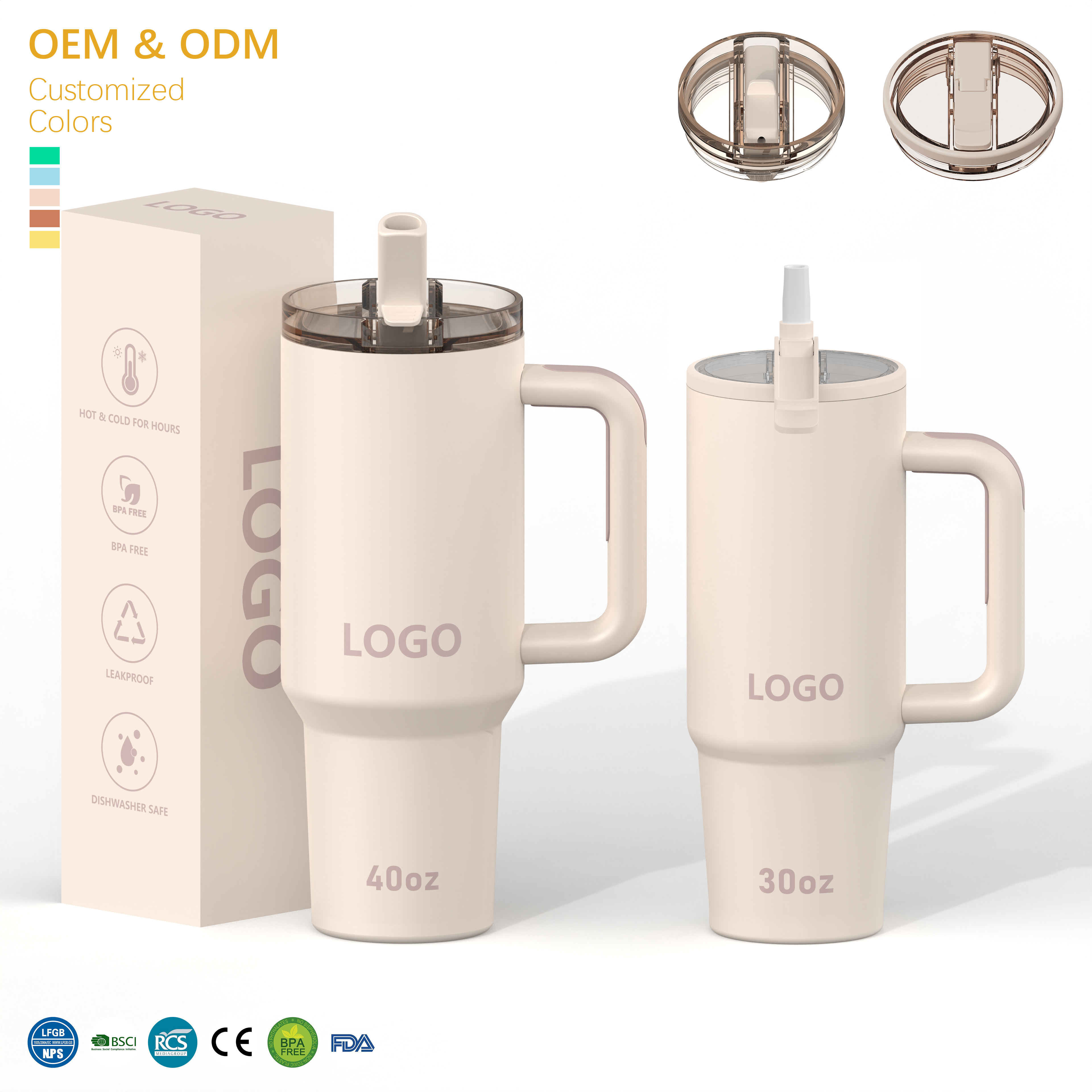
Large-capacity drinkware has become essential for consumers who prioritize hydration throughout their busy days, and the 40oz tumbler has emerged as a popular choice for its ability to hold enough liquid for extended periods without frequent refills. However, the functionality of these generous-sized vessels depends heavily on one critical component that often determines user satisfaction: the lid. The design and engineering of tumbler lids directly impact how effectively these containers prevent spills, maintain beverage temperature, and accommodate different drinking preferences throughout various daily activities. Understanding the relationship between lid design and practical usability reveals why this seemingly simple accessory plays such a pivotal role in the overall performance of oversized drinkware.
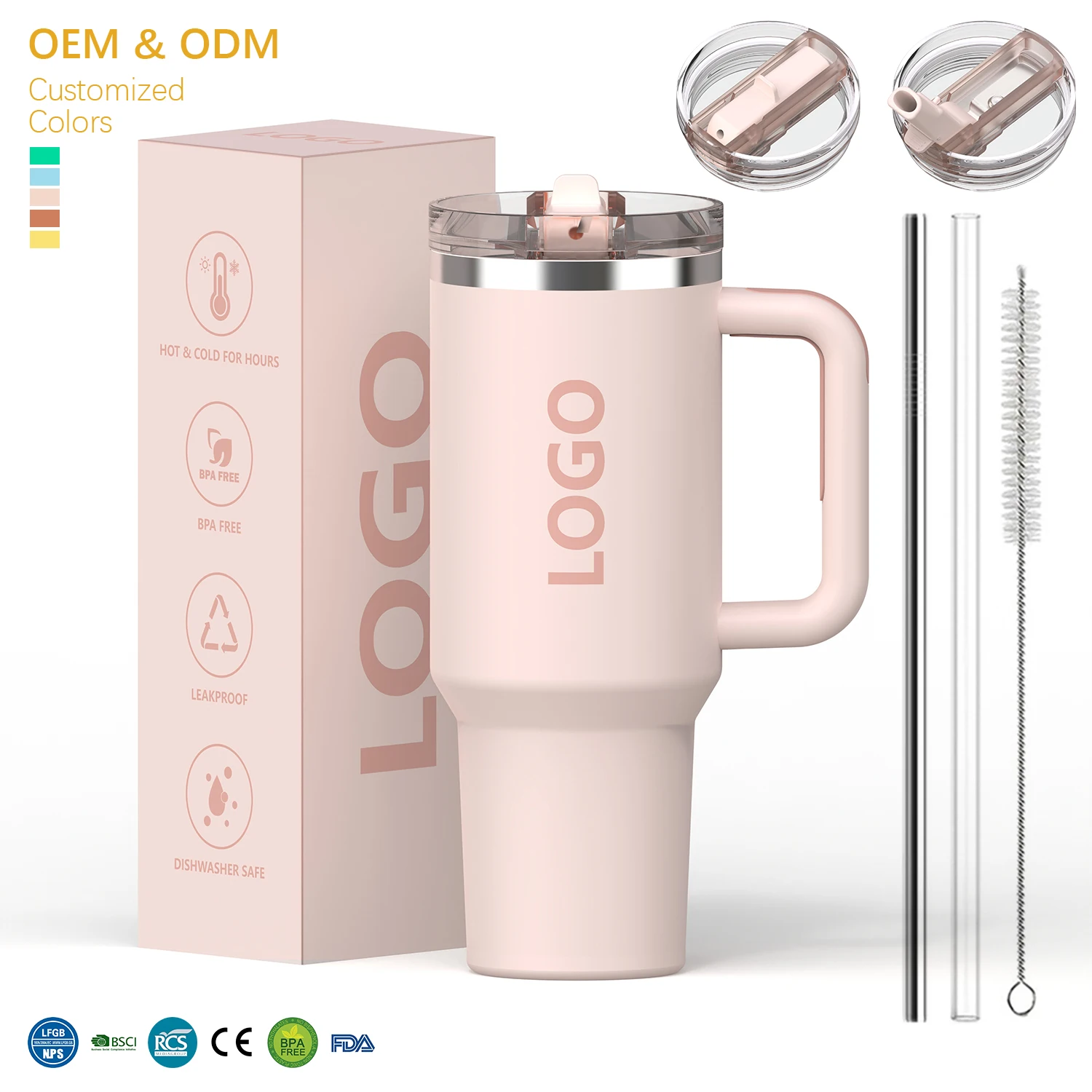
The engineering challenges inherent in creating an effective sealing system for a 40oz tumbler are considerably more complex than those faced with smaller drinkware formats. The increased volume means greater liquid weight, which generates more pressure against sealing components during movement and transportation. Additionally, the wider opening typically found on large tumblers requires more sophisticated closure mechanisms to maintain leak-proof integrity while still allowing convenient access for drinking, adding ice, or cleaning. The lid types available on the market today represent different approaches to solving these engineering challenges, each offering distinct advantages for specific usage scenarios while addressing the fundamental need to prevent spills and enhance daily usability for consumers who depend on their drinkware throughout demanding schedules.
Engineering Principles Behind Spill Prevention in Large-Capacity Tumbler Lids
Seal Integrity and Pressure Distribution Mechanisms
The foundation of spill prevention in any 40oz tumbler begins with the seal integrity between the lid and the container rim. High-quality lids incorporate food-grade silicone gaskets or rubber sealing rings that create compression zones when the lid is secured, effectively blocking liquid pathways even when the tumbler is inverted or subjected to impact. The seal must distribute pressure evenly around the entire circumference of the opening to prevent weak points that could allow seepage. In larger capacity tumblers, this becomes particularly critical because the increased liquid volume creates greater hydrostatic pressure at the base of the container, which translates to more force pushing against any potential leak points in the closure system.
Advanced lid designs for 40oz tumbler products incorporate multi-layer sealing architectures that provide redundant leak protection. These systems typically feature a primary seal at the outer rim contact point and secondary seals around drinking spouts or straw ports. The engineering logic behind this redundancy ensures that if one seal experiences temporary compromise due to debris, wear, or improper closure, the secondary barrier maintains spill prevention. The material science involved in these seals is equally important, as the silicone or rubber compounds must maintain their flexibility and compression properties across a wide temperature range, from freezing cold beverages to hot liquids, without degrading or losing their sealing effectiveness over thousands of opening and closing cycles.
Thread Design and Closure Force Optimization
The threading mechanism that secures lids to 40oz tumbler bodies represents a critical engineering element that balances ease of use with secure attachment. Thread pitch, depth, and engagement length all contribute to how effectively the lid compresses the sealing gasket while remaining convenient for users to operate with one hand. Finer thread pitches provide more precise control over compression but require more rotations to fully secure, while coarser threads allow faster closure but may provide less consistent seal compression. Manufacturers must optimize these parameters based on the specific diameter of their tumbler openings and the thickness of their sealing materials to achieve the ideal balance between security and usability.
Some high-end 40oz tumbler lids have moved beyond traditional screw threads to implement twist-lock or quarter-turn mechanisms that provide rapid securing action with minimal rotation. These designs typically incorporate cam-lock principles where rotational force translates into vertical compression through angled engagement surfaces. The advantage of these systems lies in their speed and tactile feedback, allowing users to quickly secure their lids with confidence that proper sealing has been achieved. The engineering challenge involves ensuring these quick-action mechanisms maintain consistent compression force over time as plastic components experience wear and thermal cycling, which requires careful material selection and precise manufacturing tolerances to guarantee long-term reliability.
Ventilation Control and Pressure Equalization
An often-overlooked aspect of spill prevention in 40oz tumbler lids involves managing internal pressure differentials that can develop due to temperature changes or altitude variations. When hot liquids cool or when users transport tumblers to different elevations, pressure imbalances between the interior and exterior environments can create suction that makes lids difficult to remove or generates positive pressure that forces liquid through drinking openings. Sophisticated lid designs incorporate pressure equalization valves or controlled ventilation pathways that allow air exchange while maintaining liquid containment, preventing both vacuum lock and pressure-driven leakage during normal use.
The placement and design of these ventilation features must be carefully engineered to function correctly regardless of tumbler orientation. Advanced 40oz tumbler lids position air exchange pathways in locations that remain above the liquid level during typical carrying angles, often incorporating labyrinth paths or hydrophobic barriers that permit air movement while blocking liquid passage. This becomes particularly important for tumblers used during physical activities where orientation constantly changes, as the ventilation system must reliably distinguish between air and liquid across a wide range of positions and movement patterns. The engineering complexity of these systems increases significantly with larger capacity tumblers because the greater liquid mass creates more substantial pressure variations during temperature changes and orientation shifts.
Specific Lid Type Categories and Their Usability Advantages
Flip-Top Spout Lids for One-Handed Convenience
Flip-top lids represent one of the most popular configurations for 40oz tumbler applications due to their exceptional balance of spill protection and convenient access. These lids feature a hinged cover that snaps over a drinking spout, creating a sealed barrier when closed while allowing instant single-handed access when needed. The mechanical advantage of flip-top designs lies in their spring-loaded closure mechanisms that automatically return to the sealed position, reducing the likelihood of accidental spills from forgotten open lids. For users who frequently sip beverages throughout the day while working, driving, or exercising, this automatic closure feature significantly enhances practical usability by eliminating the need to manually secure the lid after each drink.
The spout geometry in quality flip-top 40oz tumbler lids is specifically engineered to control liquid flow rate and prevent surge spills when drinking. Contoured spout openings direct liquid flow toward the center of the user's mouth while minimizing splash and dribble along the exterior surfaces. The size of the spout opening represents a critical design balance—larger openings permit faster flow for users who want quick hydration, while smaller openings provide more controlled sipping and reduce the risk of over-pouring. Premium flip-top lids often incorporate graduated opening sizes or adjustable flow controls that allow users to customize the experience based on beverage type and drinking preference, adding another layer of functional versatility to these already practical lid designs.
Straw Lid Systems with Integrated Sealing Technology
Straw-compatible lids have gained tremendous popularity for 40oz tumbler users who prefer hands-free drinking or want to protect their dental health by minimizing direct contact between beverages and tooth enamel. These lids incorporate sealed ports that accommodate reusable straws while maintaining spill-proof integrity when properly assembled. The sealing challenge in straw lid designs involves creating a tight barrier around the straw itself, typically achieved through silicone grommets or gaskets that compress against the straw exterior. Higher-quality straw lid systems feature built-in straw stoppers or caps that seal the straw opening when not in use, providing complete spill protection during transportation and preventing debris contamination between drinking sessions.
Advanced straw lid designs for 40oz tumbler applications incorporate splash guards or baffle systems within the lid interior that reduce liquid movement during carrying and prevent surge spills when users initially draw liquid through the straw. These internal structures disrupt wave action inside the large capacity container, which is particularly important because the substantial liquid volume in a 40oz tumbler can generate considerable momentum during movement. The engineering of these baffle systems must balance spill reduction with ease of cleaning, as complex internal geometries can trap residue and become difficult to sanitize. Modern designs increasingly feature removable splash guard components that snap into the lid assembly, allowing thorough cleaning while maintaining the anti-slosh functionality that enhances daily usability.
Sliding Closure Lids for Versatile Access Control
Sliding closure lids offer a different approach to access control by incorporating a panel that slides across the drinking opening to seal or expose the aperture. These designs provide excellent spill protection in the closed position while allowing users to easily adjust the opening size based on drinking preference or beverage type. The mechanical simplicity of sliding closures contributes to their reliability, as there are fewer moving parts compared to flip-top hinges or complex valve systems. For 40oz tumbler users who appreciate straightforward, durable design, sliding lids present an attractive option that combines robust leak protection with intuitive operation that remains functional even after extended use and exposure to various environmental conditions.
The track or channel that guides the sliding panel in these 40oz tumbler lids must be precisely engineered to ensure smooth operation without gaps that could permit leakage. Quality sliding lid designs incorporate raised ridges or gasket strips along the track edges that create compression seals when the slider is positioned over the drinking opening, effectively blocking liquid passage even when the tumbler experiences impact or inversion. The slider mechanism itself typically features detent positions that provide tactile feedback when fully closed or fully open, helping users confirm proper positioning without visual inspection. This tactile confirmation becomes especially valuable during activities like driving or exercising where users cannot easily look at their tumbler to verify lid status, enhancing safety and preventing accidental spills during distracted moments.
Material Selection and Its Impact on Lid Performance
Polymer Choices for Structural Components
The primary structural material for most 40oz tumbler lids consists of various engineering-grade polymers selected for their balance of durability, safety, and manufacturing efficiency. Polypropylene and Tritan copolyester represent two common choices, each offering distinct advantages for lid applications. Polypropylene provides excellent chemical resistance and maintains structural integrity across a wide temperature range while remaining cost-effective for mass production. Tritan copolyester offers superior impact resistance and clarity for transparent lid components, though at a higher material cost. Both materials can be formulated to meet BPA-free requirements that have become standard expectations for food-contact drinkware, addressing consumer health concerns while delivering the mechanical properties necessary for reliable lid function.
The polymer selection directly affects how well a 40oz tumbler lid maintains its dimensional stability over time and across varying environmental conditions. Temperature cycling from cold beverages to hot liquids can cause inferior materials to warp, contract, or become brittle, compromising seal integrity and creating gaps that permit leakage. Premium lids manufactured from high-grade polymers resist these degradation mechanisms, maintaining consistent fit and function throughout thousands of use cycles. The material's resistance to staining and odor absorption also contributes to long-term usability, as tumblers used for diverse beverages from coffee to protein shakes can quickly develop unpleasant residual smells or discoloration if the lid material is porous or chemically reactive with common beverage components.
Silicone Gasket Engineering for Reliable Sealing
The silicone gaskets and sealing components in 40oz tumbler lids represent critical elements that directly determine spill prevention effectiveness. Food-grade silicone offers ideal properties for sealing applications, including excellent compression set resistance that allows the material to repeatedly compress and return to its original shape without permanent deformation. This resilience ensures that seals maintain their effectiveness over extended periods rather than flattening out and losing sealing capability after initial use. The Shore hardness of the silicone must be carefully specified—too soft and the material may tear or fail to provide adequate sealing force, too hard and the gasket cannot conform to minor imperfections in the mating surfaces that would otherwise create leak paths.
Temperature performance of silicone seals becomes particularly important for 40oz tumbler applications where users expect to carry both iced beverages and hot drinks in the same container. Quality silicone formulations maintain their flexibility and sealing properties from below freezing temperatures up to boiling point and beyond, ensuring consistent performance regardless of beverage choice. The silicone must also resist degradation from exposure to oils, acids, and other beverage components that could otherwise cause swelling, hardening, or chemical breakdown of inferior sealing materials. Premium 40oz tumbler manufacturers often specify platinum-cured silicone rather than peroxide-cured alternatives because platinum-cured materials offer superior purity, reduced odor, and better long-term stability, though at increased material cost that reflects in the overall product quality.
Coating Technologies for Enhanced Functionality
Advanced 40oz tumbler lids increasingly incorporate specialized surface coatings that enhance usability through improved grip, antimicrobial properties, or stain resistance. Soft-touch coatings applied to lid exteriors provide tactile grip enhancement that makes lids easier to remove and reinstall, particularly when hands are wet or when users wear gloves. These coatings typically consist of polyurethane or rubber-like materials that bond to the underlying polymer substrate, creating a non-slip surface texture that significantly improves handling during everyday use. The durability of these coatings varies considerably based on formulation and application method, with premium lids featuring coatings that resist wear and peeling even after extended exposure to UV light, repeated washing, and mechanical abrasion from bag storage.
Antimicrobial coatings represent another functional enhancement appearing in higher-end 40oz tumbler lids, addressing concerns about bacterial growth in the moist environment around drinking spouts and straw ports. These treatments typically incorporate silver ions or other antimicrobial agents embedded in the surface layer, which inhibit bacterial colonization and reduce odor development between cleanings. While these coatings do not eliminate the need for regular washing, they provide an additional margin of hygiene protection that appeals to health-conscious consumers. The effectiveness and longevity of antimicrobial treatments vary based on the specific technology employed, with some coatings gradually losing efficacy through leaching or abrasion while more advanced systems feature antimicrobial agents chemically bonded to the polymer matrix for lasting protection throughout the product lifecycle.
Practical Usage Scenarios and Lid Type Selection Guidance
Automotive and Commuting Applications
For users who primarily consume beverages during driving or commuting, the lid type on a 40oz tumbler dramatically affects both safety and convenience. Flip-top spout lids excel in automotive environments because they permit true one-handed operation—drivers can flip the spout open with their thumb, take a drink, and allow the spring-loaded closure to automatically reseal without diverting attention from the road. The automatic closure feature provides critical safety benefits by eliminating the need to manually replace a cap or screw on a lid while operating a vehicle. The spout design also controls flow rate in a way that reduces the risk of beverage surge during sudden vehicle movements, preventing spills that could create dangerous distractions or damage vehicle interiors.
Straw lid configurations offer similar hands-free advantages for automotive use, though with different ergonomic considerations. A 40oz tumbler with a well-designed straw lid allows drivers to maintain both hands on the wheel while sipping, simply leaning slightly toward the straw without needing to tilt the entire container or manipulate lid components. This approach minimizes the physical coordination required for drinking while driving, potentially improving safety during beverage consumption. However, straw lids for automotive applications should ideally incorporate straw caps or seals that prevent spills from straw openings during vehicle acceleration, braking, or cornering, as the open straw port represents a potential leak path if liquid sloshes during these dynamic movements. Premium straw lid designs address this concern through internal baffles and precisely-sized straw grommets that minimize liquid escape even during aggressive vehicle maneuvers.
Outdoor Recreation and Active Lifestyle Integration
When 40oz tumbler users engage in outdoor activities like hiking, camping, or sports participation, lid selection priorities shift toward maximum spill protection and durability under impact. Screw-top lids with robust threading and substantial sealing gaskets provide the most reliable leak prevention during activities involving significant movement, orientation changes, or the possibility of drops and impacts. These lids create the most secure seal available, making them ideal for tumblers stored in backpacks or equipment bags where the container may experience significant jostling and pressure from surrounding items. The trade-off involves reduced convenience for frequent access, as users must fully unscrew the lid for each drink, but the enhanced security justifies this inconvenience for scenarios where spill prevention takes priority over quick access.
For less intense outdoor activities or recreational scenarios where users want reasonable spill protection combined with easier access, flip-top sport lids designed specifically for active use provide an excellent middle ground. These specialized lids for 40oz tumbler applications feature reinforced hinge mechanisms and more substantial locking mechanisms than standard flip-tops, ensuring that closures remain secure during physical activity while still permitting rapid one-handed access during brief rest periods. The spout covers on sport-oriented flip-top lids typically feature more positive locking mechanisms—often requiring deliberate press-and-flip actions to open rather than simple flip motions—which prevents accidental opening during vigorous movement while remaining accessible when needed. This design philosophy recognizes that outdoor recreation users need lids that can withstand more demanding conditions than typical office or home use while maintaining the convenience that makes large-capacity tumblers practical for extended outdoor sessions.
Office and Professional Environment Considerations
In office settings and professional environments, 40oz tumbler users often prioritize lids that balance spill protection with quiet, unobtrusive operation and professional appearance. Sliding closure lids excel in these contexts because they operate silently without the snap or click sounds associated with flip-top mechanisms, allowing users to access their beverages during meetings or in quiet workspace environments without creating audible distractions. The smooth, clean lines of sliding lid designs also tend to present a more refined aesthetic that aligns with professional settings better than sport-oriented lid configurations with prominent hinges and oversized spouts.
Straw lids also perform well in office environments for the 40oz tumbler category, particularly for users who prefer to keep beverages readily accessible throughout extended work sessions without interrupting concentration to manipulate lid closures. The passive drinking access provided by straw configurations allows users to maintain hydration during deep work periods while minimizing physical disruption to workflow. For professional settings, clear or neutral-colored straw components tend to be preferable to brightly colored sport-style straws, maintaining a subdued appearance appropriate for business contexts. The key consideration for office use involves selecting straw lid designs with effective straw port seals or caps, as desktop spills from tipped containers can damage electronics and documents, creating consequences more serious than spills in recreational settings where only clothing or personal items might be affected.
Maintenance Requirements and Longevity Factors
Cleaning Accessibility and Sanitation Protocols
The complexity of lid mechanisms directly impacts how thoroughly users can clean their 40oz tumbler closures, which in turn affects hygiene and long-term usability. Lids with numerous small crevices, tight corners, or non-removable internal components can trap beverage residue, creating bacterial growth zones that develop unpleasant odors and potential health concerns over time. High-quality lid designs address this challenge through modular construction that allows users to completely disassemble all components for thorough cleaning, including removal of sealing gaskets, straw grommets, and internal baffle structures. This design approach recognizes that even though increased part count adds assembly complexity, the ability to properly sanitize all surfaces outweighs the minor inconvenience of reassembly for users concerned about maintaining their drinkware in hygienic condition.
Dishwasher compatibility represents another critical maintenance consideration for 40oz tumbler lids, as many users prefer automated cleaning over manual washing. However, the high temperatures and aggressive detergents in dishwasher environments can degrade certain lid materials and compromise gasket integrity over time. Premium lids specify top-rack dishwasher safety, indicating that materials have been selected and tested to withstand repeated dishwasher cycles without warping, discoloring, or losing sealing effectiveness. The engineering challenge involves balancing material toughness for durability with the flexibility required for effective sealing, as some polymers that offer excellent mechanical properties become too rigid when exposed to repeated heat cycling, eventually causing seal compression issues that permit leakage in otherwise undamaged lids.
Component Wear Patterns and Replacement Considerations
Even well-engineered 40oz tumbler lids experience gradual performance degradation through normal use as mechanical components wear and sealing materials compress. Understanding typical wear patterns helps users recognize when lid replacement or component service is necessary to maintain spill-proof functionality. Silicone gaskets represent the most common wear item, as the repeated compression cycles gradually cause the material to take a permanent set, reducing its ability to fully conform to sealing surfaces and create reliable leak barriers. Visual inspection of gaskets for flattened cross-sections, cracks, or tears provides clear indication that replacement is needed to restore original sealing performance.
Mechanical components like flip-top hinges and sliding closure tracks also experience wear that affects usability over extended periods. Hinge pins can develop play that allows excessive movement, reducing the positive locking feel and potentially compromising seal alignment. Sliding tracks may accumulate debris or develop scratches that impede smooth operation and create leak paths around the slider panel. Premium 40oz tumbler manufacturers increasingly offer replacement lid components as service parts, recognizing that users who invest in high-capacity drinkware want to maintain their products rather than discard them when individual components wear. This serviceability approach extends product lifecycle significantly, providing better long-term value while reducing waste, though it requires manufacturers to maintain parts inventory and design lids with standard, interchangeable components rather than proprietary assemblies that cannot be easily serviced.
Environmental Stress Resistance and Durability
The operational environment significantly affects how long 40oz tumbler lids maintain their spill-proof integrity and usability. Exposure to UV radiation from sunlight can degrade polymers and silicone components, causing brittleness and discoloration that eventually compromise functionality. Users who frequently leave tumblers in vehicles or use them during outdoor activities expose lids to much higher UV doses than those used primarily indoors, accelerating material degradation. Quality lids incorporate UV stabilizers in their polymer formulations and use inherently UV-resistant materials like platinum-cured silicone to extend service life under sunlight exposure, though no material remains completely immune to photodegradation over sufficient time.
Temperature cycling represents another environmental stress that affects lid longevity, particularly for users who alternate between hot and cold beverages in their 40oz tumbler. The repeated expansion and contraction that occurs with temperature changes can gradually loosen threaded connections, fatigue hinge mechanisms, and work-harden silicone gaskets, reducing their flexibility and sealing effectiveness. Lids engineered for demanding applications incorporate design features that accommodate thermal expansion without inducing excessive mechanical stress, such as floating gasket designs that allow limited movement within their retention grooves rather than being rigidly fixed. These engineering refinements extend functional life under thermal cycling conditions, though users should recognize that extremely frequent temperature changes—such as daily alternation between ice-cold water and boiling-hot beverages—will inevitably shorten component life compared to more moderate usage patterns with smaller temperature variations.
FAQ
What makes a 40oz tumbler lid truly leak-proof during transportation?
A truly leak-proof 40oz tumbler lid requires multiple coordinated engineering elements working together. The primary component is a properly compressed silicone gasket that creates a continuous seal around the entire lid perimeter without gaps or weak points. This seal must remain effective regardless of tumbler orientation, meaning the gasket material must resist permanent compression set and maintain flexibility across temperature ranges. The lid attachment mechanism, whether screw threads or a locking system, must generate sufficient and evenly distributed clamping force to fully compress the gasket. Additionally, any drinking ports, straw openings, or vent holes must incorporate their own sealing mechanisms such as flip covers, caps, or valve systems that close off these potential leak paths during transport. Quality lids combine all these elements with pressure equalization features that prevent internal pressure buildup from forcing liquid through sealed openings.
How often should I replace the sealing gasket on my 40oz tumbler lid?
Sealing gasket replacement frequency depends on usage intensity and beverage types, but most users should inspect gaskets every three to six months for signs of wear. Visible indicators that replacement is needed include flattened cross-sections where the gasket no longer springs back to its original rounded shape, surface cracks or tears, permanent discoloration, or persistent leaking despite proper lid closure. Users who daily alternate between hot and cold beverages or frequently wash lids in dishwashers may need more frequent replacement, potentially every two to three months. Conversely, users with gentler usage patterns who primarily consume room-temperature beverages and hand-wash their lids might extend gasket life to a year or more. Most premium 40oz tumbler manufacturers offer replacement gasket sets as accessories, allowing users to restore original sealing performance without replacing the entire lid assembly, providing better value and reducing waste.
Can I use my 40oz tumbler with a straw lid for hot beverages safely?
Using a 40oz tumbler with a straw lid for hot beverages requires careful consideration of both safety and lid design. Many straw lids are specifically engineered only for cold or room-temperature drinks and may not provide adequate safety features for hot liquids, which pose burn risks if spilled or consumed too quickly. If you intend to use a straw lid with hot beverages, verify that the manufacturer explicitly rates the lid for hot liquid use and that it incorporates appropriate warnings or temperature indicators. The straw material itself must also be heat-resistant—silicone straws generally handle hot liquids better than plastic alternatives. Additionally, hot beverages create internal pressure as steam develops, which can force liquid through the straw opening if the lid design lacks proper venting. For safety reasons, flip-top or screw-cap lids without open straw ports generally provide better solutions for hot beverages in large-capacity tumblers, as they offer more secure sealing and reduce burn risks from unexpected liquid discharge.
Why does my 40oz tumbler lid become difficult to remove after holding cold drinks?
Difficulty removing lids after holding cold beverages results from vacuum formation inside the sealed container. When you fill a 40oz tumbler with cold liquid and ice, then seal the lid, the air trapped inside the container is at ambient temperature and pressure. As the cold beverage cools this trapped air and the container walls, the air contracts according to gas laws, creating negative pressure or partial vacuum inside the tumbler. This vacuum generates suction that holds the lid firmly against the container rim, requiring significant force to overcome when attempting removal. The effect becomes more pronounced with larger capacity tumblers because the greater air volume experiences more significant contraction. To resolve this issue, look for lids with pressure equalization features such as small vent valves or controlled air passages that allow atmospheric pressure to equalize with the container interior without permitting liquid leakage. Alternatively, briefly opening any flip-top or slide closure before attempting lid removal allows pressure equalization, immediately reducing the force required to unscrew or unlock the lid.