
 EN
EN
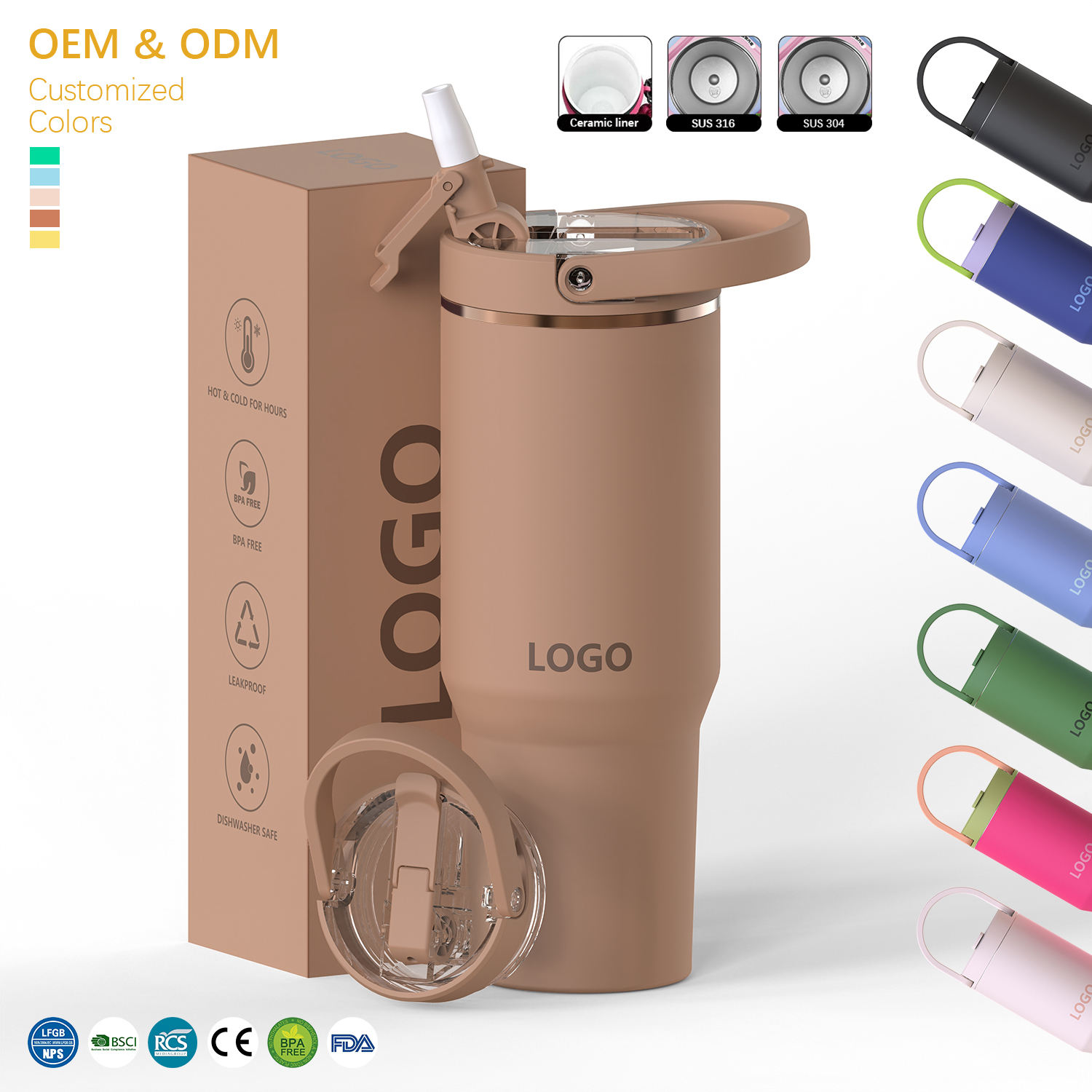
A quality travel mug serves as more than just a beverage container; it represents a daily companion that must perform reliably under varied conditions. The effectiveness of any travel mug depends on two critical design elements working in harmony: the material composition and the lid mechanism. When these components are thoughtfully engineered together, they create a travel mug that delivers superior functionality, longevity, and user satisfaction. Understanding how material and lid design combine reveals why certain travel mugs outperform others in real-world usage scenarios.
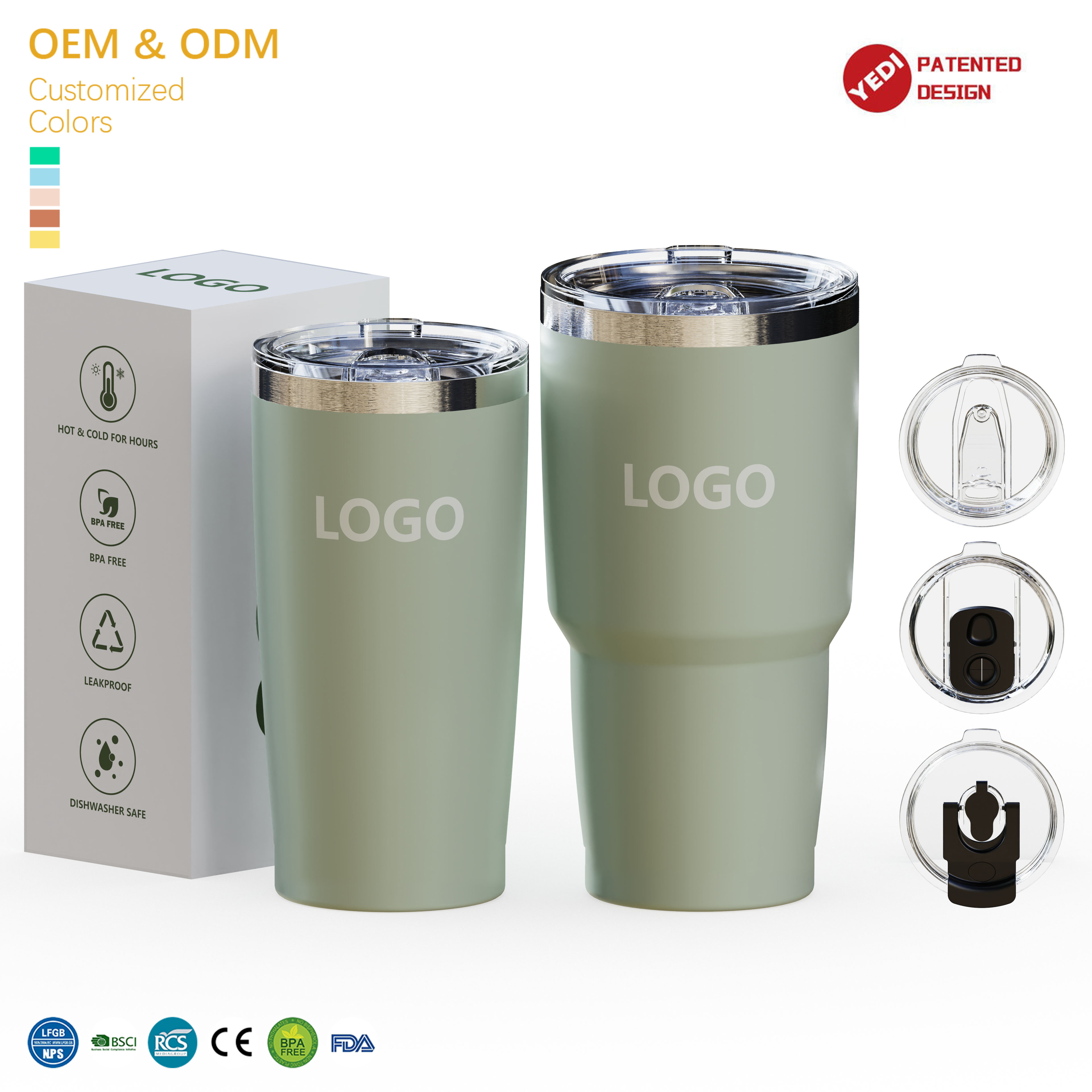
The synergy between a travel mug's material selection and lid engineering determines how well it maintains beverage temperature, resists wear, and functions intuitively during busy mornings or commutes. Professional users, daily commuters, and outdoor enthusiasts all depend on this integration working seamlessly. This exploration examines the practical intersection of material science and mechanical design in modern travel mug manufacturing.
Material Foundation for Travel Mug Performance
Stainless Steel as Core Material
Stainless steel has become the industry standard for premium travel mug construction, and for good reason. This material provides exceptional thermal retention when combined with proper insulation layering, creating a travel mug that keeps beverages hot or cold for extended periods. The structural integrity of stainless steel ensures a travel mug withstands daily impacts, drops, and temperature fluctuations without denting or degrading. High-quality stainless steel resists corrosion and discoloration, meaning your travel mug maintains its appearance through years of use. The weight and feel of stainless steel also contribute psychologically to perceived quality and durability expectations.
Insulation Technology Integration
Modern travel mug construction employs double-wall vacuum insulation sandwiched between an outer stainless steel shell and an inner stainless steel liner. This layered approach creates the thermal performance that defines a premium travel mug experience. The vacuum layer minimizes heat transfer through conduction and convection, allowing your travel mug to maintain beverage temperature for 12 or more hours. Some travel mug designs include copper-coated inner surfaces to enhance thermal efficiency further. The material selection for this insulation core directly affects how effectively a travel mug performs its primary function and justifies its price point in competitive markets.
Lid Design as Usability Multiplier
Sealing Mechanisms and Material Compatibility
The lid represents the critical interface between the travel mug and the user's hand and mouth, making its design paramount. Advanced travel mug lids incorporate silicone gaskets and precision-engineered threads that create an airtight seal compatible with the stainless steel body. This compatibility ensures that a travel mug with a well-designed lid prevents leaks during transit, eliminating one of the most common user frustrations. The lid material must resist degradation from hot beverages while maintaining flexibility and seal effectiveness. Patent-pending lid designs in premium travel mug offerings demonstrate how manufacturers innovate to combine functionality with ease of use in this single component.
Intuitive Operation and Ergonomic Design
A well-engineered travel mug lid moves beyond basic function to address real user scenarios. One-handed operation has become essential for commuters, drivers, and professionals on the move, requiring lid mechanisms that require minimal thought to open or close. Ergonomic grip zones on a travel mug lid ensure comfortable handling even with wet hands or while wearing gloves. The relationship between lid height, button placement, and overall balance affects how naturally a travel mug feels during actual use. When material choices for the lid—typically silicone or specialized polymers—align with these ergonomic principles, the entire travel mug experience improves dramatically.
Integration Points That Define Travel Mug Excellence
Thermal Performance Through Combined Design
The stainless steel material of a travel mug body means nothing without a lid that prevents heat escape through the opening. Premium travel mug designs minimize the thermal bridge created where the lid connects to the body, recognizing that this junction point represents the primary avenue for temperature loss. Materials selected for the lid seal must remain pliable in cold conditions while maintaining grip in heat, a dual requirement that separates mediocre travel mug designs from exceptional ones. The threaded connection between a travel mug body and lid must be tight enough to prevent leakage yet smooth enough for daily convenience. This integration requires material science expertise combined with mechanical engineering precision.
Durability Through Material-Lid Harmony
A travel mug with stainless steel construction can last decades if the lid mechanism also maintains durability standards. Silicone components in travel mug lids gradually degrade with exposure to heat, sunlight, and repeated stress cycles. Premium travel mug manufacturers select materials that resist this degradation, ensuring a travel mug remains fully functional throughout its lifespan. The connection points between the lid and body accumulate stress from repeated opening and closing, making material selection at these interfaces critical. When a travel mug body and lid are engineered as an integrated system rather than separate components, the entire product achieves superior longevity and reliability in professional or personal use.
User Experience Across Daily Scenarios
Real-world travel mug usage encompasses everything from stationary desk placement to aggressive commuter environments. A travel mug designed with material and lid integration in mind performs consistently across these scenarios. The stainless steel body resists the dings and dents that would compromise insulation, while the advanced lid prevents the leaks that turn a travel mug from asset to liability. Weight distribution between the heavier stainless steel body and the lighter lid creates a balanced travel mug that feels stable in cup holders. The contact surfaces between lid and body materials are engineered to accommodate expansion and contraction from temperature changes without creating gaps where a travel mug might fail to seal properly.
FAQ
What makes a travel mug's material choice important for temperature retention?
Stainless steel used in travel mug construction provides superior thermal properties compared to plastic or ceramic alternatives. The high thermal mass of stainless steel, combined with vacuum insulation layering, allows a travel mug to maintain beverage temperatures effectively for extended periods. The material's resistance to temperature stress also means a travel mug won't develop cracks or weak points that would compromise its insulating properties over time. This durability directly translates to consistent performance from your travel mug across thousands of daily uses.
Can a travel mug's lid design affect how well beverages stay at the desired temperature?
Yes, significantly. The lid represents the primary opening where heat escapes from a travel mug, making its design critical to thermal performance. A travel mug with a poorly sealed lid loses temperature quickly regardless of body material quality. Advanced travel mug lid designs minimize this thermal loss through tight sealing mechanisms and materials that conduct minimal heat. The spatial relationship between the lid opening and the travel mug body also influences convection patterns and temperature maintenance capabilities.
How do material compatibility issues affect travel mug longevity?
When the stainless steel body and lid materials of a travel mug are not properly engineered together, accelerated wear occurs at connection points. A travel mug experiencing incompatible material expansion rates may develop gaps or loose fits within months of use. The seal of a travel mug degrades faster if the lid material and body threading don't work harmoniously through thermal cycles. Manufacturers that prioritize material integration ensure their travel mug maintains performance throughout its design life, protecting your investment in this essential daily tool.