
 EN
EN
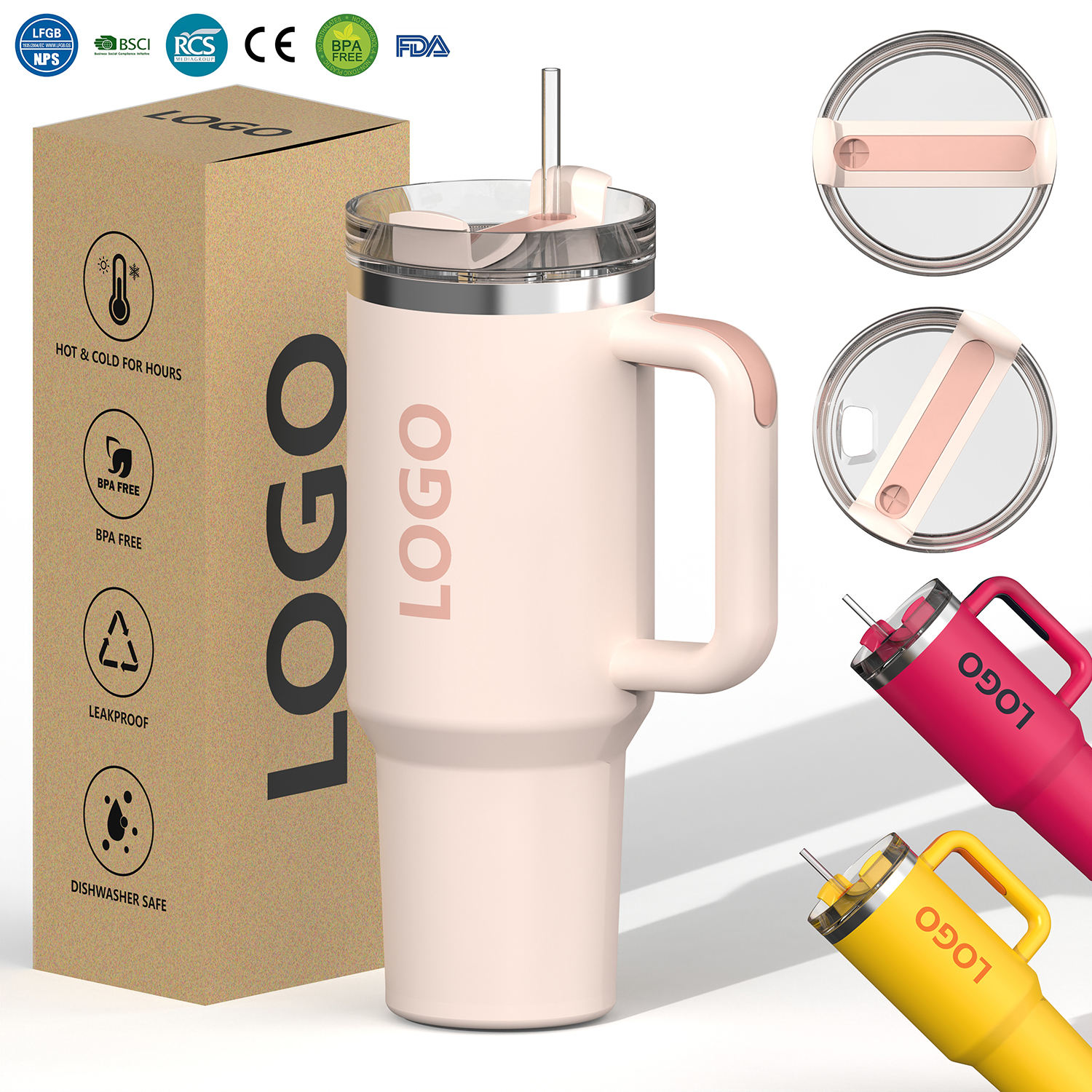
Coffee cups are not all created equal, and understanding why coffee cups vary so dramatically in their performance is essential for anyone who drinks hot beverages regularly. The differences between a standard ceramic mug and an insulated tumbler extend far beyond aesthetics, affecting everything from how long your coffee stays warm to how comfortable the cup feels in your hand. These variations in coffee cups emerge from fundamental differences in material composition, wall construction, lid design, and engineering choices that manufacturers make to balance cost, functionality, and user experience.
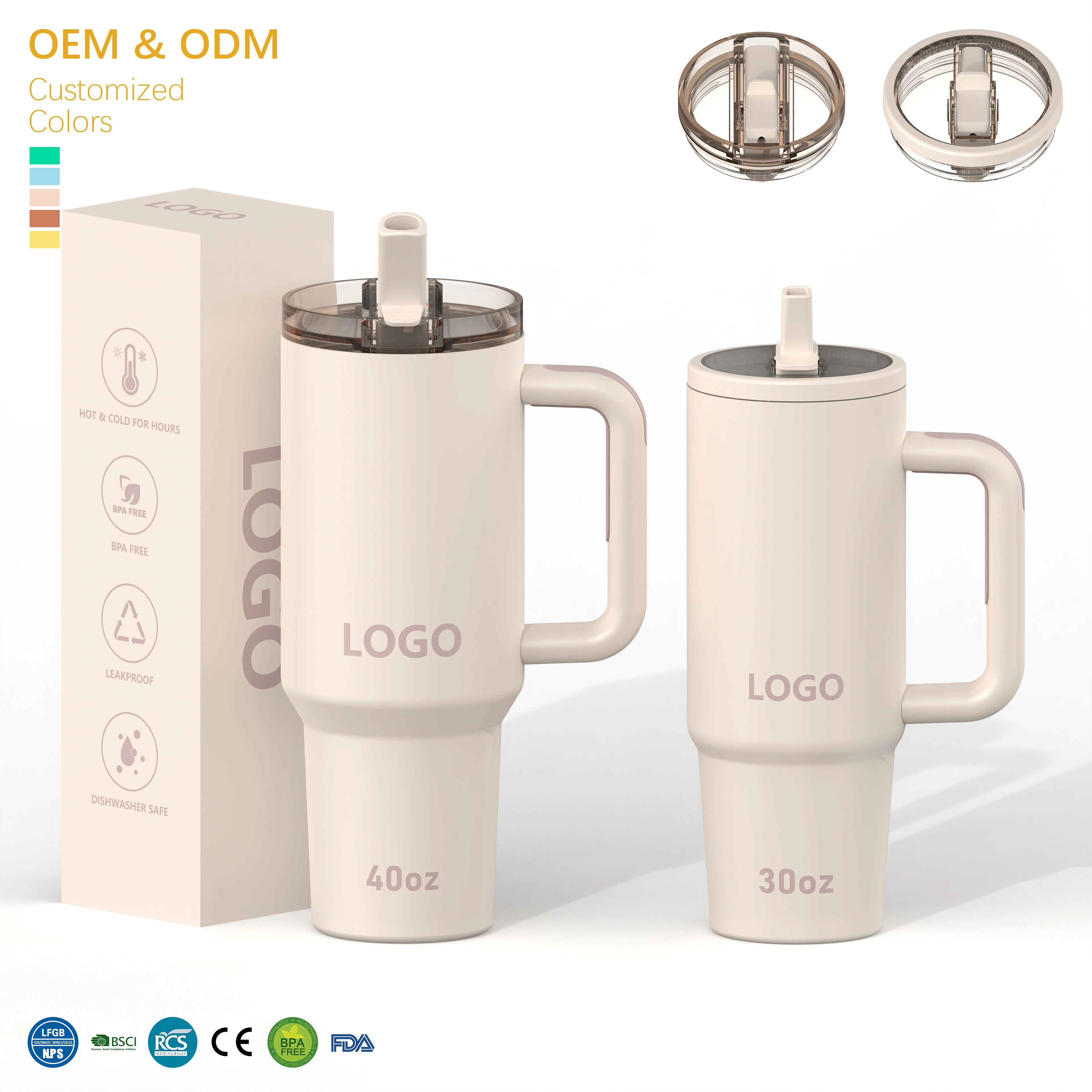
When you examine coffee cups more closely, you discover that heat retention and usability depend on interconnected factors working together. A cup that retains heat exceptionally well might feel uncomfortable to hold without a sleeve, while a lightweight coffee cups option might sacrifice insulation for portability. The variations in coffee cups reflect trade-offs between thermal performance, durability, weight, cost, and the specific use case each design targets, whether that's office work, outdoor adventures, or daily commutes.
Material Composition and Thermal Performance of Coffee Cups
How Different Materials Affect Heat Retention in Coffee Cups
The material used to manufacture coffee cups fundamentally determines thermal behavior. Ceramic coffee cups, the traditional choice, conduct heat relatively well, which is why your hands feel warm within seconds of holding a fresh cup of coffee. Glass coffee cups offer similar thermal conductivity, allowing heat to transfer through the walls rapidly. Conversely, stainless steel coffee cups, particularly double-walled designs, create an air gap that acts as an insulator, dramatically slowing heat transfer to the exterior. This is why coffee cups made from stainless steel can keep beverages hot for hours while ceramic coffee cups cool noticeably within 20 to 30 minutes.
Advanced Insulation Technologies in Modern Coffee Cups
Premium coffee cups now incorporate vacuum insulation, which creates near-perfect thermal barriers by removing air from the space between double walls. Some coffee cups use foam layers, gel-based insulation, or reflective coatings to enhance thermal retention. These coffee cups represent significant engineering advances that prevent condensation on the exterior while maintaining internal temperatures for extended periods. The choice of insulation technology in coffee cups directly impacts how professionals and commuters experience their daily beverage consumption, making heat retention one of the most evaluated performance metrics when comparing different coffee cups options.
Design, Ergonomics, and Usability Factors in Coffee Cups
How Cup Shape and Handle Design Influence Usability
The physical design of coffee cups significantly affects how users interact with them throughout the day. Traditional coffee cups feature wide openings that allow quick sipping but permit heat escape and potential spilling during transport. Travel-oriented coffee cups incorporate narrower openings with sealed lids, reducing spill risk while limiting how quickly you can drink. The handle design on coffee cups determines comfort during extended use, grip security, and whether the design works equally well for left and right-handed users. Some coffee cups feature ergonomic curves that reduce hand fatigue, while others prioritize compact storage, demonstrating how coffee cups make specific usability trade-offs based on intended applications.
Weight and Portability Considerations in Coffee Cups
Coffee cups vary dramatically in weight depending on wall thickness and material selection. Lightweight plastic coffee cups offer maximum portability but provide minimal insulation and may feel cheap to users. Aluminum coffee cups balance weight reduction with improved thermal properties compared to plastic. Stainless steel coffee cups weigh significantly more, which some users view as a premium feel while others consider it a disadvantage for all-day carry situations. The variations in coffee cups reflect the reality that portability and durability often conflict, forcing manufacturers and consumers to choose coffee cups that align with specific lifestyle needs rather than pursuing a one-size-fits-all solution.
Lid Technology and Temperature Maintenance in Coffee Cups
Lid Design Impact on Heat Loss and Beverage Protection
The lid represents one of the most critical components determining how well coffee cups perform in real-world conditions. Simple coffee cups with basic plastic lids allow substantial vapor escape, reducing heat retention by 15 to 20 percent compared to sealed designs. Advanced lids on premium coffee cups incorporate anti-spill mechanisms, one-handed operation features, and tight seals that dramatically improve thermal performance. Some coffee cups feature coffee cups with patent-pending lid technology that prevents leaks while maintaining easy access to the beverage. The choice of lid system in coffee cups demonstrates how engineering innovations directly translate to user satisfaction and practical functionality across different consumption scenarios.
Sealing Mechanisms and Liquid Retention Features
Coffee cups designed for active use incorporate silicone gaskets, threaded seals, and dual-chamber lids that prevent leakage during vigorous movement or temperature fluctuations. These coffee cups maintain temperature more effectively because sealed systems reduce vapor loss, which accounts for approximately 30 percent of heat dissipation in traditional open or loosely-covered designs. Quality coffee cups with premium sealing also prevent oxidation of the coffee itself, preserving flavor and aroma during extended transport. The engineering complexity visible in modern coffee cups reflects consumer demand for reliable, leak-proof containers that maintain beverage quality throughout the day without requiring constant attention or replacement.
FAQ
What factors most significantly affect heat retention in coffee cups?
Heat retention in coffee cups depends primarily on wall construction, insulation type, material selection, and lid quality. Vacuum-insulated coffee cups with double stainless steel walls and sealed lids outperform ceramic coffee cups by 3 to 5 times in thermal retention. The thickness of coffee cups walls, the presence of air gaps, and whether coffee cups use reflective interior coatings all contribute measurably to how long beverages maintain target temperatures, with premium coffee cups engineered to keep hot beverages drinkable for 8 to 12 hours.
Why do some coffee cups feel uncomfortable to hold while others don't?
Comfort when holding coffee cups depends on handle design, grip diameter, exterior surface texture, and thermal conductivity of the material itself. Coffee cups with excellent insulation feel cool to the touch even when containing very hot beverages, while traditional ceramic coffee cups transfer heat to your hands quickly, which some find comforting and others find uncomfortable. The variations in coffee cups reflect personal preference, but ergonomic coffee cups designed with contoured handles, appropriate weight distribution, and non-slip surfaces demonstrably reduce hand fatigue during extended use compared to basic designs.
Are expensive coffee cups always better than budget options?
Price and performance in coffee cups don't always correlate directly, though premium coffee cups typically offer better insulation, durability, and user-friendly features than budget alternatives. Expensive coffee cups often justify higher costs through vacuum insulation technology, superior lid mechanisms, and longer-lasting materials that withstand years of daily use without degradation. However, budget coffee cups may perform adequately for casual users or specific situations, meaning the best coffee cups choice depends on how frequently you use the cup, your specific priorities regarding heat retention and portability, and your budget constraints rather than pursuing the most expensive option available.