
 EN
EN
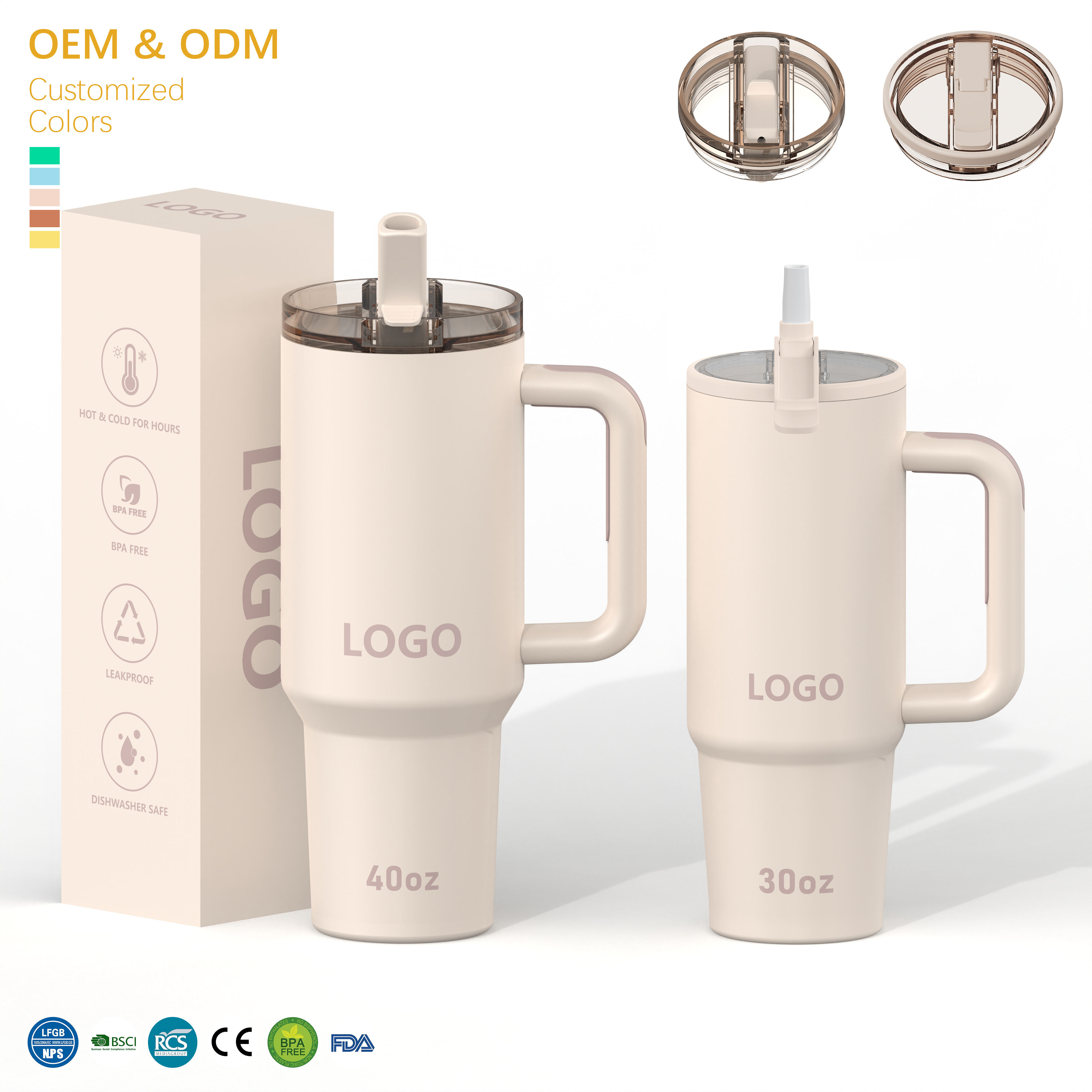
The design of coffee cups extends far beyond aesthetics, with handle styles playing a critical role in overall usability and user satisfaction. When selecting coffee cups for personal use or business purposes, understanding how handle styles affect the drinking experience becomes essential for making informed choices. Handle design influences grip comfort, thermal protection, stability, and the practical functionality of coffee cups in daily routines. This article explores the connection between handle styles and coffee cup usability, revealing why this seemingly simple design element matters significantly in the beverage industry.
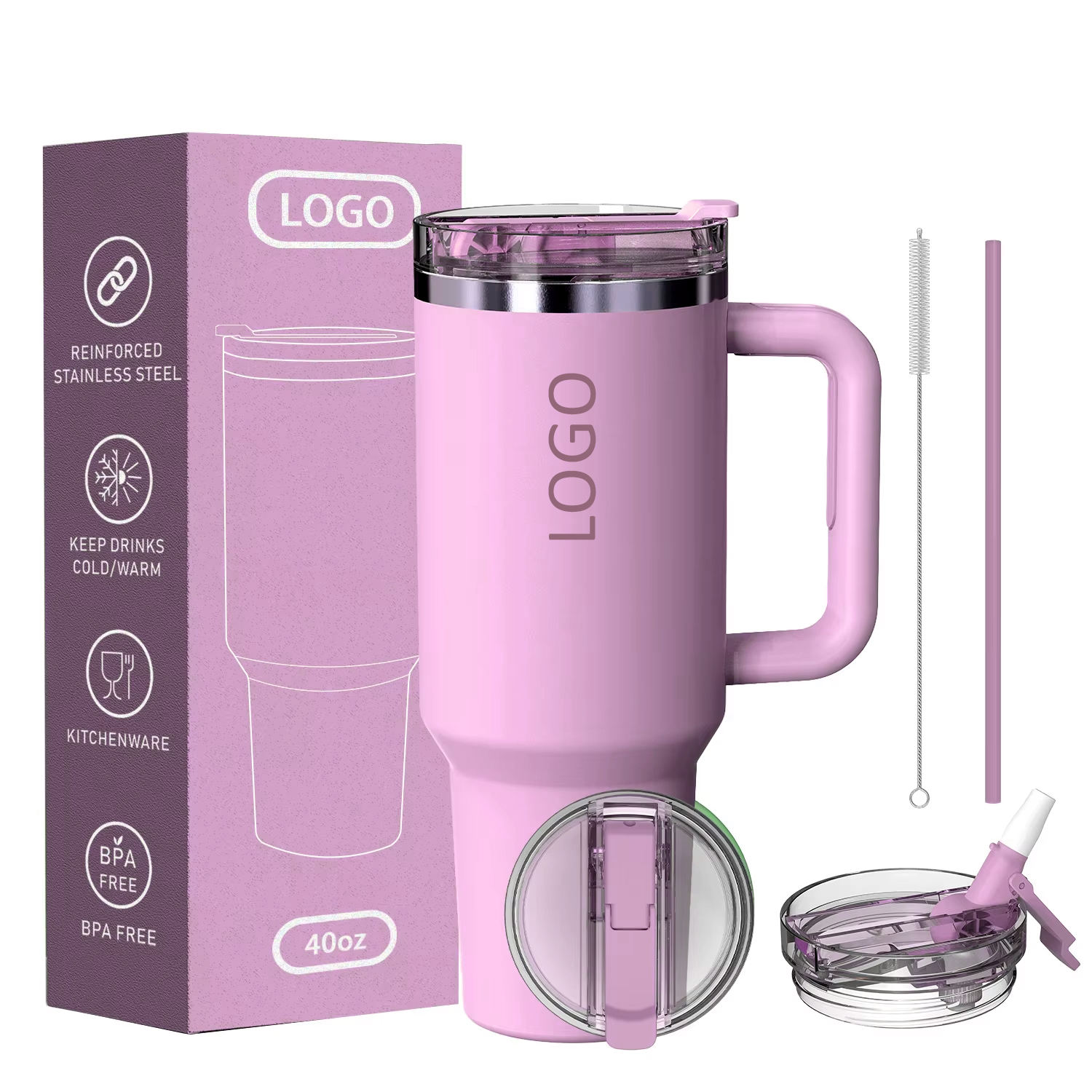
Coffee cups are used across countless environments, from home kitchens to corporate offices and outdoor settings. The handle style directly determines how comfortably and safely users interact with their beverage. A well-designed handle on coffee cups prevents spills, reduces hand fatigue, and improves the overall drinking experience, while poorly designed handles can lead to discomfort, burns, and frustration. Recognizing the relationship between handle construction and functionality helps consumers and businesses invest in coffee cups that truly meet their needs.
How Handle Styles Impact Comfort and Grip
Ergonomic Design in Coffee Cup Handles
Ergonomic handle styles directly influence how comfortably users hold their coffee cups during extended periods. When coffee cups feature handles with proper width and curvature, they distribute pressure evenly across the hand and fingers, reducing strain and fatigue. Handles on coffee cups that are too narrow cause fingers to bunch together, creating discomfort after just a few minutes of holding. Conversely, oversized handles on coffee cups may feel unwieldy and difficult to grip securely. The optimal handle design for coffee cups accommodates various hand sizes while maintaining a secure, comfortable grip that feels natural whether the user is left-handed or right-handed.
Material and Thermal Insulation Properties
The material used for coffee cup handles significantly affects thermal comfort and safety during use. Double-wall handles found on premium coffee cups provide superior insulation, preventing heat transfer from the beverage to the user's hand. Standard single-wall coffee cups transfer more heat through the handle, potentially causing discomfort or minor burns during use. The best coffee cups combine handle insulation with ergonomic shaping to create a cooling zone that keeps hands safe while maintaining a firm grip. Users appreciate coffee cups with well-insulated handles because they can drink hot beverages without constantly shifting their grip or waiting for cooling.
Handle Style Variations and Their Functional Applications
Traditional Fixed Handles on Coffee Cups
Traditional fixed handles remain the most common style found on coffee cups worldwide. These permanently attached handles on coffee cups provide consistent, reliable grip points and are typically the most affordable option. Fixed handles on coffee cups work well for stationary use, such as at desks or dining tables, where the cup remains relatively still. However, this handle style on coffee cups may not accommodate rapid portability or storage in confined spaces. Many professional settings rely on coffee cups with traditional handles because they offer familiarity and proven functionality that users instantly understand and trust.
Portable and Collapsible Handle Designs
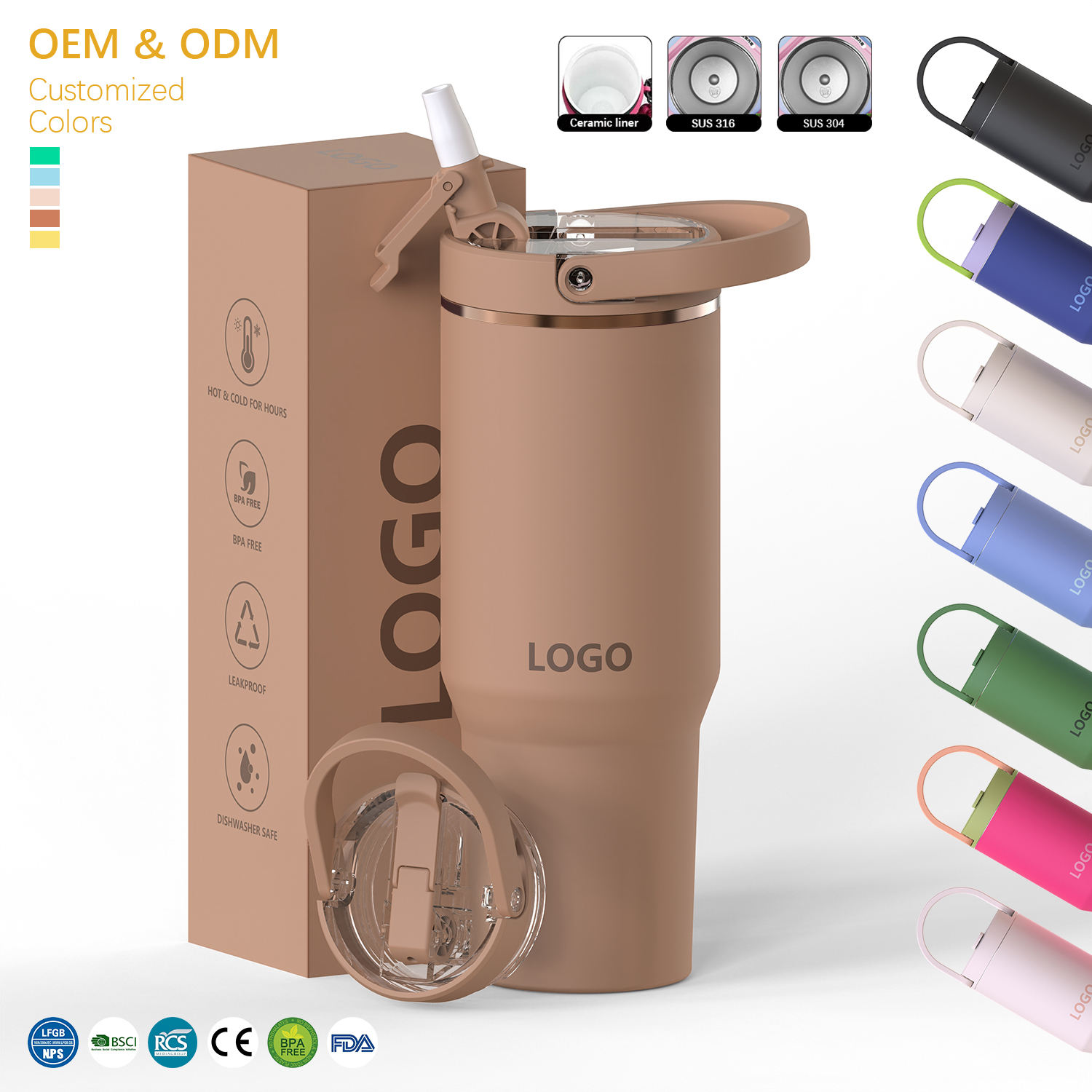
Modern portable coffee cups feature innovative handle styles designed for on-the-go convenience. Collapsible handles on coffee cups fold down when not in use, reducing the overall footprint for bag storage or car cup holders. Portable coffee cups with foldable handles maintain structural integrity while offering maximum convenience for commuters and travelers. These coffee cups appeal to users who prioritize space efficiency without sacrificing grip comfort when actively drinking. The engineering behind collapsible handles on coffee cups demonstrates how thoughtful design solves real-world challenges in mobile lifestyles.
Textured and Grip-Enhanced Handles
Textured handle finishes on coffee cups significantly improve grip security, especially when hands are wet or cold. Rubberized or textured coating applied to coffee cup handles creates friction that prevents slipping during casual holding or active movement. Coffee cups designed for outdoor use frequently feature textured handles to ensure safe handling in unpredictable conditions. The tactile feedback from textured coffee cup handles builds user confidence and reduces spill incidents. Premium coffee cups increasingly incorporate textured handles because manufacturers recognize that grip security directly impacts user satisfaction and safety perceptions.
Business and Consumer Implications of Handle Design
Workplace and Commercial Coffee Cup Selection
Businesses selecting coffee cups for employee use should prioritize handle styles that promote comfort and safety during work hours. Coffee cups with ergonomic handles reduce workplace injuries and improve employee satisfaction with office amenities. Commercial establishments often invest in coffee cups with reinforced handles because durability directly impacts total cost of ownership and brand representation. The handle style on coffee cups used in hospitality settings becomes a subtle but important part of the customer experience. Choosing appropriate coffee cups with quality handles demonstrates organizational attention to user welfare and attention to detail.
Consumer Preferences and Purchase Decisions
When consumers purchase coffee cups, handle characteristics frequently influence buying decisions more than they consciously realize. Users test handle grip and thermal protection before committing to coffee cup purchases, evaluating whether the handle style matches their lifestyle and usage patterns. Coffee cups with awkward or uncomfortable handles often end up unused or gifted away, representing wasted purchases. Market research consistently shows that user satisfaction with coffee cups correlates strongly with handle comfort and functionality. Smart consumers recognize that investing slightly more in coffee cups with superior handle design ultimately provides better value and long-term enjoyment.
FAQ
What handle style works best for coffee cups used during commuting?
For commuting situations, coffee cups benefit most from handles that offer both portability and security. Collapsible or low-profile handles on coffee cups reduce interference with bags and backpacks, while textured surfaces ensure the cup stays firmly gripped during transit. Coffee cups designed for travel should prioritize handles that accommodate quick transitions between vehicle cup holders and hand carrying, so ergonomic fixed handles with thermal insulation provide reliable performance for daily commuters.
Can handle material affect the temperature of beverages in coffee cups?
Yes, handle material significantly influences thermal performance of coffee cups. Single-wall handles transfer heat away from the beverage, while double-wall or insulated handles on coffee cups minimize this heat loss. Coffee cups with metal handles conduct heat differently than those with plastic or silicone handles, affecting both hand safety and beverage temperature retention. Materials like stainless steel in coffee cup construction, including handles, provide superior insulation properties that keep beverages hot longer while protecting hands from excessive heat.
Why do some people prefer coffee cups without handles?
Some users prefer coffee cups without handles because they value compact design, easy cleaning, or aesthetic minimalism. However, handleless coffee cups present thermal challenges and reduced usability for hot beverages, making them less practical for traditional coffee consumption. Coffee cups with handles serve the broader market because most users recognize that handle functionality outweighs the slight design simplification of handleless alternatives. Even those who appreciate minimalist aesthetics often compromise on coffee cups when everyday usability demands handle inclusion.