
 EN
EN
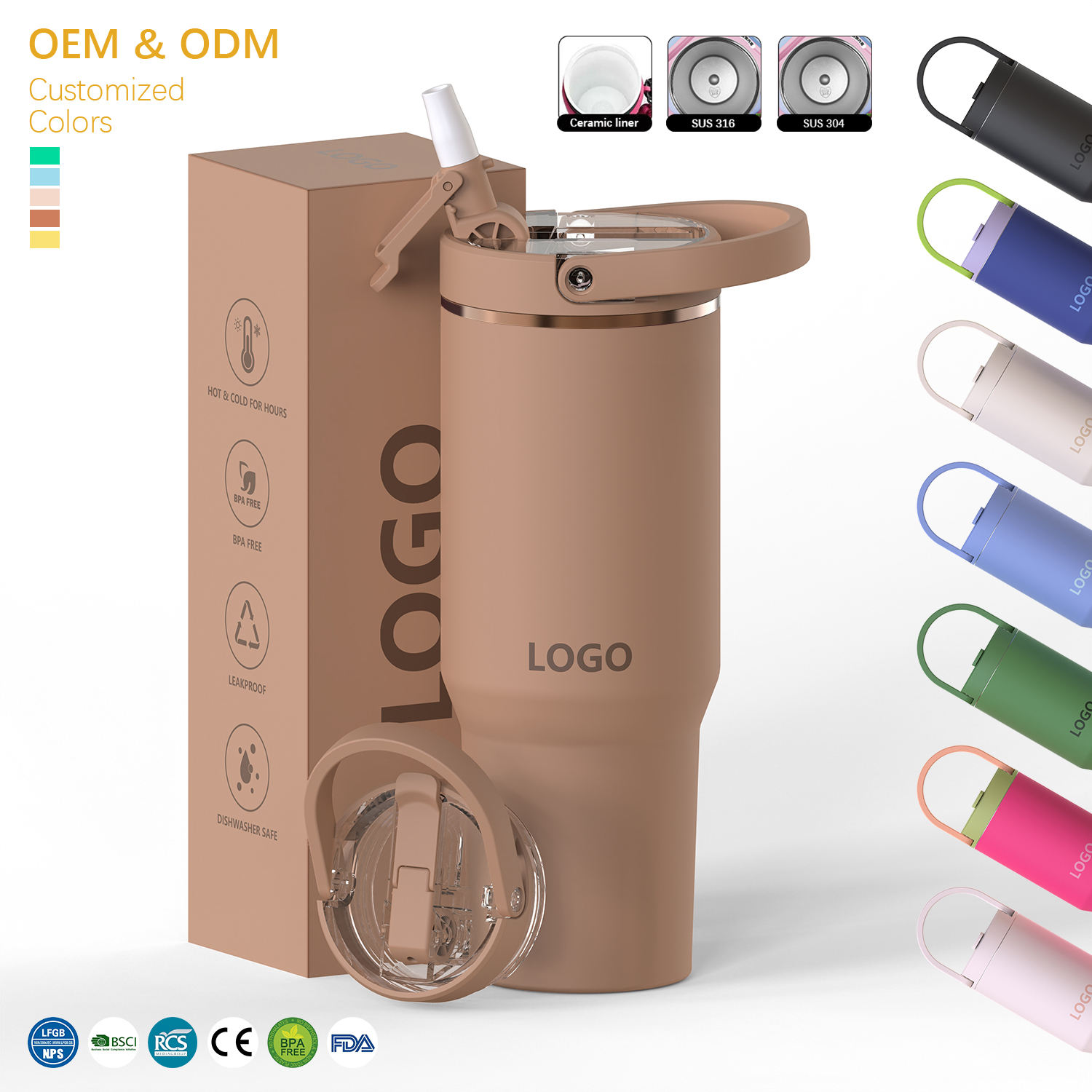
The longevity of your coffee cups depends heavily on how you clean and maintain them after each use. Many people overlook the connection between cleaning methods and cup durability, treating all coffee cups with the same casual approach regardless of material or construction. Understanding how different cleaning techniques impact coffee cups is essential for anyone who wants their drinkware to last years rather than months. This knowledge becomes especially valuable for professionals, offices, and households that invest in quality coffee cups and expect reliable long-term performance.
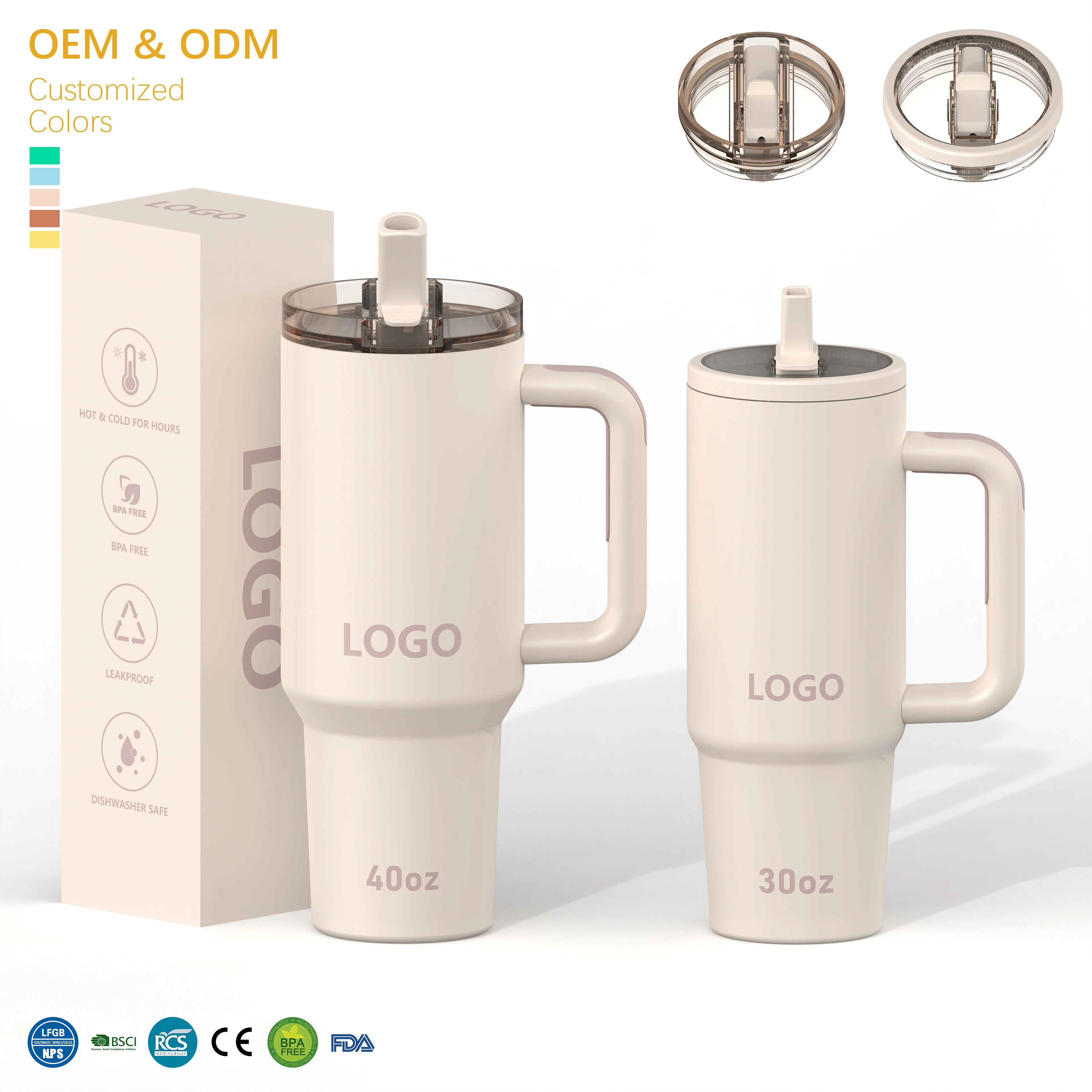
Coffee cups face unique challenges that standard dishware does not encounter. The combination of heat, acidic beverages, and repeated cleaning creates conditions that can degrade materials and finishes over time. Your choice of cleaning method directly influences how well coffee cups withstand these stresses. By learning which techniques preserve coffee cups and which ones accelerate wear, you can make informed decisions that extend the life of your favorite drinkware and maximize your investment.
Understanding Material Vulnerability in Coffee Cups
How Different Materials Respond to Cleaning
Coffee cups are manufactured from various materials, each with distinct cleaning requirements and durability profiles. Ceramic coffee cups, the most common type, are relatively durable but can chip or develop microcracks when subjected to abrasive scrubbing or rapid temperature changes. Stainless steel coffee cups offer superior resilience but can develop surface scratches and discoloration from harsh cleaning agents. Glass coffee cups appear durable but are highly susceptible to thermal shock when hot water meets cold cleaning cycles. Understanding these material characteristics helps you select cleaning methods that preserve coffee cups rather than compromise them.
Thermal Stress and Coating Degradation
The interior coatings and finishes on many coffee cups are engineered to resist staining and improve functionality, but aggressive cleaning undermines these protective layers. When you clean coffee cups immediately after use with cold water or place them in freezing conditions, the rapid temperature differential creates micro-fractures in glazes and protective coatings. Double-walled coffee cups, particularly insulated models, require extra care because internal surfaces are difficult to access and pressure washing can damage the seal between walls. Gentle, room-temperature cleaning preserves these carefully engineered features and extends the effective lifespan of coffee cups significantly.
Optimal Cleaning Practices for Long-Term Cup Care
Hand Washing Techniques That Preserve Coffee Cups
Hand washing remains the gold standard for extending the life of coffee cups, particularly those made from delicate materials or featuring specialized coatings. Allow coffee cups to cool completely before cleaning rather than subjecting them to cold water immediately after use. Use warm, not hot, water and employ soft sponges or microfiber cloths instead of abrasive scrubbers or steel wool pads that scratch surfaces and compromise coffee cups. Apply mild, non-abrasive dish soap and gentle circular motions to clean coffee cups thoroughly without creating damage. Rinse coffee cups completely with lukewarm water and dry them promptly using a soft cloth to prevent water stains and mineral deposits.
Dishwasher Loading and Temperature Control
Many people assume that dishwasher convenience comes at the cost of coffee cups durability, but proper loading techniques minimize damage significantly. Place coffee cups in the upper rack where water pressure and temperature are lower than in the lower rack. Use a gentle or delicate cycle rather than heavy-duty settings when washing coffee cups. Select lower temperature settings, as high-heat drying cycles accelerate wear on finishes and increase the risk of thermal stress in coffee cups. Load coffee cups carefully to prevent them from shifting or clinking against other dishes, which causes chipping and breakage in both ceramic and glass coffee cups.
Common Cleaning Mistakes That Damage Coffee Cups
Abrasive Agents and Corrosive Chemicals
Bleach, scouring powders, and aggressive degreasers are especially harmful to coffee cups because they attack protective finishes and alter surface characteristics permanently. These chemicals accelerate discoloration in stainless steel coffee cups and can weaken the structural integrity of ceramic glazes. Stubborn stains inside coffee cups should be treated with gentle soaking in baking soda and water rather than scrubbing with harsh abrasives. Vinegar solutions can help remove mineral deposits from coffee cups but should be diluted and used sparingly on vulnerable materials. Choosing gentle, pH-neutral cleaning agents is a simple decision that dramatically extends the operational life of coffee cups across all material types.
Storage and Prevention Strategies
How you store coffee cups between uses significantly impacts their longevity and condition. Stacking coffee cups improperly creates pressure points that lead to chips and cracks, especially if stored in high-traffic areas where vibration and movement are common. Store coffee cups upright when possible to distribute weight evenly and reduce the risk of damage. Keep coffee cups away from direct sunlight, which can fade finishes and weaken certain materials over time. Protect insulated coffee cups from extreme temperature environments that stress the bond between inner and outer walls. Investing minimal effort in proper storage practices prevents damage more effectively than any remedial cleaning technique.
FAQ
Does dishwasher cleaning reduce the lifespan of coffee cups more than hand washing?
Dishwasher cleaning accelerates wear on coffee cups compared to gentle hand washing, but the difference is manageable with proper precautions. Using delicate cycles, lower temperatures, and careful loading minimizes the impact significantly. Hand washing with appropriate techniques remains ideal for maximizing the lifespan of coffee cups, but modern dishwashers can clean coffee cups safely if you avoid high-heat settings and abrasive cycles.
What should I do if coffee cups develop stains or discoloration?
Stains on coffee cups respond well to gentle treatment with baking soda paste or diluted white vinegar solutions that clean without damaging surfaces. Allow coffee cups to soak in these gentle solutions overnight before attempting any scrubbing to minimize surface abrasion. For stubborn stains inside coffee cups, rice and water mixed together act as a natural abrasive that cleans effectively while being less damaging than commercial scouring products.
Are insulated coffee cups harder to clean than regular coffee cups?
Insulated coffee cups require more careful handling because water or cleaning solutions can compromise the seal between walls and reduce insulation effectiveness. Always hand wash insulated coffee cups with warm water and mild soap rather than using dishwashers or pressure washing methods. Dry insulated coffee cups thoroughly after cleaning to prevent internal moisture accumulation that compromises performance and longevity of coffee cups.