
 EN
EN
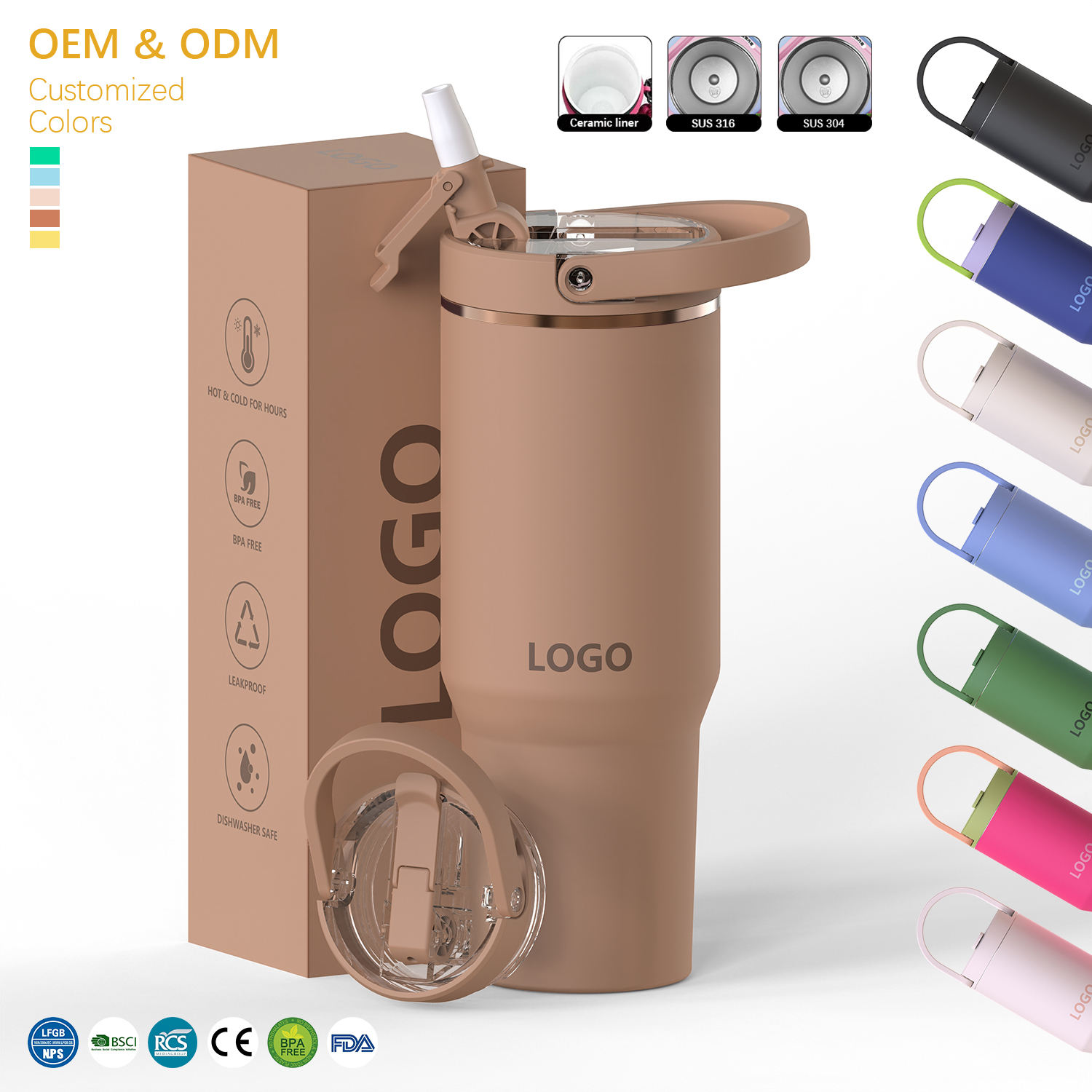
The design of coffee cups extends far beyond aesthetics and brand identity. Every curve, angle, and rim feature in coffee cups directly affects how you experience your beverage, from the initial aroma perception to the final sip. Whether you enjoy your coffee at home, in an office, or on the go, the physical structure of coffee cups plays a critical role in temperature retention, sip comfort, and overall satisfaction. Understanding how shape and rim design influence your drinking experience reveals why some coffee cups feel superior to others and why certain coffee cups have become industry standards for quality consumption.
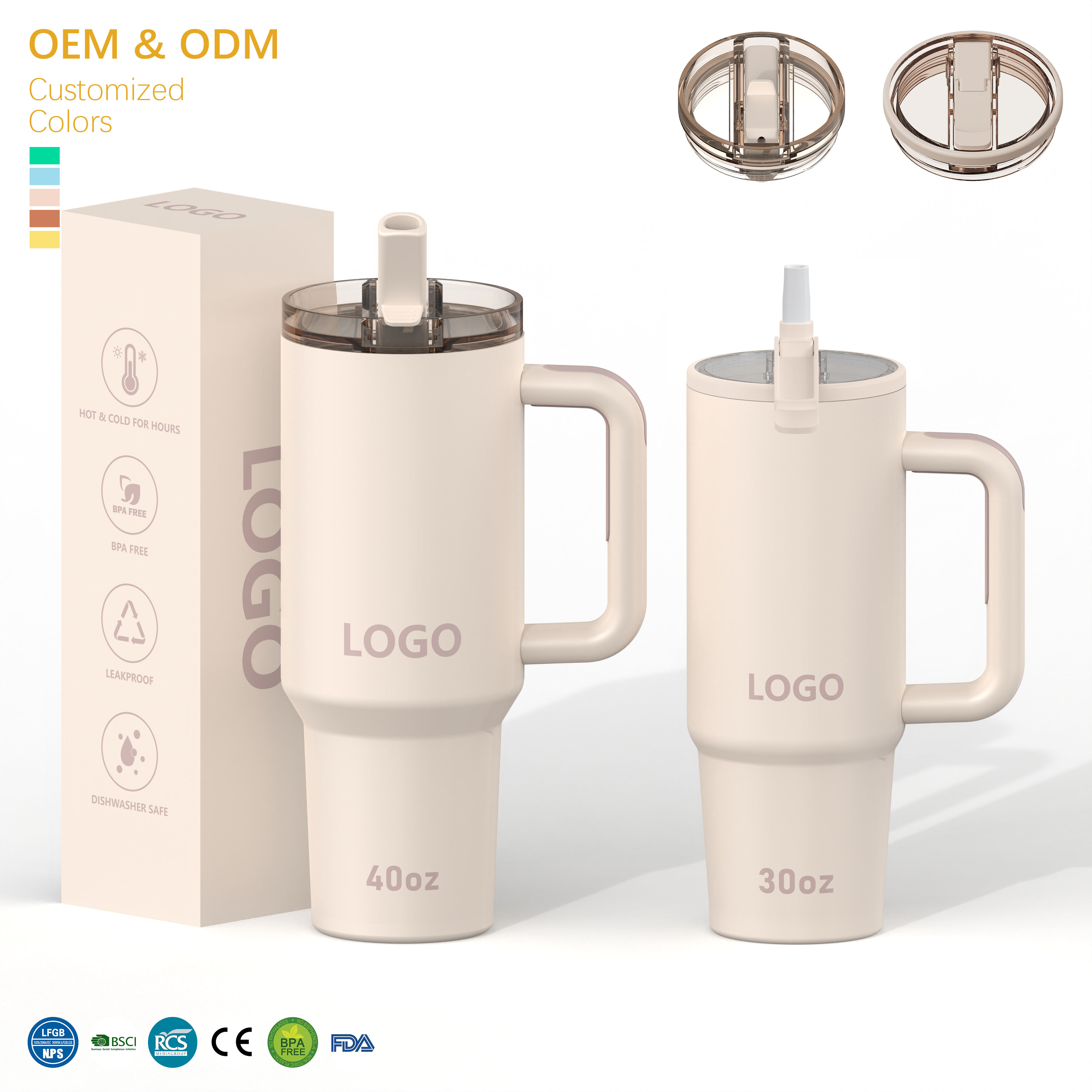
Professional baristas, coffee enthusiasts, and beverage manufacturers have long recognized that coffee cups designed with specific geometric principles enhance the entire consumption experience. The relationship between form and function in coffee cups determines how heat distributes, how aromas reach your senses, and how comfortably you hold and drink from these vessels. Modern coffee cups incorporate sophisticated engineering principles that transform what could be a simple container into an instrument for optimal beverage enjoyment. This exploration into shape and rim design demonstrates why investment in quality coffee cups matters for both casual drinkers and serious coffee aficionados alike.
How Rim Design Affects Flavor Perception in Coffee Cups
The Role of Rim Thickness in Coffee Cups
The rim thickness in coffee cups directly influences how liquid contacts your lips and mouth during consumption. Thinner rims on premium coffee cups create a more delicate sipping experience, allowing you to feel the temperature and texture of your beverage more accurately. Thicker rims in standard coffee cups may feel clunky and can interfere with your ability to taste subtle flavor notes. When manufacturers design coffee cups with rolled or tapered edges, they reduce the physical barrier between your mouth and the beverage, creating a sensation that mimics drinking from a fine porcelain cup. This seemingly small detail in coffee cups accounts for measurable differences in how consumers rate their drinking satisfaction and flavor perception.
Rim Shape and Its Impact on Aroma Release
Coffee's aromatic compounds make up approximately eighty percent of what we perceive as flavor, and rim shape in coffee cups significantly controls how those aromas reach your nose. Inward-curving rims in certain coffee cups trap steam and redirect aromas toward your face, intensifying the sensory experience before the liquid even enters your mouth. Straight-edged rims in standard coffee cups allow steam to escape more freely, reducing aroma concentration. Outward-flared rims in specialty coffee cups create different aerodynamic patterns that expose more surface area to air, affecting how volatile aromatic compounds disperse. Understanding rim geometry helps explain why coffee cups designed by expert engineers produce noticeably different aroma experiences than ordinary drinking vessels.
Shape Geometry and Temperature Retention in Coffee Cups
Body Shape's Effect on Heat Distribution
The overall silhouette and proportions of coffee cups determine how efficiently the container retains heat and maintains optimal drinking temperature. Wider-body coffee cups expose more liquid surface area to ambient air, causing faster temperature loss compared to narrow-profile designs. Tapered coffee cups that narrow toward the rim reduce evaporative heat loss while also concentrating aromas near the mouth. Double-walled coffee cups, increasingly common in insulated designs, use air-gap or foam insulation between layers to dramatically slow heat transfer compared to single-wall coffee cups. The height-to-width ratio in coffee cups influences how convection currents form inside the vessel, affecting whether your drink cools uniformly or develops temperature gradients that impact taste consistency.
Base Design and Stability's Role in Enjoyment
The base geometry of coffee cups affects more than just physical stability; it influences the psychological comfort of the drinking experience. A wider, heavier base in well-engineered coffee cups creates a sense of confidence and reduces anxiety about spilling, allowing you to relax and focus on flavor. Tall, narrow-based coffee cups may feel precarious, triggering stress responses that interfere with taste perception and enjoyment. The contact area between coffee cups and surfaces determines heat transfer patterns; smaller footprints in compact coffee cups reduce surface contact cooling, while larger bases spread that cooling effect. Manufacturers designing coffee cups for premium markets deliberately engineer bases that balance visual proportion, thermal performance, and ergonomic comfort to maximize the overall drinking experience.
Ergonomics and Material Interaction in Coffee Cups
Lip Contact and Thermal Sensation
The precise angle and curvature where coffee cups meet your lips determine comfort and heat perception during drinking. Gently curved rims in thoughtfully designed coffee cups distribute liquid flow smoothly across your lips, preventing splashing and creating elegant sips. Sharp or squared-off rims in poorly designed coffee cups can feel uncomfortable and disrupt the drinking rhythm. Thermal sensitivity varies across different regions of your mouth, and rim positioning in coffee cups that places the liquid stream on sensitive areas creates noticeably different temperature perceptions. Some coffee cups feature slightly beveled inner rims that guide the liquid stream into your mouth at optimal angles, reducing spills and enhancing comfort compared to standard coffee cups with unfinished interior edges.
Handle Design and Drinking Control
While handle design isn't strictly rim or body shape, it fundamentally influences how you position and control coffee cups during drinking. Large handles in well-designed coffee cups accommodate varied grip styles and hand sizes, reducing strain and tension that could interfere with taste perception. Smaller or awkwardly positioned handles force unnatural hand positions that can communicate stress to your nervous system, affecting your sensory experience. The shape of coffee cups' handles determines how far your hand sits from your face during sipping, influencing which aromas reach your nose. Premium coffee cups often feature handles positioned to encourage holding at heights that maximize aroma exposure while maintaining comfortable elbow angles, showing how comprehensive shape design encompasses every element affecting the complete drinking experience.
FAQ
Why do premium coffee cups feel different from ordinary coffee cups?
Premium coffee cups differ from ordinary ones through deliberate engineering of rim thickness, body shape, base stability, and handle positioning that optimize every aspect of the drinking experience. Engineers design premium coffee cups using principles of thermal dynamics, ergonomics, and sensory psychology, resulting in superior heat retention, comfortable sipping, and enhanced flavor perception. Ordinary coffee cups typically prioritize manufacturing cost over functional design, resulting in thicker rims, inconsistent shapes, and poor heat retention that noticeably diminish your coffee enjoyment. The accumulated effect of these design choices makes premium coffee cups feel significantly more refined and pleasurable to use.
Can coffee cups shape really affect how coffee tastes?
Yes, coffee cups shape definitively affects taste perception through multiple mechanisms including temperature retention, aroma delivery, and mouth contact sensation. Coffee cups designed with optimal proportions maintain drinking temperature longer, preventing the cooling that makes coffee taste bitter and stale. The rim geometry in coffee cups controls whether aromatic compounds reach your nose effectively, and since aroma comprises most of what you perceive as flavor, rim design directly influences taste. Coffee cups with comfortable ergonomic proportions reduce physical tension and stress responses that interfere with sensory perception, allowing you to taste subtle flavor notes more clearly. Scientific research consistently demonstrates that identical coffee served in differently shaped coffee cups produces measurably different taste ratings from blind taste test participants.
What makes coffee cup design important for business and personal use?
Coffee cup design matters for businesses because customers perceive quality beverages more positively when served in well-designed coffee cups, justifying premium pricing and improving brand reputation. Coffee cups with superior rim design and optimal shapes enhance customer satisfaction, encouraging repeat purchases and positive word-of-mouth marketing. For personal use, investing in quality coffee cups directly improves daily beverage enjoyment, transforming routine coffee drinking into a small ritual of comfort and pleasure. Offices and hospitality venues that provide premium coffee cups to clients and employees demonstrate attention to detail that influences how people perceive the entire business experience. The relatively low cost of upgrading to thoughtfully designed coffee cups generates returns through improved customer perception, employee satisfaction, and personal daily enjoyment that compound across years of regular use.