
 EN
EN
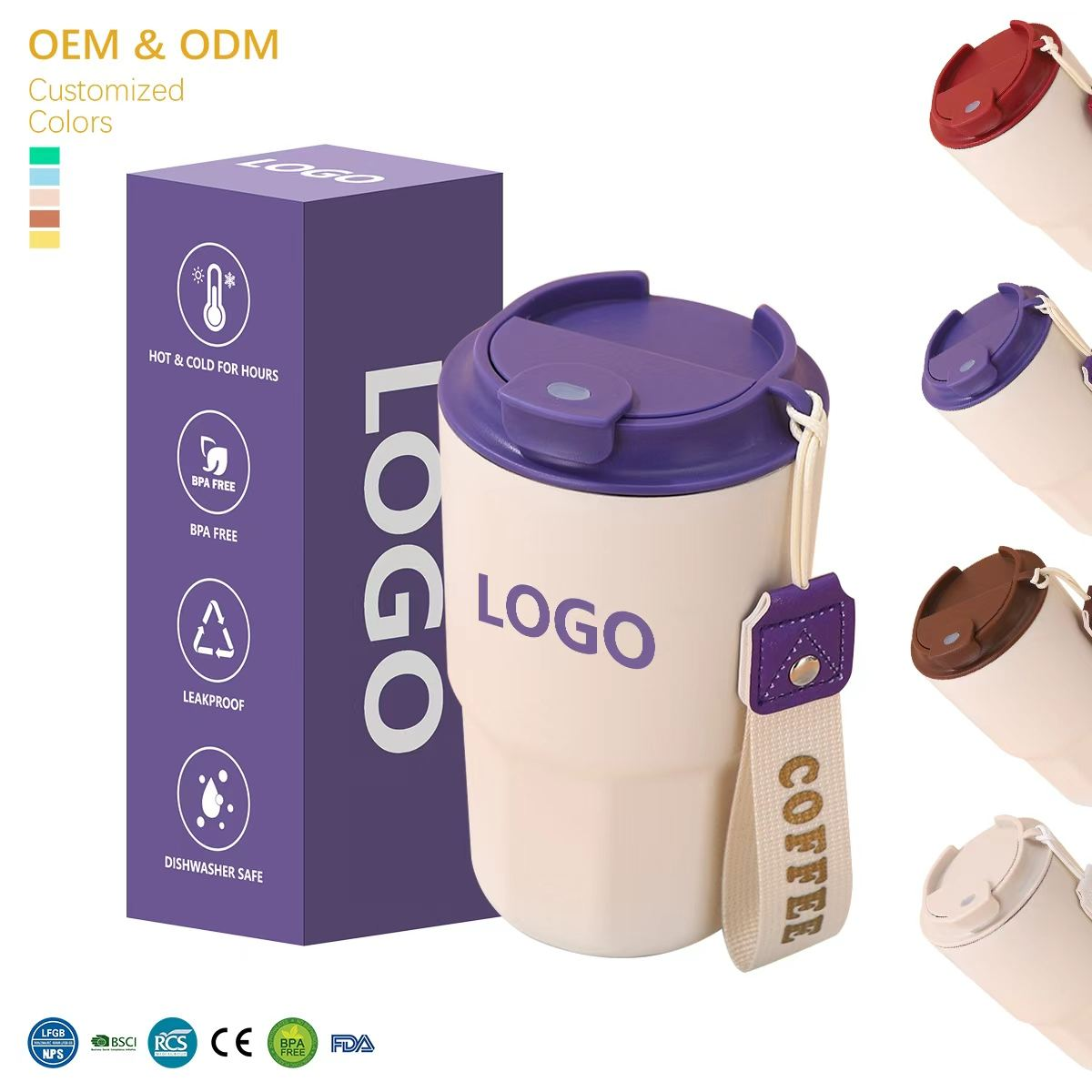
Material choice stands as one of the most critical decisions when selecting coffee cups for professional environments. The quality of coffee cups directly impacts customer satisfaction, operational longevity, and brand perception. Whether you operate a specialty café, corporate office, or high-volume hospitality setting, the materials you choose for your coffee cups shape every interaction customers have with your business.
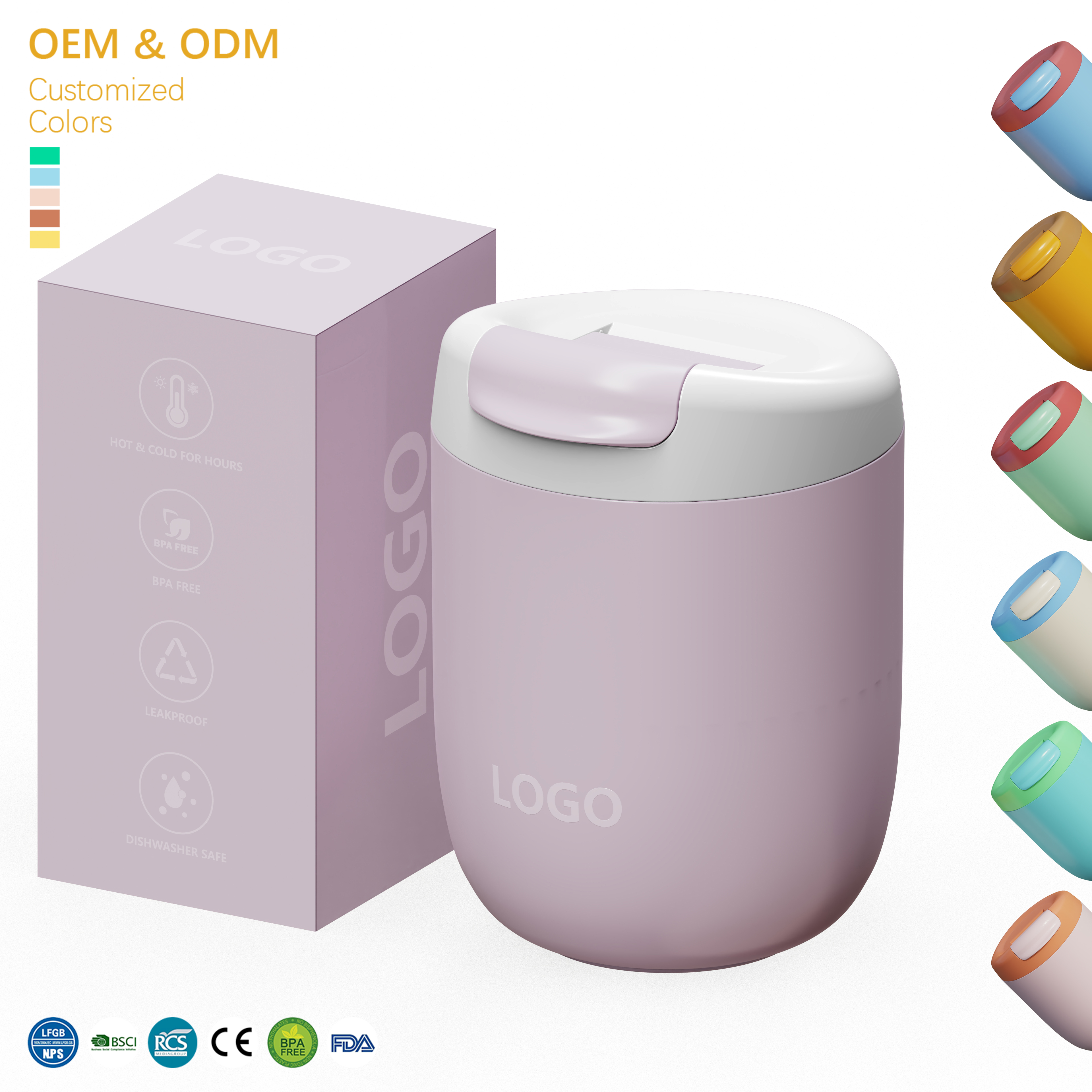
Professional environments demand coffee cups that perform consistently under demanding conditions. The right material composition ensures that your coffee cups withstand daily handling, temperature fluctuations, and repeated use without degrading. Material selection for coffee cups isn't merely about aesthetics—it fundamentally affects thermal retention, durability, chemical resistance, and customer experience across your entire operation.
Thermal Performance and Insulation Benefits
Heat Retention Properties in Coffee Cups
Thermal performance represents a primary reason material choice matters for professional coffee cups. High-quality materials used in coffee cups provide superior insulation, keeping beverages at optimal serving temperatures longer. Stainless steel coffee cups, for example, retain heat significantly better than ceramic or basic plastic alternatives. This extended thermal retention directly correlates with customer satisfaction, as patrons receive coffee at their preferred temperature throughout consumption.
Professional coffee environments benefit immensely when coffee cups maintain thermal consistency. Customers drinking from properly insulated coffee cups enjoy their beverages longer without needing reheating or frequent replacement. The material composition of coffee cups determines how effectively they minimize heat loss, which becomes especially important in high-throughput settings where customers consume beverages over extended periods.
Condensation Management and Grip Comfort
Double-walled construction in premium coffee cups prevents external condensation, a feature directly tied to material selection. When coffee cups feature advanced material layering, they create an insulating air gap that protects surfaces while maintaining a comfortable grip. This material engineering in coffee cups eliminates the need for disposable sleeves, reducing waste and enhancing the professional presentation of your beverage service.
Material choice for coffee cups also influences grip ergonomics during use. Premium materials allow for textured handles and ergonomic designs that remain comfortable even when holding hot beverages. Coffee cups manufactured from food-grade materials with strategic handle design reduce spillage and improve customer safety across your professional environment.
Durability and Cost-Effectiveness Analysis
Longevity and Replacement Frequency
Material selection directly determines how long your coffee cups last in professional service. Durable coffee cups manufactured from reinforced stainless steel or high-impact materials resist chipping, cracking, and wear far better than ceramic counterparts. This longevity translates to reduced replacement costs and consistent presentation throughout your operation. When you invest in coffee cups made from quality materials, you minimize the frequency of purchasing replacements, protecting your operational budget.
Professional coffee environments experience thousands of beverage servings monthly. Coffee cups exposed to constant washing, handling, and temperature cycling require materials that withstand such rigorous demands. Material composition that resists corrosion, degradation, and structural weakening ensures your coffee cups maintain integrity throughout their service life, maximizing return on investment.
Maintenance Requirements and Sanitization
The material composition of coffee cups directly impacts cleaning protocols and sanitation standards. Premium coffee cups resist staining and retain their appearance despite repeated dishwashing cycles. Material choices that prevent bacterial growth and resist odor absorption are essential in professional coffee environments where hygiene standards remain non-negotiable.
Coffee cups manufactured from food-grade materials require minimal maintenance while maintaining visual appeal and functional performance. Advanced material selections eliminate the need for specialized cleaning agents or time-consuming restoration procedures. This efficiency in maintenance directly reduces operational labor costs while ensuring coffee cups always meet professional presentation standards.
Brand Identity and Customer Perception
Visual Presentation and Material Aesthetics
Material choice significantly influences how customers perceive your professional brand through coffee cups. High-quality coffee cups with premium finishes communicate excellence, craftsmanship, and attention to detail. The material composition of your coffee cups becomes a tangible reflection of your service standards, directly shaping customer expectations and loyalty.
Professional coffee environments leverage material selection in coffee cups as a branding tool. Custom-designed coffee cups featuring premium materials, metallic finishes, or specialty colors elevate your brand presence. Material choices that permit custom printing or engraving allow coffee cups to become branded marketing assets, reinforcing your professional identity with every customer interaction.
Custom Material Solutions for Brand Differentiation
Selecting premium materials for coffee cups enables customization options that standard alternatives cannot provide. Advanced material compositions allow for sophisticated color combinations, gradient finishes, and durable graphic applications on coffee cups. These material-dependent customization possibilities help coffee cups stand out in competitive markets while strengthening brand recall and customer loyalty.
Professional coffee environments increasingly turn to coffee cups manufactured with food-grade stainless steel and customizable designs. Material selection enables venues to create signature beverage containers that clients recognize and appreciate. The investment in quality materials for coffee cups pays dividends through enhanced brand differentiation and increased customer engagement.
FAQ
What materials are best for professional coffee cups?
Premium stainless steel, ceramic with specialized glazing, and borosilicate glass represent top material choices for professional coffee cups. Stainless steel coffee cups offer superior durability, thermal retention, and resistance to corrosion. Ceramic coffee cups provide aesthetic appeal and excellent heat retention when properly formulated. The best material for your coffee cups depends on your specific operational environment, customer demographics, and branding objectives.
How does material choice affect coffee cup lifespan?
Material composition directly determines how long coffee cups maintain functionality and appearance. Coffee cups made from reinforced stainless steel resist chipping and cracking far longer than standard materials. Food-grade materials prevent bacterial growth and staining, extending the usable lifespan of coffee cups. Investing in quality materials ensures coffee cups remain serviceable for years rather than months, maximizing your long-term operational efficiency.
Can material choice impact environmental sustainability?
Yes, material selection for coffee cups significantly influences environmental impact. Reusable coffee cups manufactured from durable materials reduce reliance on disposable alternatives, lowering waste streams. Premium coffee cups made from recyclable materials like stainless steel support sustainability initiatives. By choosing quality materials for coffee cups, professional environments contribute to environmental responsibility while reducing operational costs associated with frequent replacements.