
 EN
EN
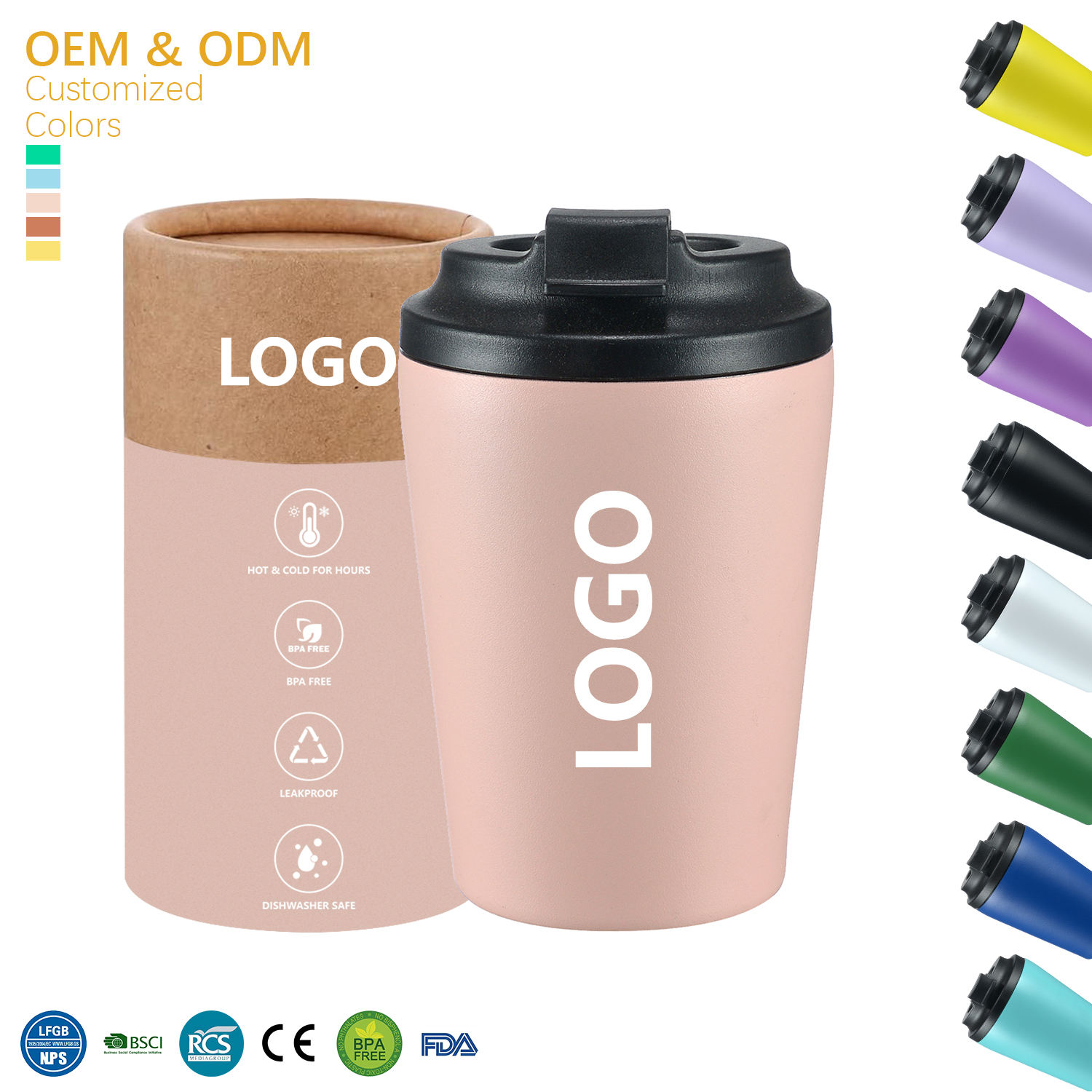
The durability of coffee cups in frequent use depends on multiple interconnected factors that extend far beyond basic material choice. Understanding these elements is essential for anyone who relies on coffee cups daily, whether for personal use, office environments, or commercial settings. The lifespan of coffee cups can vary dramatically based on construction quality, material composition, thermal properties, and user care practices. Organizations and individuals investing in coffee cups need to evaluate these factors systematically to maximize return on investment and reduce replacement costs.
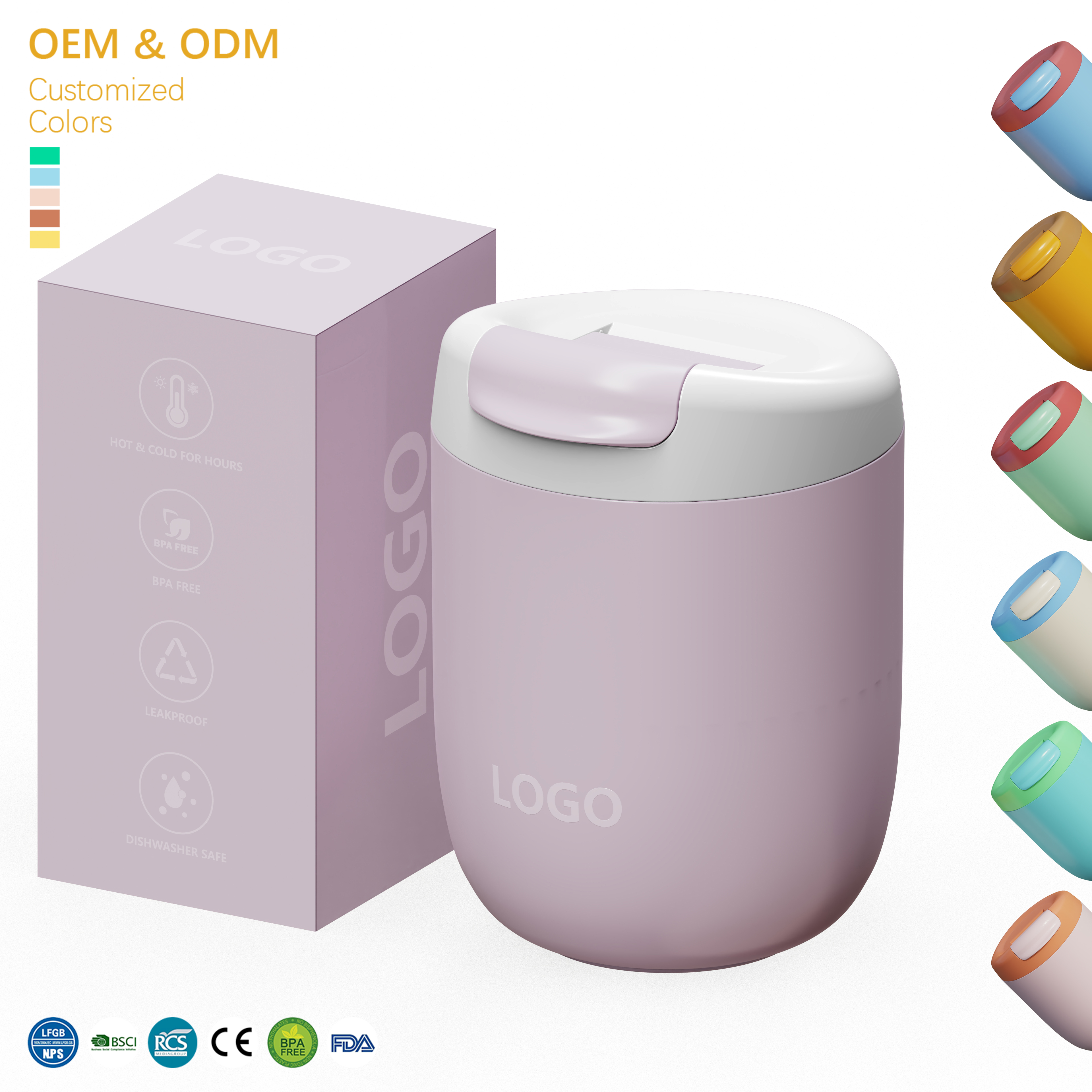
The performance of coffee cups under constant use reveals patterns that manufacturers and users must recognize to make informed purchasing decisions. When coffee cups are used multiple times daily for extended periods, the stress placed on their structure intensifies, making durability assessment critical. This guide examines the primary factors that determine how long coffee cups maintain functionality, appearance, and safety in demanding environments.
Material Composition and Its Impact on Coffee Cup Durability
Understanding Core Material Properties
The foundational material of coffee cups determines their resistance to thermal shock, chemical degradation, and mechanical failure. Stainless steel coffee cups offer superior durability compared to ceramic or plastic alternatives, with higher resistance to denting, corrosion, and temperature fluctuations. Double-wall construction in premium coffee cups adds structural integrity while improving thermal retention and reducing the risk of surface damage from frequent handling. The gauge or thickness of the material directly affects how coffee cups withstand repeated washing, stacking, and impact exposure throughout their service life.
Material Grade and Quality Standards
Food-grade stainless steel used in high-quality coffee cups meets specific industry standards that ensure longevity and safety. Standard grades like 18/8 or 304 stainless steel in coffee cups provide excellent corrosion resistance compared to lower-grade alternatives that may develop rust or discoloration after months of use. The purity and consistency of material composition in coffee cups directly influence their ability to maintain appearance and structural integrity through thousands of use cycles. Manufacturers investing in certified materials for coffee cups provide consumers with products that withstand frequent use without degradation.
Seal and Closure System Durability
Gasket and Lid Performance
The seal system in coffee cups represents one of the most critical durability factors, as it experiences constant flexing and pressure during daily use. Silicone gaskets in high-performance coffee cups maintain elasticity through hundreds of opening and closing cycles, preventing leaks and maintaining insulation properties. The design of closure mechanisms in coffee cups significantly affects how long the seal remains effective before degradation becomes noticeable. Premium coffee cups feature replaceable gasket components, allowing users to extend product life indefinitely rather than discarding entire units when seals wear.
Thread and Fastener Integrity
The threads and fastening points in coffee cups must withstand repeated tightening and loosening without stripping or weakening. Precision-engineered coffee cups with smooth, durable threads maintain secure closure and leak prevention throughout years of regular use. Poor thread quality in budget coffee cups often leads to premature failure, causing leaks and forcing premature replacement even if the cup body remains intact. Users who invest in coffee cups with reinforced fastening systems experience significantly longer product lifespans and better overall performance reliability.
Thermal Stress Resistance and Structural Longevity
Thermal Shock Prevention and Expansion Control
Rapid temperature changes impose significant stress on coffee cups through material expansion and contraction cycles. Well-designed coffee cups with appropriate wall thickness and material composition resist thermal shock that causes cracks or structural weakness in inferior products. The double-wall construction common in durable coffee cups minimizes external temperature exposure to the inner walls, reducing stress and extending structural life. Coffee cups engineered for thermal stability maintain their integrity through years of transitioning between hot beverages and cold ambient environments without developing micro-fractures.
Surface Durability and Coating Performance
Protective coatings and finishes applied to coffee cups shield the underlying material from oxidation, staining, and chemical attack. Premium powder-coat or enamel finishes on coffee cups resist peeling and discoloration even after exposure to dishwashers, acidic beverages, and abrasive cleaning methods. The adhesion strength of protective layers in quality coffee cups determines whether the product maintains aesthetic appeal throughout its functional lifetime. Inferior coffee cups often exhibit coating failure within months, revealing underlying corrosion or material degradation that compromises both appearance and durability.
Maintenance Practices and User Behavior Impact
Cleaning Methods and Longevity
How users clean their coffee cups significantly influences durability outcomes and resistance to degradation. Gentle hand washing with appropriate detergents preserves the integrity of coffee cups far better than aggressive dishwasher cycles or abrasive scrubbing techniques. Coffee cups designed for frequent use must tolerate standard commercial or household cleaning methods without deterioration. Users who follow manufacturer care instructions for coffee cups experience noticeably longer product lifespans compared to those using improper cleaning approaches.
Storage and Handling Practices
Proper storage conditions determine whether coffee cups maintain their structural integrity and functionality between use periods. Stacking coffee cups carefully and storing them in stable environments prevents denting, scratching, and seal misalignment that compromises durability. Environmental exposure to extreme temperatures or humidity can damage coffee cups even when not in active use. Users who implement appropriate storage protocols and careful handling routines extend the lifespan of their coffee cups dramatically compared to those treating them carelessly.
FAQ
What materials make the most durable coffee cups?
Stainless steel, particularly food-grade 18/8 or 304 varieties, creates the most durable coffee cups for frequent use. Double-wall stainless steel coffee cups offer superior durability compared to ceramic, plastic, or single-wall alternatives. The combination of material grade, wall thickness, and construction quality determines overall durability performance in coffee cups.
How often should I replace durable coffee cups?
High-quality coffee cups can last 5-10 years or longer with proper maintenance and care. Most coffee cups fail due to seal degradation or gasket wear rather than material failure. Replaceable components like gaskets extend the functional lifespan of coffee cups indefinitely, making them more economical than disposable alternatives.
Does dishwasher use reduce coffee cup durability?
Dishwasher use can accelerate wear on coffee cups compared to gentle hand washing, particularly for models not specifically rated for high-temperature cycles. Many durable coffee cups are designed to tolerate dishwasher cleaning without compromising function or appearance. Checking manufacturer specifications ensures your coffee cups can withstand your preferred cleaning method throughout their service life.