
 EN
EN
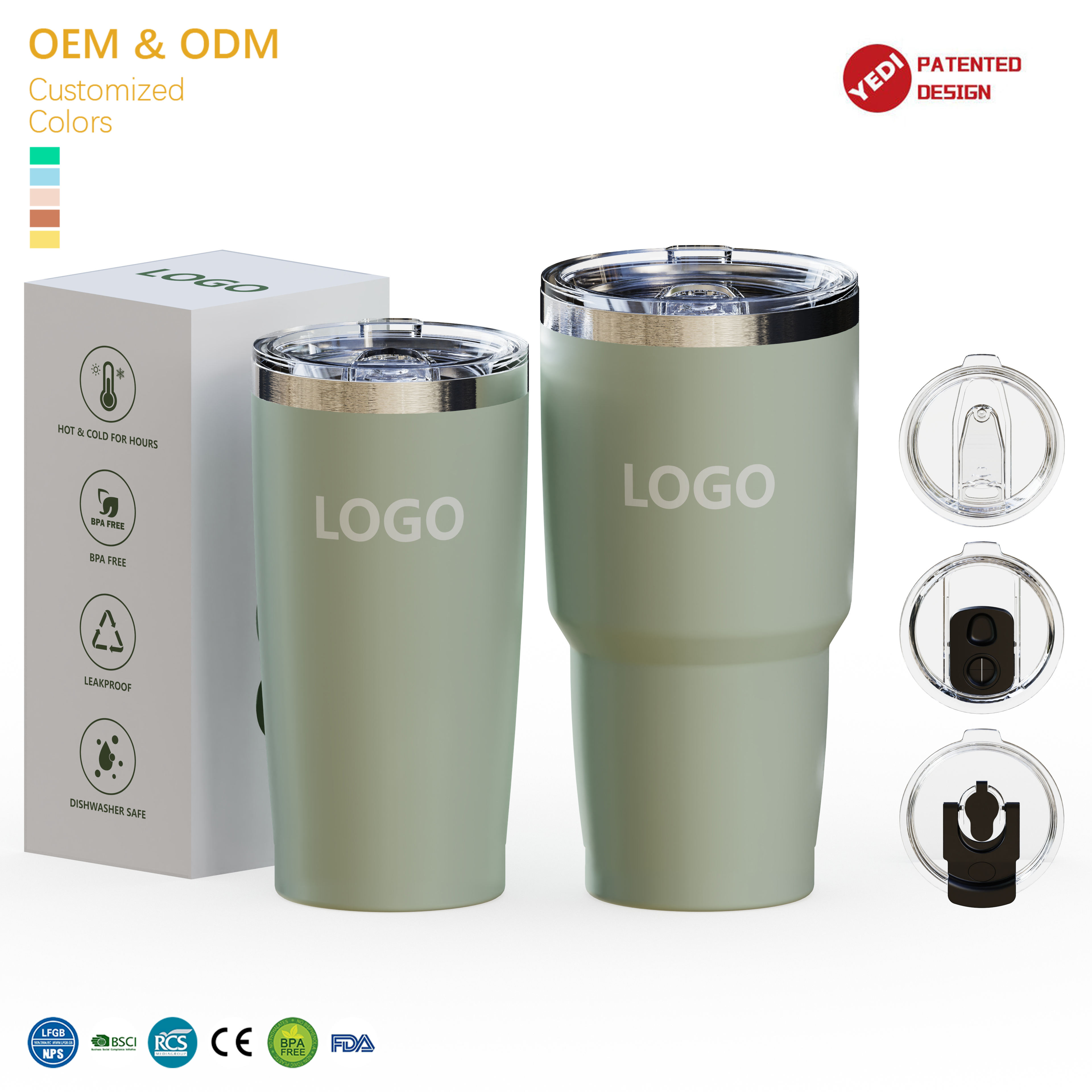
The durability of water bottles depends significantly on material selection, which directly impacts how long these containers perform in everyday use and commercial settings. When businesses source wholesale water bottles, understanding material properties becomes essential to making informed purchasing decisions that align with customer expectations and operational budgets. Material choice affects not only immediate performance but also long-term reliability, maintenance requirements, and overall value proposition of wholesale water bottles across various industries and consumer segments.
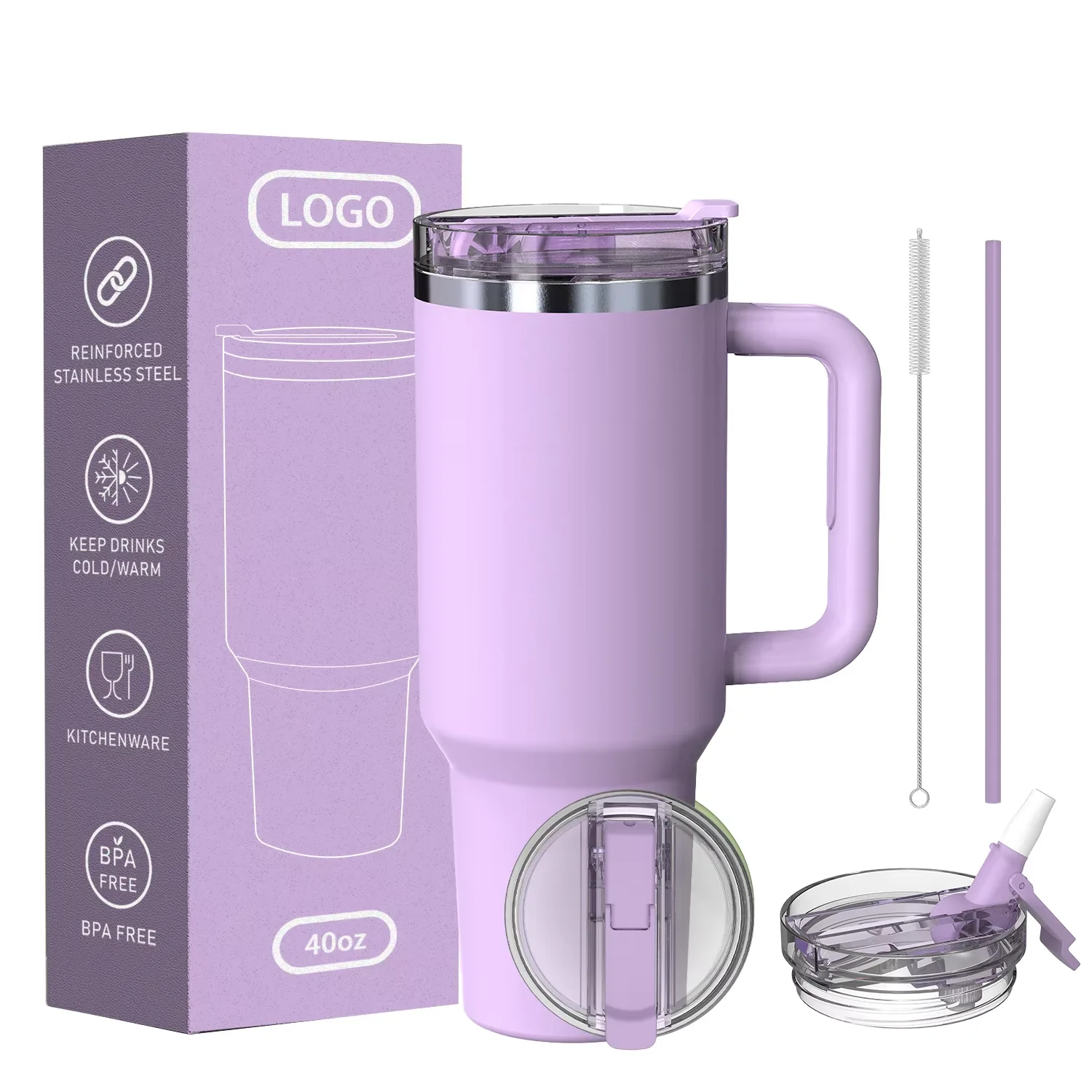
Selecting the right wholesale water bottles requires evaluating how different materials respond to thermal stress, chemical exposure, physical impact, and repeated use cycles. Different materials offer distinct advantages and limitations, making it critical for procurement teams to understand the relationship between material properties and real-world durability outcomes. This knowledge empowers organizations to choose wholesale water bottles that deliver consistent performance while minimizing replacement costs and customer dissatisfaction.
How Material Composition Influences Water Bottle Durability
Stainless Steel Performance and Longevity
Stainless steel represents a premium option in the wholesale water bottles market due to its exceptional durability and resistance to corrosion. When evaluating wholesale water bottles made from stainless steel, manufacturers and distributors recognize that this material maintains structural integrity across thousands of use cycles without degradation. The chromium and nickel composition in stainless steel creates a protective oxide layer that prevents rust formation, ensuring wholesale water bottles retain their appearance and functionality for years of continuous use.
Thermal performance is another critical advantage of stainless steel wholesale water bottles. The double-wall insulation common in premium stainless steel designs protects beverages from temperature fluctuations while maintaining bottle integrity even with extreme liquid temperatures. This thermal stability means wholesale water bottles can handle boiling water, freezing temperatures, and repeated heating cycles without warping, cracking, or developing leaks that compromise product quality and customer satisfaction.
Plastic Materials and Their Durability Limitations
Plastic-based wholesale water bottles offer cost-effectiveness and lightweight convenience, yet material degradation presents significant durability challenges. Common plastic polymers used in wholesale water bottles, including polycarbonate and polyethylene terephthalate (PET), gradually lose structural strength when exposed to ultraviolet light, elevated temperatures, or acidic beverages. Over extended timeframes, wholesale water bottles manufactured from standard plastics develop microcracking, cloudiness, and reduced impact resistance that ultimately shortens product lifespan.
Chemical leaching represents another durability concern specific to plastic wholesale water bottles. When plastic materials age or experience temperature stress, compounds such as BPA and other additives may migrate into stored beverages, raising safety concerns beyond durability questions. Organizations sourcing wholesale water bottles for extended-use applications must evaluate whether plastic materials meet long-term performance standards or require more frequent replacement cycles that increase total cost of ownership.
Environmental and Usage Factors Affecting Material Durability
Exposure Conditions and Material Resilience
The environments where wholesale water bottles are deployed directly influence which materials maintain optimal durability. Outdoor applications, industrial settings, sports facilities, and rugged transportation conditions expose wholesale water bottles to UV radiation, mechanical stress, and temperature extremes that challenge material integrity. Stainless steel wholesale water bottles demonstrate superior performance in these demanding environments compared to plastic alternatives, making them preferable for contractors, field workers, and outdoor enthusiasts who require reliable hydration solutions.
Impact resistance represents a critical durability factor for wholesale water bottles used in high-stress environments. While plastic wholesale water bottles may initially appear lighter and more convenient, their vulnerability to dropping, crushing, and impact damage significantly reduces lifespan in commercial or industrial contexts. Durable wholesale water bottles constructed from robust stainless steel withstand accidental drops, equipment impacts, and rough handling without denting or compromising structural integrity, making them economically sensible investments for organizations managing fleets, teams, or distribution networks.
Maintenance Requirements and Long-Term Care
Material choice fundamentally determines maintenance complexity and practical durability of wholesale water bottles throughout their operational lifecycle. Stainless steel wholesale water bottles require minimal maintenance beyond routine washing, as the material naturally resists bacteria growth, mineral deposits, and odor absorption. This inherent cleanability extends effective product lifespan and reduces labor costs associated with specialized cleaning procedures or replacement interventions.
Conversely, plastic wholesale water bottles often develop stubborn staining, odor retention, and bacterial biofilm accumulation that degrades material quality even before physical degradation occurs. Organizations purchasing wholesale water bottles must factor maintenance burden into material selection decisions, as time-intensive cleaning protocols effectively shorten the practical durability period and increase operational expenses. wholesale water bottles engineered from premium stainless steel minimize these hidden costs while delivering superior long-term value.
Cost-Benefit Analysis of Material Selection for Durability
Initial Investment Versus Lifecycle Performance
Purchasing decisions for wholesale water bottles must balance upfront costs against anticipated lifespan and replacement frequency. Premium stainless steel wholesale water bottles command higher initial prices but deliver extended durability that justifies the investment through reduced replacement cycles. Organizations evaluating wholesale water bottles should calculate total cost of ownership by multiplying unit cost by expected replacement frequency, revealing that expensive premium options often provide superior economic value over extended periods.
Budget-conscious procurement teams may initially prefer inexpensive plastic wholesale water bottles, but rapid degradation requiring frequent replacement ultimately generates substantial hidden costs. When wholesale water bottles fail prematurely due to material limitations, organizations face expenses for emergency reordering, supply chain disruptions, and customer dissatisfaction expenses that exceed the modest savings from selecting cheaper materials. Strategic sourcing of wholesale water bottles prioritizes durability metrics and lifecycle economics over minimizing single-unit acquisition costs.
Brand Reputation and Customer Retention
Material choice for wholesale water bottles directly impacts brand perception and customer loyalty in competitive consumer markets. Customers receiving durable wholesale water bottles manufactured from quality materials develop positive brand associations and become repeat purchasers who recommend products to peers. Conversely, wholesale water bottles that fail prematurely or exhibit material defects generate negative reviews, reduce customer lifetime value, and damage organizational reputation across social media and professional networks.
Forward-thinking organizations recognize that durability represents a strategic brand differentiator in the wholesale water bottles segment. By consistently supplying wholesale water bottles engineered from premium materials that withstand extended use, organizations build customer trust and create competitive advantages in crowded markets. Durable wholesale water bottles become tangible representations of brand commitment to quality, driving customer retention and enabling premium pricing strategies that enhance profit margins.
FAQ
Which material offers the best durability for wholesale water bottles?
Stainless steel provides superior durability for wholesale water bottles due to its corrosion resistance, thermal stability, and impact durability. Premium stainless steel wholesale water bottles maintain functionality and appearance across thousands of use cycles, making them ideal for demanding applications. While initial costs exceed plastic alternatives, the extended lifespan of stainless steel wholesale water bottles delivers superior long-term value and reduced replacement frequency.
How does material choice affect maintenance requirements for wholesale water bottles?
Stainless steel wholesale water bottles require minimal maintenance beyond routine washing, as the material naturally resists bacteria growth and odor retention. Plastic wholesale water bottles often require specialized cleaning procedures to address staining and biofilm accumulation, increasing operational complexity. Material selection directly influences maintenance burden, making durable wholesale water bottles engineered from stainless steel more practical for high-use environments.
Are budget-friendly plastic wholesale water bottles cost-effective for businesses?
Inexpensive plastic wholesale water bottles may appear cost-effective initially, but rapid degradation requires frequent replacement that increases total cost of ownership. Organizations should calculate lifecycle economics by multiplying unit cost by replacement frequency, revealing that premium durable wholesale water bottles often provide superior economic value. Plastic wholesale water bottles also generate brand reputation risks through premature failure, making premium material choices strategically advantageous for customer-focused organizations.