
 EN
EN
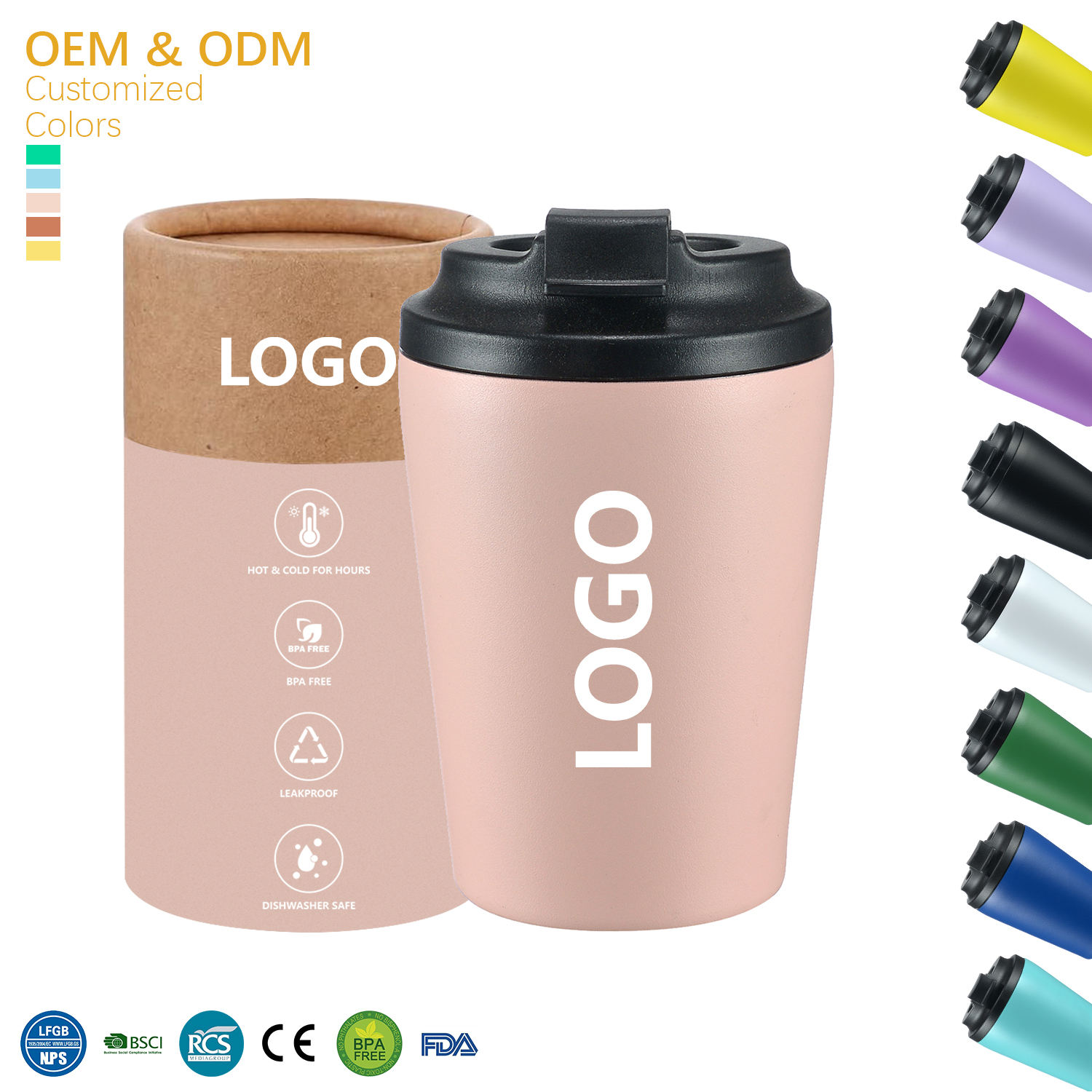
When you fill a 40oz tumbler with ice-cold water or a steaming hot coffee, you expect that temperature to last. Not for a few minutes, but for hours — through a morning commute, a full workday, or an afternoon outdoors. The reason that expectation is increasingly met comes down to one foundational engineering principle: insulation. Understanding exactly what insulation does inside a 40oz tumbler reveals why this drinkware format has become the standard choice for anyone serious about beverage temperature retention.
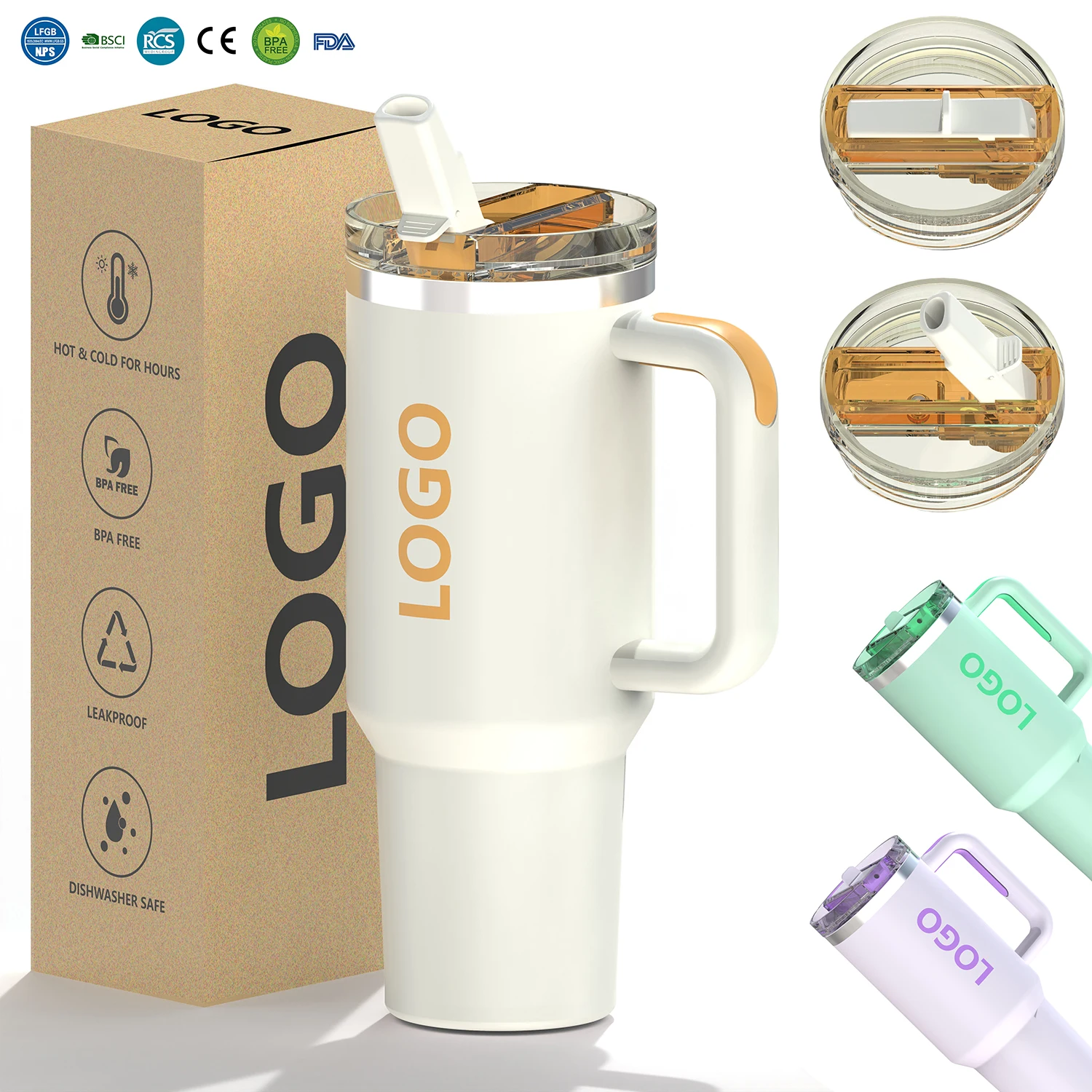
Insulation is not simply a layer of padding inside the wall of a 40oz tumbler. It is a precisely engineered system that interrupts the natural flow of heat between your beverage and the surrounding environment. The larger 40-ounce capacity makes this engineering even more important, since a greater volume of liquid has more surface area in contact with the container walls and more thermal energy to either preserve or lose. This article breaks down exactly how insulation works in a 40oz tumbler, why the double-wall vacuum design is central to that function, and what practical factors determine how well your tumbler actually holds temperature over time.
The Physics Behind Temperature Loss in a Beverage Container
How Heat Transfers Without Insulation
To appreciate what insulation does inside a 40oz tumbler, it helps to first understand what happens without it. Heat naturally moves from warmer areas to cooler ones through three mechanisms: conduction, convection, and radiation. In a basic, single-wall container, all three mechanisms operate without restriction. A cold drink rapidly absorbs heat from the warmer surrounding air and the warm hand holding the container, while a hot drink loses its thermal energy just as quickly in the opposite direction.
Conduction transfers heat directly through solid materials — so a thin metal wall conducts heat between your beverage and the outside environment almost instantly. Convection moves heat through the air surrounding the container, with warm air continuously cycling around the outer wall. Radiation allows heat to travel as electromagnetic energy even across a vacuum if surfaces are not treated to reflect it. A well-designed 40oz tumbler addresses all three of these mechanisms simultaneously.
The larger the container, the more exposed surface area exists for heat transfer to occur. This is one reason why the 40oz tumbler requires more deliberate insulation engineering than a smaller cup. More liquid volume, more wall surface, and more opportunity for thermal exchange all mean that a 40oz tumbler must work harder — and smarter — to preserve temperature over extended periods.
Why Volume Matters for Temperature Retention
The 40oz tumbler holds a substantial volume of liquid compared to standard 12oz or 20oz options. This volume has a direct relationship with temperature retention. A larger thermal mass — meaning more liquid — requires more energy to change temperature. This means a fully loaded 40oz tumbler filled with ice water will take considerably longer to warm up than a smaller container with the same insulation properties, simply because there is more cold liquid to heat.
However, this advantage only holds when the insulation system prevents the rapid transfer of ambient heat into the liquid. Without effective insulation, the same volume becomes a liability, as there is more surface area through which heat can enter. The role of insulation in a 40oz tumbler is therefore twofold: it leverages the thermal mass advantage of a large volume while simultaneously blocking the heat exchange pathways that would otherwise negate that advantage.
This balance between volume and insulation quality is exactly what separates a high-performance 40oz tumbler from a simple large cup. When both factors work together, the result is a container that can keep drinks cold for 12 to 24 hours or hot beverages warm for 6 to 12 hours under normal conditions — performance that makes the 40oz tumbler genuinely practical for all-day use.
Double-Wall Vacuum Insulation and Its Central Role
The Structure of a Vacuum-Insulated Wall
The most effective insulation technology used in a modern 40oz tumbler is the double-wall vacuum construction. This design involves two separate walls of stainless steel with a gap between them from which virtually all air has been evacuated. The resulting vacuum is the key component because air itself is a conductor of heat through convection. By removing the air, convective heat transfer between the inner and outer walls is eliminated almost entirely.
The inner wall of a 40oz tumbler is in direct contact with the beverage. The outer wall is what you hold and what is exposed to the ambient environment. In a double-wall vacuum design, these two walls are thermally isolated from each other by the vacuum gap. Heat from the outside cannot easily conduct through the vacuum to reach the inner wall, and the cold or heat of the beverage cannot easily escape outward. This is a passive insulation system — it requires no energy input and functions entirely through structural engineering.
The precision required to manufacture this vacuum seal correctly is significant. Any compromise in the seal — even a microscopic gap — allows air back into the chamber, immediately degrading insulation performance. Quality construction of a 40oz tumbler therefore depends not just on the design but on the manufacturing consistency that maintains the vacuum integrity over years of regular use, including impacts, washing cycles, and temperature cycling.
How Vacuum Insulation Addresses All Three Heat Transfer Mechanisms
A vacuum-insulated 40oz tumbler addresses conduction, convection, and radiation in distinct ways. The vacuum gap eliminates convective transfer by removing the medium through which convection operates. Conductive transfer is reduced dramatically because the two stainless steel walls are connected only at the top rim, minimizing the solid conduction pathway between them. The contact points between the inner and outer walls are engineered to be as minimal as possible, which keeps the thermal bridge small.
Radiation is addressed through the natural properties of polished stainless steel, which reflects rather than absorbs radiant heat energy. Some manufacturers apply additional copper plating inside the vacuum chamber of a 40oz tumbler to further enhance radiant heat reflection, though the polished steel itself already provides meaningful radiation resistance. Together, these three mechanisms are addressed in a single integrated structure without any additional insulating materials being needed.
This is why vacuum-insulated stainless steel has become the material of choice for the modern 40oz tumbler. Earlier insulation approaches used foam or cork layers, which reduced conduction and convection but offered minimal protection against radiation and degraded over time with moisture exposure. The vacuum approach is more durable, more effective, and maintains consistent performance across the full usable life of the tumbler.
The Lid Design and Its Contribution to Insulation
Where Temperature Loss Actually Occurs Most
Even in a perfectly insulated 40oz tumbler body, the lid represents the most significant point of potential temperature loss. The opening through which you drink allows warm or cool air to exchange with the interior, and the lid itself — depending on its material and seal quality — can conduct heat between the beverage and the environment. Understanding the lid's role is essential to understanding the complete insulation system of a 40oz tumbler.
Most lids for a 40oz tumbler are made from BPA-free plastic or silicone, both of which have lower thermal conductivity than stainless steel. This helps limit direct conduction through the lid material. However, the seal quality around the lid perimeter and around any straw opening is equally important. A loose-fitting lid creates a small air gap that allows convective exchange — warm ambient air entering and cold beverage air escaping — which can noticeably accelerate temperature change inside the tumbler.
A well-designed lid for a 40oz tumbler incorporates a tight press-fit or screw seal around the perimeter and a close-fitting silicone gasket around the straw hole. Some lids also include a sliding closure over the straw opening, allowing the user to seal the tumbler completely when not actively drinking. These features collectively reduce the lid's contribution to temperature loss and help the insulated body of the 40oz tumbler perform to its full potential.
Straw Integration and Thermal Efficiency
Many 40oz tumbler designs include a reusable straw as a standard component. While straws add convenience, they also introduce a direct thermal pathway between the beverage and the external environment. A metal straw conducts heat efficiently, meaning it can transfer warmth from the outside air directly into the liquid if left sitting in the tumbler when not in use. Plastic or silicone straws conduct heat less readily and are a better choice for maintaining the insulation efficiency of a 40oz tumbler.
The fit of the straw through the lid also matters. A loosely fitting straw opening allows air exchange around the straw shaft, creating a convective pathway that bypasses the insulation of the tumbler body. High-quality 40oz tumbler lids include a silicone grommet or molded seal around the straw opening that minimizes this gap without making straw removal difficult.
When selecting or evaluating a 40oz tumbler, the lid and straw system should be considered an integral part of the insulation assembly rather than a secondary accessory. The body insulation creates the thermal envelope, but the lid determines how well that envelope is closed. A premium tumbler body paired with a poorly sealed lid will consistently underperform a balanced design where both components are engineered to complement each other.
External Factors That Affect Insulation Performance
Ambient Temperature and Direct Sunlight
Insulation in a 40oz tumbler works by slowing heat transfer, not stopping it entirely. The rate at which heat transfer occurs depends heavily on the temperature differential between the beverage and the surrounding environment. The greater the difference, the faster heat will try to move. A cold drink in a very hot environment — such as a 40oz tumbler left in a car during summer — will warm more quickly than the same drink in a mild indoor setting, simply because the thermal gradient driving heat inward is larger.
Direct sunlight adds an additional factor. Radiant solar energy heats the outer wall of the 40oz tumbler, raising its surface temperature above ambient air temperature. While the vacuum insulation still limits how much of that radiant heat reaches the inner wall, sustained direct sunlight does incrementally increase the rate of temperature change inside the tumbler. This is why matte or powder-coated exterior finishes are often preferred over bare polished metal — they absorb and distribute solar radiation more evenly rather than concentrating it.
Practical use of a 40oz tumbler in outdoor settings benefits from awareness of these environmental factors. Keeping the tumbler shaded when possible, minimizing the time the lid is open, and starting with well-chilled or well-heated beverages all work in concert with the insulation system to maximize performance. Insulation provides the mechanism, but user behavior determines how effectively that mechanism is used.
Pre-Conditioning the Tumbler Before Use
One of the most practical and underused strategies for improving insulation performance in a 40oz tumbler is pre-conditioning. The stainless steel walls of the tumbler have their own thermal mass, meaning they store heat or cold. If the inner wall is at room temperature when a cold drink is added, it will absorb some of the beverage's cold before reaching a stable temperature, effectively warming the drink initially and reducing ice longevity.
Pre-conditioning a 40oz tumbler for cold beverages involves filling it with cold water or ice for a few minutes before adding the actual drink. This brings the inner wall temperature down so that it no longer draws thermal energy from the beverage when the cold drink is added. Similarly, for hot beverages, rinsing the 40oz tumbler with hot water before filling it with coffee or tea prevents the cold inner wall from cooling the drink unnecessarily in the first few minutes.
This technique is particularly relevant for the 40oz tumbler because of its larger wall surface area. The greater the inner wall surface, the more heat or cold it can absorb from the beverage during the initial equilibration phase. Pre-conditioning effectively eliminates this initial temperature loss and allows the insulation system to begin operating from a thermally stable starting point, extending the effective temperature retention period significantly.
FAQ
How long can a 40oz tumbler keep a drink cold?
A quality vacuum-insulated 40oz tumbler can typically keep beverages cold for 12 to 24 hours under normal conditions. Performance varies based on ambient temperature, how often the lid is opened, the starting temperature of the beverage, and whether the tumbler was pre-conditioned before use. In hot outdoor environments with frequent lid opening, ice retention will be shorter than in a cool indoor setting with the lid closed between uses.
Does the size of a 40oz tumbler affect how well it insulates?
The 40oz capacity provides a larger thermal mass, which means more liquid volume must change temperature before the drink feels noticeably warmer or cooler. This is an inherent advantage of the larger format. However, the wall surface area is also larger, which means insulation quality must be maintained across a greater area. High-quality vacuum insulation in a 40oz tumbler leverages the volume advantage while controlling the surface area exposure, resulting in very effective temperature retention.
Why does my 40oz tumbler sometimes lose temperature faster than expected?
Faster-than-expected temperature loss in a 40oz tumbler is most often caused by a compromised lid seal, a loose straw fit that allows air exchange, or a damaged vacuum chamber resulting from impact or manufacturing defect. Starting with beverages that are not cold or hot enough, or placing the 40oz tumbler in direct sunlight or a very hot environment, also accelerates temperature change. Pre-conditioning the tumbler and ensuring the lid is fully sealed are the simplest ways to restore expected performance.
Is stainless steel the best material for insulation in a 40oz tumbler?
Stainless steel is the preferred material for vacuum-insulated drinkware because it is durable, non-porous, and compatible with the vacuum sealing process. Its surface properties also help reflect radiant heat. The insulation performance of a 40oz tumbler comes primarily from the vacuum between the walls, not from the steel itself — but steel is the material best suited to form and maintain that vacuum over extended daily use and repeated thermal cycling.