
 EN
EN
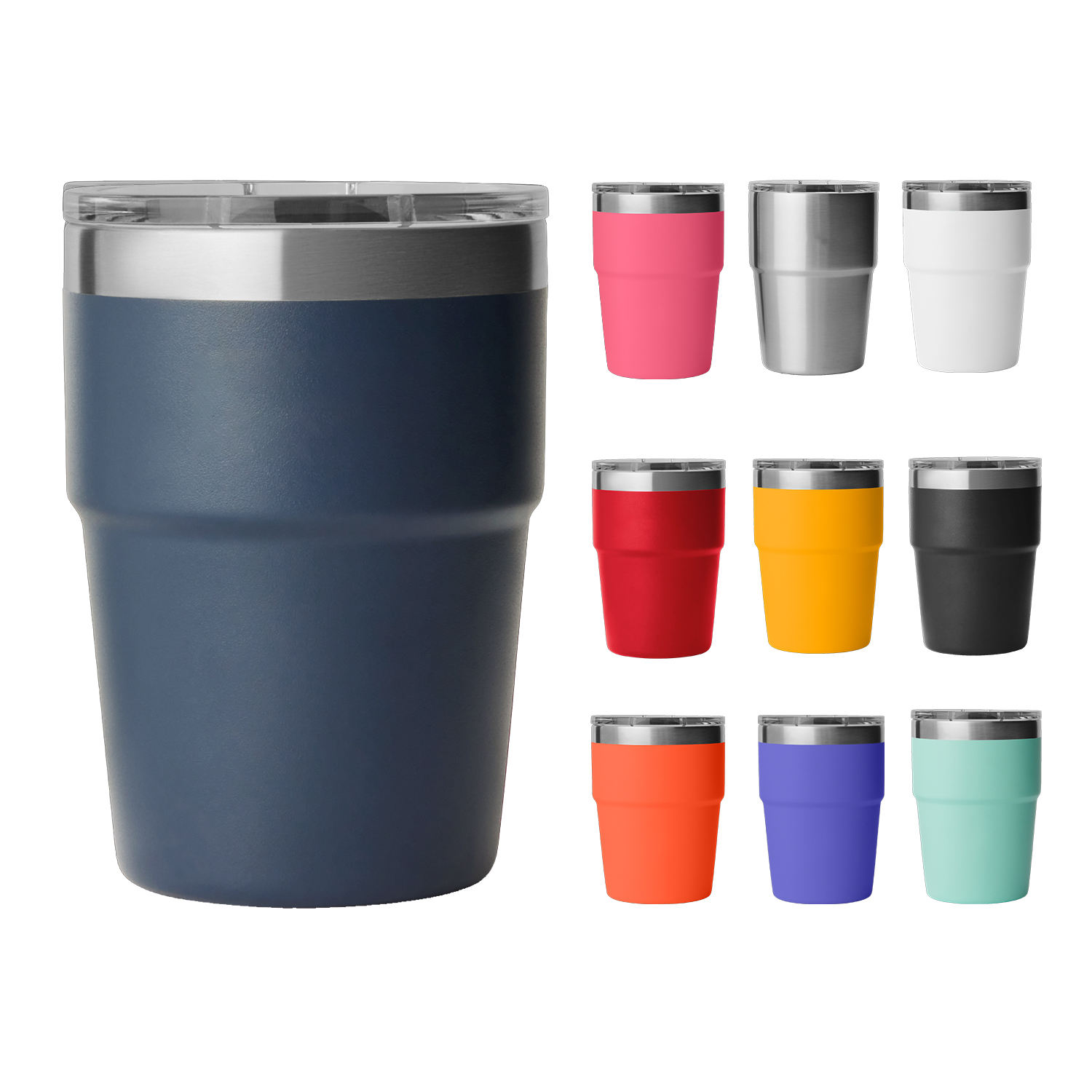
Temperature retention and usability represent two of the most critical performance factors distinguishing quality wholesale water bottles from basic alternatives. When organizations purchase wholesale water bottles for employees, promotional campaigns, or retail distribution, they often encounter surprising variations in how long these bottles maintain beverage temperature and how comfortably users interact with them. Understanding the root causes of these differences enables buyers to make informed purchasing decisions that align with their specific use cases, budget constraints, and end-user expectations.
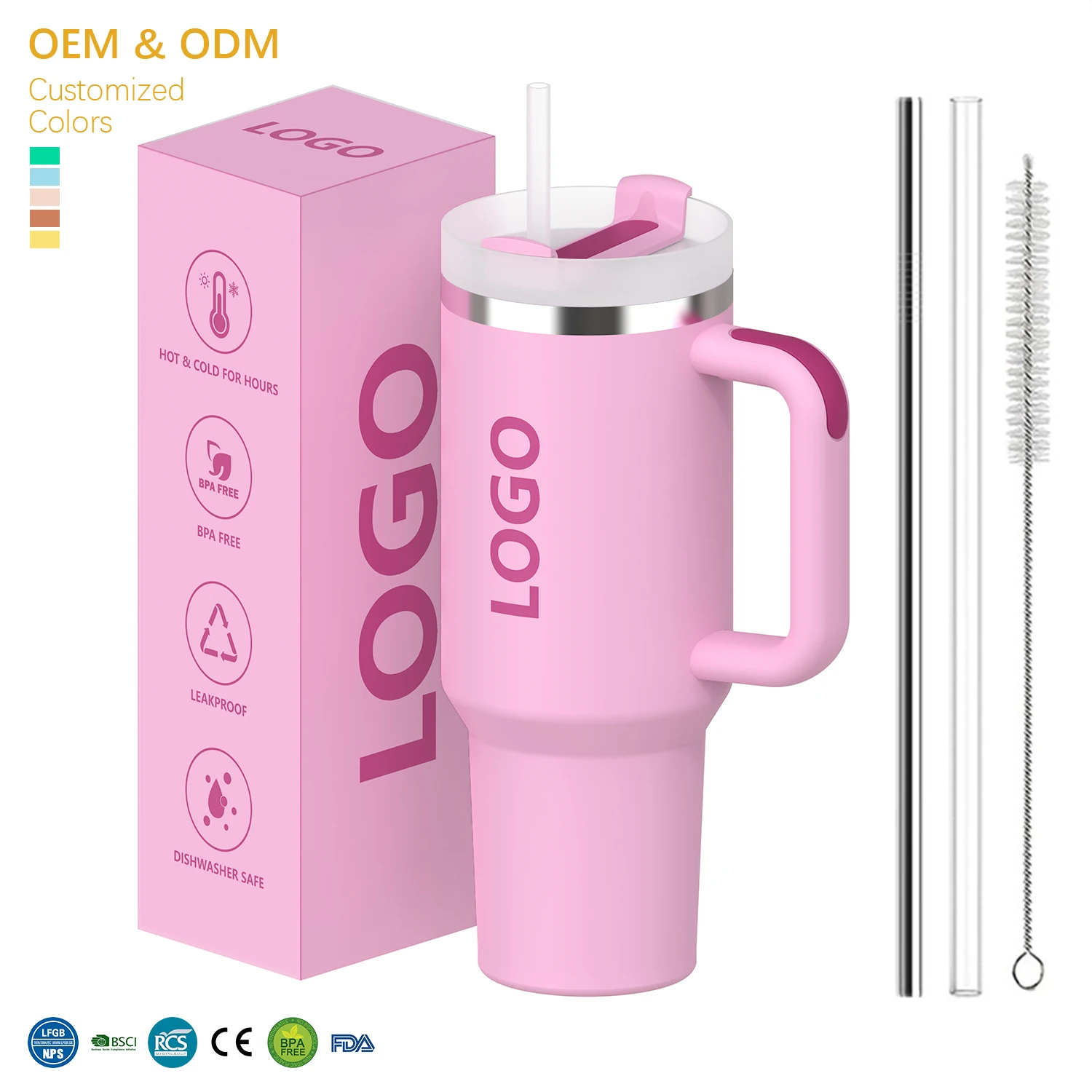
Wholesale water bottles vary significantly because manufacturers prioritize different design philosophies, material compositions, and manufacturing techniques. Some producers focus on cost efficiency while others invest in advanced insulation technology, resulting in dramatically different product performance even within the same category. This comprehensive guide explores the mechanical, chemical, and design factors that create these variations, helping procurement teams identify which wholesale water bottles best serve their intended purpose.
Material Composition and Insulation Technology
Double-Wall Vacuum Insulation Impact
The most significant factor determining temperature retention in wholesale water bottles is the insulation method employed during manufacturing. Double-wall vacuum insulation represents the gold standard, creating an air gap between two stainless steel layers that dramatically slows thermal energy transfer. When wholesale water bottles feature this technology, they can maintain hot beverages at safe drinking temperatures for eight to twelve hours and keep cold drinks refreshing for up to twenty-four hours. Conversely, single-wall wholesale water bottles or those with basic foam insulation lose temperature much more rapidly, often dropping ten to fifteen degrees Fahrenheit within two to three hours.
The vacuum itself is the key performance element in premium wholesale water bottles. Manufacturers remove air from the space between walls, creating a near-perfect thermal barrier since air cannot conduct heat across an empty space. This principle explains why high-performance wholesale water bottles typically command higher price points than basic alternatives. The production process requires specialized equipment, quality control protocols, and material standards that increase manufacturing costs but deliver measurably superior temperature retention for end users.
Stainless Steel Grade Selection
Wholesale water bottles manufactured from food-grade 18/8 or 18/10 stainless steel offer superior durability, corrosion resistance, and thermal conductivity characteristics compared to lower-grade materials. These specific stainless steel grades contain eighteen percent chromium and either eight or ten percent nickel, creating an alloy that resists rust, staining, and flavor transfer even after extended use with acidic beverages. Many budget-tier wholesale water bottles use lower stainless steel grades or aluminum alternatives that corrode more easily and conduct temperature changes more quickly, compromising both longevity and performance. The material choice directly influences how effectively wholesale water bottles maintain internal temperature consistency and resist degradation from regular washing and usage.
Design Features and Functional Usability
Lid Design and Seal Quality
Usability differences in wholesale water bottles often stem from lid design choices that significantly impact user experience. Premium wholesale water bottles typically incorporate threaded lid systems with silicone gaskets that create airtight seals, preventing both leakage and temperature loss through the opening. Some wholesale water bottles feature wide-mouth designs that accommodate ice cubes and cleaning brushes, while others employ narrow spouts optimized for single-handed drinking during activities. The seal integrity directly affects temperature retention because any air gap allows ambient temperature to infiltrate the interior, reducing insulation effectiveness by twenty to forty percent in real-world conditions.
Budget wholesale water bottles frequently use snap-on lids with minimal sealing capability, resulting in leaks during transport and rapid temperature loss through the opening. Organizations purchasing wholesale water bottles for active use cases should prioritize models with pressure-sealed or twist-lock mechanisms that maintain integrity even when bottles are inverted or subjected to pressure changes. The difference in lid quality often separates professional-grade wholesale water bottles from consumer-grade alternatives, making this feature worth evaluating during the purchasing process.
Ergonomic and Carrying Considerations
Usability encompasses more than just temperature performance; it includes how comfortably users hold, carry, and drink from wholesale water bottles throughout their day. Handle design dramatically influences perceived comfort and actual usage patterns, with soft-grip handles, textured surfaces, and ergonomic proportions enhancing usability compared to plain cylindrical designs. Wholesale water bottles with integrated carrying loops or handles see higher actual usage rates in occupational settings because workers can easily attach them to backpacks or tool belts. Weight distribution, grip diameter, and surface texture all contribute to whether end users actually prefer using the wholesale water bottles or abandon them for alternatives.
Size variations create usability differences that impact user satisfaction with wholesale water bottles. Smaller twenty-ounce wholesale water bottles suit individuals seeking lightweight portability, while forty-ounce models appeal to those wanting fewer refills during extended activities. The choice should align with typical usage duration and refill access for the intended user population. Wholesale water bottles with measurement markings, measurement gradations, or time-based hydration reminders add functional value that encourages consistent use and appeals to health-conscious consumers.
Manufacturing Standards and Quality Control
Production Process Variations
Wholesale water bottles vary dramatically in temperature retention capabilities due to differences in manufacturing standards and quality control rigor during production. Manufacturers producing premium wholesale water bottles invest in precision welding equipment, vacuum pressure testing, and thermal performance verification to ensure every unit meets specified insulation standards. These quality assurance processes catch manufacturing defects that compromise insulation before products ship to buyers. Lower-cost wholesale water bottles often skip rigorous testing protocols, resulting in inconsistent performance where some units maintain temperature adequately while others fail prematurely.
The welding technique used to join the inner and outer walls of insulated wholesale water bottles directly impacts vacuum integrity. Laser welding and precision seam welding create stronger, more reliable seals that maintain vacuum over extended product lifecycles. Older or less sophisticated welding methods may create micro-leaks in the vacuum seal that cause gradual performance degradation over months of use. Organizations buying wholesale water bottles in volume should request information about welding technology and quality testing protocols to ensure consistent product performance across entire shipments.
Durability and Long-Term Performance
Temperature retention in wholesale water bottles changes over time as manufacturing imperfections develop or vacuum seals gradually fail. High-quality wholesale water bottles maintain ninety-five percent of original insulation performance after one year of regular use, while lower-grade alternatives may lose fifteen to thirty percent of performance within six months. This degradation reflects differences in seal quality, material selection, and manufacturing precision that accumulate over product lifecycles. When evaluating wholesale water bottles for corporate or commercial purposes, consider total cost of ownership rather than initial purchase price, as durable models deliver better long-term value despite higher upfront costs.
Practical Selection Criteria for Wholesale Water Bottles
Use Case Alignment and Performance Requirements
Different applications demand different wholesale water bottle specifications, making proper selection essential for user satisfaction. Outdoor workers and athletes require premium wholesale water bottles with excellent temperature retention and durable construction that withstands rough handling. Office environments might prioritize aesthetic appeal and comfortable carrying features over maximum insulation performance. Healthcare facilities may emphasize easy cleaning and hygienic design features, selecting wholesale water bottles with removable components and wide-mouth openings. Accurately matching wholesale water bottles to actual usage patterns ensures that recipients find them genuinely useful rather than merely acceptable.
The volume capacity of wholesale water bottles should align with typical refill access and hydration needs during usage periods. Individuals with frequent water access might prefer smaller, lighter wholesale water bottles, while those in outdoor or mobile work environments benefit from larger capacities that reduce refill frequency. Temperature retention testing under conditions matching actual use cases provides the most accurate performance comparison, as laboratory conditions often overstate real-world performance.
Customization and Branding Options
Wholesale water bottles purchased for corporate distribution often include custom branding, logos, or organizational messaging that influences total value proposition. Customization processes vary in complexity and cost depending on whether manufacturers offer laser engraving, screen printing, or embossing options. Some wholesale water bottles accept customization more effectively than others due to surface finish and material characteristics, affecting final appearance quality. Organizations should verify that customization methods won't compromise insulation integrity or create surfaces where adhesives or coatings degrade during normal use.
FAQ
What causes some wholesale water bottles to lose temperature quickly while others maintain it longer?
Temperature retention differences in wholesale water bottles primarily result from insulation technology, stainless steel grade quality, and seal integrity. Double-wall vacuum insulation dramatically outperforms single-wall designs, while premium stainless steel grades resist thermal transfer more effectively than lower-grade alternatives. Poor lid seals allow temperature loss through the opening, significantly reducing overall insulation effectiveness regardless of wall construction quality. Manufacturing precision and quality control determine whether vacuum integrity remains consistent throughout the product lifecycle.
How do lid design and handle features affect wholesale water bottle usability?
Usability of wholesale water bottles depends heavily on threaded seals versus snap-on designs, handle style, grip texture, and ergonomic proportions. Secure threaded lids with silicone gaskets prevent leaks and reduce temperature loss compared to basic snap-on alternatives. Carrying handles, grip comfort, and weight distribution influence whether users actually choose to use the wholesale water bottles or opt for alternatives. Size selection should match typical usage duration and refill access patterns to ensure chosen wholesale water bottles deliver practical value in real-world conditions.
What should organizations consider when purchasing wholesale water bottles for corporate distribution?
Organizations buying wholesale water bottles should match specifications to intended use cases, verify manufacturing quality through testing protocols or certifications, and evaluate long-term durability beyond initial purchase price. Premium wholesale water bottles with double-wall vacuum insulation and quality construction deliver better value over extended periods despite higher upfront costs. Custom branding should employ methods that won't compromise insulation or create surface degradation, and bulk purchasing should include sample testing to verify performance meets expectations before finalizing large orders.