
 EN
EN
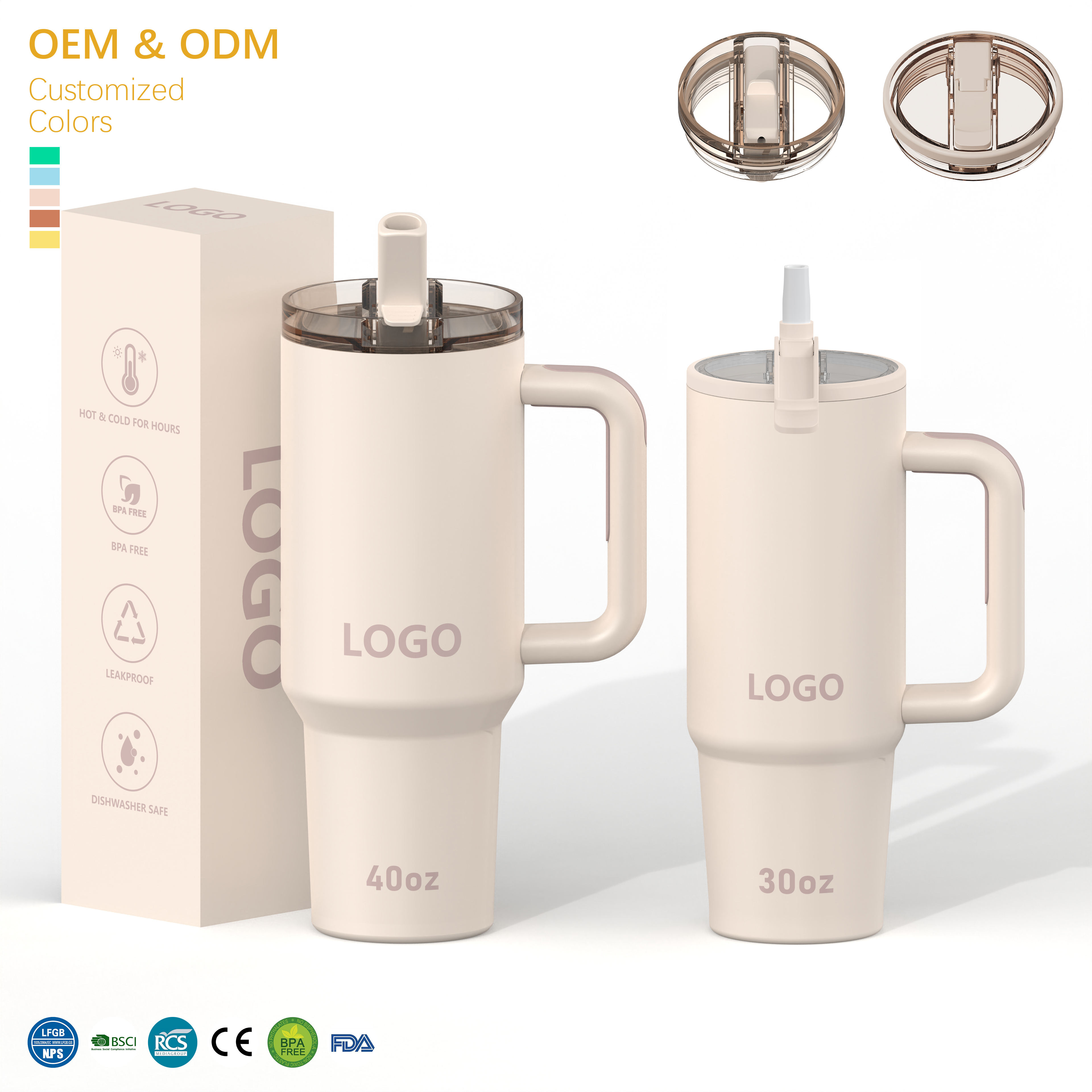
Selecting the right water bottle size is critical for businesses purchasing wholesale water bottles for corporate gifting, retail inventory, or branded merchandise programs. The ideal capacity depends on usage context, with office environments, fitness facilities, and outdoor activities each requiring distinct size considerations. Understanding these size-specific demands helps procurement managers select wholesale water bottles that maximize utility while controlling inventory costs. This guide examines capacity optimization across three primary use environments, providing decision frameworks for wholesale water bottles purchasing strategies tailored to office workers, gym members, and outdoor enthusiasts.
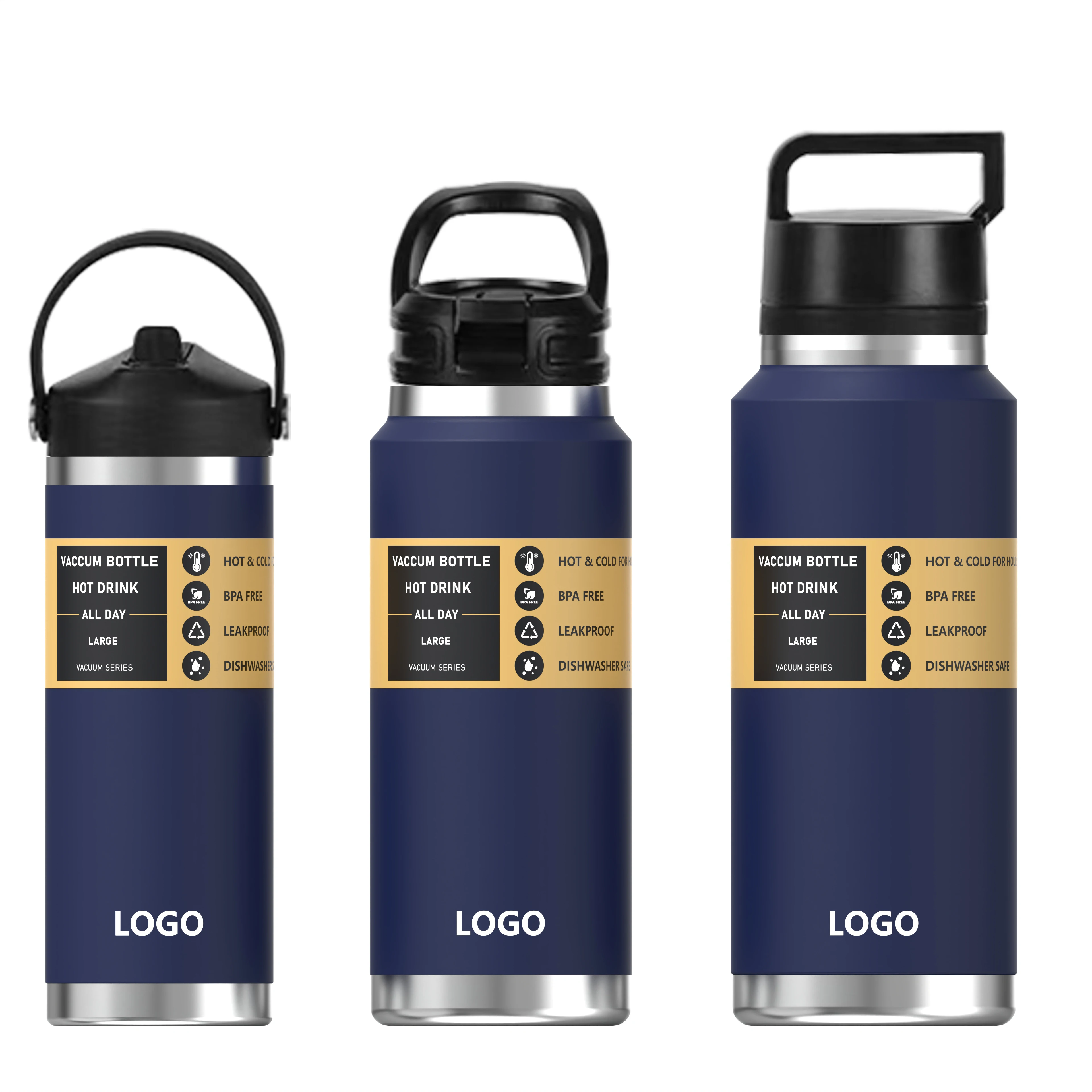
The capacity choice for wholesale water bottles directly impacts user adoption rates and brand perception. Office professionals favor compact designs that fit desk spaces and bags, while gym users prioritize larger volumes supporting extended workout sessions. Outdoor adventurers require sizes balancing hydration needs against portability constraints during hiking or camping trips. Businesses sourcing wholesale water bottles must align capacity selection with end-user behavioral patterns to ensure product relevance. Mismatched sizing results in low usage rates and wasted promotional investment, making informed capacity planning essential for wholesale water bottles procurement success across commercial and institutional applications.
Office Environment Capacity Requirements
Desk-Friendly Size Parameters
Office workers require wholesale water bottles between 12 to 18 ounces for optimal desk integration. This range fits standard cup holders, desk organizers, and briefcase pockets without consuming excessive workspace. Corporate buyers purchasing wholesale water bottles for employee wellness programs should prioritize 16-ounce capacities as the functional sweet spot. This size supports hydration through two-hour meeting blocks while maintaining portability during inter-office movement. Wholesale water bottles in this range typically measure 7 to 9 inches in height, allowing placement under most computer monitors without obstructing screen visibility. The compact profile of office-oriented wholesale water bottles encourages frequent refilling, which research indicates improves actual consumption rates compared to larger bottles that users perceive as burdensome to empty and refill throughout the workday.
Refill Frequency Considerations
The 12 to 18-ounce range for office wholesale water bottles balances hydration goals against refill convenience. Employees typically refill containers three to four times during an eight-hour shift with these capacities, which aligns with recommended movement breaks for sedentary workers. Companies ordering wholesale water bottles for office distribution should consider proximity to water stations when selecting sizes. Buildings with limited hydration points benefit from slightly larger 20-ounce wholesale water bottles, while facilities with abundant filtered water access can optimize for the smaller, more portable 14-ounce designs. The refill pattern created by appropriately sized wholesale water bottles subtly encourages physical activity breaks, adding secondary wellness value beyond hydration. Procurement teams should evaluate their specific workplace hydration infrastructure before finalizing wholesale water bottles capacity specifications for employee distribution or corporate gift programs.
Fitness Facility Optimal Capacities
Workout Duration Sizing Logic
Gym environments demand wholesale water bottles in the 24 to 36-ounce range to support typical 60 to 90-minute training sessions without mid-workout refills. Fitness facilities purchasing wholesale water bottles for member retail or branded merchandise should focus on 32-ounce capacities as the performance standard. This size provides sufficient fluid replacement for moderate to high-intensity cardio and strength training while remaining manageable during exercise transitions. Wholesale water bottles designed for fitness applications typically incorporate features like carrying loops and spill-proof lids that complement the larger capacity. Gyms sourcing wholesale water bottles for member programs report highest satisfaction with bottles offering approximately one liter capacity, which eliminates hydration anxiety during classes and reduces locker room congestion around water fountains. The 32-ounce benchmark for fitness-focused wholesale water bottles reflects both physiological fluid loss rates during exercise and practical handling constraints during active movement.
Equipment Compatibility Factors
Wholesale water bottles for gym use must fit standard treadmill, bike, and elliptical machine cup holders, which typically accommodate bottles up to 3.5 inches in diameter. Fitness centers ordering wholesale water bottles should verify dimensional compatibility with their specific equipment fleet before finalizing capacity selections. Taller 36-ounce wholesale water bottles may tip in shallow holders during vigorous exercise, while excessively wide designs interfere with arm movement during certain exercises. The optimal gym wholesale water bottles specification balances maximum capacity against a diameter constraint of approximately 3 inches and height limit of 10 inches for reliable equipment holder compatibility. Facilities purchasing wholesale water bottles for member use should request sample units to test fit across their cardio and strength equipment before committing to bulk orders. This verification step prevents inventory of wholesale water bottles that technically meet capacity requirements but prove impractical in actual gym floor usage scenarios.
Outdoor Activity Size Selection
Hydration Duration Planning
Outdoor recreational contexts require wholesale water bottles ranging from 32 to 64 ounces depending on activity duration and environmental conditions. Retailers stocking wholesale water bottles for camping and hiking customers should carry multiple size options, with 40-ounce bottles serving as the versatile midpoint. This capacity supports four to six-hour excursions in moderate climates without resupply access, addressing the majority of day-hiking scenarios. Businesses sourcing wholesale water bottles for outdoor sports promotions or adventure tourism should consider regional climate when selecting inventory mix. Arid environments justify larger 64-ounce wholesale water bottles, while temperate regions permit focus on the 32 to 40-ounce range. The optimal outdoor wholesale water bottles specification must account for the carrying weight penalty of larger capacities, as users often reject bottles exceeding 1.5 pounds when empty due to pack weight concerns during extended treks.
Portability and Weight Trade-offs
The relationship between capacity and portability defines outdoor wholesale water bottles selection strategy. A 64-ounce stainless steel bottle weighs approximately 14 ounces empty plus 64 ounces of water, totaling nearly five pounds when full. This weight becomes significant during multi-hour hikes, leading experienced outdoor retailers to recommend 40-ounce wholesale water bottles as the practical maximum for most recreational users. Companies purchasing wholesale water bottles for outdoor event sponsorships or trail maintenance volunteer programs should prioritize the 32 to 40-ounce range to ensure actual field usage rather than abandonement in vehicles. The portability calculation for outdoor wholesale water bottles must consider both absolute weight and weight distribution within backpacks or sling carry systems. Wholesale water bottles with slim profiles pack more efficiently in side pockets, making a taller 40-ounce design often more practical than a shorter, wider 40-ounce alternative despite identical capacity and similar empty weight specifications.
FAQ
What is the most versatile size when ordering wholesale water bottles for mixed-use corporate gifts?
The 20-ounce capacity represents the optimal compromise for wholesale water bottles intended for diverse corporate gifting applications. This size functions adequately in office settings while providing sufficient capacity for light gym use and short outdoor activities. Companies ordering wholesale water bottles without specific end-use definition should specify 18 to 24-ounce capacities to maximize recipient utility across lifestyle contexts. This range balances portability against hydration capacity more effectively than smaller office-specific or larger fitness-specific wholesale water bottles alternatives.
How do insulation requirements affect optimal sizing for wholesale water bottles?
Vacuum-insulated wholesale water bottles add approximately 20 to 30 percent to exterior dimensions compared to single-wall equivalents at the same capacity. Buyers should account for this size inflation when specifying insulated wholesale water bottles for contexts with space constraints. A 20-ounce insulated model may match the external footprint of a 28-ounce non-insulated bottle, affecting desk fit and cup holder compatibility. Businesses purchasing wholesale water bottles with thermal performance requirements should request dimensional specifications beyond just capacity ratings to ensure proper application fit.
Should wholesale water bottles inventory include multiple sizes or focus on single capacity?
Retailers and corporate buyers should typically stock two complementary sizes of wholesale water bottles rather than single-capacity inventory. A practical pairing combines 16-ounce office-optimized bottles with 32-ounce fitness-outdoor models, addressing approximately 85 percent of use cases while limiting inventory complexity. This two-size approach for wholesale water bottles allows businesses to serve distinct customer segments without the carrying costs and selection confusion of four or five capacity options. Single-capacity wholesale water bottles inventory works only when the buyer has verified homogeneous end-user requirements across their entire distribution channel or recipient population.