
 EN
EN
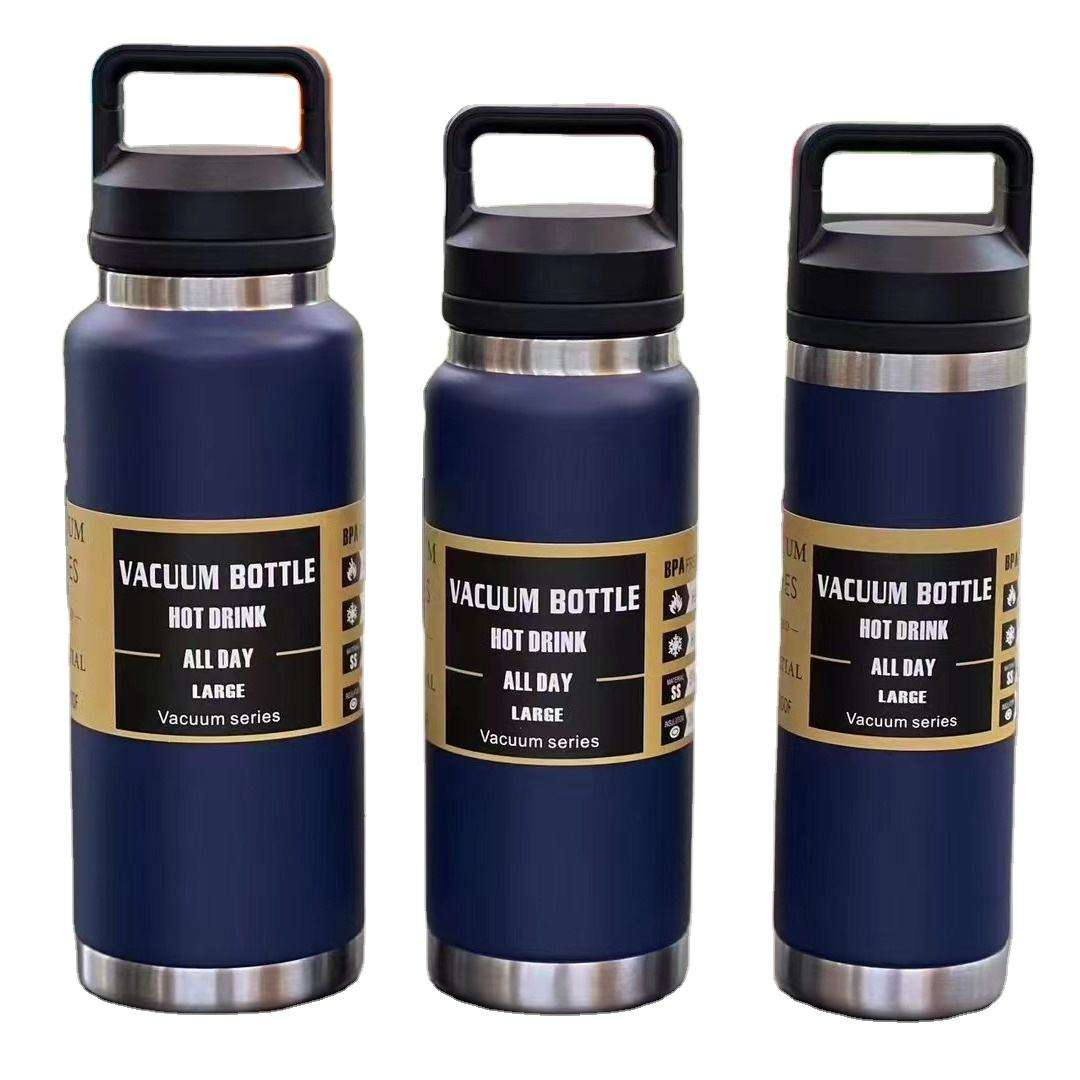
The relationship between how often you clean a water bottle and how long it lasts is more significant than most people realize. Whether you are a retailer sourcing wholesale water bottles for your brand or an end consumer using them daily, understanding cleaning habits can directly impact the durability, hygiene, and long-term value of the product. Neglecting proper and consistent cleaning accelerates material degradation, compromises insulation performance, and shortens the usable life of what should be a long-lasting hydration tool.
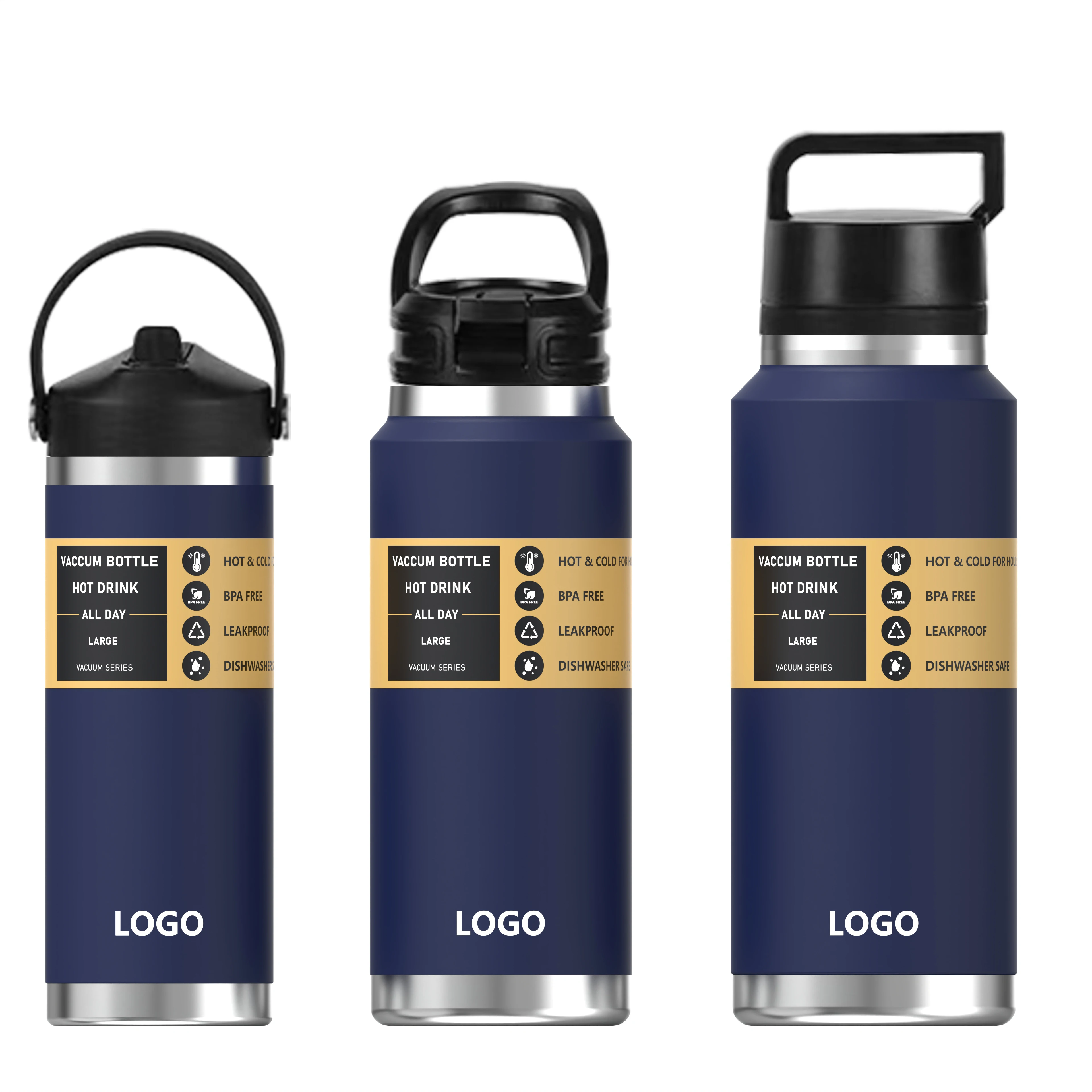
For businesses dealing in wholesale water bottles, this topic carries additional commercial weight. Products that are returned due to odors, staining, or structural damage create customer dissatisfaction and erode brand trust. Understanding how cleaning frequency directly influences lifespan allows brands, distributors, and retailers to provide better usage guidance and ultimately deliver more value to their customers. This article breaks down the mechanisms behind this relationship and explains what cleaning routines actually do to the materials, coatings, and components of modern water bottles.
The Science Behind Cleaning and Material Integrity
How Residue Buildup Affects the Interior Surface
Every time a water bottle is used, it collects trace amounts of bacteria, mineral deposits, oils from beverages, and organic matter. If the bottle is not cleaned regularly, these residues accumulate along the interior walls and create a biofilm. This biofilm is not just a hygiene concern — it actively interacts with the bottle material, especially in stainless steel models, causing micro-level corrosion over time.
In the context of wholesale water bottles made from stainless steel, the 18/8 or 304-grade steel used in most quality products does offer natural corrosion resistance. However, prolonged exposure to acidic residues from juices, sports drinks, or flavored water can gradually compromise even the most robust interior finishes. Regular cleaning removes these reactive compounds before they have the chance to cause lasting damage.
For bottles with powder-coated or painted exteriors, the situation is similar. Residue that creeps into the cap threads or the neck of the bottle can expand when it dries, putting stress on seams and seal points. Frequent cleaning prevents this kind of buildup and keeps structural joints intact far longer than infrequent cleaning routines.
Vacuum Insulation and the Hidden Impact of Neglect
One of the most valued features of premium wholesale water bottles is vacuum insulation, which maintains temperature for extended periods. Many users do not realize that internal contamination and moisture retention can gradually impact the outer wall through repeated thermal stress cycles. While the vacuum layer itself is sealed, poor cleaning habits accelerate wear on the sealing points at the top and bottom of the bottle, where the inner and outer walls are joined.
Moisture trapped inside a bottle that is not cleaned and dried properly creates an environment where the internal coating — often an electrolytic treatment applied to the inner wall — can begin to deteriorate. Once this protective layer is compromised, the bottle is more susceptible to flavor transfer, discoloration, and reduced temperature retention. For wholesale water bottles intended to serve as long-term promotional or retail items, this kind of degradation undermines the product's core value proposition.
Cleaning frequency therefore does not just address hygiene — it actively preserves the functional performance of vacuum-insulated designs. Bottles that are washed thoroughly and dried after each use retain their insulation efficiency significantly longer than those left unwashed for days at a time.
Cleaning Frequency and Component Longevity
Caps, Seals, and Gaskets Under Stress
The cap assembly is often the first component of wholesale water bottles to show signs of wear, and cleaning frequency plays a central role in how quickly this happens. Caps typically contain rubber or silicone gaskets that create a watertight seal. These gaskets are exposed to the same residues, bacteria, and organic compounds that accumulate in the bottle body, but they are particularly vulnerable because they flex with every open and close cycle.
When residue is allowed to dry into gaskets and seals, it causes the rubber or silicone to stiffen over time. A stiffened gasket does not flex as effectively, which leads to micro-tears and eventually a compromised seal. The result is a leaking cap — one of the most common complaints associated with wholesale water bottles that have been in circulation for several months without proper maintenance.
Regular cleaning, particularly of the cap and lid components, keeps gaskets pliable and functional. Some bottle designs allow the gasket to be removed for separate cleaning, which significantly extends its usable life. Distributors sourcing wholesale water bottles should consider this design feature as a meaningful value-add when evaluating product options for their customers.
Threads, Hinges, and Mechanical Wear Points
Beyond the gasket, the threaded interfaces and mechanical hinges found in chug caps or flip-top lids are also susceptible to residue-related degradation. Dried minerals and sugars from beverages crystallize in thread grooves and hinge joints, creating friction and resistance. Over time, this abrasion degrades the threads and causes caps to become difficult to open or prone to cross-threading.
For wholesale water bottles with more complex cap mechanisms — such as sports chug caps or straw lids — these mechanical components require particularly consistent cleaning to function smoothly over time. A simple rinse is often not sufficient; a brush or narrow cleaning tool is necessary to clear residue from the cavities where these mechanisms operate.
When cleaning is frequent and thorough, these mechanical components maintain their precision far longer. In contrast, bottles that go weeks without cleaning often develop permanently sticky or misaligned caps well before the body of the bottle shows any sign of wear. This mismatch results in functional failure long before material failure — a preventable outcome with proper cleaning habits.
The Role of Cleaning Method in Lifespan Outcomes
Why Frequency Alone Is Not Enough
Cleaning frequency is a critical variable, but it must be paired with appropriate method to yield the best lifespan outcomes. Washing wholesale water bottles with abrasive scrubbers or harsh chemical detergents every day can cause more damage than washing gently every other day. The goal is a combination of adequate frequency and gentle technique that removes harmful residue without introducing new forms of damage.
For stainless steel wholesale water bottles, warm water and mild dish soap applied with a soft bottle brush is the ideal daily cleaning routine. This method removes biofilm and residue without scratching the interior surface or stripping any protective coating. Abrasive pads should be avoided inside the bottle as surface scratches give bacteria more places to adhere, ultimately accelerating the kind of degradation that frequent cleaning is meant to prevent.
Periodic deep cleaning — typically once a week or after the bottle has been used for beverages other than water — involves soaking with a diluted baking soda solution or a purpose-made bottle cleaning tablet. This method reaches areas that daily brush washing may miss and neutralizes odors that indicate the presence of bacterial or fungal activity. Businesses that sell wholesale water bottles benefit from including care instructions that outline both daily and deep cleaning routines.
Dishwasher Use and Its Dual Impact
A common question among users of wholesale water bottles is whether dishwasher cleaning is appropriate. The answer depends on the specific product design. Many stainless steel vacuum-insulated bottles are not dishwasher safe because the high heat and pressurized water jets can stress the vacuum seal points, eventually causing insulation failure. However, some components — particularly the cap and lid — may be dishwasher safe and benefit from the higher temperature sanitization that dishwashers provide.
For wholesale water bottles marketed as dishwasher safe, frequent machine washing is generally beneficial for hygiene but should still be paired with manual inspection of gaskets and seals after each wash. The combination of heat and detergent in dishwashers accelerates wear on rubber and silicone components more quickly than hand washing, so these parts may require earlier replacement even when the bottle body remains in excellent condition.
From a product sourcing perspective, businesses stocking wholesale water bottles should clearly differentiate between dishwasher-safe and hand-wash-only products in their customer communication. Misuse of cleaning methods is one of the leading causes of premature product failure, and clear guidance protects both the customer experience and the brand's reputation.
How Infrequent Cleaning Leads to Irreversible Damage
Odor Absorption and Permanent Flavor Contamination
One of the most persistent consequences of infrequent cleaning in wholesale water bottles is odor and flavor contamination. When organic matter — such as residue from protein shakes, fruit juices, or coffee — is left inside a bottle for extended periods, it breaks down and the compounds penetrate the microscopic surface texture of the material. Once absorbed at this level, the odor and flavor are extremely difficult to remove through standard washing.
In stainless steel wholesale water bottles, the interior surface is generally non-porous and resistant to absorption, but caps and gaskets made from silicone or rubber are highly susceptible to flavor and odor absorption. A cap that has absorbed the smell of a fermented protein drink will impart that odor to plain water poured into a freshly cleaned bottle. At this stage, replacement of the cap component is often the only effective remedy.
From a commercial standpoint, this type of damage results in negative product reviews and customer returns — outcomes that are costly for both retailers and wholesalers of wholesale water bottles. Including clear care instructions with every unit sold significantly reduces these preventable failures.
Mold Growth and Structural Compromise
Mold growth is the most serious consequence of chronically infrequent cleaning and is capable of causing both health risks and physical damage to wholesale water bottles. Mold colonies establish themselves in moisture-retaining areas such as gaskets, straw channels, and narrow lid crevices. Once established, mold produces organic acids that degrade rubber and silicone components at an accelerated rate.
In extreme cases of neglect, mold colonies can become embedded in silicone gaskets to the point where they cannot be safely cleaned out. The bottle may appear structurally intact but is no longer safe for use. For businesses distributing wholesale water bottles — particularly for food service, promotional use, or wellness brands — this is a reputational and liability concern of significant magnitude.
Consistent cleaning, specifically targeting all moisture-prone areas of the bottle assembly, eliminates the conditions that mold requires to establish itself. Regular drying after washing is equally important, as even a clean bottle left sealed with residual moisture can develop mold in warm storage conditions. This is why cleaning protocols for wholesale water bottles should always include a drying step before the bottle is capped and stored.
Practical Cleaning Guidelines for Extended Lifespan
Establishing a Cleaning Routine That Works
The most effective cleaning routines for wholesale water bottles are simple enough to be maintained consistently. For everyday use, a daily rinse and brush wash after each use is the minimum effective frequency. This takes less than two minutes and prevents residue from drying and bonding to interior surfaces or cap components. The key is consistency — a bottle cleaned immediately after use requires far less effort than one cleaned after days of buildup.
Weekly deep cleaning should be incorporated as a standard habit, particularly for bottles used with beverages other than plain water. Soaking for 15 to 30 minutes with a mild cleaning solution loosens mineral deposits and eliminates bacterial buildup that daily washing alone may not address. After soaking, a thorough brush scrub followed by complete rinsing and air drying provides the level of maintenance that significantly extends the lifespan of wholesale water bottles.
For cap assemblies, the practice of disassembling and cleaning all removable components separately during weekly cleaning sessions is highly effective. This ensures that gaskets, straw channels, and hinge mechanisms receive direct attention and do not accumulate hidden residue that daily washing overlooks. Businesses supplying wholesale water bottles in bulk should consider including a compact cleaning brush in bundled product packages to encourage this behavior.
Storage Practices That Complement Cleaning Habits
Proper storage is an often-overlooked extension of good cleaning practice. Wholesale water bottles that are stored with caps loosely placed rather than sealed allow residual moisture to evaporate, preventing the moist, enclosed environment that supports bacterial and mold growth. This simple habit, when combined with regular washing, dramatically reduces the rate of internal degradation.
Temperature and light exposure during storage also affect the long-term condition of cap components and exterior coatings. Silicone and rubber components degrade faster when stored in direct sunlight or high-heat environments. Wholesale water bottles should ideally be stored in cool, dry conditions away from direct UV exposure when not in use for extended periods.
Brands and distributors sourcing wholesale water bottles for long-term use markets — such as corporate gifting, outdoor retail, or wellness programs — benefit from providing storage and care guidance alongside cleaning instructions. This holistic approach to product care education supports customer satisfaction and reinforces the perceived quality and value of the product over its full lifespan.
FAQ
How often should wholesale water bottles be cleaned to maximize their lifespan?
For maximum lifespan, wholesale water bottles should be washed after every use with warm water and mild soap using a soft brush. A more thorough deep clean should be performed at least once per week, especially when the bottle is used for beverages other than plain water. Consistent daily cleaning prevents the buildup of biofilm, mineral deposits, and organic residue that cause long-term material degradation.
Does cleaning frequency affect the insulation performance of stainless steel water bottles?
Yes, indirectly. While the vacuum layer itself is sealed, infrequent cleaning leads to moisture retention and internal coating degradation that can accelerate wear on the sealing points of double-wall construction. Over time, this contributes to reduced thermal performance. Regular cleaning and thorough drying after each wash preserves the structural integrity of the insulation system in wholesale water bottles.
Can the cap and gasket of wholesale water bottles be damaged by too much cleaning?
Aggressive cleaning methods — such as using abrasive scrubbers or harsh chemical cleaners — can accelerate wear on rubber and silicone gaskets. However, gentle daily washing with mild soap does not damage these components. In fact, regular gentle cleaning extends gasket life by preventing the residue buildup that causes stiffening and micro-tearing. The key is matching cleaning frequency with appropriate method.
Why do some wholesale water bottles develop odors even with regular cleaning?
Persistent odors in wholesale water bottles are usually caused by residue that has penetrated silicone or rubber cap components, or by hidden mold growth in narrow crevices that routine washing does not reach. Deep cleaning with a baking soda solution or purpose-made bottle cleaning tablets, combined with disassembly of all cap components, typically resolves odor issues. If the odor persists after thorough cleaning, the cap gasket may need to be replaced.
Table of Contents
- The Science Behind Cleaning and Material Integrity
- Cleaning Frequency and Component Longevity
- The Role of Cleaning Method in Lifespan Outcomes
- How Infrequent Cleaning Leads to Irreversible Damage
- Practical Cleaning Guidelines for Extended Lifespan
-
FAQ
- How often should wholesale water bottles be cleaned to maximize their lifespan?
- Does cleaning frequency affect the insulation performance of stainless steel water bottles?
- Can the cap and gasket of wholesale water bottles be damaged by too much cleaning?
- Why do some wholesale water bottles develop odors even with regular cleaning?