
 EN
EN
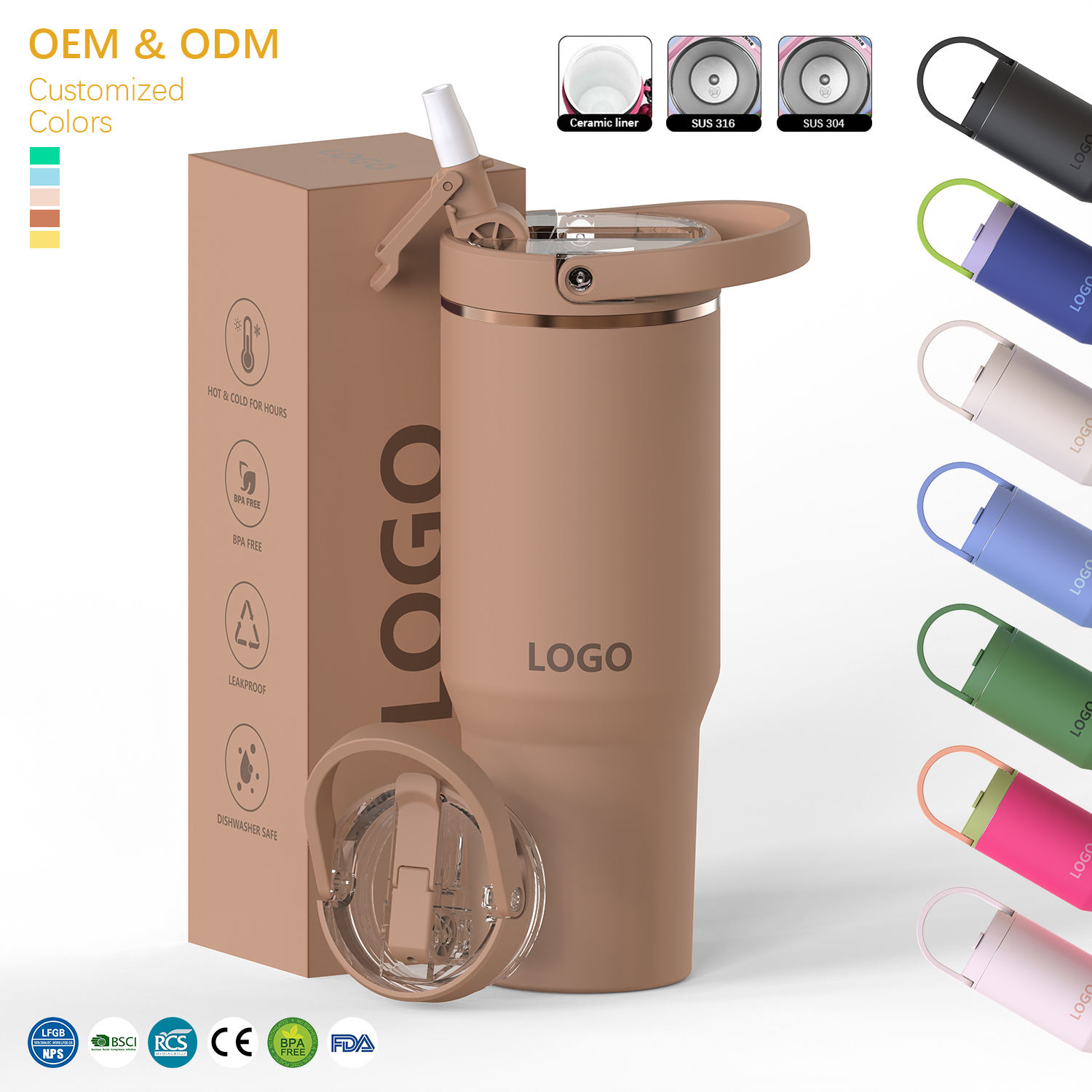
Environmental conditions play a crucial role in determining how effectively a 20oz tumbler maintains beverage temperature, structural integrity, and overall functionality. From extreme temperature variations to humidity levels and atmospheric pressure changes, these external factors directly impact the thermal performance and material properties of your drinkware. Understanding these environmental influences helps consumers make informed decisions about tumbler selection and usage patterns across different climates and conditions.
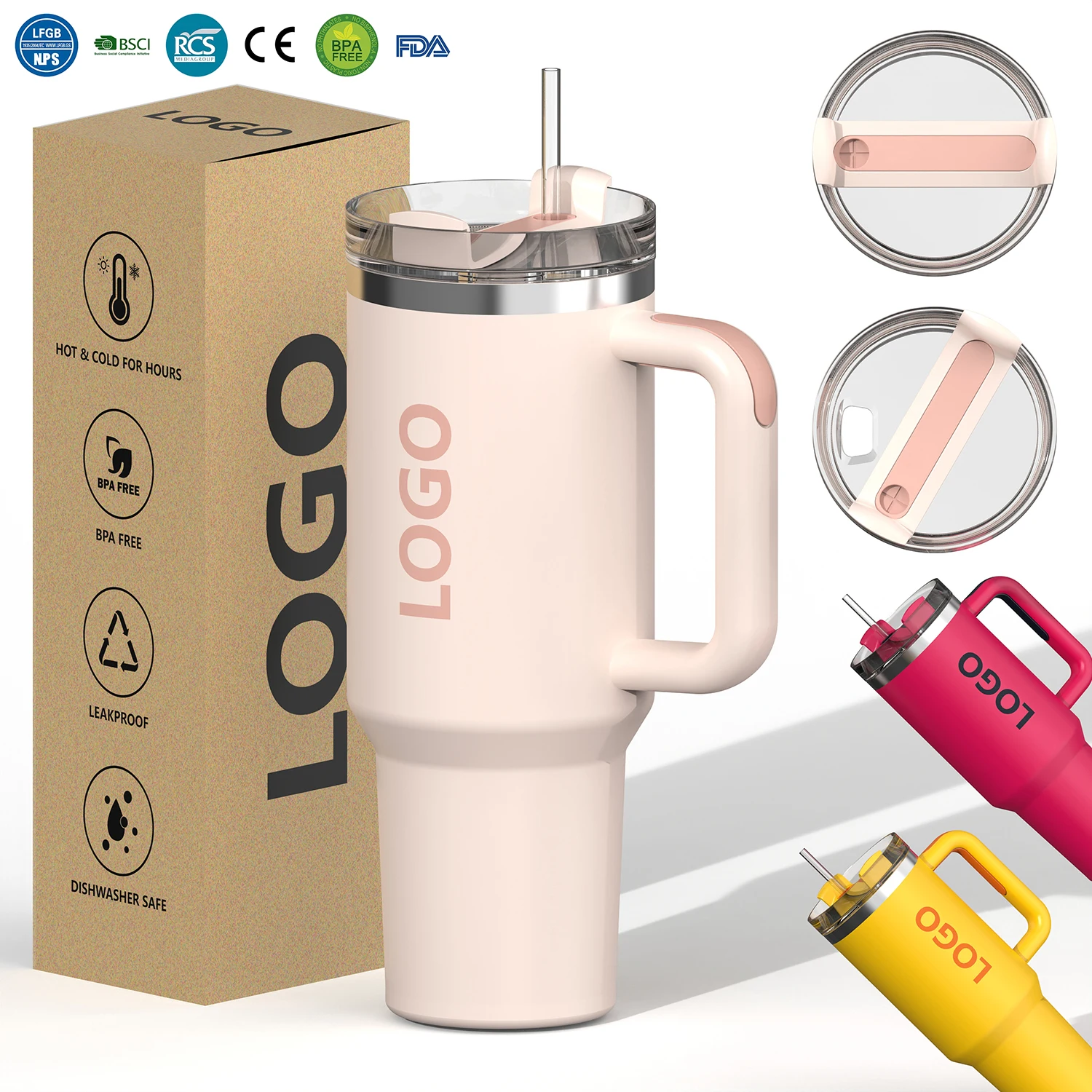
The relationship between environmental factors and 20oz tumbler performance extends beyond simple temperature retention, encompassing material degradation, seal effectiveness, and user experience across diverse settings. Professional users in construction, healthcare, outdoor recreation, and office environments encounter varying environmental stressors that challenge tumbler design specifications. Modern stainless steel double-wall vacuum insulated tumblers must withstand temperature fluctuations from sub-zero conditions to desert heat while maintaining consistent performance standards.
Temperature Extremes and Thermal Performance
Cold Weather Impact on Insulation Efficiency
Cold environmental temperatures significantly affect how a 20oz tumbler maintains heat retention for hot beverages. When ambient temperatures drop below freezing, the temperature differential between the beverage and environment increases, accelerating heat loss through conduction and convection. High-quality vacuum insulation helps minimize this effect, but prolonged exposure to temperatures below -10°F can still reduce thermal performance by approximately 15-20% compared to moderate conditions.
The stainless steel construction of a premium 20oz tumbler provides superior cold weather performance compared to plastic alternatives. Steel maintains structural integrity at low temperatures, preventing cracking and seal failures that commonly occur with inferior materials. However, users should note that extremely cold conditions may cause condensation to freeze around the rim area, temporarily affecting drinking comfort until the tumbler warms from handling.
Heat Stress and Material Response
High environmental temperatures create different challenges for 20oz tumbler performance, particularly regarding cold beverage retention and material expansion. Desert conditions exceeding 120°F can reduce cold retention efficiency by up to 30%, as the extreme ambient heat overwhelms the vacuum insulation's cooling capacity. The temperature gradient becomes less effective when environmental heat approaches the temperature of chilled beverages.
Thermal expansion of the stainless steel components in a 20oz tumbler occurs predictably in high-heat environments, potentially affecting lid seal tightness and overall structural alignment. Quality manufacturing accounts for this expansion through precision tolerances, but cheaper tumblers may experience seal failures or lid warping when exposed to sustained temperatures above 140°F. Users in hot climates should store their tumblers in shaded areas when possible to maintain optimal performance.
Humidity and Moisture Effects
High Humidity Condensation Challenges
High humidity environments create significant condensation challenges for 20oz tumbler users, particularly when containing cold beverages. Humid air contains elevated moisture levels that readily condense on the cool exterior surfaces of the tumbler, creating water droplets that can affect grip security and drip onto surfaces. This condensation is purely external and does not indicate vacuum seal failure in properly manufactured double-wall designs.
The condensation formation rate increases exponentially as humidity levels approach saturation, with tropical environments presenting the greatest challenge. A quality 20oz tumbler with proper vacuum insulation will still maintain internal temperature control, but users may need to use coasters or towels to manage external moisture accumulation during extended use periods.
Low Humidity and Static Concerns
Desert and winter indoor environments with low humidity levels below 30% create different operational considerations for 20oz tumbler performance. While condensation becomes minimal, static electricity buildup on synthetic clothing can cause minor shock sensations when touching the metal surface. Additionally, low humidity accelerates evaporation of beverages through any minor seal imperfections, though this effect remains negligible in properly sealed units.
The dry conditions associated with low humidity can also affect gasket and seal materials over time, potentially causing rubber components to become brittle or lose elasticity. Regular inspection and maintenance of lid seals becomes more critical in consistently dry environments to ensure continued performance. Users should consider periodic application of food-grade lubricant to gasket surfaces if operating primarily in arid conditions.
Altitude and Atmospheric Pressure Variations
High Altitude Performance Characteristics
Changes in atmospheric pressure at high altitudes directly influence how a 20oz tumbler performs, particularly regarding carbonated beverages and lid seal integrity. At elevations above 5,000 feet, reduced atmospheric pressure can cause increased pressure differential across vacuum-sealed walls, potentially improving insulation performance but also stressing seal mechanisms. Carbonated drinks may exhibit increased fizzing and faster CO2 release due to the lower ambient pressure.
Mountain environments present unique challenges combining high altitude effects with rapid weather changes and temperature fluctuations. A well-designed 20oz tumbler must accommodate pressure variations while maintaining structural integrity across elevation changes during hiking, skiing, or mountain travel. The vacuum insulation actually benefits from lower atmospheric pressure, as reduced air density improves the vacuum's effectiveness.
Pressure Changes During Travel
Air travel subjects 20oz tumbler designs to significant pressure variations, with cabin pressurization typically maintained at equivalent altitudes of 6,000-8,000 feet. These pressure changes can cause temporary expansion or contraction of air spaces within the lid mechanism, potentially affecting seal tightness during flight. Modern tumbler designs incorporate pressure relief features to prevent damage or unexpected opening during altitude changes.
Rapid elevation changes during ground transportation through mountain passes create similar pressure stress scenarios. Users should ensure their 20oz tumbler lid is properly secured but not over-tightened before significant elevation changes to allow for pressure equalization without compromising seal integrity. Quality vacuum insulation remains unaffected by these pressure variations due to the absence of air within the insulation chamber.
Wind and Air Movement Effects
Convective Heat Transfer Acceleration
Wind exposure significantly accelerates convective heat transfer from a 20oz tumbler surface, reducing thermal retention performance for both hot and cold beverages. Even moderate wind speeds of 10-15 mph can increase heat loss rates by 25-35% compared to still air conditions. This effect becomes particularly pronounced during outdoor activities like camping, construction work, or sporting events where wind exposure is unavoidable.
The streamlined design of modern 20oz tumbler profiles helps minimize wind resistance, but the fundamental physics of forced convection cannot be eliminated entirely. Users working in consistently windy environments may need to plan for reduced thermal performance and consider larger capacity tumblers or more frequent refills to compensate for accelerated temperature changes. Wind guards or protective carrying cases can help mitigate this effect when practical.
Dust and Particle Infiltration
Windy conditions often carry dust, sand, and other particulate matter that can affect 20oz tumbler operation, particularly around lid mechanisms and drinking surfaces. Construction sites, desert environments, and agricultural settings present high particle exposure risks that may interfere with smooth lid operation or create hygiene concerns around the drinking area.
Regular cleaning becomes essential for maintaining proper 20oz tumbler function in dusty environments, with particular attention to thread mechanisms and seal surfaces. Quality stainless steel construction resists particle adhesion better than textured or coated surfaces, making maintenance easier in challenging conditions. Users should establish cleaning routines appropriate to their environmental exposure levels to prevent particle buildup that could compromise performance or safety.
UV Radiation and Material Degradation
Solar Exposure Effects on External Components
Ultraviolet radiation from direct sunlight exposure affects various components of a 20oz tumbler differently, with plastic elements showing the greatest susceptibility to degradation over time. Lid gaskets, grip surfaces, and any polymer components may experience color fading, brittleness, or chemical breakdown after prolonged UV exposure. Stainless steel surfaces remain largely unaffected by UV radiation, maintaining their structural and thermal properties indefinitely.
The cumulative effect of UV exposure becomes significant for users who regularly work outdoors or leave their 20oz tumbler in direct sunlight for extended periods. While immediate performance impact remains minimal, long-term exposure can accelerate seal degradation and reduce component lifespan. UV-resistant materials and protective coatings help extend tumbler life in high-exposure environments, though basic precautions like shade storage provide effective protection.
Heat Buildup from Solar Absorption
Direct solar radiation creates additional heat load on 20oz tumbler surfaces beyond ambient air temperature, potentially raising exterior temperatures 20-30°F above surrounding air. This solar heating effect compounds the challenge of maintaining cold beverage temperatures and can make metal surfaces uncomfortable to handle during peak sun exposure hours. Dark-colored finishes absorb more solar energy than light or reflective surfaces.
Strategic positioning and awareness of solar angles help users minimize unwanted heat absorption in their 20oz tumbler during outdoor activities. Reflective finishes or light colors can reduce solar heat absorption, though the effect on internal temperature retention depends primarily on the quality of vacuum insulation rather than exterior surface treatment. Users should consider solar exposure patterns when planning extended outdoor use periods.
FAQ
How much do temperature extremes actually affect my 20oz tumbler's performance?
Temperature extremes can reduce your 20oz tumbler's thermal efficiency by 15-30% depending on severity and duration. Cold weather below -10°F typically decreases heat retention by about 15-20%, while extreme heat above 120°F can reduce cold retention by up to 30%. However, quality vacuum-insulated tumblers still significantly outperform non-insulated alternatives even under extreme conditions.
Will high altitude affect how my 20oz tumbler maintains temperature?
High altitude generally improves 20oz tumbler insulation performance slightly due to reduced atmospheric pressure and air density. The vacuum insulation becomes more effective at elevations above 5,000 feet. However, pressure changes can affect carbonated beverages, causing increased fizzing. Lid seals may experience minor pressure stress during rapid elevation changes, but quality tumblers are designed to handle these variations safely.
Can humid environments damage my 20oz tumbler or affect its function?
High humidity creates external condensation on cold 20oz tumbler surfaces but does not damage the tumbler or affect internal temperature retention. This condensation is normal and expected behavior. However, prolonged exposure to very low humidity environments may cause gasket materials to become brittle over time, requiring occasional inspection and potential replacement of lid seals to maintain optimal performance.
How does wind exposure impact the thermal performance of my 20oz tumbler?
Wind exposure accelerates heat transfer through forced convection, reducing thermal performance by 25-35% in moderate winds of 10-15 mph. This affects both hot and cold beverage retention. While the vacuum insulation still provides significant protection compared to single-wall containers, users in consistently windy environments should expect somewhat reduced temperature retention times and may benefit from wind protection when possible.