
 EN
EN
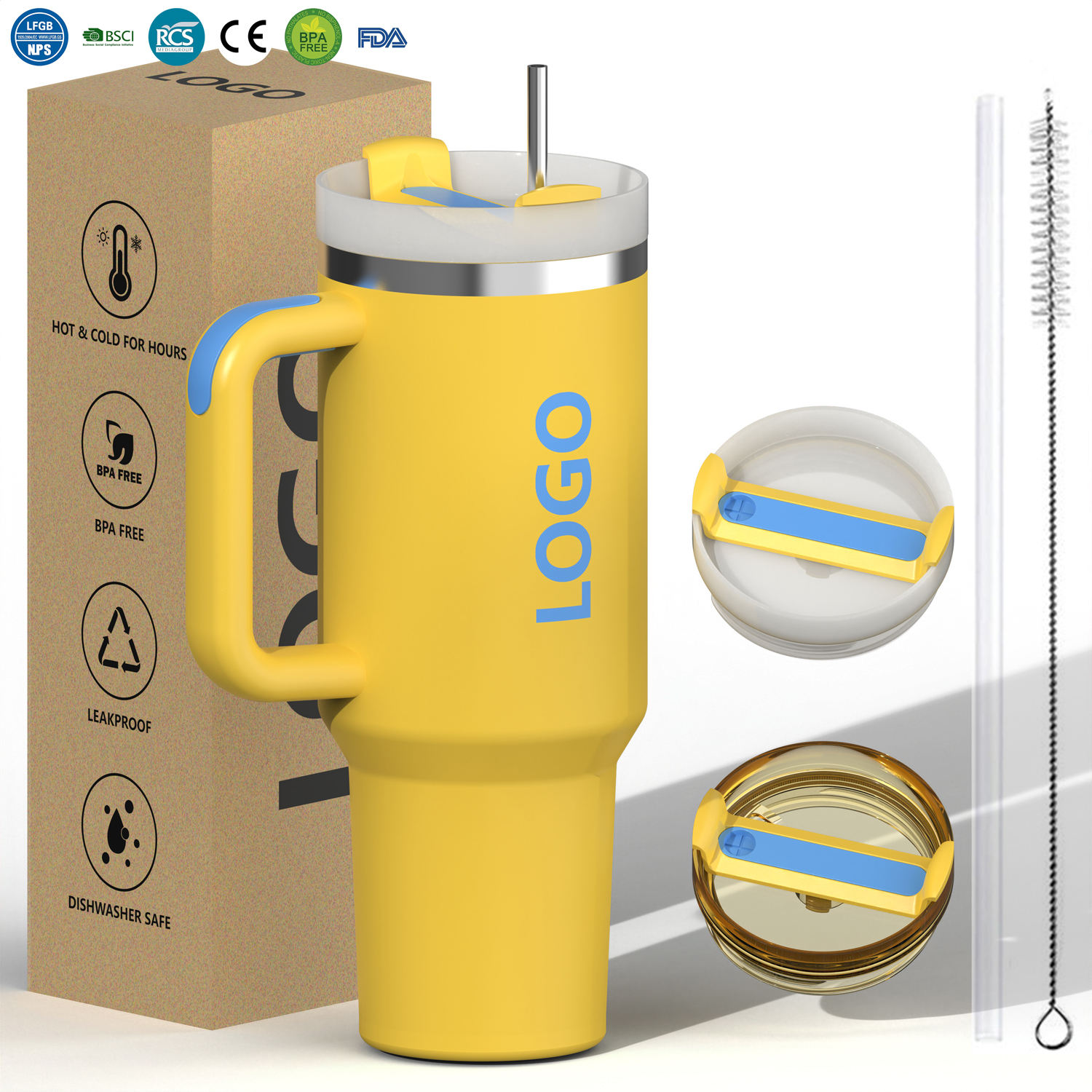
Understanding how different lid types affect spill prevention in drinkware is crucial for anyone seeking reliable hydration solutions throughout their day. The design and functionality of a lid directly determine whether your 20oz tumbler will keep beverages securely contained during transport, work activities, or outdoor adventures. Modern tumbler lids incorporate various sealing mechanisms, opening styles, and material compositions that significantly impact their ability to prevent leaks and spills under different conditions.
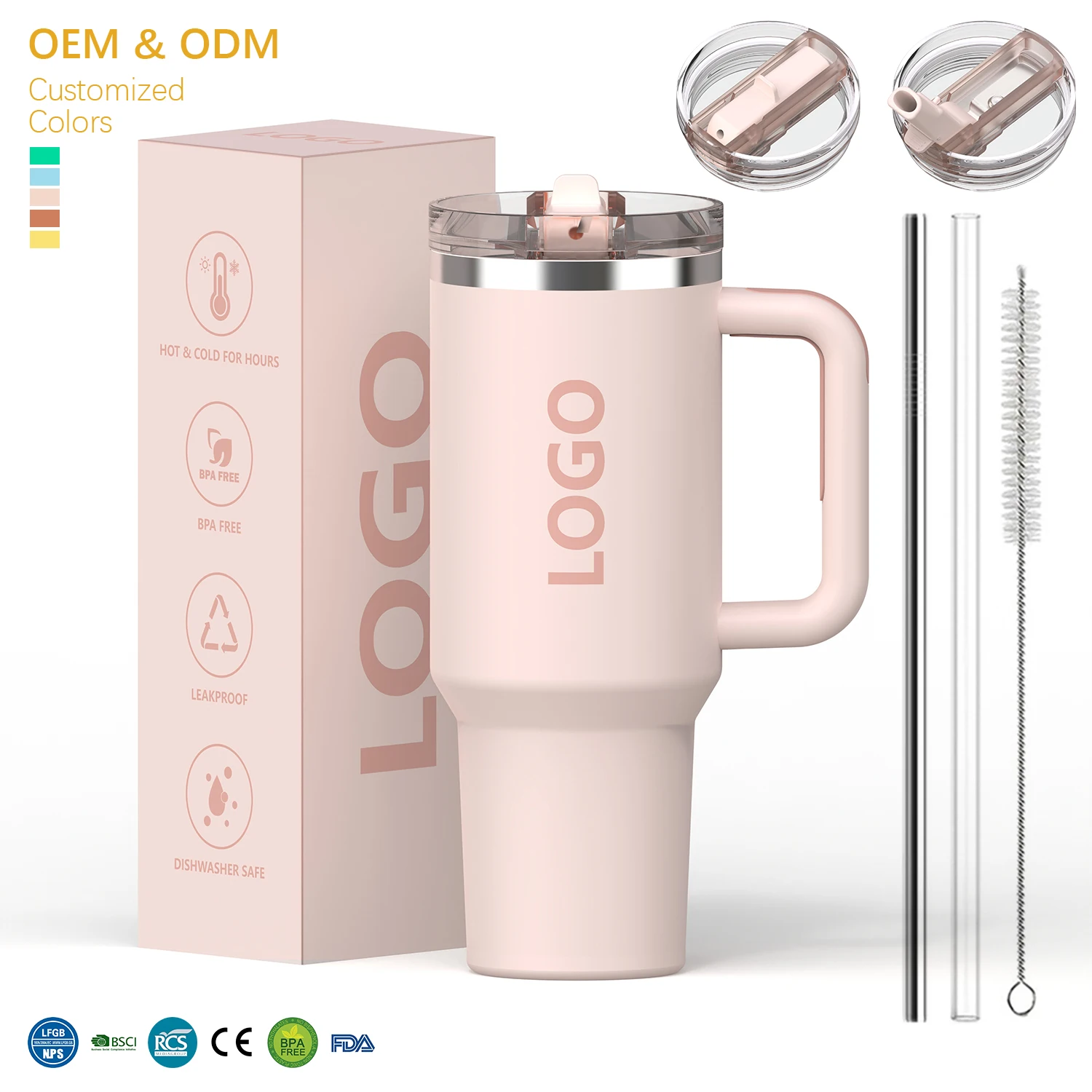
The relationship between lid design and spill prevention becomes particularly important when considering the practical demands placed on portable drinkware. A well-engineered lid system on a 20oz tumbler must balance accessibility for drinking with security for transport, while maintaining seal integrity across temperature variations and usage patterns. Different lid mechanisms offer distinct advantages and limitations that directly influence their effectiveness in preventing unwanted spills and maintaining beverage containment.
Screw-On Lid Mechanisms and Spill Prevention
Threading Design Impact on Seal Performance
The threading pattern and depth on screw-on lids fundamentally determine how effectively a 20oz tumbler prevents spills during regular use. Fine threading creates more contact points between the lid and tumbler rim, distributing sealing pressure more evenly and reducing the likelihood of liquid escape. Coarse threading, while faster to engage, may create gaps that compromise seal integrity, particularly when the lid experiences vibration or temperature-induced expansion.
Thread engagement depth plays a critical role in spill prevention effectiveness, as insufficient threading contact reduces the compression force applied to sealing gaskets. A properly designed 20oz tumbler incorporates threading that ensures complete gasket compression without over-tightening, which could damage the seal or make lid removal difficult. The precision of thread machining directly correlates with long-term seal reliability and consistent spill prevention performance.
Material compatibility between lid threading and tumbler rim threading affects seal longevity and spill prevention consistency. Mismatched materials may experience differential wear rates, leading to threading degradation that compromises the tight fit necessary for effective spill prevention. Quality 20oz tumbler designs utilize compatible materials with appropriate hardness differentials to ensure threading maintains its sealing effectiveness over extended use periods.
Gasket Integration and Sealing Effectiveness
Rubber and silicone gaskets within screw-on lids provide the primary sealing barrier that prevents liquid escape from a 20oz tumbler during transport and storage. The durometer rating of these gaskets determines their flexibility and compression characteristics, directly affecting their ability to conform to minor surface irregularities and maintain consistent sealing pressure. Softer gaskets provide better initial sealing but may deform permanently under stress, while firmer gaskets maintain their shape but require more precise manufacturing tolerances.
Gasket positioning and retention mechanisms significantly influence spill prevention reliability in daily use scenarios. Gaskets that rely solely on friction fitting may shift during lid removal and installation, creating gaps that compromise sealing effectiveness. Advanced 20oz tumbler lid designs incorporate gasket retention grooves or mechanical locks that maintain proper gasket positioning throughout the product lifecycle, ensuring consistent spill prevention performance.
The interface between gasket material and beverage types affects long-term sealing performance and spill prevention capability. Certain beverages contain oils, acids, or other compounds that may degrade gasket materials over time, reducing their sealing effectiveness and increasing spill risk. High-quality gaskets in premium 20oz tumbler lids utilize food-grade materials specifically formulated to resist degradation from common beverage constituents while maintaining their sealing properties.
Flip-Top and Snap-Closure Systems
Hinge Mechanism Design and Seal Integration
Flip-top lid systems on 20oz tumblers rely on precision hinge mechanisms that must maintain proper seal alignment while providing smooth operation throughout thousands of open-close cycles. The hinge design determines whether the sealing surface maintains consistent contact pressure when closed, directly affecting spill prevention effectiveness. Single-pivot hinges offer simplicity but may allow slight movement that compromises sealing, while multi-pivot or cam-action hinges can provide more secure closure positioning.
Spring-loaded closure mechanisms in flip-top lids enhance spill prevention by ensuring consistent closure force regardless of user technique or wear over time. These systems automatically position the sealing elements with predetermined pressure, reducing the variability in seal effectiveness that might occur with manual closure force. A well-designed spring mechanism in a 20oz tumbler maintains sufficient closure force while remaining easy to operate single-handed.
Hinge wear patterns significantly impact long-term spill prevention performance as repeated use gradually increases tolerances between moving parts. Quality flip-top lids incorporate wear-resistant materials and precision manufacturing to minimize tolerance growth that could compromise sealing effectiveness. The relationship between hinge durability and seal integrity determines whether a 20oz tumbler will maintain its spill prevention capabilities throughout its intended service life.
Snap-Lock Mechanisms and Pressure Distribution
Snap-closure systems distribute sealing force around the entire perimeter of a 20oz tumbler lid, creating multiple sealing points that enhance spill prevention compared to single-point closure mechanisms. The deflection characteristics of snap-lock tabs determine how evenly sealing pressure is distributed and how well the system accommodates manufacturing tolerances in both lid and tumbler components. Properly designed snap mechanisms maintain consistent sealing pressure even when individual tabs experience slight wear or deformation.
Tab geometry and material selection directly influence the reliability and longevity of snap-closure spill prevention systems. Tabs must provide sufficient deflection to accommodate assembly tolerances while maintaining enough spring force to ensure secure closure throughout the product lifecycle. The stress concentration points in snap-lock designs require careful engineering to prevent premature failure that would compromise spill prevention effectiveness.
Multi-point snap systems offer enhanced spill prevention security by distributing closure forces and providing redundancy if individual closure points fail. Advanced 20oz tumbler designs incorporate multiple snap points positioned to create uniform sealing pressure while allowing easy single-handed operation. The coordination between multiple snap points requires precise manufacturing to ensure simultaneous engagement and release without creating stress concentrations that could lead to premature failure.
Straw Integration and Sealing Challenges
Straw Penetration Seal Design
Incorporating drinking straws into 20oz tumbler lids creates significant engineering challenges for maintaining effective spill prevention while providing convenient access to beverages. The penetration point where the straw passes through the lid represents a potential leak path that requires specialized sealing solutions to prevent spills during transport and storage. Straw seal designs must accommodate the dimensional variations inherent in straw manufacturing while maintaining consistent sealing effectiveness.
Silicone straw grommets provide flexible sealing that adapts to minor dimensional variations while maintaining spill prevention effectiveness in daily use conditions. The durometer and thickness of these grommets determine their sealing performance and longevity under repeated straw insertion and removal cycles. Properly engineered straw seals in quality 20oz tumbler lids balance sealing effectiveness with ease of straw insertion, preventing damage to either component during normal use.
Straw retention mechanisms must secure the straw position without compromising the seal integrity necessary for effective spill prevention. Loose straws may shift during transport, creating gaps in the sealing interface that allow liquid escape. Advanced 20oz tumbler designs incorporate straw retention features that maintain proper sealing contact while allowing easy straw removal for cleaning and maintenance.
Removable Straw Systems and Dual-Seal Requirements
Removable straw systems require dual sealing capabilities to maintain spill prevention both with and without the straw in place. The primary seal around the straw penetration must prevent leaks when the straw is installed, while a secondary closure system seals the opening when the straw is removed. This dual-functionality requirement increases design complexity but provides versatility in how users can employ their 20oz tumbler for different beverage types and consumption preferences.
Plug or cap systems for straw openings must integrate seamlessly with the overall lid design to maintain the aesthetic and functional integrity of the 20oz tumbler while providing reliable spill prevention. These closure mechanisms require precise dimensional control to ensure proper sealing without creating stress concentrations that could lead to premature failure. The attachment method for removable plugs must prevent loss while allowing easy access when needed.
Cleaning considerations significantly impact the long-term spill prevention effectiveness of straw-integrated lid systems in 20oz tumblers. Complex sealing geometries may trap beverage residues that can degrade sealing materials or create hygiene concerns. Effective straw seal designs balance sealing performance with cleanability, ensuring that regular maintenance preserves both spill prevention capabilities and beverage quality.
Material Properties and Environmental Factors
Temperature Effects on Lid Sealing Performance
Temperature variations significantly impact the sealing effectiveness of 20oz tumbler lids through thermal expansion and contraction of both lid components and sealing materials. Hot beverages cause lid materials to expand, potentially reducing sealing pressure and creating leak paths, while cold beverages may cause contraction that could either enhance or compromise seal integrity depending on the specific material properties and design parameters.
Thermal cycling effects represent a critical consideration for spill prevention reliability in 20oz tumblers used for both hot and cold beverages. Repeated expansion and contraction cycles gradually stress sealing materials and mechanical components, potentially leading to permanent deformation or fatigue failure that compromises spill prevention effectiveness. Quality lid designs account for these thermal stresses through material selection and geometry optimization.
Different lid materials exhibit varying responses to temperature changes, affecting their spill prevention performance across the operating temperature range typical for beverage containers. Plastic components may soften at elevated temperatures, reducing their sealing force, while metal components maintain structural integrity but may create thermal bridges that affect user comfort. The coefficient of thermal expansion matching between lid and tumbler materials influences seal integrity maintenance across temperature variations.
Chemical Compatibility and Seal Degradation
Chemical interactions between beverages and lid sealing materials can gradually degrade spill prevention effectiveness over time through swelling, hardening, or chemical breakdown of sealing components. Acidic beverages, oils, and alcohol-containing drinks present particular challenges for maintaining long-term seal integrity in 20oz tumbler applications. Material selection for sealing components must consider compatibility with the full range of beverages users might consume.
UV exposure and oxidation effects gradually degrade many sealing materials, particularly when 20oz tumblers are used in outdoor environments with significant sun exposure. Rubber and some plastic sealing components may harden or crack under UV exposure, compromising their flexibility and sealing effectiveness. Premium lid designs incorporate UV-resistant materials or protective coatings to maintain spill prevention performance throughout extended outdoor use.
Cleaning chemical compatibility affects the longevity of sealing materials and overall spill prevention performance in 20oz tumbler lids subjected to regular sanitization. Harsh detergents, bleach solutions, or high-temperature dishwasher cycles may accelerate seal degradation, leading to premature loss of spill prevention effectiveness. Understanding the chemical limitations of sealing materials helps users maintain optimal performance through appropriate cleaning practices.
FAQ
Which lid type provides the best spill prevention for daily commuting with a 20oz tumbler?
Screw-on lids with integrated silicone gaskets typically provide the most reliable spill prevention for commuting scenarios due to their secure mechanical closure and all-around sealing contact. These lids create consistent sealing pressure that remains effective even under the vibration and movement common during vehicle transport, making them ideal for 20oz tumbler use in cars, buses, or trains where sudden movements might compromise other closure types.
How does straw integration affect the overall spill prevention capability of 20oz tumbler lids?
Straw integration introduces additional sealing challenges that can reduce overall spill prevention effectiveness compared to solid lids, as the straw penetration creates a potential leak path that requires specialized sealing solutions. However, well-engineered straw seals using quality silicone grommets can maintain effective spill prevention while providing convenient drinking access, though they may require more careful handling and regular maintenance to preserve their sealing integrity.
What maintenance practices help preserve lid sealing effectiveness in 20oz tumblers?
Regular cleaning of sealing surfaces, proper gasket inspection for wear or damage, and avoiding over-tightening of threaded lids help maintain optimal spill prevention performance. Users should periodically check gasket positioning, clean threading surfaces to prevent buildup that could compromise sealing, and replace worn sealing components when they show signs of permanent deformation or damage that could affect their spill prevention capabilities.
Can temperature extremes permanently damage lid sealing mechanisms in 20oz tumblers?
Extreme temperatures can cause permanent damage to sealing materials, particularly if they exceed the design temperature range for the specific materials used in the lid construction. Excessive heat may cause permanent deformation of plastic components or hardening of rubber seals, while extreme cold can make materials brittle and prone to cracking, both of which compromise long-term spill prevention effectiveness in 20oz tumbler applications.
Table of Contents
- Screw-On Lid Mechanisms and Spill Prevention
- Flip-Top and Snap-Closure Systems
- Straw Integration and Sealing Challenges
- Material Properties and Environmental Factors
-
FAQ
- Which lid type provides the best spill prevention for daily commuting with a 20oz tumbler?
- How does straw integration affect the overall spill prevention capability of 20oz tumbler lids?
- What maintenance practices help preserve lid sealing effectiveness in 20oz tumblers?
- Can temperature extremes permanently damage lid sealing mechanisms in 20oz tumblers?