
 EN
EN
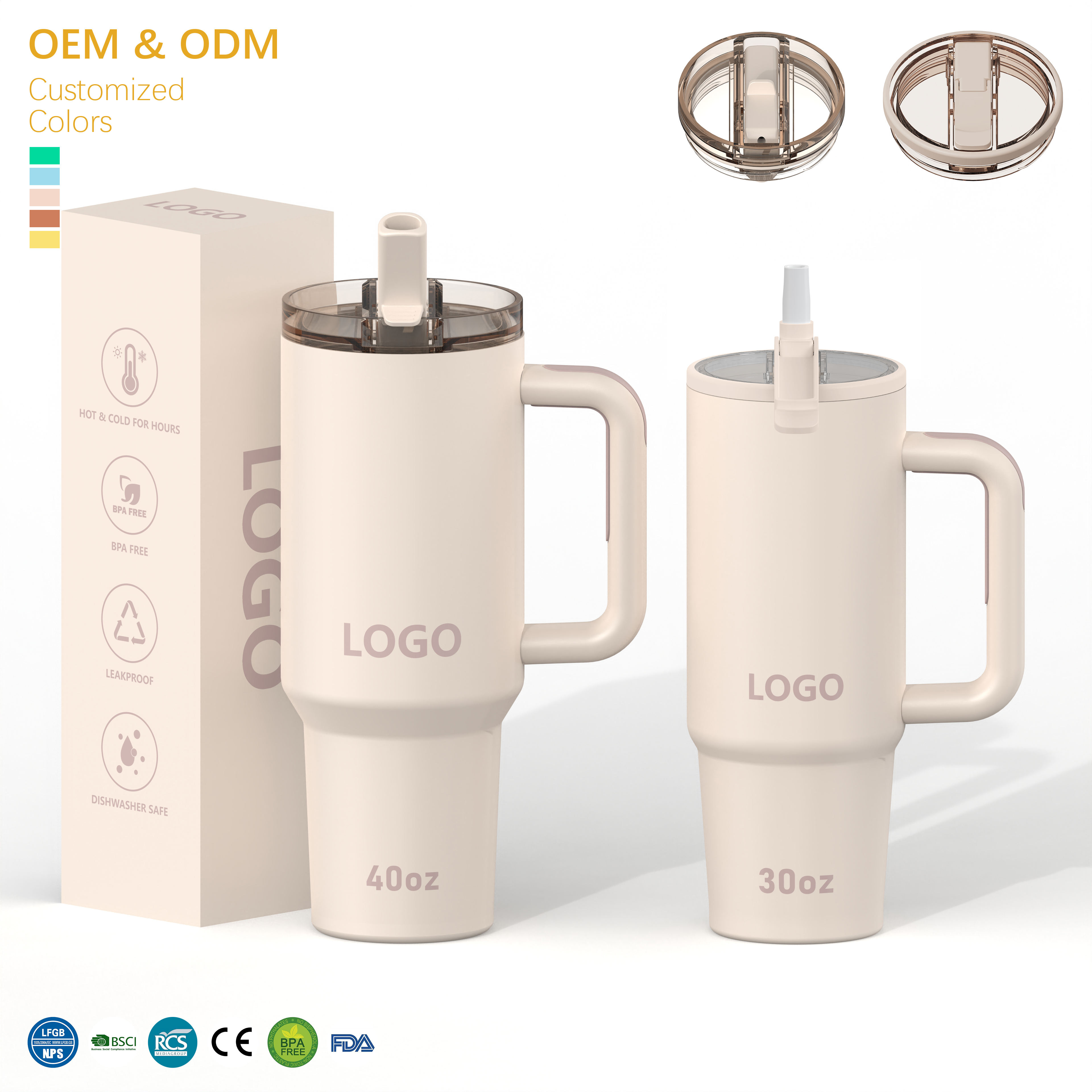
The relationship between design geometry and volumetric capacity fundamentally determines how users interact with their hydration vessels throughout daily routines. When examining the drinking experience delivered by large-format insulated drinkware, the physical dimensions and structural contours of a 40oz tumbler create measurable impacts on thermal retention, ergonomic comfort, beverage flow dynamics, and overall user satisfaction. Understanding these mechanical and perceptual factors enables informed selection decisions that align container characteristics with specific usage patterns, beverage preferences, and lifestyle requirements.
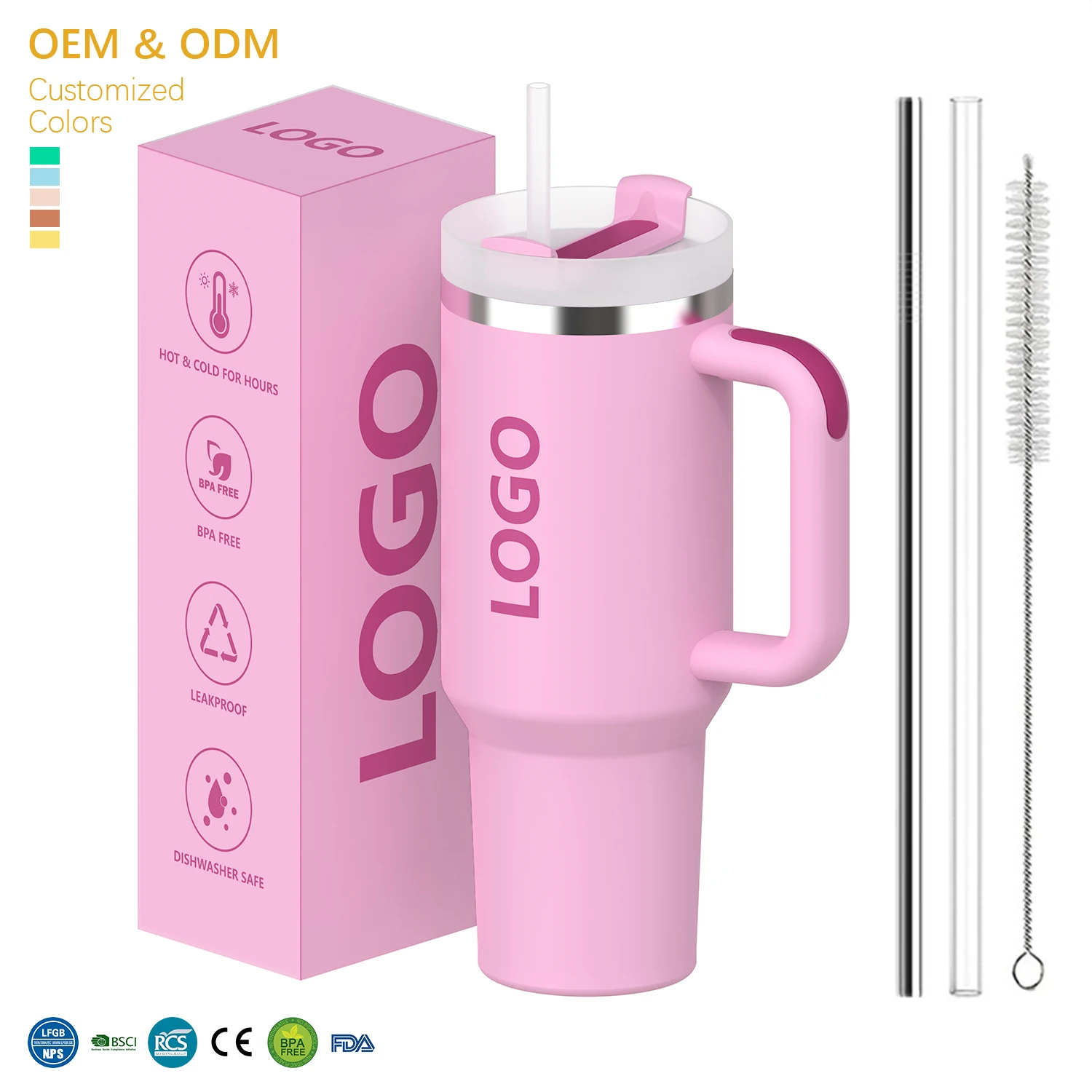
Shape engineering in premium hydration products extends beyond aesthetic considerations to encompass functional performance attributes that determine practical utility. The interplay between vertical proportions, circumference dimensions, taper angles, and lip geometry creates distinct drinking behaviors while the substantial capacity of a 40oz tumbler establishes duration expectations between refills and influences how beverages maintain optimal temperature throughout extended consumption periods. Professional users, fitness enthusiasts, and outdoor adventurers particularly benefit from recognizing how these design variables translate into real-world performance characteristics that either enhance or diminish the overall hydration experience.
Geometric Configuration and Thermal Performance Dynamics
Surface Area to Volume Ratio Impact
The fundamental physics governing heat transfer in insulated drinkware centers on the relationship between exposed surface area and internal volume capacity. A 40oz tumbler with taller, narrower proportions minimizes the surface area exposed to ambient temperature conditions compared to shorter, wider designs holding equivalent volumes. This geometric principle directly influences how rapidly thermal energy migrates through the vacuum-sealed double-wall construction, affecting both cold retention for iced beverages and heat preservation for coffee or tea.
Cylindrical shapes approaching a height-to-diameter ratio of approximately 2.5:1 optimize thermal efficiency by reducing the percentage of liquid in direct proximity to the outer wall surfaces. When manufacturers design a 40oz tumbler with strategic dimensional ratios, the beverage core remains insulated by surrounding liquid layers that buffer against external temperature influence. This configuration proves particularly valuable for users consuming beverages over multiple hours, as the temperature differential between initial pour and final sip remains minimal compared to proportionally squat designs.
The lid interface zone represents a critical thermal vulnerability regardless of overall shape optimization. Taller 40oz tumbler designs reduce the proportional impact of this heat exchange point since the lid surface area remains constant while the total vessel volume increases with vertical extension. Users seeking maximum temperature stability should recognize that shape selection directly correlates with thermal performance outcomes, especially during prolonged outdoor activities or extended commute periods where ambient conditions vary significantly.
Wall Curvature and Insulation Efficiency
Straight-walled cylindrical construction in a 40oz tumbler maintains consistent vacuum gap thickness throughout the vertical span, ensuring uniform insulation performance from base to rim. Tapered designs that narrow toward the base or flare outward compromise this consistency, creating zones where the insulation barrier thickness varies and thermal bridging becomes more probable. Advanced manufacturing techniques maintain precise tolerances in the vacuum space, but geometric consistency supports more predictable performance across the entire beverage volume.
Curved profiles incorporating subtle radius transitions can enhance structural rigidity without substantially compromising thermal barriers when executed with precision engineering. The challenge emerges when decorative shape elements introduce sharp angles or dramatic contour changes that complicate the double-wall sealing process. Premium 40oz tumbler products balance aesthetic differentiation with functional integrity by limiting shape complexity to zones that minimally impact the critical insulation envelope.
External surface treatments including powder coating or textured finishes interact with shape to influence radiant heat absorption and emission. Darker colors on curved surfaces capture solar radiation more efficiently than lighter tones on flat profiles, creating secondary thermal considerations beyond core insulation design. Users operating in high-temperature environments should evaluate how their 40oz tumbler shape and finish combination performs under direct sunlight exposure compared to shaded or indoor conditions.
Ergonomic Dimensions and Handling Comfort Factors
Grip Circumference and Hand Fit Variation
The circumferential dimension at the primary grip zone determines whether users can comfortably wrap fingers around the 40oz tumbler body or must rely on alternative handling strategies. Diameters exceeding approximately 3.5 inches challenge single-handed secure grip for average adult hand sizes, particularly when condensation or moisture accumulation reduces surface friction. Narrower profiles enhance portability and control but require greater vertical extension to accommodate the substantial forty-ounce capacity, creating potential stability concerns.
Integrated handle attachments fundamentally alter the ergonomic equation by providing dedicated grip points independent of body circumference. A 40oz tumbler equipped with a properly dimensioned loop handle enables secure single-handed carrying regardless of the main body diameter, though this addition increases overall width and may complicate placement in vehicle cup holders or bag side pockets. The handle attachment methodology also introduces potential thermal bridge points that manufacturers must address through careful insulation design.
Textured grip zones or silicone sleeve integration provide friction enhancement without requiring shape modification, enabling larger-diameter 40oz tumbler designs to maintain handling security. These surface treatments prove especially valuable during physical activities where perspiration or environmental moisture compromises bare stainless steel grip reliability. Users should assess whether their typical usage scenarios involve conditions that necessitate enhanced grip features beyond basic shape considerations.
Weight Distribution and Carrying Balance
A fully loaded 40oz tumbler contains nearly three pounds of liquid, creating significant mass that requires thoughtful weight distribution for comfortable portability. Bottom-heavy designs with wider base diameters enhance stability when placed on surfaces but raise the center of gravity when lifted, potentially inducing wrist strain during extended carrying. Conversely, uniform cylindrical shapes distribute weight more evenly along the vertical axis, reducing leverage effects on the supporting hand and wrist.
Tapered configurations that narrow toward the top concentrate beverage mass lower in the vessel, improving tip resistance when placed on uneven surfaces or vehicle console areas. This stability advantage becomes particularly relevant for the substantial capacity of a 40oz tumbler, where accidental spillage represents significant cleanup burden and beverage loss. However, the same bottom-loading characteristic can make the filled container feel heavier during active transport compared to more vertically balanced alternatives.
Handle positioning height critically influences carrying mechanics and perceived weight burden. Handles centered vertically along the 40oz tumbler body align the grip point near the liquid center of mass, minimizing rotational forces on the wrist and reducing muscle fatigue during prolonged carrying. Lower-mounted handles increase leverage demands while upper-mounted options may create top-heavy sensation despite actual mass distribution remaining constant.
Drinking Interface Design and Beverage Flow Characteristics
Rim Diameter and Sip Volume Control
The opening diameter at the drinking interface determines the volumetric flow rate during tilting and influences user ability to moderate intake volume per sip. Wide-mouth 40oz tumbler designs with openings exceeding 3 inches facilitate rapid consumption and accommodate ice cube addition but may deliver excessive flow that challenges controlled sipping, particularly with hot beverages. This characteristic proves especially relevant given the large capacity that encourages extended drinking sessions requiring precise flow management.
Narrow-neck configurations with drinking openings around 1.5 to 2 inches restrict flow velocity, enabling more measured sipping that suits temperature-sensitive beverages and prevents overconsumption during hydration breaks. The trade-off emerges in cleaning accessibility and ice loading convenience, where restricted openings complicate thorough interior sanitation and limit ice cube size compatibility. Users must balance flow control preferences against maintenance practicality when selecting 40oz tumbler rim geometry.
Lid integration systems dramatically modify the effective drinking interface regardless of base rim dimensions. Sliding closures, flip spouts, and straw ports each create distinct flow characteristics that override the underlying 40oz tumbler opening size. Removable lid designs allow users to alternate between capped and open drinking modes, providing versatility that fixed-lid configurations cannot match. The substantial capacity makes lid selection particularly important since users may prefer different drinking modes during the extended consumption period a forty-ounce volume enables.
Tilting Angle Requirements and Drinking Posture
Tall, slender 40oz tumbler profiles require greater head tilt angles to achieve full drainage compared to shorter, wider alternatives with equivalent capacity. This geometric reality influences drinking comfort, particularly for users with neck mobility limitations or those consuming beverages while reclining or in vehicle seating positions. The extended vertical dimension necessary to accommodate forty ounces in a narrow footprint creates viewing obstruction during the final tilting phase as the container obscures forward vision.
Curved internal base geometries that funnel remaining liquid toward the forward edge reduce the tilting angle required to access the final beverage portion. This design consideration becomes increasingly relevant as consumption progresses through the substantial 40oz tumbler volume, where the difference between requiring a 45-degree versus 60-degree head tilt affects user willingness to completely empty the container. Manufacturers implementing thoughtful base curvature enhance the practical usability of their large-capacity products.
Straw compatibility offers an alternative consumption method that eliminates tilting requirements entirely, though this approach introduces distinct considerations around straw length, diameter, and sealing integrity. A 40oz tumbler utilizing straw-based drinking necessitates extended straw lengths that may protrude conspicuously when closed or require telescoping mechanisms to manage storage. The substantial vertical distance between lid and base also influences suction effort required to draw liquid, particularly when consuming thick smoothies or protein shakes through the extended straw channel.
Capacity Utilization Patterns and Refill Frequency Impact
Extended Hydration Duration and Temperature Maintenance
The defining characteristic of a 40oz tumbler centers on its ability to provide extended hydration autonomy between refilling opportunities. This capacity supports continuous beverage availability throughout morning commutes, full workday sessions, or extended outdoor recreation without requiring access to water sources or refrigeration. The practical benefit extends beyond mere convenience to encompass consistent temperature delivery across the prolonged consumption window that forty ounces enables.
Users transitioning from standard 20-ounce or 30-ounce containers to a 40oz tumbler experience fundamentally altered hydration rhythms as the refill frequency decreases by half or more. This behavioral shift can improve overall fluid intake consistency by reducing the friction associated with frequent refilling, though it simultaneously demands greater initial planning to ensure beverage type selection aligns with extended consumption intentions. A forty-ounce coffee commitment differs substantially from a twenty-ounce trial given the time investment required for complete consumption.
Temperature gradient development within the large volume creates stratification effects where liquid near the bottom may differ by several degrees from surface layers, particularly with cold beverages containing ice. Periodic agitation through swirling or shaking the 40oz tumbler promotes thermal homogeneity, ensuring consistent drinking temperature throughout the extended consumption period. This phenomenon becomes more pronounced in larger capacities compared to smaller vessels where natural convection more readily maintains temperature uniformity.
Beverage Type Suitability and Consumption Behavior
The substantial volume of a 40oz tumbler naturally aligns with certain beverage categories while challenging practical consumption of others. Water, iced tea, and electrolyte drinks suit extended sipping patterns that forty-ounce capacity enables, whereas hot coffee or specialty beverages may lose appeal before complete consumption occurs. Users should consider their typical drinking habits and beverage temperature sensitivity when evaluating whether this capacity matches their consumption behavior.
Carbonated beverages present unique challenges in large-capacity containers as dissolved carbon dioxide gradually escapes over the extended timeframe required to consume forty ounces. A 40oz tumbler filled with sparkling water or soda will deliver noticeably flatter characteristics in the final quarter compared to initial pours, potentially disappointing users expecting consistent carbonation throughout. Sealed lid systems mitigate but cannot entirely prevent this gradual degassing effect inherent to large volumes.
Protein shakes, smoothies, and meal replacement beverages benefit from the generous capacity that allows complete serving containment without spillage risk during transport. The 40oz tumbler format accommodates thick, nutrient-dense liquids that users typically consume in substantial single servings, though the viscosity characteristics may require wider drinking openings or larger-diameter straws to enable practical flow rates. Shape considerations become particularly relevant for these applications where beverage thickness interacts with geometric flow restrictions.
Portability Constraints and Usage Environment Compatibility
Vehicle Cup Holder Fit and Mobile Use Limitations
Standard automotive cup holders typically accommodate containers with base diameters up to approximately 3.5 inches, creating fitment challenges for wider 40oz tumbler designs that prioritize stability or ergonomic circumference over vehicular compatibility. Tapered profiles that narrow toward the base may achieve cup holder insertion despite wider upper bodies, though this geometry can reduce seating stability if the taper creates inadequate base contact with the holder surface.
The vertical height of a 40oz tumbler frequently exceeds the clearance available beneath dashboard overhangs, center console lids, or gear shift assemblies in certain vehicle configurations. Users must verify dimensional compatibility with their specific vehicle interior before committing to taller, narrower designs that optimize thermal performance but may prove physically incompatible with their daily transportation environment. This consideration proves especially critical for commuters who prioritize in-vehicle beverage access during their routine.
Handle-equipped 40oz tumbler variants introduce lateral protrusion that prevents insertion into standard cylindrical cup holder receptacles, necessitating alternative securing methods or acceptance of unsecured placement in passenger areas. While handles enhance portability during walking or active use, they fundamentally compromise vehicular integration unless users possess vehicles with open platform cup holders that accommodate irregular shapes. This design trade-off requires users to prioritize either carrying convenience or automotive compatibility based on their dominant usage pattern.
Bag Integration and Storage Footprint Considerations
External side pockets on backpacks, gym bags, and briefcases typically accommodate bottles up to approximately 8 inches in height, limiting compatibility with taller 40oz tumbler configurations that may reach 10 to 11 inches including lid assembly. Users relying on bag-integrated beverage storage must either select shorter, wider forty-ounce designs or commit to internal bag storage that consumes primary compartment space otherwise available for other items.
The weight of a fully loaded 40oz tumbler creates notable mass asymmetry when positioned in external bag pockets, potentially causing shoulder strap slippage or bag tipping when set down. This practical consideration influences whether users perceive the large capacity as liberation from frequent refilling or burden due to increased carrying weight. Shape selection impacts this perception as ergonomically optimized designs with balanced weight distribution reduce fatigue compared to awkwardly proportioned alternatives.
Workplace environments with limited desk space may find the footprint of wider 40oz tumbler bases intrusive, particularly in densely equipped workstations where beverage containers compete with monitors, keyboards, and document areas for available surface. Taller, narrower profiles minimize horizontal space consumption while maintaining capacity, though they simultaneously increase tip vulnerability from accidental contact. Users should assess their typical placement surfaces and surrounding item density when evaluating shape-to-capacity optimization for their specific usage context.
FAQ
Does a 40oz tumbler with a wider base keep beverages colder longer than a taller narrow design?
Taller, narrower 40oz tumbler designs generally provide superior cold retention due to reduced surface area to volume ratio, which minimizes heat transfer from the external environment. Wider bases increase the bottom surface area exposed to ambient temperature conditions, creating additional thermal pathway that can accelerate temperature change. However, the difference typically ranges only 10-15% in well-insulated products, making shape a secondary consideration after vacuum seal quality and wall construction. Users prioritizing maximum thermal performance should select elongated profiles while those requiring enhanced stability may accept modest thermal trade-offs for wider base configurations.
Can I fit a 40oz tumbler in a standard car cup holder given its large capacity?
Fitment depends on both base diameter and overall height relative to your specific vehicle's cup holder dimensions. Most 40oz tumbler designs require base diameters between 3.2 and 3.7 inches to maintain structural integrity, which approaches or exceeds standard cup holder limits of approximately 3.5 inches. Tapered designs that narrow toward the base offer better insertion compatibility but may wobble if taper creates insufficient contact area. Additionally, vertical clearance beneath dashboards often cannot accommodate the 10-11 inch heights common in forty-ounce capacities. Users should measure their vehicle cup holders and compare against specific product dimensions before purchase to ensure compatibility.
How does tumbler shape affect how quickly I can drink from a 40oz container?
Rim diameter and internal geometry primarily determine flow rate during drinking. Wide-mouth 40oz tumbler openings around 3.5 inches enable rapid consumption suitable for water and sports drinks but may deliver excessive flow with hot beverages. Narrow 2-inch openings restrict flow for controlled sipping but extend the time required to consume the full forty-ounce volume. Tall designs require greater head tilting angles to access remaining liquid, which some users find uncomfortable during the final consumption phase. Straw-compatible designs eliminate tilting requirements but demand longer straws that introduce different flow dynamics based on diameter and user suction strength.
Is the weight of a full 40oz tumbler too heavy for comfortable extended carrying?
A filled 40oz tumbler weighs approximately 3 pounds including container and liquid, which exceeds the comfortable single-handed carrying threshold for many users during extended periods. Handle-equipped designs distribute this weight more ergonomically than cylindrical bodies requiring grip around the circumference. Weight perception also depends on balance characteristics, with bottom-heavy tapered shapes feeling more substantial than uniformly weighted straight-wall cylinders despite identical mass. Users planning extended carrying should prioritize handle integration and test weight tolerance, while those primarily using the tumbler at desks or in vehicles may find capacity benefits outweigh portability considerations.
Table of Contents
- Geometric Configuration and Thermal Performance Dynamics
- Ergonomic Dimensions and Handling Comfort Factors
- Drinking Interface Design and Beverage Flow Characteristics
- Capacity Utilization Patterns and Refill Frequency Impact
- Portability Constraints and Usage Environment Compatibility
-
FAQ
- Does a 40oz tumbler with a wider base keep beverages colder longer than a taller narrow design?
- Can I fit a 40oz tumbler in a standard car cup holder given its large capacity?
- How does tumbler shape affect how quickly I can drink from a 40oz container?
- Is the weight of a full 40oz tumbler too heavy for comfortable extended carrying?