
 EN
EN
The comfort of using a 30oz tumbler extends far beyond its insulation capabilities or aesthetic appeal. For anyone who relies on a large-capacity drinkware solution throughout the day—whether commuting, working, or exercising—the interaction between lid and straw design becomes a critical determinant of daily usability. A poorly designed lid can cause frustrating leaks during transport, while an awkward straw angle may force unnatural neck positions that lead to discomfort during extended use. Understanding how these design elements work together helps consumers select a 30oz tumbler that truly enhances their hydration experience rather than creating unnecessary friction in their routine.
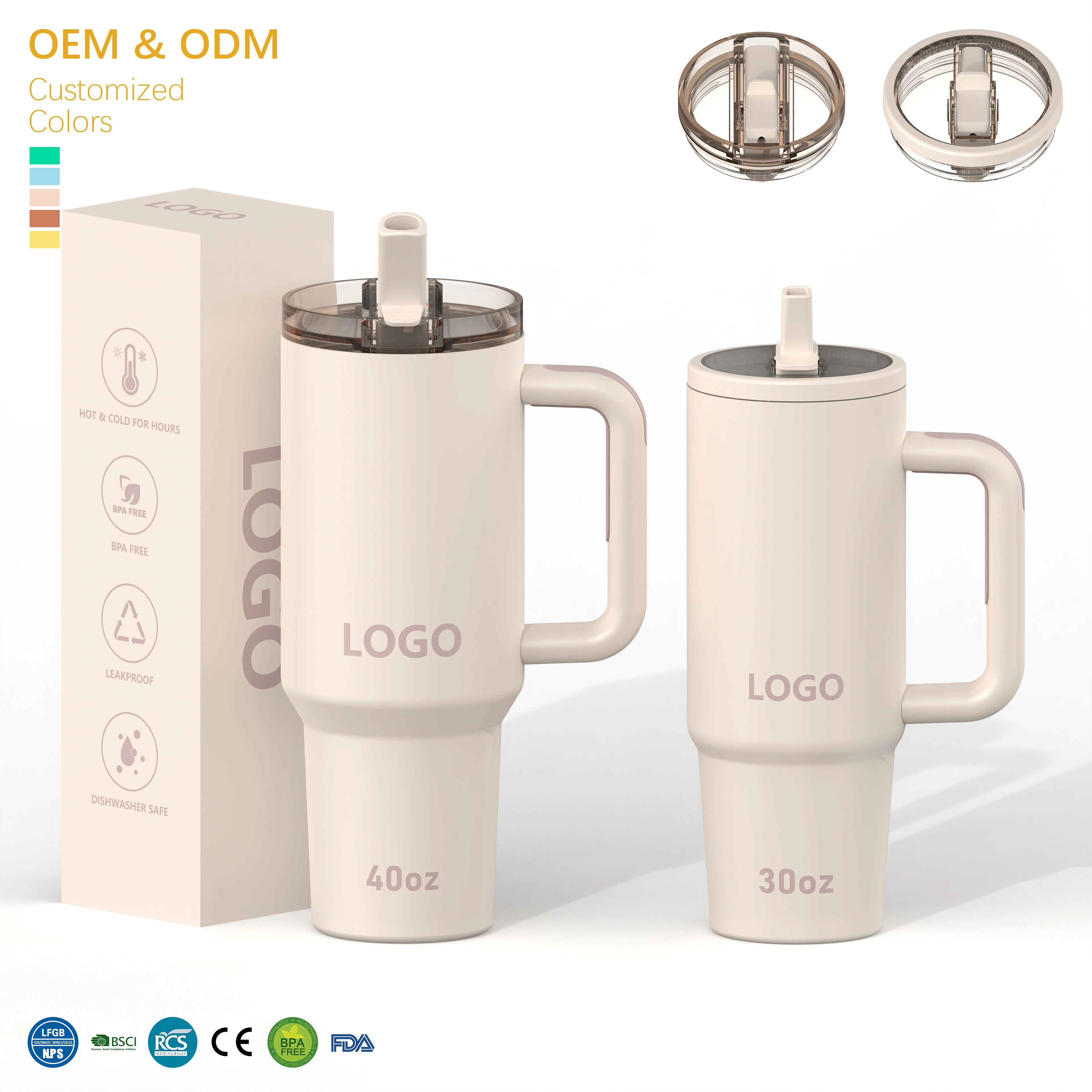
The engineering decisions behind lid mechanisms and straw configurations directly influence how users interact with their tumbler dozens of times per day. A well-executed design reduces the cognitive and physical effort required to drink, maintaining proper hydration without disrupting focus or requiring two-handed operation. Conversely, design oversights in these components can transform a premium stainless steel vessel into a source of daily annoyance. This article examines the specific mechanical, ergonomic, and material factors that determine comfort in 30oz tumbler lid and straw systems, providing practical guidance for evaluating these critical features before purchase.
The Mechanical Foundation of Lid Comfort
Seal Integrity and Opening Mechanisms
The primary function of any 30oz tumbler lid is creating a reliable seal that prevents spills during movement while allowing easy access when needed. Silicone gasket quality plays a foundational role in this balance—premium food-grade silicone maintains flexibility across temperature extremes while forming an airtight barrier against the tumbler rim. Compression fit designs that require proper alignment distribute sealing pressure evenly, whereas snap-on mechanisms may create weak points at closure tabs. The opening mechanism itself dramatically affects user comfort, with flip-top designs offering one-handed convenience but requiring robust hinge construction to prevent loosening over time.
Sliding lid mechanisms present an alternative approach, using a solid cover piece that glides across a drinking port rather than rotating upward. This configuration reduces the vertical profile when open, preventing the lid from obstructing the user's view during drinking. However, sliding mechanisms demand precise tolerances between moving parts—excessive play creates rattling and potential leakage, while too-tight fits require uncomfortable force to operate. The actuation force required to open any lid mechanism should remain consistent throughout the product's lifecycle, with quality designs incorporating wear-resistant materials at friction points to maintain smooth operation even after thousands of opening cycles.
Drinking Port Geometry and Flow Control
The shape and size of the drinking port in a 30oz tumbler lid fundamentally determines flow rate and drinking comfort. Circular ports with diameters between 12-18mm provide moderate flow suitable for both cold beverages and hot liquids, allowing users to control intake speed through tilting angle. Elongated oval ports increase maximum flow rate, accommodating rapid hydration needs during physical activity but potentially causing excessive liquid delivery when the tumbler is tilted steeply. The port edge finish matters significantly—sharp molded edges create uncomfortable contact against lips during drinking, while beveled or rounded edges distribute contact pressure and feel smoother during extended use.
Flow control features integrated into the lid design add another dimension of comfort customization. Some advanced 30oz tumbler lids incorporate adjustable flow restrictors that allow users to switch between sipping and gulping modes depending on context. These mechanisms typically use rotating discs with different-sized apertures or sliding gates that partially occlude the main drinking port. While adding mechanical complexity, these features prove valuable for users who alternate between hot coffee consumption requiring controlled sips and cold water drinking during exercise. The transition between flow settings should occur with clear tactile feedback and minimal rotational force to support one-handed adjustment.
Thermal Considerations in Lid Materials
Material selection for 30oz tumbler lids directly impacts thermal comfort during use. Polypropylene remains the dominant choice for its balance of durability, chemical resistance, and molding precision, but its thermal conductivity means exposed lid surfaces can become uncomfortably hot when containing heated beverages. Advanced designs incorporate dual-layer construction with air gaps or integrate thermally insulating materials in high-contact areas like flip-top handles. Stainless steel lids offer superior durability and premium aesthetics but require careful design to prevent heat transfer to user contact points, often achieved through silicone overmolding on grip surfaces.
The drinking port area presents particular thermal management challenges, as users' lips contact this zone directly. Quality 30oz tumbler lids position the drinking port opening at sufficient distance from the interior hot liquid surface to allow thermal dissipation before contact. Some designs incorporate heat-sink fins on the lid's interior surface that draw heat away from the drinking port, while others use thick-walled construction in this area to create a thermal buffer. For users frequently consuming hot beverages, evaluating how the lid material feels against the lips after holding a hot drink for fifteen minutes reveals whether thermal design received adequate attention during development.
Straw Design Elements That Define User Experience
Straw Diameter and Material Flexibility
The internal diameter of the straw in a 30oz tumbler establishes the baseline flow rate and suction effort required during drinking. Standard straws with 6-8mm internal diameters suit most cold beverages but create excessive resistance when drawing thick smoothies or iced drinks with pulp. Wide-bore straws measuring 10-12mm internally reduce suction effort significantly, making them preferable for users with limited jaw strength or those consuming varied beverage consistencies. However, wider straws demand more liquid per draw, which can feel overwhelming when sipping hot drinks or require more frequent swallowing during rapid hydration.
Straw material selection involves balancing durability, safety, and user comfort. Food-grade silicone straws offer superior flexibility, conforming slightly to mouth shape during use and creating a comfortable seal between lips. This flexibility also prevents tooth damage if the straw is accidentally bitten and allows the straw to bend when cleaning or storing the 30oz tumbler in tight spaces. Rigid polypropylene straws maintain consistent internal diameter and resist collapse under suction but can feel hard against teeth and gums. Stainless steel straws provide the longest service life and easiest cleaning but conduct temperature readily, potentially feeling uncomfortably cold or hot depending on beverage temperature.
Straw Length and Angle Optimization
Proper straw length ensures users can access liquid from the tumbler bottom without excessive tilting while avoiding awkward extension beyond the lid that interferes with drinking posture. For a 30oz tumbler with standard proportions, the straw should extend to within 5-10mm of the interior bottom surface, allowing complete beverage consumption without creating suction noise as liquid level drops. Straws that terminate too high leave significant liquid inaccessible, while those touching the bottom may draw in sediment from settled particles or create scraping noise during use.
The straw exit angle through the lid profoundly affects neck and jaw positioning during drinking. Vertical straws extending straight upward force users to tilt their heads backward or hunch over the tumbler, creating neck strain during prolonged use. Angled straws that emerge at 15-25 degrees from vertical allow more natural head positioning, with the straw tip meeting the user's mouth when the tumbler is held at a comfortable height. Some premium 30oz tumbler designs incorporate adjustable straw angles, using rotating grommet fittings that let users customize the exit direction to match their preferred drinking posture or accommodate use while reclining.
Straw Retention and Sealing Systems
The mechanism securing the straw within the lid determines whether it remains properly positioned during use or slides up and down, disrupting the drinking experience. Simple friction-fit designs rely on a tight grommet that grips the straw exterior, requiring sufficient insertion force to prevent dislodgement but not so much that straw removal for cleaning becomes frustrating. These systems work adequately for rigid straws but often fail with flexible silicone variants that deform under grip pressure. Stepped diameter straws address this by incorporating a flange or enlarged section that seats against the lid surface, providing positive retention through mechanical interference rather than friction alone.
The seal between straw and lid opening critically affects leak prevention and drinking comfort. A proper seal prevents liquid from weeping around the straw exterior when the tumbler tips, which otherwise creates drips onto clothing or surfaces. However, overly tight seals increase the suction effort required to draw liquid, as users must overcome both fluid viscosity and the vacuum resistance created by the sealed lid. Advanced 30oz tumbler designs incorporate vented lids with separate air channels that equalize pressure during drinking, eliminating the vacuum effect while maintaining spill protection. These vent systems typically use tortuous path designs or hydrophobic membranes that permit air passage while blocking liquid migration.
Ergonomic Integration of Lid and Straw Components
One-Handed Operation Requirements
For users who regularly consume beverages while driving, working at a computer, or caring for children, one-handed operation of the 30oz tumbler becomes essential rather than optional. This capability depends on thoughtful integration between lid opening mechanism and straw accessibility. Push-button activated flip lids excel in this context, allowing thumb operation to expose the drinking port while the same hand maintains tumbler grip. The button should require sufficient activation force to prevent accidental opening in a bag but remain operable without grip adjustment—typically 8-15 newtons of force applied through a button surface at least 15mm in diameter.
Sliding lid mechanisms can achieve one-handed operation when the slide tab extends beyond the tumbler circumference and features textured gripping surfaces. However, these designs often require the user to brace the tumbler against a surface or their body to generate the opposing force needed to slide the cover, reducing true one-handed convenience. The straw positioning must complement the lid mechanism—if the straw emerges on the opposite side from the lid opening tab, users cannot comfortably reach the straw with their mouth while operating the lid with the same hand. Optimal designs align the straw exit with the opening mechanism actuation point, creating a unified interaction zone.
Grip Interference and Handle Integration
When a 30oz tumbler incorporates a side handle, the lid and straw design must account for the resulting grip geometry. Handles position the user's hand at a fixed location relative to the tumbler body, which then determines the natural angular relationship between the user's mouth and the straw exit point. If the straw emerges opposite the handle, drinking requires awkward wrist rotation or shoulder abduction to bring the straw to the mouth. Designs that position the straw exit approximately 90 degrees from the handle allow comfortable drinking with the forearm in neutral position and the elbow at a natural angle.
The lid's vertical profile affects grip comfort when users hold the tumbler by encircling the lid rather than using a handle. Tall lids with complex topography force the hand into a wider grasp diameter, reducing grip security and increasing muscle effort required to prevent slippage. Low-profile lids that add minimal height above the tumbler rim allow smaller hands to maintain secure grip while minimizing the leverage arm that amplifies perceived weight. When lid features like flip-top hinges or slide mechanisms protrude from the lid perimeter, their positioning should avoid the natural hand placement zones to prevent inadvertent activation or uncomfortable pressure points against the palm.
Visual Alignment and Intuitive Orientation
Users should be able to quickly identify the correct drinking orientation of their 30oz tumbler without conscious examination. Clear visual indicators such as contrasting colors, embossed icons, or asymmetric lid shapes communicate straw location and drinking port position at a glance. This seemingly minor detail significantly impacts comfort during routine use—fumbling to find the straw opening while carrying other items or operating in dim lighting creates frustration that compounds over repeated daily interactions. Some designs incorporate tactile indicators like raised ridges or texture changes that allow blind orientation by touch alone, valuable when retrieving the tumbler from a bag or cup holder.
The rotational relationship between lid and tumbler body also affects user comfort, particularly when branding or decorative elements create a preferred display orientation. Lids that thread onto the tumbler without indexing may randomly orient the straw exit direction each time they're attached, forcing users to either accept misalignment or repeatedly adjust the lid position. Indexed lids with keyed features or tab-and-slot systems ensure consistent orientation, though they increase manufacturing complexity and assembly effort. For users who prioritize convenience, this consistent orientation eliminates a minor but recurring source of friction in the daily hydration routine.
Material Quality and Long-Term Comfort Maintenance
Degradation Resistance in High-Contact Components
The comfort of a 30oz tumbler lid and straw system changes over time as materials respond to repeated use, cleaning, and exposure to beverages of varying chemistry and temperature. Silicone gaskets represent the most vulnerable component, as they undergo compression cycling with each lid attachment and removal. Low-quality silicone loses elasticity after several hundred cycles, resulting in diminished sealing force that allows leaks or requires users to over-tighten the lid to compensate. Premium platinum-cured silicone maintains compression set resistance through thousands of cycles, ensuring the lid continues to seal properly without requiring increased installation torque that makes removal difficult.
Straw materials similarly degrade through different mechanisms depending on composition. Silicone straws can develop permanent deformation if stored bent for extended periods, creating kinks that restrict flow or make insertion through the lid grommet difficult. Polypropylene straws may develop stress cracks at the base where they flex during cleaning, eventually leading to complete failure. Stainless steel straws prove most durable against mechanical wear but can develop interior residue buildup in the crimped end joints if not cleaned properly, gradually reducing effective diameter and increasing suction resistance. Users who expect multi-year service from their 30oz tumbler should evaluate component replaceability—whether individual elements like gaskets and straws can be purchased separately rather than requiring complete lid replacement when wear occurs.
Chemical Compatibility and Taste Neutrality
Certain beverages interact chemically with lid and straw materials in ways that affect both component longevity and user comfort. Acidic drinks like citrus juices or kombucha can leach plasticizers from lower-grade polypropylene, creating off-tastes that persist even after thorough washing. Coffee oils penetrate into micropores on plastic surfaces, building up over time to impart stale coffee flavor to subsequently consumed beverages—a particular concern for users who alternate between drink types in their 30oz tumbler. High-quality food-grade materials resist these interactions, maintaining taste neutrality even after extended exposure to aggressive beverage chemistry.
The silicone components in lid seals and flexible straws pose specific challenges with highly pigmented beverages. Berry juices, colored sports drinks, and strongly brewed teas can permanently stain lighter silicone colors, creating aesthetic degradation that doesn't affect function but may reduce user satisfaction. More significantly, these pigments sometimes indicate tannins or other compounds that gradually cure into the silicone matrix, altering its flexibility properties and potentially affecting seal performance. Dark-colored or black silicone components mask this staining but don't prevent the underlying chemical absorption, making regular replacement of these elements important for maintaining optimal comfort and hygiene in frequently-used drinkware.
Cleaning Accessibility and Maintenance Friction
Long-term comfort with a 30oz tumbler depends partly on how easily users can maintain hygienic conditions in the lid and straw assembly. Complex lid mechanisms with multiple sealed chambers or narrow crevices accumulate residue that becomes difficult to remove without complete disassembly. If the disassembly process requires tools, excessive force, or risks breaking fragile components, users inevitably clean less thoroughly or less frequently, leading to bacterial growth, odor development, and eventual comfort degradation as they become reluctant to drink from a vessel they know harbors contamination.
Straw cleaning presents particular challenges due to the small diameter and internal surface area that cannot be visually inspected. Straws in 30oz tumblers used for protein shakes, smoothies, or milk-based beverages develop biofilm on interior surfaces within days if not properly cleaned. Straight straws with consistent internal diameter accommodate standard cleaning brushes easily, while straws with bends, diameter changes, or integrated flow restrictors may trap residue in inaccessible areas. Dishwasher compatibility significantly reduces maintenance friction, though users must verify whether high heat exposure affects material properties—some silicone formulations become tacky or begin to degrade above 80°C, while certain polypropylene grades warp under top-rack dishwasher conditions. The 30oz tumbler that delivers optimal long-term comfort balances functional sophistication with practical cleanability.
Context-Specific Design Considerations
Temperature-Specific Optimization Patterns
The ideal lid and straw configuration for a 30oz tumbler varies significantly depending on the primary beverage temperature users intend to maintain. Hot beverage applications benefit from minimal straw exposure outside the lid, as extended stainless steel or plastic sections above the lid conduct heat outward, cooling the drink and potentially creating condensation. Fully recessed straw designs where the drinking tube terminates flush with or slightly below the lid surface maximize thermal retention while requiring flip-top or sliding covers to protect the drinking area from contamination when not in use.
Cold beverage optimization follows different priorities, with extended straw sections allowing users to drink without removing protective covers and minimizing warm air entry into the tumbler interior. However, extended straws on 30oz tumblers create practical challenges—they interfere with vehicle cup holder depth, increase the risk of bending damage during transport, and collect exterior contamination from bag interiors or desk surfaces. Telescoping straw designs address these concerns by allowing height adjustment, though the sliding seal between sections introduces another potential leak point and cleaning challenge. Users who exclusively consume cold drinks may prefer fixed extended straws despite transport inconvenience, while those who alternate between hot and cold applications should prioritize recessed designs with effective opening mechanisms.
Activity-Aligned Lid Architecture
Different use contexts impose distinct requirements on 30oz tumbler lid and straw performance. Desktop work environments prioritize stable placement on flat surfaces, suggesting wider lid diameters that lower the center of gravity and reduce tip-over risk when users reach for the tumbler without looking. Spill-proof features become less critical than easy one-handed access, making simple open-port lids with exposed straws acceptable. Conversely, automotive use demands secure sealing against acceleration forces and road vibration, necessitating positive-locking lid mechanisms and enclosed drinking ports that only open deliberately.
Athletic applications create the most demanding requirements, combining dynamic movement with high flow rate needs and potentially compromised manual dexterity due to gloves or grip fatigue. Sports-oriented 30oz tumbler lids often incorporate large push-pull valves that open with minimal force and provide wide flow passages for rapid hydration. These designs sacrifice some spill protection for maximum flow, operating on the assumption that users will orient the tumbler appropriately before activating the valve. The straw component may be omitted entirely in favor of direct-drink spouts, as straws create suction resistance that limits flow rate and require more controlled drinking posture than athletes can maintain during active recovery periods.
Accessory Ecosystem and Customization Potential
The long-term comfort and utility of a 30oz tumbler expands significantly when the lid system supports accessory integration and user customization. Standardized lid threading that accepts third-party alternatives allows users to switch between different lid styles for different contexts—using a fully sealed travel lid during commuting, then swapping to an open straw lid at the office. This modularity requires manufacturers to adhere to consistent thread specifications and sealing surface dimensions, which some brands resist to maintain proprietary accessory markets.
Straw customization options similarly enhance user comfort by accommodating individual preferences and changing needs. Being able to swap between standard and wide-bore straws, or between rigid and flexible variants, lets a single 30oz tumbler serve multiple beverage types effectively. Color-coded straws support household sharing by allowing family members to identify their designated straw, reducing cross-contamination concerns. The availability of these accessories as separate purchases rather than requiring complete tumbler replacement when preferences change represents significant value for users who view their drinkware as a long-term investment rather than a disposable commodity.
FAQ
Why does straw angle matter more in larger tumblers like 30oz models compared to smaller cups?
The increased height of a 30oz tumbler creates a longer lever arm between the hand gripping the base and the mouth engaging the straw. When the straw extends vertically from the lid, users must either tilt their entire head backward significantly or raise their elbow to an uncomfortable height to achieve proper straw alignment with their mouth. Angled straws reduce this geometric challenge by directing the drinking end toward the user's face, allowing the tumbler to be held at a more natural mid-torso height while maintaining comfortable neck and shoulder positioning. In smaller 12-16oz cups, the reduced height means vertical straws remain within comfortable reach even with minimal arm elevation.
Can lid material affect how long my beverage stays cold in a 30oz tumbler?
Yes, though the effect is secondary to the tumbler body's vacuum insulation. The lid acts as the primary thermal bridge where external air contacts the interior beverage space. Thin polypropylene lids with minimal insulation properties allow significant heat transfer, potentially reducing cold retention by 20-30% over an eight-hour period compared to insulated lid designs. Advanced lids incorporate air gaps, foam inserts, or dual-wall construction that minimize this thermal pathway. Additionally, the drinking port represents a direct opening to the interior—frequent opening for drinking or a constantly exposed straw hole allows warm air infiltration. Lids with closable drinking ports maintain temperature better between sips, though they sacrifice some convenience for thermal performance.
What causes some 30oz tumbler straws to whistle or make noise during drinking?
Whistling or squealing sounds during straw use typically result from turbulent airflow at restrictions in the fluid path. When the straw diameter suddenly changes—such as at a molding seam, debris accumulation point, or deliberate flow restrictor—the liquid accelerates through the narrow section. If the restriction geometry creates flow separation with vortex shedding at specific frequencies, audible vibration occurs. This phenomenon intensifies when suction force increases, explaining why noise often appears when drawing thick beverages or nearing the bottom of the tumbler. Straws with smooth, consistent internal diameters and properly deburred edges rarely whistle. Some lid-straw seal designs also create noise when slight gaps allow air ingestion alongside the liquid stream, producing gurgling or slurping sounds that proper seal maintenance eliminates.
How do I know if my 30oz tumbler lid seal needs replacement?
Several indicators signal gasket degradation requiring replacement. Visual inspection may reveal compression set—permanent flattening of the silicone where it contacts the tumbler rim, indicating lost elasticity. If the lid requires noticeably more rotational force to tighten than when new, yet still allows leakage during transport, the gasket has likely hardened and lost its ability to conform to minor surface irregularities. Perform a simple test by filling the tumbler with water, sealing the lid normally, then inverting it over a sink for thirty seconds. Any dripping indicates seal failure. Also check for gasket tears, particularly near the inner diameter where installation stress concentrates. Most quality 30oz tumbler manufacturers offer replacement gasket kits separately, and swapping a degraded seal typically restores original leak-proof performance immediately.
Table of Contents
- The Mechanical Foundation of Lid Comfort
- Straw Design Elements That Define User Experience
- Ergonomic Integration of Lid and Straw Components
- Material Quality and Long-Term Comfort Maintenance
- Context-Specific Design Considerations
-
FAQ
- Why does straw angle matter more in larger tumblers like 30oz models compared to smaller cups?
- Can lid material affect how long my beverage stays cold in a 30oz tumbler?
- What causes some 30oz tumbler straws to whistle or make noise during drinking?
- How do I know if my 30oz tumbler lid seal needs replacement?