
 EN
EN
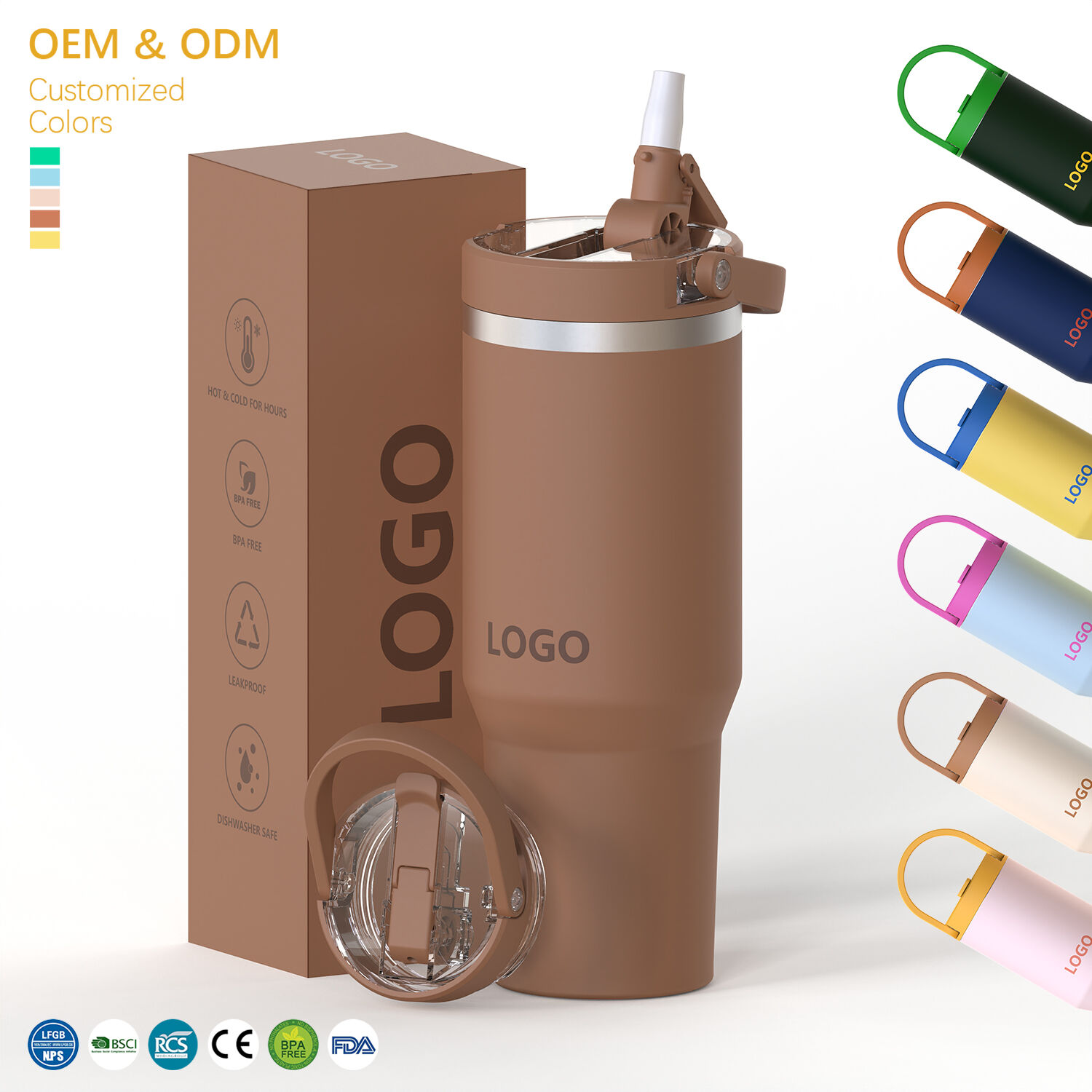
The design elements of a wine tumbler extend far beyond aesthetic appeal, fundamentally shaping the user experience through every sip. When examining how lid and shape configurations impact wine tumbler functionality, two critical factors emerge that directly influence temperature retention, drinking comfort, and overall satisfaction. Understanding these design principles helps consumers make informed decisions while enabling manufacturers to optimize their wine tumbler offerings for specific use cases and preferences.
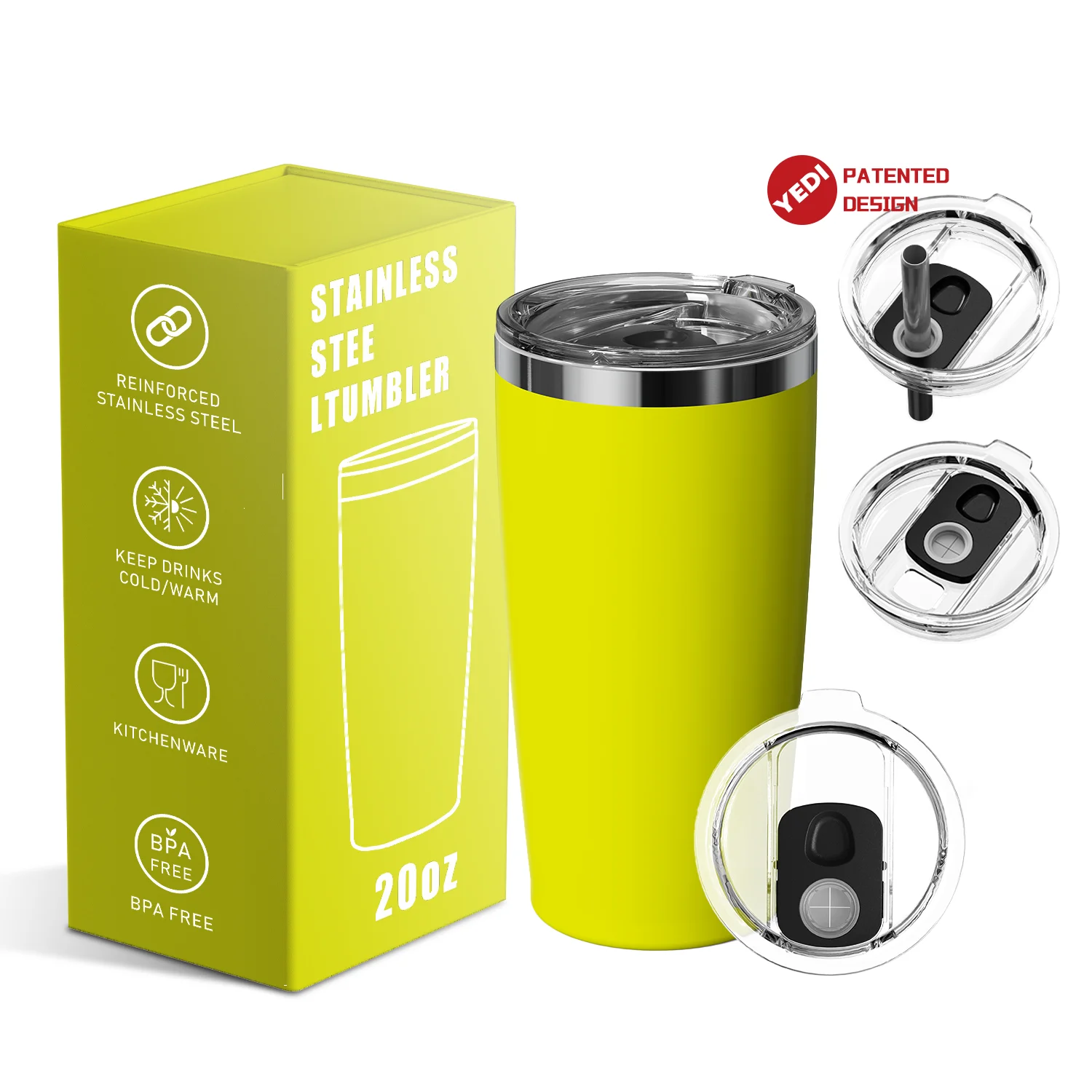
The relationship between lid design and shape geometry creates a complex interplay that determines how effectively a wine tumbler performs in real-world scenarios. Professional sommelier testing and consumer feedback consistently demonstrate that these design choices directly correlate with user satisfaction, durability outcomes, and practical functionality across different environments. By analyzing the mechanical and ergonomic principles behind successful wine tumbler designs, we can understand why certain configurations excel in specific applications while others fall short of user expectations.
Lid Design Impact on Wine Tumbler Performance
Temperature Control Mechanisms
Lid design serves as the primary barrier against heat transfer in any wine tumbler system, creating the critical seal that maintains optimal beverage temperatures. The effectiveness of this temperature control depends on several engineering factors including gasket materials, closure mechanisms, and air gap management. Well-designed lids incorporate double-wall insulation principles that extend the thermal protection of the wine tumbler body, creating a comprehensive temperature management system.
Vacuum-sealed lid systems represent the gold standard for wine tumbler temperature retention, utilizing specialized gasket materials that prevent air infiltration while maintaining easy operation. These advanced lid designs can extend temperature retention by thirty to forty percent compared to basic snap-on alternatives. The precision engineering required for effective vacuum seals demands careful material selection and manufacturing tolerances that directly impact the overall wine tumbler performance.
Secondary temperature benefits emerge from lid designs that incorporate thermal break materials, preventing heat conduction through metal components. This engineering approach ensures that external temperatures do not compromise the wine tumbler contents through direct material transfer. Advanced lid designs may incorporate multiple thermal barriers, creating layered protection that maintains beverage quality for extended periods.
Drinking Experience Optimization
The drinking interface created by lid design significantly influences user satisfaction and wine tumbler functionality during actual consumption. Spout dimensions, flow control mechanisms, and lip contact surfaces all contribute to the overall drinking experience. Professional wine tumbler designs balance flow rate with comfort, ensuring smooth beverage delivery without compromising temperature retention or creating spillage risks.
Ergonomic considerations in lid design extend beyond basic functionality to address comfort during extended use sessions. The angle and diameter of drinking spouts must accommodate natural lip positioning while preventing awkward tilting that could compromise the wine tumbler grip or create strain. Advanced lid designs incorporate anatomical research to optimize the drinking interface for maximum comfort and natural flow patterns.
Safety features integrated into lid designs protect users from accidental spillage and provide confidence during active use scenarios. These mechanisms include positive locking systems, one-handed operation capabilities, and leak-proof sealing that maintains integrity even under stress conditions. Quality wine tumbler lid designs incorporate multiple safety redundancies that prevent accidents while maintaining ease of operation.
Maintenance and Longevity Factors
Lid design complexity directly impacts the long-term maintenance requirements and operational lifespan of any wine tumbler system. Simple, robust lid mechanisms typically provide superior longevity compared to complex multi-component designs that introduce additional failure points. However, advanced features often justify the increased maintenance requirements through enhanced functionality and user satisfaction.
Cleaning accessibility represents a critical design consideration that affects wine tumbler hygiene and user acceptance over time. Lids with removable components and accessible surfaces facilitate thorough cleaning, preventing bacterial growth and maintaining beverage quality. Dishwasher compatibility and chemical resistance ensure that maintenance procedures do not compromise lid performance or material integrity.
Replacement part availability and modular design approaches extend the practical lifespan of wine tumbler systems by allowing component-level maintenance. This design philosophy reduces waste while providing cost-effective solutions for common wear issues. Manufacturers who prioritize serviceability often achieve higher customer satisfaction and brand loyalty through reduced total ownership costs.
Shape Geometry Effects on Usability
Ergonomic Handling Characteristics
The fundamental shape of a wine tumbler determines how comfortably users can grip, hold, and manipulate the vessel during various activities. Cylindrical designs offer consistent grip surfaces but may lack the ergonomic refinements that enhance long-term comfort. Tapered profiles can provide improved grip security while accommodating different hand sizes, making the wine tumbler more accessible to diverse user populations.
Surface area distribution affects heat transfer to user hands, influencing comfort during extended holding periods. Wine tumbler shapes that minimize direct hand contact with the beverage container surface provide superior comfort while maintaining structural integrity. Strategic contouring and surface texturing can enhance grip security without compromising the thermal performance that defines quality wine tumbler design.
Balance point optimization through shape design ensures stable handling during drinking and transport activities. Well-engineered wine tumbler profiles distribute weight effectively, reducing hand fatigue and improving overall user satisfaction. Center of gravity considerations become particularly important for larger capacity designs where weight distribution significantly impacts handling comfort and safety.
Capacity and Volume Optimization
Shape design directly influences the effective capacity and volume utilization of wine tumbler systems, affecting both functionality and user satisfaction. Straight-walled designs maximize volume efficiency but may sacrifice ergonomic benefits, while curved profiles offer handling improvements at the cost of reduced capacity. Optimal wine tumbler shapes balance these competing requirements through careful geometric analysis and user testing.
Interior surface geometry affects beverage behavior, including mixing characteristics and residue accumulation patterns. Smooth, continuous curves facilitate easy cleaning while promoting even temperature distribution throughout the wine tumbler contents. Sharp corners or complex internal geometries can create cleaning challenges and thermal inconsistencies that compromise long-term performance.
Fill level optimization through shape design ensures practical capacity matches nominal specifications while maintaining performance characteristics. Effective wine tumbler designs incorporate headspace management that prevents spillage while allowing for thermal expansion and mixing activities. These considerations become critical for premium wine applications where precise volume control affects the overall experience quality.
Stability and Transport Considerations
Base design and overall shape proportions determine the stability characteristics that affect wine tumbler safety during use and storage. Wide, flat bases provide superior stability on various surfaces but may compromise portability and storage efficiency. Optimal wine tumbler designs balance stability requirements with practical considerations including vehicle cup holder compatibility and storage space efficiency.
Transport-friendly shapes consider the dynamic forces encountered during mobile use, incorporating design features that prevent tipping and spillage. Low center of gravity designs enhance stability during vehicle transport, while streamlined profiles reduce catching risks during active use scenarios. Professional wine tumbler designs often incorporate subtle shape modifications that significantly improve real-world performance without compromising aesthetic appeal.
Nesting and stacking capabilities enabled by thoughtful shape design improve storage efficiency and reduce packaging requirements. Wine tumbler shapes that allow secure stacking maintain individual unit integrity while minimizing storage space requirements. These design considerations become particularly important for commercial applications where storage efficiency directly impacts operational costs and logistics complexity.
Integration of Lid and Shape Design Elements
Thermal Performance Synergy
The combined thermal performance of integrated lid and shape systems exceeds the sum of individual component benefits through careful engineering coordination. Shape design influences internal air circulation patterns that interact with lid sealing mechanisms, creating opportunities for enhanced thermal efficiency. Wine tumbler systems that optimize both elements simultaneously achieve superior temperature retention compared to designs that address each component independently.
Heat transfer pathways between lid and body components require careful management to prevent thermal bridges that compromise overall performance. Advanced wine tumbler designs incorporate thermal isolation techniques that maintain the integrity of both lid and shape thermal benefits. Material selection and interface design play critical roles in achieving optimal thermal performance from integrated systems.
Convection control through coordinated lid and shape design prevents internal air movement that could accelerate heat transfer. Strategic volume management and air gap optimization create stable thermal conditions that extend beverage quality retention. These advanced design techniques distinguish premium wine tumbler systems from basic alternatives that rely on simple insulation approaches.
User Interface Optimization
Coordinated lid and shape design creates intuitive user interfaces that enhance overall wine tumbler functionality through natural operation patterns. The relationship between drinking spout positioning and overall vessel geometry affects user comfort and drinking angle optimization. Well-integrated designs ensure that natural hand positions align with optimal lid operation and comfortable drinking postures.
Visual and tactile feedback systems emerge from thoughtful integration of lid and shape elements, providing users with clear operational status information. These design features include positive engagement indicators, fill level visibility, and operational state confirmation that enhance confidence during use. Advanced wine tumbler designs incorporate multiple feedback mechanisms that improve user satisfaction and safety.
Maintenance accessibility benefits from coordinated lid and shape design that facilitates cleaning and service operations. Integrated approaches can simplify disassembly procedures while ensuring that all critical surfaces remain accessible for thorough maintenance. This design philosophy extends wine tumbler lifespan while reducing the complexity of proper care procedures.
Manufacturing and Quality Considerations
Integrated design approaches affect manufacturing complexity and quality control requirements throughout wine tumbler production processes. Coordinated lid and shape systems may require specialized tooling and assembly procedures that influence production costs and quality consistency. However, integrated designs often achieve superior performance characteristics that justify additional manufacturing complexity.
Quality control procedures must address the interaction effects between lid and shape components to ensure consistent performance outcomes. Testing protocols for integrated wine tumbler systems require comprehensive evaluation of both individual component performance and system-level functionality. These quality assurance measures become critical for maintaining brand reputation and customer satisfaction.
Material compatibility between lid and shape components ensures long-term performance stability and prevents degradation issues that could compromise wine tumbler functionality. Advanced material selection processes consider thermal expansion rates, chemical compatibility, and mechanical stress distribution to optimize integrated system performance. These engineering considerations distinguish professional-grade wine tumbler designs from consumer-oriented alternatives.
Real-World Application Impact
Professional and Commercial Use
Professional wine service applications place demanding requirements on wine tumbler design that highlight the importance of optimized lid and shape integration. Restaurant and catering environments require vessels that maintain beverage quality while withstanding intensive use patterns and cleaning procedures. Commercial-grade wine tumbler designs incorporate robust lid mechanisms and durable shape profiles that ensure consistent performance under professional conditions.
Event and hospitality applications benefit from wine tumbler designs that balance functionality with presentation requirements, creating vessels that enhance the overall guest experience. Shape aesthetics and lid operation must coordinate to create sophisticated appearances while maintaining practical functionality. These dual requirements often drive innovation in wine tumbler design, leading to solutions that excel in both performance and presentation categories.
High-volume service scenarios demonstrate the importance of efficient lid operation and shape design that facilitates rapid service without compromising quality. Wine tumbler systems designed for professional use incorporate features that streamline service procedures while maintaining temperature control and spillage prevention. These operational considerations significantly influence design priorities and feature selection for commercial applications.
Consumer Lifestyle Integration
Home entertainment applications require wine tumbler designs that complement social drinking scenarios while providing practical benefits for casual use. Shape aesthetics and lid functionality must align with consumer preferences for attractive vessels that enhance social experiences. Successful wine tumbler designs integrate seamlessly into home environments while delivering professional-level performance characteristics.
Outdoor and recreational use patterns place unique demands on wine tumbler design that emphasize durability and reliable performance under challenging conditions. Lid security and shape stability become critical factors for camping, boating, and other outdoor activities where spillage prevention and temperature retention directly impact user satisfaction. Recreational wine tumbler designs often incorporate additional safety features and enhanced durability specifications.
Travel and commuting applications benefit from wine tumbler designs that optimize portability while maintaining core functionality requirements. Lid operation must remain reliable during mobile use while shape profiles accommodate vehicle cup holders and luggage constraints. These practical considerations often influence design compromises that balance multiple competing requirements.
FAQ
How does lid design affect the taste of wine in a tumbler?
Lid design significantly influences wine taste by controlling oxidation exposure and maintaining optimal serving temperatures. Airtight lid seals prevent excessive air contact that can alter wine flavor profiles, while thermal retention preserves the intended serving temperature that enhances taste characteristics. Quality lid designs also prevent contamination from external odors and maintain the wine's original aromatic properties throughout the drinking experience.
What shape characteristics make a wine tumbler easier to clean?
Wine tumbler shapes with smooth, continuous curves and minimal internal angles facilitate thorough cleaning by preventing residue accumulation in hard-to-reach areas. Wide-mouth openings allow easy access for cleaning tools, while straight or gently tapered walls enable complete surface contact during washing procedures. Avoiding sharp corners and complex internal geometries reduces cleaning time while ensuring hygienic maintenance standards.
Can lid and shape design prevent wine tumbler condensation?
Effective lid and shape design combinations can significantly reduce condensation by maintaining consistent external surface temperatures and eliminating thermal bridges. Double-wall insulation in both lid and body components prevents cold beverage temperatures from reaching exterior surfaces where condensation typically forms. Advanced designs incorporate thermal barriers that maintain comfortable handling surfaces while preserving internal beverage temperatures.
How do different wine tumbler shapes affect beverage temperature retention?
Wine tumbler shapes with lower surface-area-to-volume ratios provide superior temperature retention by minimizing heat transfer pathways between beverage contents and external environment. Cylindrical designs typically outperform wide, shallow profiles for thermal performance, while tapered shapes can optimize both thermal efficiency and ergonomic benefits. The shape also influences internal air circulation patterns that can affect temperature consistency throughout the beverage volume.